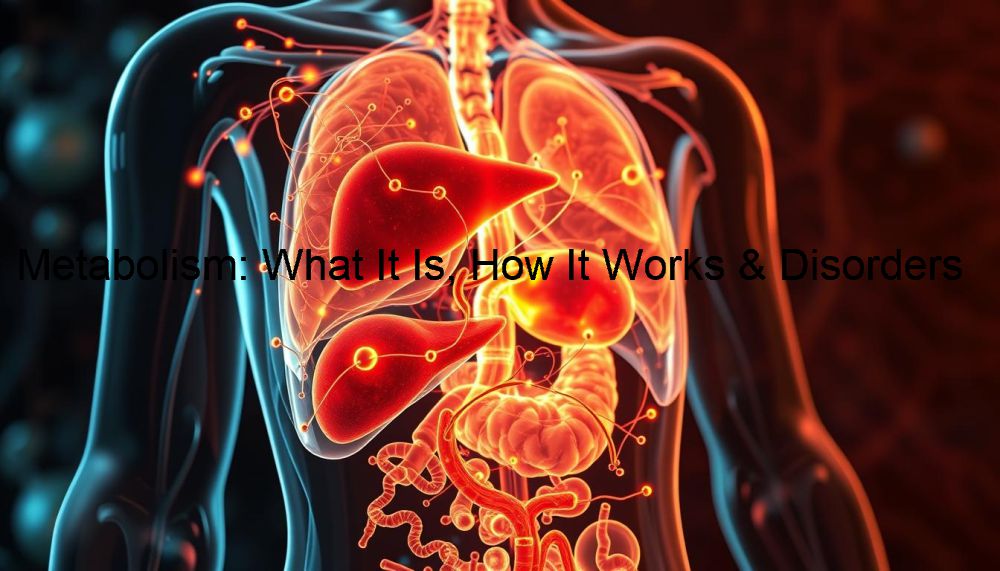
Cynara scolymus, commonly known as artichoke, has been used for centuries for its medicinal properties. The extract derived from its leaves is rich in antioxidants and has been shown to support liver health and aid in cholesterol management.
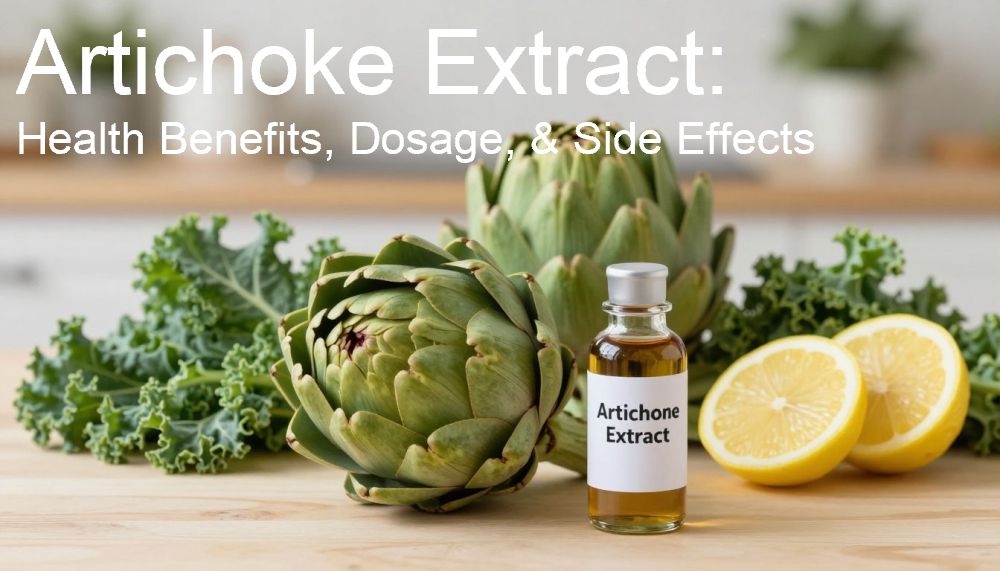
As the popularity of artichoke leaf extract continues to grow, understanding its health benefits, appropriate dosage, and potential side effects is crucial for safe and effective use.
Key Takeaways
- Artichoke extract supports liver health and cholesterol management.
- It is rich in antioxidants with potential health benefits.
- Understanding the appropriate dosage is crucial for safe use.
- Potential side effects should be considered before supplementation.
- Cynara scolymus is the scientific name for the artichoke plant.
What is Artichoke Extract?
Cynara scolymus, or the artichoke plant, is more than just a culinary delight; its extract has significant health implications. Artichoke extract is derived from the leaves of the artichoke plant, which have been used for centuries in traditional medicine. The extract is rich in bioactive compounds that contribute to its potential health benefits.
The Science Behind Cynara Scolymus
The artichoke plant, known scientifically as Cynara scolymus, is a perennial thistle native to the Mediterranean region. The leaves of this plant are harvested to produce artichoke extract, which is then standardized to contain a specific amount of active compounds. Research into Cynara scolymus has highlighted its potential in supporting various aspects of health.
Studies have shown that the bioactive compounds in artichoke extract can have a positive impact on health, making it a popular dietary supplement.
Active Compounds in Artichoke Extract
Artichoke extract contains a variety of active compounds that contribute to its health benefits. Two of the most significant compounds are cynarin and caffeoylquinic acids.
Cynarin and Its Properties
Cynarin is a flavonoid compound that has been shown to have antioxidant properties. It is one of the primary active ingredients in artichoke extract and is believed to contribute to its potential health benefits, including supporting liver health and aiding in the management of cholesterol levels.
Other Beneficial Compounds
In addition to cynarin, artichoke extract contains other beneficial compounds such as caffeoylquinic acids, which have been shown to have antioxidant and anti-inflammatory effects. These compounds work together to provide the overall health benefits associated with artichoke extract.
- Cynarin: Antioxidant properties
- Caffeoylquinic acids: Antioxidant and anti-inflammatory effects
- Flavonoids: Potential cardiovascular benefits
The History and Traditional Uses of Artichoke
With roots in ancient Mediterranean cultures, the artichoke has been utilized for both its culinary and medicinal properties. The artichoke plant, known scientifically as Cynara scolymus, has a rich history that spans centuries.
The use of artichoke dates back to ancient times, where it was valued not only as a food source but also for its perceived health benefits. The tradition of using artichoke for medicinal purposes is deeply rooted in its history.
Ancient Medicinal Applications
In ancient times, artichoke was used for various medicinal purposes. The Greeks and Romans, for instance, used it to treat digestive issues and other ailments. The artichoke’s leaves and flowers were particularly valued for their therapeutic properties.
| Culture | Medicinal Use |
|---|---|
| Ancient Greeks | Digestive issues, liver health |
| Ancient Romans | Digestive issues, general health |
Modern Development as a Supplement
In modern times, artichoke extract has evolved into a dietary supplement, available in various forms such as capsules, tablets, and powders. The modern supplement industry has capitalized on the traditional uses of artichoke, enhancing its bioavailability and efficacy.
The transition from traditional medicine to modern supplement has been facilitated by advances in extraction technology and a better understanding of the artichoke’s active compounds.
Key Health Benefits of Artichoke Extract
Artichoke extract, derived from the leaves of the artichoke plant, is a supplement with a variety of health-enhancing properties. Its benefits span multiple health areas, making it a popular choice among those looking for natural health solutions.
Liver Health and Protection
One of the primary benefits of artichoke extract is its positive impact on liver health. The liver plays a crucial role in detoxification and metabolism, and artichoke extract has been shown to support these functions. Studies indicate that it can help protect liver cells from damage and promote overall liver health.
Cholesterol Management
Artichoke extract is also recognized for its role in cholesterol management. It is believed to help lower total cholesterol and LDL (“bad”) cholesterol levels, contributing to a reduced risk of heart disease. This makes it a valuable supplement for those looking to manage their cholesterol levels naturally.
Digestive Health Benefits
The digestive health benefits of artichoke extract are another significant advantage. It is thought to improve digestion by increasing bile production, which can help alleviate symptoms of indigestion and other digestive issues.
Antioxidant Properties
Artichoke extract is rich in antioxidants, which play a crucial role in protecting cells from damage caused by free radicals. This antioxidant activity contributes to the overall health benefits of the extract, supporting cellular health and potentially reducing the risk of chronic diseases.
| Health Benefit | Description |
|---|---|
| Liver Health | Protects liver cells and supports liver function |
| Cholesterol Management | Helps lower total and LDL cholesterol levels |
| Digestive Health | Improves digestion by increasing bile production |
| Antioxidant Properties | Protects cells from damage caused by free radicals |
Artichoke Extract for Liver Health
Maintaining liver health is essential, and artichoke extract may offer a natural solution. The liver plays a vital role in detoxification, metabolism, and the production of biochemicals necessary for digestion. Artichoke extract, derived from the leaves of the artichoke plant (Cynara scolymus), has been studied for its potential to support liver health and function.
How Artichoke Extract Supports Liver Function
Artichoke extract is believed to support liver function through its active compounds, particularly cynarin and silymarin. These compounds are thought to enhance bile production, which aids in the digestion and absorption of fats. Improved bile flow can also help remove toxins from the liver, supporting its overall health. Increased bile production is crucial for eliminating waste products and maintaining a healthy liver.
- Enhances bile production
- Aids in toxin removal
- Supports overall liver health
Research on Non-Alcoholic Fatty Liver Disease (NAFLD)
Non-alcoholic fatty liver disease (NAFLD) is a condition characterized by excessive fat accumulation in the liver of people who drink little or no alcohol. Research has indicated that artichoke extract may help manage NAFLD by reducing liver fat and inflammation. A study published in a reputable journal found that artichoke extract supplementation resulted in significant improvements in liver function tests and reduced liver fat in patients with NAFLD.
The potential benefits of artichoke extract for NAFLD include:
- Reducing liver inflammation
- Improving liver function tests
- Decreasing liver fat accumulation
Protective Effects on Liver Cells
Artichoke extract has been shown to have protective effects on liver cells, potentially shielding them from damage caused by toxins and oxidative stress. The antioxidant properties of artichoke extract help in neutralizing free radicals, which can damage liver cells. By protecting liver cells, artichoke extract may contribute to overall liver health and function.
Key protective effects include:
- Antioxidant activity
- Cell membrane stabilization
- Enhanced cellular detoxification processes
Artichoke Extract and Digestive Health
The connection between artichoke extract and improved digestive health is becoming increasingly evident. As research continues to uncover the benefits of this natural supplement, individuals suffering from various digestive issues are finding relief.
Benefits for Irritable Bowel Syndrome (IBS)
Irritable Bowel Syndrome (IBS) is a common disorder that affects the large intestine, causing symptoms like cramping, abdominal pain, bloating, gas, diarrhea, and constipation. Studies have shown that artichoke extract can help alleviate these symptoms. The extract’s anti-inflammatory properties may help reduce the severity of IBS symptoms, improving the quality of life for those affected.
Key benefits for IBS sufferers include:
- Reduced bloating and gas
- Less abdominal pain and cramping
- Improved bowel habits
Effects on Bile Production and Digestion
Bile production plays a crucial role in digestion, helping to break down fats and absorb fat-soluble vitamins. Artichoke extract has been found to enhance bile production, thereby supporting the digestive process. This can lead to improved nutrient absorption and reduced symptoms of indigestion.
| Digestive Benefit | Effect of Artichoke Extract |
|---|---|
| Bile Production | Enhanced |
| Fat Digestion | Improved |
| Nutrient Absorption | Increased |
Clinical Studies on Digestive Disorders
Several clinical studies have investigated the impact of artichoke extract on digestive disorders. These studies provide valuable insights into its efficacy and potential benefits.
Randomized Controlled Trials
Randomized controlled trials have shown that artichoke extract can significantly improve symptoms in patients with functional dyspepsia. Participants receiving artichoke extract reported reduced symptoms and improved overall well-being compared to the placebo group.
Patient Experiences
Many patients have reported positive experiences with artichoke extract, noting improvements in their digestive health. These anecdotal reports are supported by clinical evidence, suggesting that artichoke extract can be a valuable addition to the management of digestive disorders.
The growing body of research supports the use of artichoke extract as a complementary therapy for digestive health issues.
Artichoke Extract and Cholesterol Management
Managing cholesterol levels is crucial for heart health, and artichoke extract may offer a natural solution. High cholesterol is a significant risk factor for cardiovascular diseases, and dietary interventions are often recommended alongside conventional treatments. Artichoke extract, with its rich composition of bioactive compounds, has been studied for its potential to support cholesterol management.
Mechanisms of Cholesterol Reduction
Artichoke extract is believed to influence cholesterol levels through several mechanisms. It is thought to inhibit the synthesis of cholesterol in the liver and enhance the excretion of bile acids, which can lead to a reduction in circulating cholesterol levels. The active compounds in artichoke extract, such as cynarin and luteolin, are considered key players in these processes. By modulating these pathways, artichoke extract may contribute to improved cholesterol profiles.
Impact on Low-Density Lipoprotein (LDL)
Low-density lipoprotein (LDL) cholesterol is often referred to as “bad” cholesterol due to its role in the formation of arterial plaques. Studies have suggested that artichoke extract can help reduce LDL levels, thereby potentially lowering the risk of cardiovascular events. The antioxidant properties of artichoke extract may also protect LDL cholesterol from oxidation, further contributing to its cardiovascular benefits.
Clinical Evidence and Research Findings
Several clinical studies have investigated the effects of artichoke extract on cholesterol management. A notable study found that supplementation with artichoke extract resulted in significant reductions in total and LDL cholesterol levels in patients with hypercholesterolemia.
“The results of our study suggest that artichoke extract is a useful adjunct to dietary therapy for the management of hypercholesterolemia.”
While more research is needed, the existing evidence supports the potential of artichoke extract as a complementary approach to cholesterol management.
How to Take Artichoke Extract: Dosage Guidelines
To reap the benefits of artichoke extract, it’s essential to follow the right dosage guidelines. The effectiveness of this supplement can vary based on several factors, including the condition being treated and the form of the supplement.
Recommended Dosages for Different Conditions
The optimal dosage of artichoke extract can differ depending on the health condition. For general health and wellness, a daily dose of 500-1000 mg is often recommended. However, for specific conditions like high cholesterol or liver issues, the dosage may need to be adjusted.
For Cholesterol Management: Studies have shown that a dose of 1800 mg per day, divided into several doses, can be effective in lowering LDL cholesterol.
Forms of Artichoke Supplements
Artichoke extract is available in various forms, each with its own advantages. Understanding these differences can help you choose the best form for your needs.
Standardized Extracts
Standardized extracts are often preferred for their consistency and potency. These extracts are standardized to contain a specific percentage of active compounds, such as cynarin.
Teas, Powders, and Capsules
Artichoke extract is also available as teas, powders, and capsules. Teas can be a gentle way to introduce the supplement into your routine, while powders offer flexibility in dosing. Capsules are convenient and often used for their ease of administration.
| Form | Advantages | Typical Dosage |
|---|---|---|
| Standardized Extract | Consistent potency, easy to dose | 500-1000 mg/day |
| Tea | Gentle, traditional form | 1-2 cups/day |
| Powder | Flexible dosing, versatile | 1/2 to 1 teaspoon/day |
| Capsules | Convenient, easy to administer | 1-2 capsules/day |
Timing and Administration Tips
The timing of artichoke extract supplementation can impact its effectiveness. It’s generally recommended to take artichoke extract with meals to enhance absorption and minimize potential gastrointestinal side effects.
Consistency is key: Taking artichoke extract at the same time every day can help maintain its benefits.
Potential Side Effects and Precautions
Understanding the potential side effects of artichoke extract is essential for safe consumption. While generally considered safe for most people, artichoke extract can cause adverse reactions in some individuals.
Common Side Effects
Some people may experience gastrointestinal side effects such as bloating, gas, or an upset stomach when taking artichoke extract. These effects are usually mild and temporary.
Who Should Avoid Artichoke Extract
Certain individuals should avoid artichoke extract or consult their healthcare provider before using it. These include people with allergies to artichokes or plants in the Asteraceae family, as well as those with bile duct obstruction or gallstones.
Drug Interactions and Safety Considerations
Artichoke extract may interact with certain medications, including blood thinners and cholesterol-lowering drugs. It’s also important for individuals with diabetes to monitor their blood sugar levels, as artichoke extract may affect them.
| Precaution | Description |
|---|---|
| Allergies | Avoid if allergic to artichokes or related plants |
| Bile Duct Obstruction | Consult a healthcare provider before use |
| Medication Interactions | Monitor when taking blood thinners or cholesterol medications |
Conclusion: Is Artichoke Extract Right for You?
Artichoke extract has been shown to offer numerous health benefits, from supporting liver health to aiding in cholesterol management and promoting digestive well-being. As we’ve explored, the active compounds in artichoke extract play a crucial role in its therapeutic effects.
When considering whether artichoke extract is right for you, it’s essential to weigh its benefits against potential side effects. While generally considered safe, artichoke extract may cause adverse reactions in some individuals, particularly those with certain health conditions or taking specific medications.
To make an informed decision, consult with a healthcare professional to discuss your individual needs and health status. They can help determine if artichoke extract is a suitable addition to your health regimen, and recommend the appropriate dosage to maximize its benefits while minimizing potential side effects.
By understanding the artichoke extract benefits and being aware of who should take it, you can harness its potential to support your overall health and well-being.
FAQ
What is artichoke extract and how is it made?
Artichoke extract is derived from the leaves of the artichoke plant (Cynara scolymus). The extraction process typically involves drying and processing the leaves to concentrate the active compounds, such as cynarin, which is believed to be responsible for many of its health benefits.
What are the health benefits of taking artichoke extract?
Artichoke extract is associated with several health benefits, including supporting liver health, aiding in cholesterol management, promoting digestive health, and exhibiting antioxidant properties. It may help reduce symptoms of irritable bowel syndrome (IBS) and support overall liver function.
How does artichoke extract support liver health?
Artichoke extract is believed to support liver health by promoting liver cell regeneration, enhancing bile production, and protecting the liver from damage. It may be beneficial for individuals with non-alcoholic fatty liver disease (NAFLD) and other liver conditions.
Can artichoke extract help lower cholesterol levels?
Yes, artichoke extract may help in managing cholesterol levels by reducing low-density lipoprotein (LDL) or “bad” cholesterol. The active compounds in artichoke extract are thought to influence cholesterol metabolism and excretion.
What is the recommended dosage of artichoke extract?
The recommended dosage of artichoke extract can vary depending on the specific health condition being addressed and the form of the supplement. Typical dosages range from 500 to 2000 mg per day, but it’s essential to follow the manufacturer’s instructions or consult with a healthcare provider.
Are there any side effects associated with taking artichoke extract?
While generally considered safe, artichoke extract may cause some side effects, including gastrointestinal issues like bloating, gas, or diarrhea. Individuals with allergies to plants in the Asteraceae family (such as ragweed, daisies, or marigolds) may be at risk of an allergic reaction.
Who should avoid taking artichoke extract?
Individuals with certain health conditions, such as bile duct obstruction or gallstones, should avoid taking artichoke extract. Pregnant or breastfeeding women and individuals with allergies to the Asteraceae family should also exercise caution or consult a healthcare provider before use.
Can artichoke extract interact with other medications?
Artichoke extract may interact with certain medications, including blood thinners, diabetes medications, and drugs that affect liver function. It’s crucial to consult with a healthcare provider before taking artichoke extract, especially if you’re currently taking any prescription medications.
How long does it take to experience the benefits of artichoke extract?
The time it takes to experience the benefits of artichoke extract can vary depending on the individual, the specific health condition, and the dosage. Some people may notice improvements within a few weeks, while others may need to take the supplement for a longer period.