Nettle Root, derived from the Urtica dioica plant, has been a staple in traditional medicine for centuries. Its rich history and multifaceted benefits make it a fascinating subject for exploration.
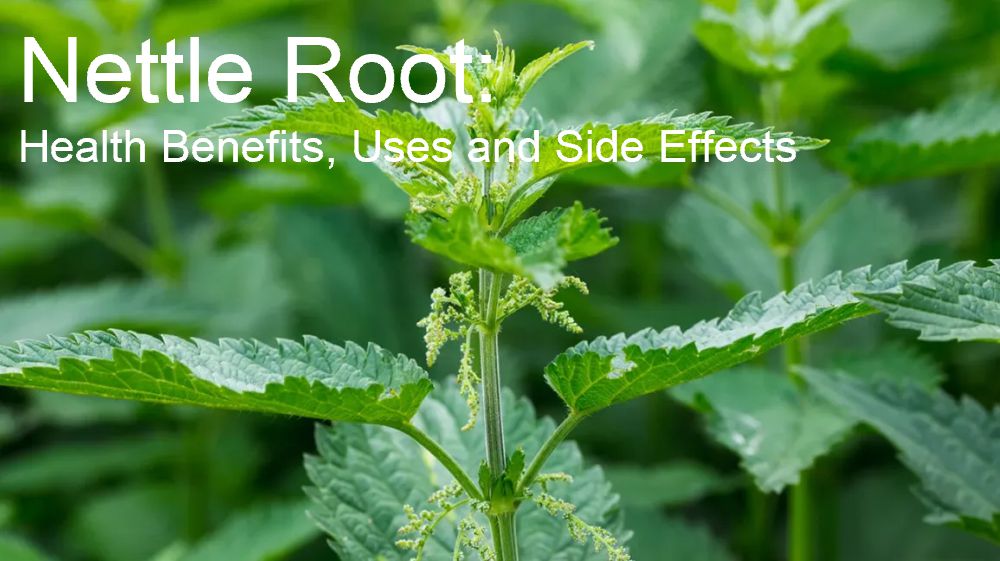
The stinging nettle plant, from which Nettle Root is obtained, is known for its remarkable health benefits. It has been used to address various health concerns, ranging from inflammation to digestive issues.
This article aims to provide an in-depth look at the health benefits, uses, and potential side effects of Nettle Root, helping readers understand its significance and how it can be incorporated into their health regimen.
Key Takeaways
- Nettle Root has been used in traditional medicine for its numerous health benefits.
- It is derived from the Urtica dioica plant, commonly known as stinging nettle.
- The root is rich in compounds that may help reduce inflammation.
- Nettle Root may aid in addressing digestive issues and other health concerns.
- Understanding its uses and side effects is crucial for safe consumption.
What is Nettle Root?
For centuries, the root of the stinging nettle has been utilized in various traditional medicine practices around the world. Stinging nettle, or Urtica dioica, is a perennial plant native to Europe, Asia, and North America, known for its medicinal properties.
Botanical Overview of Stinging Nettle (Urtica Dioica)
Urtica dioica, commonly known as stinging nettle, is a flowering plant that belongs to the Urticaceae family. It is characterized by its heart-shaped leaves and tiny hairs that cause irritation upon contact. Despite its defensive mechanism, the plant has been valued for its roots, leaves, and seeds in medical practices.
The Urtica dioica plant thrives in moist environments, often found in forests, along streams, and in shaded areas. Its root system is robust, allowing it to survive in a variety of conditions.
Historical Use of Nettle Root in Traditional Medicine
Nettle root has been a component of traditional medicine for centuries, used by various cultures for its therapeutic properties. Historically, it was used to treat joint pain, skin conditions, and as a diuretic.
In traditional practices, nettle root was often prepared as a tea or tincture. Its use was documented in ancient civilizations, where it was valued for its ability to alleviate symptoms of various ailments.
The Nutritional Profile of Nettle Root
Understanding the nutritional profile of nettle root is crucial for appreciating its health benefits. Nettle root, derived from the stinging nettle plant (Urtica dioica), is rich in various bioactive compounds that contribute to its medicinal properties.
Active Compounds in Nettle Root
Nettle root contains a variety of active compounds, including phytosterols, polysaccharides, and lectins. These compounds are believed to contribute to the root’s health benefits, particularly in relation to prostate health and inflammation reduction.
The presence of phenolic compounds and flavonoids in nettle root also adds to its antioxidant properties, helping to protect against oxidative stress and potentially reducing the risk of chronic diseases.
Difference Between Nettle Root and Nettle Leaf
While both nettle root and nettle leaf are used for their health benefits, they have distinct nutritional profiles. Nettle leaf is rich in vitamins A, C, and K, as well as minerals like calcium and iron. In contrast, nettle root is more focused in its composition, with a higher concentration of phytosterols and other compounds beneficial for prostate health.
The difference in composition between nettle root and leaf reflects their different traditional uses. Nettle leaf has been used for its general nutritional benefits and to support urinary health, whereas nettle root has been specifically used to support prostate health and alleviate symptoms associated with benign prostatic hyperplasia (BPH).
Key Health Benefits of Nettle Root
Nettle root is a powerhouse of nutrition and health benefits, backed by both traditional use and modern research. Its diverse range of benefits makes it a valuable supplement for overall health and wellness.
Prostate Health and Benign Prostatic Hyperplasia (BPH)
Nettle root is widely recognized for its positive effects on prostate health, particularly in alleviating symptoms of Benign Prostatic Hyperplasia (BPH). Studies have shown that it can help reduce the size of the prostate, improving urinary flow and decreasing the frequency of urination. This makes it a potential natural remedy for men experiencing BPH symptoms.
Anti-inflammatory Properties for Arthritis
The anti-inflammatory properties of nettle root make it beneficial for individuals suffering from arthritis. By reducing inflammation, it can help alleviate joint pain and improve mobility. This natural anti-inflammatory effect can be a valuable addition to conventional arthritis treatments.
Blood Sugar Regulation and Type 2 Diabetes
Nettle root has been found to have a positive impact on blood sugar levels, making it a potential adjunct therapy for type 2 diabetes. Research indicates that it can help regulate blood sugar, although more studies are needed to fully understand its effects.
Allergy Relief and Seasonal Allergies
Nettle root is also known for its ability to provide relief from seasonal allergies. Its natural antihistamine properties can help reduce the severity of allergy symptoms, offering a natural alternative to conventional allergy medications.
Other Potential Health Benefits
Beyond the mentioned benefits, nettle root may also support overall health by providing essential nutrients and antioxidants. Its versatility in health supplements makes it a popular choice for those looking to enhance their well-being naturally.
Scientific Research on Nettle Root
Recent years have seen a surge in clinical trials and research studies investigating the effects of nettle root on various health conditions. This growing body of evidence supports the traditional use of nettle root and provides insight into its potential therapeutic applications.
Clinical Trials on Prostate Health
Numerous clinical trials have focused on the impact of nettle root on prostate health, particularly in relation to benign prostatic hyperplasia (BPH). A notable study published in the Journal of Urology found that nettle root extract significantly improved urinary flow and reduced symptoms of BPH in patients.
Key findings from clinical trials on prostate health:
- Improved urinary flow rates
- Reduced symptoms of BPH
- Potential anti-proliferative effects on prostate cells
Studies on Anti-inflammatory Effects
Nettle root has been investigated for its anti-inflammatory properties, which may contribute to its potential benefits in conditions such as arthritis. Research has shown that extracts of nettle root can inhibit pro-inflammatory cytokines and enzymes, suggesting a mechanism by which it may exert anti-inflammatory effects.
A study in the Journal of Ethnopharmacology demonstrated that nettle root extract reduced inflammation and improved symptoms in animal models of arthritis.
Research on Blood Sugar Management
Emerging evidence suggests that nettle root may have a role in blood sugar management. Studies have indicated that nettle root extracts can influence glucose metabolism and improve insulin sensitivity.
A review of existing research on nettle root and blood sugar management highlighted the need for further clinical trials to fully understand its potential benefits and mechanisms of action.
How to Use Nettle Root
To harness the benefits of nettle root, it’s essential to understand the different ways it can be consumed and applied. Nettle root is a versatile herbal remedy that can be used in various forms to support overall health and address specific health concerns.
Available Forms of Nettle Root
Nettle root is available in several forms, making it easy to incorporate into your health regimen. The most common forms include supplements, teas, and topical applications.
Supplements and Extracts
Nettle root supplements are available in capsule or tablet form, offering a convenient way to consume a standardized dose. Extracts are concentrated forms that can be added to water or other beverages.
Teas and Infusions
Nettle root tea is made by steeping dried nettle root in hot water. This traditional method allows for the extraction of beneficial compounds into a soothing beverage.
Topical Applications
Nettle root can also be used topically in the form of creams, salves, or oils. These preparations are often used to relieve skin irritations and support joint health.
Recommended Dosage Guidelines
The recommended dosage of nettle root can vary depending on the form and the individual’s health status. Generally, a daily dose of 500-2000 mg of dried nettle root or equivalent extract is considered safe and effective.
It’s crucial to follow the manufacturer’s instructions and consult with a healthcare professional before starting any new supplement regimen, especially if you’re already taking medications or have underlying health conditions.
Harvesting and Preparing Nettle Root
Nettle root, known for its medicinal properties, requires careful handling during harvesting to ensure safety and efficacy. When done correctly, harvesting and preparing nettle root can be a straightforward process that yields a valuable natural resource for health supplements.
How to Identify and Harvest Stinging Nettle Safely
To harvest stinging nettle safely, it’s essential to correctly identify the plant. Stinging nettle (Urtica dioica) is characterized by its serrated leaves and stinging hairs. When handling the plant, wear protective clothing, including gloves, long sleeves, and eye protection, to avoid skin irritation.
- Identify the plant in its natural habitat, typically in moist, rich soil.
- Use scissors or pruning shears to cut the stems near the base.
- Avoid touching your face or eyes after handling the plant.
Processing and Preserving Nettle Root
After harvesting, the nettle root must be processed and preserved to maintain its potency. Start by drying the roots thoroughly to prevent mold and bacterial growth. This can be done by spreading them out in a single layer on a clean surface or using a food dehydrator on a low setting.
Key steps for preserving nettle root include:
- Drying: Ensure the roots are completely dry.
- Storage: Store dried roots in airtight containers.
- Labeling: Label containers with the date and contents.
By following these steps, you can enjoy the health benefits of nettle root throughout the year.
Potential Side Effects and Safety Concerns
Understanding the potential side effects of Nettle Root is essential for safe consumption. While it offers numerous health benefits, like any supplement, it can cause adverse effects in some individuals.
Common Side Effects
Nettle Root is generally well-tolerated, but some people may experience mild side effects. These can include:
- Stomach discomfort
- Nausea
- Diarrhea
These side effects are typically mild and temporary. However, if they persist or worsen, it’s advisable to consult a healthcare professional.
Allergic Reactions to Nettle Root
Although rare, allergic reactions to Nettle Root can occur. Symptoms may include:
- Rash
- Itching
- Swelling
- Difficulty breathing
If you experience any of these symptoms, discontinue use and seek medical attention immediately.
Safety During Pregnancy and Breastfeeding
The safety of Nettle Root during pregnancy and breastfeeding has not been extensively studied. As a precaution, pregnant or breastfeeding women should consult their healthcare provider before using Nettle Root supplements.
| Safety Considerations | Precautions |
|---|---|
| Pregnancy | Consult healthcare provider before use |
| Breastfeeding | Consult healthcare provider before use |
| Allergic Reactions | Discontinue use if symptoms occur |
In conclusion, while Nettle Root is a valuable natural remedy, being aware of its potential side effects and taking necessary precautions can ensure safe and effective use.
Drug Interactions with Nettle Root
It’s crucial to understand that nettle root, despite its health benefits, may interact with other medications. Nettle root can affect various bodily functions, potentially altering the efficacy or increasing the risk of side effects when taken alongside certain drugs. Therefore, it’s essential to be aware of these potential interactions to ensure safe usage.
Interactions with Blood Pressure Medications
Nettle root may interact with blood pressure medications, potentially causing hypotension or hypertension. Individuals on antihypertensive drugs should monitor their blood pressure closely when using nettle root supplements.
Interactions with Diabetes Medications
Nettle root may also affect blood sugar levels, potentially interacting with diabetes medications. People with diabetes should be cautious and monitor their blood glucose levels when taking nettle root, as it may enhance the effects of their medications, leading to hypoglycemia.
Interactions with Hormone Therapies
Nettle root can potentially interact with hormone therapies, including thyroid medications and hormonal contraceptives. Its effect on hormone levels may alter the efficacy or increase the risk of side effects associated with these therapies.
Other Potential Drug Interactions
Apart from the mentioned interactions, nettle root may also interact with other medications, including blood thinners and certain psychiatric medications. It’s advisable to consult a healthcare professional before using nettle root, especially if you’re on any prescription medication.
| Medication Type | Potential Interaction with Nettle Root |
|---|---|
| Blood Pressure Medications | May cause hypotension or hypertension |
| Diabetes Medications | May enhance effects, leading to hypoglycemia |
| Hormone Therapies | May alter efficacy or increase side effects |
| Blood Thinners | Potential increased risk of bleeding |
Conclusion
Nettle root has emerged as a valuable natural remedy, offering numerous health benefits and uses. The key advantages of incorporating nettle root into one’s health regimen include its potential to support prostate health, reduce inflammation, and regulate blood sugar levels.
When considering the uses of nettle root, it’s essential to be aware of its various forms, such as capsules, tinctures, and teas, as well as the recommended dosages. Ensuring safe usage involves understanding potential interactions with medications and being mindful of allergic reactions.
In conclusion, nettle root benefits encompass a range of health-promoting properties, making it a versatile supplement for overall well-being. By understanding its uses and being aware of safety considerations, individuals can harness the potential of nettle root to support their health.
As with any supplement, consulting a healthcare professional before adding nettle root to your regimen is advisable to ensure safe and effective use.
FAQ
What are the health benefits of stinging nettle root?
Stinging nettle root is known for its potential to support prostate health, reduce inflammation, and regulate blood sugar levels. It may also provide relief from seasonal allergies and have anti-inflammatory properties.
Can stinging nettle root help with benign prostatic hyperplasia (BPH)?
Yes, stinging nettle root may help alleviate symptoms of BPH, such as enlarged prostate, by reducing the size of the prostate and improving urinary flow.
How does stinging nettle root affect blood sugar levels?
Stinging nettle root may help regulate blood sugar levels and improve insulin sensitivity, making it potentially beneficial for individuals with type 2 diabetes.
Can I use stinging nettle root if I’m taking medications for diabetes?
If you’re taking diabetes medications, consult with your healthcare provider before using stinging nettle root, as it may interact with your medications or affect your blood sugar levels.
Are there any potential side effects of using stinging nettle root?
Common side effects of stinging nettle root include allergic reactions, stomach upset, and interactions with certain medications. Pregnant or breastfeeding women should exercise caution when using stinging nettle root.
How should I harvest stinging nettle root safely?
When harvesting stinging nettle root, wear protective clothing, including gloves and long sleeves, to avoid skin irritation. Identify the plant carefully and harvest the roots in the fall or early spring.
Can I use stinging nettle root topically?
Yes, stinging nettle root can be used topically in the form of creams or ointments to relieve pain and inflammation. However, be cautious of potential skin irritation.
What is the recommended dosage of stinging nettle root?
The recommended dosage of stinging nettle root varies depending on the form and individual needs. Consult with a healthcare professional to determine the best dosage for your specific health concerns.
Can stinging nettle root interact with blood pressure medications?
Yes, stinging nettle root may interact with blood pressure medications, potentially affecting blood pressure levels. Consult with your healthcare provider if you’re taking blood pressure medications.
Is stinging nettle root safe for pregnant or breastfeeding women?
Pregnant or breastfeeding women should consult with their healthcare provider before using stinging nettle root, as its safety during these periods is not well established.