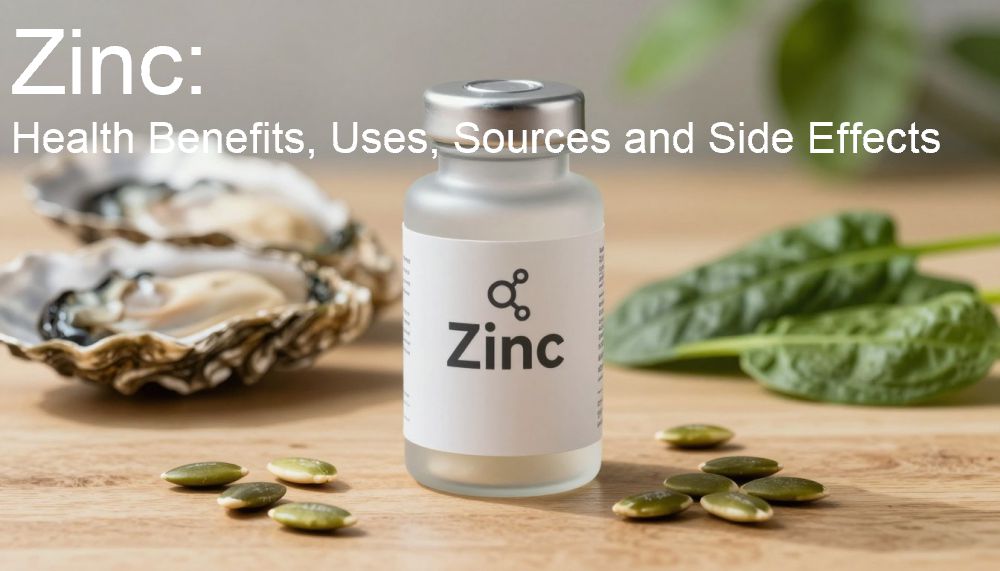
Zinc is an essential mineral that plays a crucial role in various bodily functions, including immune function, wound healing, and protein synthesis. Despite its importance, many individuals suffer from zinc deficiency, which can lead to a range of health issues.
Understanding the health benefits of zinc is vital for maintaining overall well-being. This article will explore the various uses of zinc, including its role in supplements and topical applications like zinc oxide. We will also discuss the best sources of zinc and potential side effects of excessive intake.
Key Takeaways
- Zinc plays a crucial role in immune function and wound healing.
- A deficiency in zinc can lead to various health issues.
- Zinc supplements can help alleviate deficiency symptoms.
- Topical zinc oxide is used for skin protection and wound care.
- A balanced diet can provide adequate zinc intake.
What is Zinc and Why is it Important?
As an essential mineral, zinc is involved in various physiological processes that keep our bodies functioning properly. It is crucial for maintaining overall health and is a key player in numerous bodily functions.
The Role of Zinc as an Essential Mineral
Zinc is considered an essential mineral because it cannot be produced by the body and must be obtained through diet or supplements. It is vital for immune function, cellular metabolism, and DNA synthesis. Without sufficient zinc, our bodies would be unable to perform these critical functions.
How Zinc Functions in the Body
Zinc plays a multifaceted role in the body, influencing various aspects of our health. Two of its primary functions are in cellular metabolism and protein structure.
Cellular Metabolism and DNA Synthesis
Zinc is a cofactor for many enzymes involved in cellular metabolism and DNA synthesis. It helps in the breakdown of nutrients and the synthesis of new DNA, ensuring that cells can divide and grow properly.
Protein Structure and Enzyme Function
Zinc is also crucial for maintaining the structure of proteins and the function of enzymes. It acts as a catalyst for numerous biochemical reactions, facilitating the proper functioning of proteins and enzymes in the body.
| Biological Process | Zinc’s Role |
|---|---|
| Cellular Metabolism | Cofactor for enzymes involved in metabolic pathways |
| DNA Synthesis | Essential for the synthesis of new DNA |
| Protein Structure | Maintains the structure and function of proteins |
| Enzyme Function | Catalyst for numerous biochemical reactions |
The Health Benefits of Zinc
With its wide range of health benefits, zinc is a vital nutrient that supports immune function, wound healing, and more. This essential mineral plays a crucial role in various bodily functions, making it indispensable for overall health.
Immune System Support
Zinc is renowned for its significant contribution to immune system function. It helps in the activation of cells important for fighting off infections and viruses.
Fighting Infections and Viruses
Zinc’s role in immune response is multifaceted. It supports the functioning of various immune cells, such as T-cells, which are vital for combating pathogens. As “Zinc is crucial for the proper functioning of the immune system, acting as a key regulator of immune responses.”
Reducing Duration of Common Cold
Research has shown that zinc supplementation can reduce the duration and severity of the common cold. It is believed that zinc’s antiviral properties help in fighting off the viruses that cause colds.
Wound Healing Properties
Zinc is also known for its role in wound healing. It is involved in various stages of the healing process, including inflammation, tissue repair, and tissue regeneration. Adequate zinc levels are necessary for optimal wound healing.
Growth and Development
Zinc is essential for growth and development, particularly during childhood, adolescence, and pregnancy. It is involved in protein synthesis and cell division, making it a critical nutrient for the development of tissues.
Hormonal Balance and Reproductive Health
Zinc plays a significant role in maintaining hormonal balance and supporting reproductive health in both men and women. It is involved in the regulation of hormone levels and supports the health of reproductive organs.
In conclusion, zinc’s health benefits are diverse and impactful. Ensuring adequate zinc intake is crucial for supporting immune function, wound healing, growth, and reproductive health.
Zinc and Eye Health
Maintaining adequate zinc levels is vital for eye health, given its role in preventing certain eye disorders. Zinc is an essential mineral that supports various bodily functions, including those related to vision and eye health.
Prevention of Age-Related Macular Degeneration
Zinc has been shown to play a significant role in preventing age-related macular degeneration (AMD), a condition that can lead to vision loss in older adults. Studies have indicated that zinc supplementation can help reduce the risk of developing AMD or slow its progression.
Research on Zinc and Vision Loss in Older Adults
Research has highlighted the importance of zinc in maintaining eye health, particularly in older adults. Zinc’s antioxidant properties help protect the eyes against damage caused by free radicals, which can contribute to vision loss.
Key findings include:
- Zinc supplementation can reduce the risk of vision loss in older adults.
- Adequate zinc levels are associated with better eye health and a lower risk of age-related eye diseases.
- Zinc deficiency is more common in older adults, making supplementation potentially beneficial for this age group.
Zinc’s Role in Night Vision
Zinc is also crucial for night vision. It is involved in the production of melanin, a pigment that helps the eye adjust to changes in light. Adequate zinc levels can improve night vision and reduce the risk of night blindness.
In conclusion, zinc is essential for maintaining good eye health, preventing age-related macular degeneration, and supporting night vision. Ensuring adequate zinc intake through diet or supplementation is vital for overall eye health.
Zinc Deficiency: Causes and Symptoms
Zinc deficiency is a widespread nutritional issue that affects millions of people worldwide, causing a range of health problems. Understanding the risk factors and recognizing the symptoms are crucial for early intervention and treatment.
Risk Factors for Zinc Deficiency
Several factors can increase the risk of developing a zinc deficiency. These include inadequate dietary intake, certain medical conditions, and increased requirements during pregnancy and lactation. Poor nutrition is a significant risk factor, particularly in regions where access to zinc-rich foods is limited.
Common Signs of Low Zinc Levels
Physical Symptoms
Physical symptoms of zinc deficiency can include hair loss, impaired wound healing, and skin problems. In severe cases, it can lead to growth retardation in children and adolescents.
Cognitive and Mood Effects
Zinc deficiency can also affect cognitive function and mood, leading to symptoms such as irritability, depression, and difficulties with concentration and memory.
High-Risk Populations
Certain populations are at a higher risk of zinc deficiency. These include older adults, whose ability to absorb zinc may be reduced; vegetarians and vegans, who may have lower zinc intake due to the lower bioavailability of zinc from plant-based sources; and individuals with digestive disorders, such as Crohn’s disease, which can impair zinc absorption.
Older Adults
Older adults are at an increased risk due to factors like decreased dietary intake and reduced absorption efficiency.
Vegetarians and Vegans
Vegetarians and vegans need to be particularly mindful of their zinc intake, as the zinc in plant-based foods is not as easily absorbed by the body.
People with Digestive Disorders
Individuals with conditions like Crohn’s disease or ulcerative colitis are at a higher risk due to malabsorption.
Recognizing the risk factors and symptoms of zinc deficiency is crucial for timely intervention. If you suspect you or someone else might be at risk, consulting a healthcare professional is the first step towards diagnosis and treatment.
Scientific Research on Zinc Supplementation
The impact of zinc supplementation on human health has been explored through rigorous scientific research, providing valuable insights into its potential benefits and effectiveness.
Meta-Analysis of Randomized Controlled Trials
Several meta-analyses have been conducted on randomized controlled trials to assess the efficacy of zinc supplementation. A notable meta-analysis published in the Journal of the American Medical Association (JAMA) found that zinc supplementation significantly reduced the incidence of diarrhea and pneumonia in children, highlighting its potential in preventing common infections.
Key Findings from Meta-Analyses:
| Study | Population | Outcome |
|---|---|---|
| JAMA Meta-Analysis | Children under 5 | Reduced incidence of diarrhea and pneumonia |
| Cochrane Review | Children and adults | Zinc supplementation reduced duration and severity of cold symptoms |
Systematic Reviews on Zinc Effectiveness
Systematic reviews have further elucidated the effectiveness of zinc supplementation across various health conditions. A review published in the journal Nutrients concluded that zinc plays a crucial role in immune function and that supplementation can be beneficial for individuals with zinc deficiency or insufficiency.
“Zinc supplementation has been shown to have a positive impact on immune function, particularly in populations with zinc deficiency.” –
Nutrients Journal
Current Research Directions
Current research is exploring the potential benefits of zinc supplementation in other areas, such as cognitive function, cardiovascular health, and the management of chronic diseases. Ongoing studies are also investigating optimal dosages and formulations of zinc supplements to maximize efficacy and minimize side effects.
As research continues to evolve, the role of zinc supplementation in maintaining and improving health outcomes is becoming increasingly clear, underscoring its importance as a dietary supplement.
Recommended Zinc Intake
Understanding the recommended zinc intake is crucial for maintaining optimal health. Zinc is an essential mineral that plays a significant role in various bodily functions, including immune function, wound healing, and protein synthesis.
Daily Requirements by Age and Gender
The daily recommended intake of zinc varies by age and gender. For adult men, the recommended dietary allowance (RDA) is 11 mg per day, while for adult women, it is 8 mg per day.
- Infants 0-6 months: 2 mg/day
- Infants 7-12 months: 3 mg/day
- Children 1-3 years: 3 mg/day
- Children 4-8 years: 5 mg/day
- Males 9-13 years: 8 mg/day
- Males 14 years and above: 11 mg/day
- Females 9-13 years: 8 mg/day
- Females 14 years and above: 8 mg/day
Special Requirements During Pregnancy and Lactation
Pregnant and lactating women have different zinc requirements. During pregnancy, the RDA increases to 11 mg per day, and during lactation, it is 12 mg per day. Ensuring adequate zinc intake during these periods is crucial for both the mother’s and the baby’s health.
Upper Limits and Safe Dosages
While zinc is essential, excessive intake can be harmful. The tolerable upper intake level (UL) for zinc is 40 mg per day for adults. Taking more than this amount can lead to adverse effects such as nausea, vomiting, and impaired immune function. It’s essential to be mindful of zinc intake from both food and supplements to avoid exceeding the UL.
Food Sources of Zinc
Incorporating zinc-rich foods into your diet is crucial for maintaining overall health. Zinc is an essential mineral that plays a significant role in various bodily functions, including immune function, wound healing, and protein synthesis. A well-balanced diet that includes a variety of zinc-rich foods can help meet your daily zinc needs.
Animal-Based Zinc Sources
Animal-based foods are among the richest sources of zinc. These foods provide a highly bioavailable form of zinc, meaning the body can easily absorb it.
Seafood and Shellfish
Seafood, particularly oysters, crab, and lobster, are exceptionally high in zinc. For example, a single serving of oysters can provide more than the recommended daily intake of zinc.
Meat and Poultry
Meat and poultry are also good sources of zinc. Red meat, such as beef and lamb, and poultry like chicken and turkey, contain significant amounts of zinc. Organ meats, such as liver, are particularly rich in zinc.
Plant-Based Zinc Sources
While zinc is more readily available in animal products, plant-based foods can also contribute to your daily zinc intake.
Legumes and Nuts
Legumes, including chickpeas, black beans, and kidney beans, are good sources of zinc. Nuts and seeds, such as pumpkin seeds, sunflower seeds, and cashews, also contain zinc, although the bioavailability may be lower compared to animal sources.
Whole Grains and Seeds
Whole grains like brown rice, quinoa, and whole-wheat bread contain zinc, although the amount may vary. Certain seeds, such as pumpkin seeds, are particularly zinc-rich.
Factors Affecting Zinc Absorption from Foods
The absorption of zinc from food can be influenced by several factors. Phytates, found in whole grains and legumes, can inhibit zinc absorption. On the other hand, vitamin C and certain amino acids can enhance zinc absorption.
| Food Source | Zinc Content (mg per serving) |
|---|---|
| Oysters | 76.7 |
| Beef | 7.0 |
| Chicken | 2.4 |
| Pumpkin Seeds | 2.6 |
| Cashews | 2.2 |
Understanding the various food sources of zinc and the factors that affect its absorption can help you make informed dietary choices to meet your zinc needs.
Types of Zinc Supplements
When it comes to zinc supplementation, the type of zinc used can significantly impact its effectiveness. Different forms of zinc have varying levels of absorption and bioavailability, making some more suitable for specific needs than others.
Zinc Gluconate
Zinc gluconate is one of the most common forms of zinc supplements. It is created by combining zinc with gluconic acid and is known for its ability to support immune function.
Zinc Citrate
Zinc citrate is another popular form, known for its high bioavailability. It is often used in supplements because it is gentle on the stomach and effectively supports immune health.
Zinc Acetate
Zinc acetate is used in lozenges to help combat the common cold. It is believed to have a direct effect on the virus, reducing the duration and severity of cold symptoms.
Zinc Oxide
Zinc oxide is commonly used in topical applications, such as creams and ointments, due to its protective and soothing properties on the skin.
Zinc Sulfate
Zinc sulfate is a form of zinc that is often used to treat zinc deficiency. It is also used in some eye drops to treat certain eye conditions.
Other Forms of Zinc
Other notable forms include:
Zinc Picolinate
Zinc picolinate is known for its high absorption rate, making it a popular choice among those looking to maximize their zinc intake.
Zinc Orotate
Zinc orotate is bound to orotic acid, which may enhance its absorption and utilization by the body.
Zinc Aspartate
Zinc aspartate is chelated to aspartic acid, potentially improving its bioavailability and effectiveness.
| Type of Zinc | Bioavailability | Common Use |
|---|---|---|
| Zinc Gluconate | Moderate | Immune Support |
| Zinc Citrate | High | Immune Support, Gentle on Stomach |
| Zinc Acetate | High | Cold Lozenges |
| Zinc Oxide | Low | Topical Skin Protection |
| Zinc Sulfate | High | Treatment of Zinc Deficiency |
Potential Side Effects and Risks of Zinc
While zinc is an essential mineral for overall health, excessive intake can lead to adverse effects. It’s crucial to understand these potential risks to maximize the benefits of zinc supplementation while minimizing its downsides.
Common Side Effects
Zinc supplementation can cause gastrointestinal discomfort, including nausea, vomiting, and diarrhea, especially when taken in high doses. These effects are typically mild and transient but can be bothersome for some individuals.
Zinc Toxicity
Excessive zinc intake can lead to toxicity, characterized by symptoms such as headaches, dizziness, and impaired immune function. In severe cases, it can cause more serious health issues.
Interactions with Other Minerals
Zinc can interact with other minerals, affecting their absorption and utilization in the body.
Copper Depletion
High zinc intake can lead to copper depletion, as zinc and copper compete for absorption in the gut. Copper is crucial for various bodily functions, including the production of red blood cells.
Iron Absorption
Zinc can also affect iron absorption, potentially leading to iron deficiency over time if not balanced properly.
| Mineral | Interaction with Zinc | Potential Effect |
|---|---|---|
| Copper | Competes for absorption | Copper depletion |
| Iron | Affects absorption | Iron deficiency |
Drug Interactions
Zinc can interact with certain medications, including antibiotics and diuretics. It’s essential to consult with a healthcare provider before starting zinc supplementation, especially if you’re already taking other medications.
Conclusion
In conclusion, zinc is an essential mineral that plays a vital role in maintaining overall health. The health benefits of zinc are numerous, ranging from supporting immune function and wound healing to promoting growth and development.
A zinc summary highlights its importance in various bodily functions, including hormonal balance and reproductive health. Ensuring adequate zinc intake through diet or supplementation is crucial, particularly for individuals at risk of deficiency.
The importance of zinc cannot be overstated, and zinc supplementation can be beneficial for those who are deficient or at risk of deficiency. However, it is essential to be aware of the potential side effects and risks associated with excessive zinc intake.
By understanding the role of zinc in maintaining overall health and taking steps to ensure adequate intake, individuals can harness the benefits of this crucial mineral.
FAQ
What are the benefits of taking zinc supplements?
Zinc supplements can support immune function, wound healing, and growth and development. They may also help reduce the duration of the common cold and support eye health by preventing age-related macular degeneration.
How much zinc should I take daily?
The recommended daily intake of zinc varies by age and gender. Generally, adults need about 8-11 mg of zinc per day. Pregnant and lactating women may require more. It’s essential to consult with a healthcare professional to determine the right dosage for your needs.
What are the symptoms of zinc deficiency?
Common signs of zinc deficiency include impaired immune function, slow wound healing, hair loss, and skin problems. Cognitive and mood effects like depression and anxiety can also occur. Certain populations, such as older adults, vegetarians, and people with digestive disorders, are at higher risk.
Can zinc supplements cause side effects?
Yes, high doses of zinc can cause side effects like nausea, vomiting, diarrhea, and headaches. Long-term excessive zinc intake can lead to copper depletion and potentially interact with other minerals and medications.
What forms of zinc are available in supplements?
Zinc supplements come in various forms, including zinc gluconate, zinc citrate, zinc acetate, zinc oxide, and zinc sulfate. Other forms like zinc picolinate, zinc orotate, and zinc aspartate are also available. The choice of form may depend on individual needs and preferences.
How does zinc interact with other nutrients?
Zinc can interact with other minerals like copper and iron. High zinc intake may lead to copper depletion, while zinc can also affect iron absorption. It’s crucial to maintain a balanced intake of these minerals.
Can zinc help with age-related macular degeneration?
Research suggests that zinc may help reduce the risk of age-related macular degeneration and slow vision loss in older adults. Zinc plays a role in maintaining eye health, and adequate levels are essential for preventing vision problems.
Are there any specific groups that should be cautious with zinc supplementation?
Yes, certain groups, such as people with digestive disorders, vegetarians, and vegans, may need to be cautious with zinc supplementation due to potential deficiencies or interactions. Older adults should also be mindful of their zinc intake to support overall health.
Can I get enough zinc from my diet alone?
It’s possible to get enough zinc from a balanced diet that includes zinc-rich foods like seafood, meat, poultry, legumes, nuts, and whole grains. However, some individuals may require supplements, especially if they have a restricted diet or certain health conditions.
How long does it take to see the effects of zinc supplementation?
The time it takes to see the effects of zinc supplementation can vary depending on individual needs and the specific benefits being targeted. Some people may notice improvements in immune function or wound healing within a few weeks, while others may need longer-term supplementation.