Keeping sharp vision is a major goal for many Americans today. You might have already heard about a powerful carotenoid that works wonders for your eye health. This natural pigment lives in colorful vegetables and plays a vital role in protecting your sight from bright light and damage.
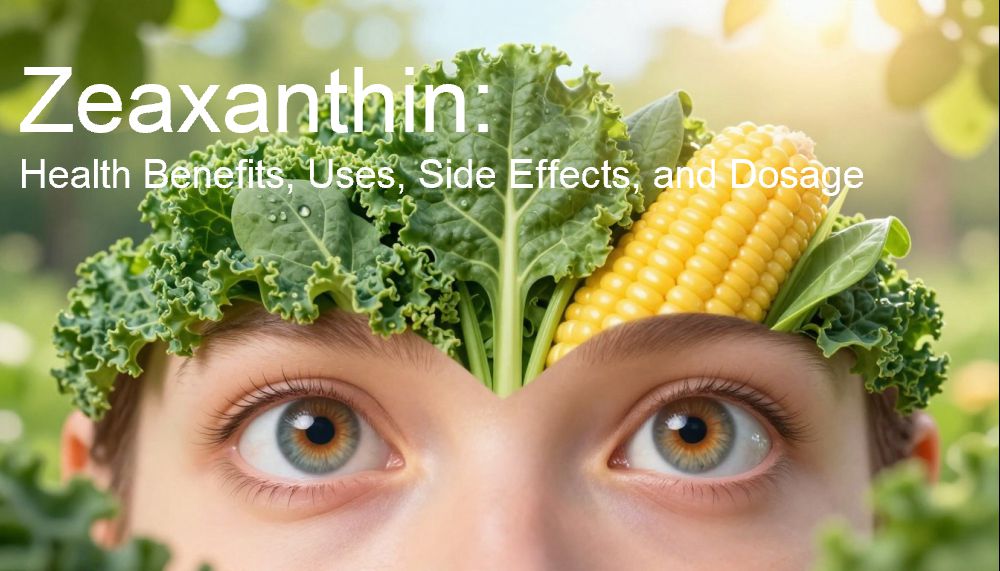
When we talk about lutein and zeaxanthin, we are looking at two vital nutrients for your eyes. Learning the various health benefits and uses of this compound can help you make better choices for your daily routine. These nutrients act like internal sunglasses for your retina to keep things clear.
Finding the right dosage is key to avoiding any potential side effects. In this guide, we will dive deep into why this specific molecule is so vital for your body. We will also show how you can naturally include it in your diet for clear sight. Staying informed helps you maintain your long-term well-being and focus.
Key Takeaways
- Protects your eyes from harmful blue light sources.
- Supports long-term focus and keeps your vision sharp.
- Works best when paired with other vital nutrients.
- Naturally exists in leafy green vegetables and egg yolks.
- Usually safe for most adults with very few known issues.
- Helps lower oxidative stress in your delicate eye cells.
What is Zeaxanthin?
As a powerful carotenoid, Zeaxanthin is crucial for protecting the eyes and overall well-being. It is closely related to lutein and together they play a significant role in maintaining healthy vision.
Understanding This Powerful Carotenoid
Zeaxanthin is a type of carotenoid, a class of pigments found naturally in plants and animals. It is known for its strong antioxidant properties, which help protect cells from damage caused by free radicals.
Key characteristics of Zeaxanthin include:
- Antioxidant properties
- Presence in the retina, specifically in the macula
- Ability to filter blue light
- Role in protecting eye health
How Zeaxanthin Functions as an Antioxidant
Zeaxanthin acts as an antioxidant by neutralizing free radicals, thereby reducing oxidative stress in the body. This function is crucial for protecting the eyes and other tissues from damage.
Where Zeaxanthin is Found in the Body
Zeaxanthin is primarily found in the retina, concentrated in the macula, a small area responsible for central vision and fine detail. The macula contains a high amount of Zeaxanthin and lutein, which together form the macular pigment.
| Location in the Body | Function of Zeaxanthin |
|---|---|
| Retina, specifically in the macula | Protects against blue light damage and oxidative stress |
| Eyes | Supports healthy vision and reduces risk of age-related macular degeneration |
The Connection Between Lutein and Zeaxanthin
Lutein and zeaxanthin, often found together in foods and supplements, have a synergistic relationship that enhances their individual benefits. This synergy is crucial for their role in supporting eye health and protecting vision.
Key Similarities and Differences
Lutein and zeaxanthin are both carotenoids, a class of pigments that are known for their antioxidant properties. While they share some similarities, they also have distinct differences in their molecular structure and function. Zeaxanthin is more effective at filtering out blue light, which is a high-energy visible (HEV) light that can cause damage to the retina.
Their similarities include their ability to act as antioxidants, neutralizing free radicals that can cause oxidative stress and damage to the eyes. However, lutein is more prevalent in the peripheral retina, while zeaxanthin is more concentrated in the central retina, particularly in the macula.
Why These Carotenoids Work Together
The combination of lutein and zeaxanthin is more effective than either carotenoid alone because they work together to protect the eyes from various forms of damage. They complement each other’s functions, with lutein providing broader antioxidant protection and zeaxanthin offering more specific protection against blue light.
Combined Benefits for Vision
Together, lutein and zeaxanthin help to maintain the health of the macula, the part of the retina responsible for central vision. They reduce the risk of age-related macular degeneration (AMD) and cataracts, and they improve visual acuity. By protecting the eyes from oxidative stress and blue light damage, they support long-term eye health and vision.
The macular pigment, composed of lutein and zeaxanthin, acts as a natural filter that protects the eyes from damage. A higher density of macular pigment is associated with better eye health and a lower risk of eye diseases.
Comprehensive Health Benefits of Zeaxanthin
The health benefits of Zeaxanthin are multifaceted, ranging from protecting vision to reducing oxidative stress. This powerful carotenoid has been extensively researched for its role in maintaining eye health and overall well-being.
Protection Against Age-Related Macular Degeneration
Age-related macular degeneration (AMD) is a leading cause of vision loss among older adults. Zeaxanthin plays a crucial role in protecting against this condition.
How Zeaxanthin Reduces AMD Risk
Zeaxanthin accumulates in the macula, where it neutralizes free radicals and absorbs blue light, thereby reducing the risk of AMD. By protecting the macula, Zeaxanthin helps maintain sharp, central vision.
Research Findings on AMD Prevention
Numerous studies have demonstrated that Zeaxanthin supplementation can significantly reduce the risk of AMD.
“The AREDS2 study found that a supplement containing Zeaxanthin, along with other nutrients, reduced the risk of AMD progression by 25%.”
These findings underscore the importance of Zeaxanthin in AMD prevention and highlight its potential to slow disease progression.
Preventing and Slowing Cataract Formation
Zeaxanthin has also been shown to help prevent and slow the formation of cataracts. By reducing oxidative stress in the lens of the eye, Zeaxanthin contributes to maintaining lens clarity.
Shielding Eyes from Blue Light Damage
In today’s digital age, exposure to blue light from screens is increasingly common. Zeaxanthin helps shield the eyes from this potentially damaging light, reducing the risk of digital eye strain and long-term damage.
Fighting Free Radicals and Oxidative Stress
As a potent antioxidant, Zeaxanthin is effective at neutralizing free radicals and reducing oxidative stress throughout the body. This action helps protect cells from damage and supports overall health.
Reducing Inflammation Throughout the Body
Chronic inflammation is associated with various health conditions. Zeaxanthin has been found to have anti-inflammatory properties, which can help reduce inflammation and promote overall well-being.
How Zeaxanthin Protects and Supports Eye Health
Zeaxanthin’s role in maintaining eye health is multifaceted and crucial for overall vision well-being. This powerful carotenoid is specifically concentrated in the eye, where it performs several critical functions that protect vision and eye health.
The Critical Role in the Macula and Retina
The macula, a small but vital area at the center of the retina, is responsible for sharp, central vision. Zeaxanthin is a key component of the macular pigment, along with lutein, and plays a crucial role in protecting this sensitive area from damage.
By accumulating in the macula, Zeaxanthin helps to absorb blue light, a high-energy visible (HEV) light that can cause damage to the retina. This absorption reduces the risk of light-induced oxidative stress, thereby protecting the macula and supporting overall eye health.
Building Macular Pigment Density
Macular pigment density is an important indicator of eye health, and Zeaxanthin is crucial for maintaining this density. A higher macular pigment density is associated with a lower risk of age-related macular degeneration, a leading cause of vision loss in older adults.
Studies have shown that supplementing with Zeaxanthin can increase macular pigment density, thereby enhancing the protective barrier against oxidative stress and blue light damage.
Preventing Vision Loss in Older Adults
Age-related macular degeneration (AMD) is a significant concern for older adults, as it can lead to irreversible vision loss. Zeaxanthin has been shown to play a protective role against AMD, helping to preserve vision and reduce the risk of disease progression.
By protecting the macula and retina from oxidative damage, Zeaxanthin contributes to maintaining healthy vision throughout the aging process.
Protection Mechanisms Against Eye Disease
Zeaxanthin’s protective mechanisms against eye disease are multifaceted. It not only absorbs blue light but also acts as an antioxidant, neutralizing free radicals that could otherwise damage eye tissues.
This dual action helps to safeguard the eyes against various forms of damage, supporting overall eye health and reducing the risk of eye diseases.
Food Sources and Dietary Sources of Zeaxanthin
Zeaxanthin is found in various foods, offering a natural way to support eye health. A diet rich in certain fruits, vegetables, and other nutrient-dense foods can provide adequate zeaxanthin intake.
Foods Rich in Zeaxanthin
Several food groups are particularly high in zeaxanthin. These include leafy green vegetables, colorful fruits and vegetables, and certain animal products.
Leafy Green Vegetables
Leafy greens such as kale and spinach are among the richest sources of zeaxanthin. Incorporating these into your diet can significantly boost your zeaxanthin levels.
Colorful Fruits and Vegetables
Fruits and vegetables with vibrant colors, such as corn, orange peppers, and goji berries, are also high in zeaxanthin. The pigment responsible for their color is often associated with high zeaxanthin content.
Eggs and Other Animal Sources
Eggs, particularly those from hens fed zeaxanthin-enriched diets, can be a good source of this carotenoid. Other animal sources may include certain types of fish and poultry, depending on their diet.
Getting Enough Zeaxanthin from Your Diet
To ensure adequate zeaxanthin intake, it’s essential to consume a varied diet that includes a range of zeaxanthin-rich foods. The table below provides a summary of some key dietary sources.
| Food | Zeaxanthin Content | Serving Size |
|---|---|---|
| Kale | High | 1 cup cooked |
| Spinach | High | 1 cup cooked |
| Corn | Moderate | 1 cup cooked |
| Eggs | Variable | 2 large eggs |
| Goji Berries | Moderate | 1/4 cup dried |
Bioavailability and Dietary Variety Considerations
The bioavailability of zeaxanthin can vary based on the food source and preparation method. Consuming a variety of zeaxanthin-rich foods and being mindful of cooking methods can help maximize intake.
For instance, cooking vegetables can enhance the bioavailability of zeaxanthin. Additionally, consuming these foods with a source of fat can improve absorption.
Zeaxanthin Supplement Uses and Benefits
For individuals with inadequate dietary intake or at risk of eye diseases, zeaxanthin supplementation can be a valuable addition to their health regimen. Zeaxanthin supplements are designed to support eye health and provide essential nutrients that may be lacking in one’s diet.
When Supplementation Makes Sense
Supplementation with zeaxanthin is particularly beneficial for individuals who have a high risk of eye diseases or those who do not consume enough zeaxanthin-rich foods. This includes older adults, smokers, and people with a family history of age-related macular degeneration.
Key groups that may benefit from zeaxanthin supplementation:
- Older adults at risk of age-related macular degeneration
- Individuals with a family history of eye diseases
- Smokers and those exposed to high levels of UV radiation
- People with diets lacking in fruits and vegetables rich in zeaxanthin
Types of Zeaxanthin Supplements Available
Zeaxanthin supplements come in various forms, including capsules, tablets, and softgels. Some supplements contain zeaxanthin alone, while others combine it with other nutrients like lutein, omega-3 fatty acids, and vitamins.
Common types of zeaxanthin supplements:
| Supplement Type | Description | Key Benefits |
|---|---|---|
| Zeaxanthin alone | Contains zeaxanthin as the primary ingredient | Supports macular health and protects against blue light damage |
| Lutein and Zeaxanthin combination | Combines zeaxanthin with lutein for enhanced eye health benefits | Enhances macular pigment density and protects against age-related macular degeneration |
| Multinutrient formulas | Includes zeaxanthin along with other nutrients like omega-3 fatty acids and vitamins | Provides comprehensive support for eye health and overall well-being |
Lutein and Zeaxanthin Combination Supplements
Lutein and zeaxanthin combination supplements are popular due to their synergistic benefits for eye health. These carotenoids work together to protect the eyes and support vision.
Benefits of combination supplements:
- Enhanced protection against age-related macular degeneration
- Improved macular pigment density
- Better protection against blue light damage
Supplements Designed to Support Eye Health
Many supplements are specifically formulated to support eye health, containing a blend of nutrients that are beneficial for the eyes. These may include zeaxanthin, lutein, omega-3 fatty acids, and other essential vitamins and minerals.
When choosing a supplement, it’s essential to consider the formulation, dosage, and additional ingredients to ensure it meets your individual needs.
Recommended Dosage of Zeaxanthin
Understanding the correct dosage of Zeaxanthin is crucial for maximizing its health benefits. The optimal dosage can vary based on health conditions and individual needs.
Standard Daily Intake Guidelines
When considering Zeaxanthin supplementation, it’s essential to understand the standard daily intake guidelines. These guidelines provide a foundation for safe and effective use.
Typical Dosage Range
The typical dosage range for Zeaxanthin varies, but most studies suggest that a daily intake between 1-2 mg is beneficial for eye health. Some research indicates that higher doses may be necessary for specific conditions.
National Institutes of Health Recommendations
The National Institutes of Health (NIH) provides guidance on various nutrients, including carotenoids like Zeaxanthin. While specific recommendations for Zeaxanthin dosage may not be established, the NIH suggests that a balanced diet rich in fruits and vegetables can provide adequate amounts.
| Condition | Recommended Daily Dosage | Duration |
|---|---|---|
| General Eye Health | 1-2 mg | Ongoing |
| AMD Prevention | 2-4 mg | Ongoing |
| Therapeutic Use for Eye Disease | 4-10 mg | As directed by a healthcare provider |
Dosage for Specific Health Conditions
Different health conditions may require adjusted dosages of Zeaxanthin. For instance, individuals at risk for Age-related Macular Degeneration (AMD) may benefit from a higher intake.
Dosage for AMD Prevention
For AMD prevention, studies have shown that a daily dosage of 2-4 mg of Zeaxanthin, often in combination with Lutein, can be beneficial.
Therapeutic Doses for Eye Disease
In cases of existing eye disease, therapeutic doses ranging from 4-10 mg per day may be recommended under the guidance of a healthcare professional.
Factors That Affect Optimal Zeaxanthin Intake
Several factors can influence the optimal intake of Zeaxanthin, including age, dietary habits, and the presence of certain health conditions.
For example, older adults or individuals with a family history of eye diseases may require a different dosage compared to younger individuals or those without such risk factors.
Side Effects of Zeaxanthin and Safety Profile
As with any supplement, the safety and potential side effects of Zeaxanthin are vital considerations. Zeaxanthin is generally considered safe when taken as directed, but understanding its safety profile is crucial for individuals considering supplementation.
Is Zeaxanthin Safe When Taken as Directed?
Zeaxanthin is typically regarded as safe when consumed according to recommended guidelines. Research and clinical studies have not reported significant adverse effects when taken at the recommended doses. However, it’s essential to consult with a healthcare professional before starting any supplement regimen.
Common and Minor Side Effects
While generally well-tolerated, some individuals may experience minor side effects from Zeaxanthin supplementation. These can include:
- Mild gastrointestinal discomfort
- Changes in skin color or yellowing of the skin (carotenodermia), which is harmless and reversible
These side effects are typically not severe and resolve on their own.
Possible Serious Side Effects
Serious side effects from Zeaxanthin are rare but can occur. It’s crucial to be aware of any unusual symptoms and seek medical attention if they arise. Potential serious side effects may include allergic reactions or interactions with other medications.
Adverse Effects from High Doses
Taking high doses of Zeaxanthin may increase the risk of adverse effects. While specific adverse effects from high doses are not well-documented, exceeding recommended dosages is generally not advised without medical supervision.
Drug Interactions and Contraindications
Zeaxanthin may interact with certain medications or have contraindications in specific health conditions. For example, individuals on anticoagulant therapy should be cautious, as Zeaxanthin may potentially enhance the effects of these medications. Consulting a healthcare provider is essential to avoid any adverse interactions.
Long-Term Safety Information
The long-term safety of Zeaxanthin supplementation has been supported by various studies. Generally, Zeaxanthin is considered safe for long-term use when taken as directed. However, ongoing monitoring by a healthcare professional is recommended to ensure safety and efficacy.
Who Should Take Zeaxanthin and Special Considerations
Zeaxanthin supplementation can be particularly beneficial for certain groups of people, including older adults and those at risk of eye diseases. Understanding the specific populations that can benefit from Zeaxanthin is crucial for maximizing its health benefits.
Benefits for Older Adults
Older adults are at a higher risk for age-related macular degeneration (AMD) and cataracts. Zeaxanthin benefits this demographic by protecting the eyes against oxidative stress and inflammation, which are factors that contribute to these conditions. Studies have shown that Zeaxanthin supplementation can improve macular pigment optical density (MPOD), a key indicator of eye health.
Populations at Risk for Eye Disease
Individuals with a family history of eye diseases, smokers, and those with prolonged exposure to UV radiation are at a higher risk for developing eye conditions. Zeaxanthin can help mitigate some of these risks by shielding the eyes from blue light damage and reducing oxidative stress. It’s essential for these populations to consider Zeaxanthin as part of their eye health regimen.
Safety for Pregnant and Nursing Women
Pregnant and nursing women often have concerns about the safety of supplements. Generally, Zeaxanthin is considered safe when taken as directed. However, it’s crucial for pregnant or nursing women to consult their healthcare provider before starting any new supplement to ensure it aligns with their individual health needs.
When to Consult Your Healthcare Provider
Before starting Zeaxanthin supplementation, it’s advisable to consult with a healthcare provider, especially for individuals with pre-existing health conditions or those taking medications. A healthcare provider can offer personalized advice based on an individual’s health status and needs.
The following table summarizes key considerations for different populations:
| Population | Considerations | Recommendation |
|---|---|---|
| Older Adults | At risk for AMD and cataracts | Beneficial for eye health |
| At Risk for Eye Disease | Family history, smokers, UV exposure | Mitigates risk factors |
| Pregnant/Nursing Women | Safety concerns | Consult healthcare provider |
| General Population | Maintaining eye health | Consider supplementation |
Maximizing Zeaxanthin Benefits for Optimal Results
Zeaxanthin’s effectiveness can be significantly enhanced when combined with other nutrients and healthy habits. To maximize its benefits, it’s crucial to adopt a comprehensive approach that includes dietary adjustments, lifestyle modifications, and informed supplementation practices.
Combining with Lutein and Other Nutrients
Zeaxanthin is often paired with lutein, as these two carotenoids work synergistically to protect eye health. Lutein and Zeaxanthin combination supplements are popular for their enhanced benefits in supporting vision and reducing the risk of age-related macular degeneration.
Other nutrients that complement Zeaxanthin’s benefits include:
- Omega-3 fatty acids, which support overall eye health
- Vitamin C, an antioxidant that enhances the body’s ability to fight oxidative stress
- Vitamin E, another antioxidant that works in tandem with Zeaxanthin to protect cells from damage
- Zinc, a mineral that plays a critical role in maintaining the health of the retina
Enhancing Absorption and Effectiveness
The absorption of Zeaxanthin can be influenced by several factors, including the type of supplement used and the presence of other nutrients. Fat-soluble antioxidants like Zeaxanthin are better absorbed when taken with a meal containing healthy fats.
To enhance effectiveness:
- Take Zeaxanthin supplements with a meal that includes healthy fats, such as nuts or avocados.
- Consider formulations that include bioavailability enhancers.
- Maintain a balanced diet rich in fruits and vegetables to support overall eye health.
Lifestyle Strategies for Maintaining Eye Health
In addition to supplementation, several lifestyle strategies can support eye health and maximize Zeaxanthin benefits:
- Protect your eyes from UV radiation by wearing sunglasses that block 100% of UVA and UVB rays.
- Maintain a healthy weight and engage in regular physical activity to reduce the risk of chronic diseases that can impact eye health.
- Don’t smoke, as smoking is a significant risk factor for many eye diseases.
- Eat a balanced diet rich in fruits, vegetables, and omega-3 fatty acids.
Monitoring Your Zeaxanthin Levels and Status
While direct measurement of Zeaxanthin levels can be challenging, macular pigment optical density (MPOD) testing can provide an indication of Zeaxanthin status in the eyes. Regular check-ups with an eye care professional can help monitor eye health and adjust supplementation or lifestyle strategies as needed.
By combining Zeaxanthin supplementation with a balanced diet, healthy lifestyle choices, and regular eye care, individuals can maximize the benefits of this powerful carotenoid and support long-term eye health.
Conclusion
Zeaxanthin plays a vital role in maintaining eye health, and its benefits extend beyond just protecting vision. As a powerful antioxidant, it shields the eyes from damage caused by blue light and oxidative stress, reducing the risk of age-related macular degeneration and cataracts.
A comprehensive eye health summary highlights the importance of Zeaxanthin in the macula and retina, where it helps to build macular pigment density and prevent vision loss in older adults. With its robust safety profile and potential to reduce inflammation throughout the body, Zeaxanthin is an essential nutrient for overall well-being.
Incorporating Zeaxanthin-rich foods into your diet or considering supplementation can be a proactive step towards supporting eye health. As research continues to uncover the benefits of this carotenoid, it is clear that Zeaxanthin is a crucial component of a healthy lifestyle, providing a strong foundation for long-term eye health and vision protection, ultimately leading to a satisfying Zeaxanthin conclusion.
FAQ
What exactly is zeaxanthin and how does it protect my eyes?
Zeaxanthin is a carotenoid and a powerful antioxidant that is naturally part of the retina, specifically concentrated in the macula. It helps protect your vision by building macular pigment density, which acts like internal sunglasses to filter harmful blue light and neutralize free radicals caused by oxidative stress. Essentially, zeaxanthin is an antioxidant that plays a vital role in eye health by shielding delicate tissues from damage.
How do lutein and zeaxanthin work together for better vision?
Lutein and zeaxanthin are often discussed together because they are lutein and zeaxanthin isomers that work synergistically. While zeaxanthin is found mostly in the center of the macula, lutein is more prevalent in the peripheral retina. Taking zeaxanthin along with lutein provides a comprehensive shield for the entire eye. Found that lutein and zeaxanthin combined offer superior benefits for eye health compared to taking either alone, especially regarding lutein and zeaxanthin on visual performance and clarity.
Can zeaxanthin actually reduce the risk of eye disease?
Yes, research suggests zeaxanthin may help significantly. Extensive studies show that zeaxanthin may lower the risk of age-related macular degeneration (AMD) and reduce the risk of cataract formation. The National Institutes of Health conducted the AREDS2 study, which confirmed that lutein and zeaxanthin may reduce the progression of age-related vision loss. By using zeaxanthin, you are actively maintaining eye health and fighting chronic inflammation that can lead to eye disease.
What are the best food sources of zeaxanthin?
You can find high concentrations of lutein and zeaxanthin in various dietary sources of zeaxanthin. Foods rich in zeaxanthin include leafy green vegetables, particularly foods like spinach, kale, and Swiss chard. Other foods rich in this carotenoid include orange peppers, corn, and egg yolks. Because our bodies cannot make zeaxanthin, getting enough zeaxanthin from many foods is essential for maintaining healthy zeaxanthin levels.
When should I consider a zeaxanthin supplement?
A zeaxanthin supplement is a great option if you aren’t consuming enough fruits and vegetables or if you are at a higher risk for vision loss. Supplementation with lutein and zeaxanthin is especially in older adults who may have lower bioavailability and dietary variety. Many zeaxanthin supplements are generally formulated as “eye vitamins,” such as Bausch + Lomb PreserVision AREDS 2, which are specifically designed to support eye health.
What is the recommended dosage of zeaxanthin daily?
While there is no strict RDA, a common dosage of zeaxanthin found in clinical research is 2 mg of zeaxanthin daily, often paired with 10 mg of lutein. The standard daily intake guidelines suggest that this intake for zeaxanthin is effective for maintaining eye health. For those with specific health concerns like AMD, a healthcare provider might recommend a higher intake of lutein and zeaxanthin to achieve therapeutic benefits of zeaxanthin.
Are there any side effects of zeaxanthin I should know about?
Zeaxanthin is safe and considered safe for most people when consumed in dietary amounts or standard supplement doses. Zeaxanthin is possibly safe even at higher therapeutic levels, with very few reported adverse effects. There are no known serious side effects, though extremely high intake of zeaxanthin might cause a slight yellowing of the skin (carotenemia), which is harmless. Always check with a professional for information to know if zeaxanthin might cause adverse side effects with your current medications.
What is the difference when comparing zeaxanthin vs. lutein?
When looking at zeaxanthin vs. lutein, the main difference is their location in the eye. Zeaxanthin is a carotenoid that migrates to the very center of the macula (the fovea), while lutein covers the surrounding area. Both dietary carotenoids lutein and zeaxanthin are necessary to protect your eyes from oxidative stress. Most high-quality eye health products provide both to ensure optimal lutein and zeaxanthin status.
Does zeaxanthin help with blue light protection?
Absolutely. One of the primary effects of lutein and zeaxanthin is their ability to absorb high-energy blue light from screens and sunlight. By increasing your lutein and zeaxanthin intake, you effectively build up the macular pigment that acts as a filter. This zeaxanthin work helps protect the eyes from light-induced damage and reduces the oxidative stress that contributes to age-related macular degeneration.