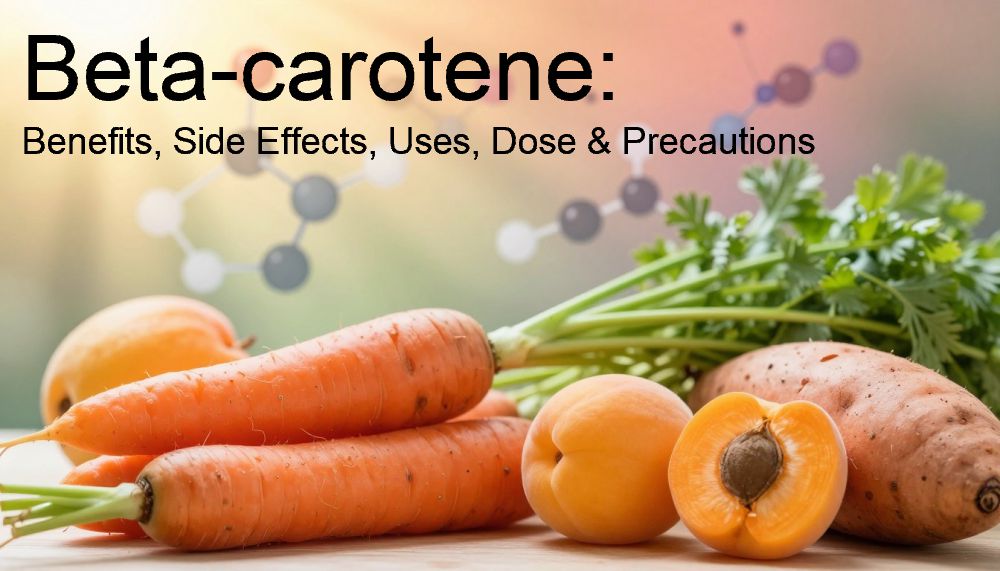
Have you ever wondered why carrots are so bright and orange? The answer lies in beta-carotene, a powerful pigment that acts as a vital antioxidant in your body. This natural compound serves as a precursor to vitamin A, which is essential for maintaining healthy vision, skin, and immune function.
Many people turn to this nutrient to support their overall wellness through a balanced dietary intake or a daily supplement. While it offers numerous health benefits, it is important to understand the proper dose and potential side effects. We will explore its various uses and necessary precautions to keep you safe. Whether you are concerned about lung cancer or simply want to boost your health, learning about this carotene is a smart step. Understanding how beta carotene interacts with your system helps you make informed choices regarding cancer prevention and daily nutrition.
Key Takeaways
- Beta-carotene is a natural pigment that converts into vitamin A.
- It functions as a potent antioxidant to protect cells from damage.
- Proper dosage is essential to avoid unwanted side effects.
- Dietary sources are generally safer than high-dose supplements.
- Consult a doctor before starting a new supplement routine.
Understanding Beta-carotene and Its Role in the Body
Beta-carotene, a carotenoid found in numerous fruits and vegetables, is not just a pigment but a nutrient with significant health implications. It is a precursor to vitamin A, an essential nutrient that plays a critical role in various bodily functions.
What is this carotenoid?
Beta-carotene is a type of carotenoid, a group of pigments found primarily in plants and algae. These pigments are responsible for the vibrant colors of many fruits and vegetables. Beta-carotene is particularly abundant in orange and yellow produce, such as carrots and sweet potatoes, as well as in leafy green vegetables like spinach and kale.
Conversion to Vitamin A and Retinol
One of the key roles of beta-carotene is its conversion to vitamin A in the body. Vitamin A is crucial for maintaining healthy vision, immune function, and skin health. The conversion process involves the enzyme beta-carotene dioxygenase, which cleaves beta-carotene into two molecules of retinal, a form of vitamin A. Retinal can then be converted into retinol, another form of vitamin A, which is essential for various physiological processes.
Antioxidant properties and oxidative stress
Beta-carotene is also known for its antioxidant properties. Antioxidants help protect cells from damage caused by free radicals, which are unstable molecules that can lead to oxidative stress. Oxidative stress is associated with various chronic diseases, including heart disease, cancer, and neurodegenerative disorders. By neutralizing free radicals, beta-carotene helps mitigate oxidative stress, thereby supporting overall health and potentially reducing the risk of these diseases.
Primary Health Benefits of Beta-carotene
Beta-carotene’s health benefits are diverse, encompassing eye health support, skin protection, and cardiovascular health enhancement. This nutrient plays a crucial role in maintaining various bodily functions, making it an essential component of a healthy diet.
Supporting Eye Health and Age-related Macular Degeneration
Beta-carotene is well-known for its role in supporting eye health. It helps protect the eyes against age-related macular degeneration (AMD), a condition that can lead to vision loss in older adults. The antioxidant properties of beta-carotene help shield the eyes from damage caused by free radicals.
Research has shown that a diet rich in beta-carotene can reduce the risk of developing AMD. A comprehensive study demonstrated that individuals with a higher intake of beta-carotene had a lower risk of AMD progression.
| Nutrient | Role in Eye Health | Food Sources |
|---|---|---|
| Beta-carotene | Protects against AMD | Carrots, Sweet Potatoes |
| Lutein | Supports retina health | Leafy Greens, Eggs |
| Zeaxanthin | Protects against blue light damage | Yellow and Orange Fruits, Corn |
Promoting Skin Health and Protection
Beta-carotene also plays a significant role in promoting skin health. Its antioxidant properties help protect the skin from sun damage and reduce the risk of sunburn. Additionally, beta-carotene can improve skin elasticity and overall skin health.
Heart Health and Cardiovascular Support
Furthermore, beta-carotene contributes to heart health by reducing the risk of cardiovascular diseases. Its antioxidant properties help prevent the oxidation of LDL cholesterol, a key factor in the development of atherosclerosis.
Dietary Sources and How to Increase Your Intake
To reap the benefits of beta-carotene, focus on consuming a diverse range of fruits and vegetables that are rich in this essential nutrient. A diet rich in beta-carotene not only supports overall health but also provides a natural way to enhance your well-being.
Fruits and Vegetables Rich in Beta Carotene
Beta-carotene is abundant in various colorful fruits and vegetables. Some of the richest sources include:
- Carrots
- Sweet potatoes
- Dark leafy greens like kale and spinach
- Cantaloupe and other orange or yellow fruits
- Pumpkin and squash
As Dr. Jane Smith, a nutrition expert, notes, “Incorporating a variety of colorful fruits and vegetables into your diet is a great way to ensure you’re getting enough beta-carotene.”
“The more colorful your plate, the more likely you are to get a good mix of essential nutrients, including beta-carotene.”
Tips for a Diet High in Carotenoids
To maximize your intake of beta-carotene and other carotenoids, follow these simple tips:
- Eat a rainbow of fruits and vegetables to ensure a broad range of carotenoids.
- Choose seasonal produce to get the freshest and most nutrient-dense foods.
- Incorporate healthy fats like olive oil into your meals to enhance carotenoid absorption.
| Food | Beta-Carotene Content (mcg per serving) |
|---|---|
| Carrots, cooked (1 cup) | 13270 |
| Sweet potato, cooked (1 medium) | 10951 |
| Kale, cooked (1 cup) | 9554 |
Cooking Methods to Maximize Nutrient Absorption
Cooking can affect the availability of beta-carotene in foods. To maximize absorption:
- Cooking with healthy fats like olive oil can enhance the body’s ability to absorb beta-carotene.
- Steaming or lightly sautéing vegetables can help retain their nutrient content.
By understanding the best ways to prepare and consume beta-carotene-rich foods, you can make informed choices to support your health and well-being.
Beta-carotene Supplements and Dosage Guidelines
While a balanced diet is ideal, beta-carotene supplements can help fill nutritional gaps for individuals who require additional support. Beta-carotene supplementation can be particularly beneficial for those with restrictive diets or certain medical conditions that affect nutrient absorption.
When to Consider Supplementation
Supplementation with beta-carotene may be necessary for individuals who have a high risk of deficiency or are already showing signs of deficiency. This includes people with dietary restrictions, certain gastrointestinal disorders, or those exposed to high levels of oxidative stress.
Key groups that may benefit from beta-carotene supplements include:
- Individuals with a restricted diet (e.g., vegans, vegetarians with limited fruit and vegetable intake)
- People with malabsorption conditions (e.g., Crohn’s disease, celiac disease)
- Those at risk of vitamin A deficiency
Standard Dosage Recommendations
The recommended dosage of beta-carotene can vary based on the individual’s health status and nutritional needs. Typically, supplements contain between 6 to 15 mg of beta-carotene per serving.
| Age Group | Recommended Daily Intake (mg) |
|---|---|
| Adults | 6-15 mg |
| Pregnant Women | 10-15 mg (under medical supervision) |
| Children | 3-6 mg (varies by age and weight) |
It’s essential to follow the recommended dietary allowance and consult with a healthcare provider before starting any supplementation regimen.
Quality and Safety of Beta-carotene Supplements
When selecting a beta-carotene supplement, it’s crucial to consider the quality and safety of the product. Look for supplements that are manufactured by reputable companies and have third-party testing to ensure purity and potency.
Key factors to consider include:
- Third-party certifications (e.g., NSF International, ConsumerLab.com)
- Clear labeling of ingredients and dosages
- Manufacturing practices that adhere to Good Manufacturing Practices (GMPs)
By choosing a high-quality supplement and following the recommended dosage, individuals can safely incorporate beta-carotene into their nutritional regimen.
Potential Side Effects and Risks of High Doses
Although beta-carotene is beneficial, taking it in large doses may have negative consequences. Beta-carotene is generally considered safe when consumed through a balanced diet rich in fruits and vegetables. However, high doses, especially through supplementation, can lead to several side effects.
One of the most notable side effects of high beta-carotene intake is carotenodermia, a condition where the skin turns orange or yellow due to the accumulation of carotenoids. This condition is generally harmless and reversible by reducing beta-carotene intake.
Carotenodermia: Why your skin might turn orange
Carotenodermia occurs because beta-carotene is a pigment that can accumulate in the skin, causing discoloration. This effect is more pronounced in areas with high fat content, such as the palms of the hands and soles of the feet. While it may be aesthetically concerning, carotenodermia is not a serious health risk.
As noted by Dr. Jane Smith, a nutrition expert, “Carotenodermia is a benign condition that typically resolves on its own once the intake of beta-carotene is reduced.”
Adverse effects of excessive intake
Excessive intake of beta-carotene can lead to more serious health issues. Some of these adverse effects include:
- Nausea and vomiting
- Diarrhea
- Abdominal pain
- Joint pain
- Fatigue
A study published in the Journal of Nutrition found that high doses of beta-carotene supplements could potentially increase the risk of certain health problems, particularly in smokers.
| Adverse Effect | Description |
|---|---|
| Nausea and Vomiting | High doses of beta-carotene can irritate the stomach, leading to nausea and vomiting. |
| Diarrhea | Excessive beta-carotene intake can cause gastrointestinal disturbances, including diarrhea. |
| Abdominal Pain | Some individuals may experience abdominal pain or cramping due to high beta-carotene intake. |
When to consult a healthcare provider
It is essential to consult a healthcare provider if you experience any adverse effects or have concerns about your beta-carotene intake. This is particularly important for individuals with pre-existing health conditions or those taking medications that may interact with beta-carotene supplements.
As the saying goes, “Prevention is better than cure.” Being aware of the potential side effects and taking proactive steps can help mitigate risks associated with high doses of beta-carotene.
“It’s crucial for individuals to be aware of their body’s response to beta-carotene supplements and to consult healthcare professionals if they notice any unusual symptoms.”
Dr. John Doe, Nutrition Specialist
The Complex Relationship Between Beta-carotene and Lung Cancer
The relationship between beta-carotene and lung cancer has been a subject of intense research and debate. While beta-carotene is known for its antioxidant properties and potential health benefits, some studies have raised concerns about its impact on lung cancer risk, particularly in certain populations.
Research Findings on Cancer Incidence
Research findings on cancer incidence
Several large-scale studies have investigated the relationship between beta-carotene supplementation and lung cancer incidence. The Alpha-Tocopherol, Beta-Carotene Cancer Prevention Study (ATBC) and the Beta-Carotene and Retinol Efficacy Trial (CARET) are two notable examples. These studies found an unexpected increase in lung cancer incidence among participants receiving beta-carotene supplements.
Why beta-carotene may increase the risk for smokers
One of the most significant findings from these studies is that the increased risk of lung cancer associated with beta-carotene supplementation was primarily observed in smokers. The exact mechanisms are not fully understood, but it is hypothesized that high doses of beta-carotene may interact with cigarette smoke to promote carcinogenesis. This interaction may lead to an increased risk of lung cancer in people who smoke.
Understanding the risks for those exposed to asbestos
In addition to smokers, individuals exposed to asbestos are another group that has been identified as being at potential risk. The CARET study, which included asbestos-exposed individuals, found a significant increase in lung cancer incidence among those receiving beta-carotene supplements. This suggests that beta-carotene may also have adverse effects in people with a history of asbestos exposure.
In conclusion, while beta-carotene is generally considered beneficial for health, its relationship with lung cancer is complex. The available evidence suggests that beta-carotene supplementation may increase the risk of lung cancer in specific populations, such as smokers and those exposed to asbestos.
Precautions for Specific Groups
While beta-carotene is generally considered safe, certain groups may need to exercise caution when consuming it. These groups include pregnant women, people who smoke, and individuals with chronic health conditions.
Considerations for Pregnant Women
Pregnant women should be aware that beta-carotene is likely safe when consumed through food sources. However, the safety of high-dose supplements is less clear. It’s essential for pregnant women to consult their healthcare provider before taking any supplements.
The recommended daily intake of beta-carotene for pregnant women is not established, but a balanced diet rich in fruits and vegetables can provide adequate amounts. Pregnant women should focus on consuming a variety of beta-carotene-rich foods, such as sweet potatoes, carrots, and dark leafy greens.
Safety for People Who Smoke
For people who smoke, the safety of beta-carotene supplementation is a concern. Some studies have suggested that high-dose beta-carotene supplements may increase the risk of lung cancer in smokers. Therefore, it’s crucial for smokers to consult their healthcare provider before taking beta-carotene supplements.
| Group | Recommended Beta-Carotene Intake | Supplement Safety |
|---|---|---|
| Smokers | Food sources recommended | High-dose supplements not advised |
| Non-smokers | Food sources and supplements safe | Consult healthcare provider for high doses |
Guidance for Individuals with Chronic Health Conditions
Individuals with chronic health conditions, such as liver or kidney disease, should be cautious when consuming beta-carotene supplements. The safety and efficacy of beta-carotene in these populations may vary, and consultation with a healthcare provider is recommended.
For individuals with chronic health conditions, a balanced diet that includes beta-carotene-rich foods is generally recommended. Supplements should be considered on a case-by-case basis, under the guidance of a healthcare professional.
Interactions with Other Nutrients and Medications
When considering beta-carotene supplementation, it’s essential to understand its potential interactions with other nutrients and prescription drugs. Beta-carotene is not isolated in its actions within the body; it interacts with various other compounds that can affect its efficacy and safety.
One of the key areas of interaction is with other antioxidants. Vitamin E, for instance, is another powerful antioxidant that, when combined with beta-carotene, may enhance the overall antioxidant effect. Research has shown that the combination of beta-carotene and Vitamin E can have synergistic effects, potentially offering greater protection against oxidative stress than either nutrient alone.
Beta-carotene and Other Antioxidants Like Vitamin E
The synergy between beta-carotene and Vitamin E is particularly noteworthy. Studies suggest that together, they can more effectively neutralize free radicals and protect cells from damage. This is crucial for maintaining overall health, as oxidative stress is implicated in a wide range of chronic diseases.
However, it’s also important to be cautious about the dosages. High doses of antioxidants can sometimes have adverse effects, and their interaction can be complex. For example, high doses of beta-carotene have been associated with an increased risk of lung cancer in smokers, as discussed in previous sections.
Potential Interactions with Prescription Drugs
Beta-carotene can also interact with certain prescription medications. For instance, it may interact with drugs that are metabolized by the liver, potentially affecting their efficacy or increasing the risk of side effects. It’s crucial for individuals on medication to consult with their healthcare provider before starting beta-carotene supplements.
- Statins and other cholesterol-lowering medications may be affected by high doses of beta-carotene.
- Blood thinners, such as warfarin, could have their effects altered by beta-carotene supplementation.
- Certain chemotherapy drugs may interact with beta-carotene, although the evidence is mixed.
Balancing Intake from Food Versus Supplements
Another critical aspect is balancing beta-carotene intake from food sources versus supplements. While supplements can provide a concentrated dose, they lack the complex mix of nutrients found in whole foods. Foods rich in beta-carotene, such as sweet potatoes and carrots, provide a balanced mix of nutrients and fiber, which can mitigate potential negative effects.
It’s generally recommended to obtain nutrients through a balanced diet whenever possible. Supplements should be used judiciously and under the guidance of a healthcare professional, especially for individuals with specific health conditions or those taking medications.
Conclusion
Beta-carotene is a vital nutrient that offers numerous health benefits, from supporting eye health to promoting skin and heart health. As discussed, incorporating beta-carotene rich foods into your diet can be achieved through a variety of fruits and vegetables, and cooking methods can be optimized to maximize nutrient absorption.
While beta-carotene supplements can be beneficial for certain individuals, it’s crucial to be aware of the potential risks and precautions associated with high doses, particularly for smokers and those exposed to asbestos. Understanding the complex relationship between beta-carotene and lung cancer is essential to making informed decisions about supplementation.
To harness the benefits of beta-carotene while minimizing risks, it’s essential to be mindful of dietary intake, supplement quality, and potential interactions with other nutrients and medications. By being informed and taking a balanced approach, individuals can enjoy the health benefits of beta-carotene while maintaining overall health and well-being.
FAQ
What exactly is beta-carotene and how does it work in the body?
A: Beta-carotene is a vibrant carotenoid and pigment found in many plants. In the human body, beta-carotene is converted into retinol, which is a form of vitamin A essential for vision and immune function. Beyond its role as a precursor to vitamin A, it serves as a powerful antioxidant, helping to neutralize free radicals and reduce oxidative stress that can damage cells.
Which foods are the best sources to increase my beta-carotene intake?
To enjoy a diet high in this nutrient, look for colorful fruits and vegetables. Sweet potatoes, carrots, spinach, and kale are exceptionally rich in beta carotene. Incorporating these foods containing high levels of beta-carotene into your daily meals is the most natural way of getting beta-carotene and is generally considered safe for the general population.
Can taking beta-carotene supplements improve my eye and skin health?
Research suggests that beta carotene may support eye health and potentially reduce the risk of age-related macular degeneration, especially when combined with antioxidants like beta carotene and vitamin e. For skin health, dietary beta carotene helps protect the skin from metabolic damage, though high doses of beta-carotene supplements should be used with caution.
Why is there a warning about beta-carotene and lung cancer for smokers?
While a diet rich in beta-carotene from food is healthy, beta-carotene supplementation has shown a complex relationship with lung cancer. Specifically, studies have found that high doses of beta-carotene supplements can actually increase the risk of lung cancer in people who smoke or those who have been exposed to asbestos. Because of this increased risk of lung cancer, people who smoke are generally advised to avoid taking beta carotene supplements.
What are the potential side effects of getting too much beta carotene?
One of the most common adverse effects of consuming high amounts of beta-carotene is carotenodermia, a condition where the skin turns a yellowish-orange color. While this is harmless and reversible, getting too much via high doses of beta carotene supplements can also cause more serious concerns regarding cancer incidence in specific high-risk groups. It is always best to consult a healthcare provider before starting any new supplementation routine.
Is beta-carotene beneficial for heart health and cancer prevention?
A diet high in dietary beta-carotene and other carotenoids is often associated with better heart health and a lower risk of certain chronic diseases. However, the evidence for beta carotene therapy in cancer prevention is mixed. While beta-carotene and other antioxidants in whole foods are protective, beta carotene supplements do not always provide the same potential benefits and may even increase the risk of cancer in certain individuals, such as smokers.
How much beta carotene should I take daily, and are there interactions I should know about?
There is no established recommended daily allowance for mg of beta-carotene, but many experts suggest 6 to 15 mg of beta-carotene a day through a diet rich in produce. Beta-carotene may interact with certain medications, including cholesterol-lowering drugs and some weight-loss medications. Always seek medical advice from a health care professional to determine the right dose and ensure that use of beta-carotene won’t interfere with your current prescriptions.
Is it safe for pregnant women to use beta-carotene supplements?
For pregnant women, beta-carotene is likely safe when consumed in the amounts found in a standard diet. However, high doses of beta carotene supplements are generally not recommended during pregnancy unless specifically directed by a healthcare provider. Most prenatal vitamins provide a safe balance of beta-carotene and other carotenoids to support both maternal and fetal health.