Maintaining a balanced diet requires understanding the nutrients that fuel our bodies. Many people overlook specific compounds that play a quiet but critical role in daily wellness. One such nutrient is vital for blood clotting and bone density.
Vitamin k is an essential element that supports long-term physical health. By exploring the health benefits of vitamin k, you can better appreciate how this compound protects your cardiovascular system. It serves as a foundation for strong bones and proper healing processes.
Medical professionals often rely on the use of vitamin k to manage specific clotting disorders. While it offers many advantages, being aware of the side effects of vitamin k ensures you stay safe. Understanding how to incorporate this nutrient into your routine helps you achieve optimal results.
Key Takeaways
- This nutrient is vital for blood coagulation and bone metabolism.
- It acts as a foundational support for cardiovascular wellness.
- Clinical applications often involve managing clotting issues.
- Awareness of potential adverse reactions is necessary for safety.
- A balanced diet typically provides sufficient amounts for most adults.
Understanding Vitamin K as a Fat-Soluble Nutrient
As a fat-soluble vitamin, Vitamin K plays a specialized role in your physiological well-being. Unlike water-soluble nutrients that pass through your system quickly, this essential compound is stored in your body’s fatty tissues and the liver.
Because Vitamin K is a fat-soluble nutrient, your digestive tract requires dietary fat to absorb it effectively. This unique characteristic means that your body manages this vitamin differently than it handles B-complex vitamins or Vitamin C.
The Two Primary Forms: Vitamin K1 and Vitamin K2
It is helpful to realize that Vitamin K is a group of compounds rather than a single substance. This is a vitamin that comes in two main natural varieties, each serving distinct functions within your biology.
The two forms of vitamin k are known as phylloquinone and menaquinone. When comparing Vitamin K1 and Vitamin K2, you will find that they differ significantly in their biological activity and sources.
| Feature | Vitamin K1 (Phylloquinone) | Vitamin K2 (Menaquinone) |
|---|---|---|
| Primary Source | Green leafy vegetables | Fermented foods and animal products |
| Main Function | Blood coagulation | Bone and heart health |
| Absorption Rate | Lower absorption | Higher bioavailability |
How the Body Absorbs and Stores Vitamin K
Efficient Vitamin K absorption relies heavily on the presence of dietary fats during your meals. Once absorbed, the body transports the nutrient to the liver, where it is utilized for various metabolic processes.
Storing Vitamin K in the liver allows your body to maintain a steady supply for essential functions. It is important to note that this process often involves a delicate balance with other nutrients, specifically Vitamin A and Vitamin E, which also rely on fat for proper utilization.
Understanding each form of vitamin k helps you make better dietary choices. By ensuring you consume healthy fats alongside your greens, you support your body’s ability to utilize this vital nutrient effectively.
The Essential Role of Vitamin K in Blood Clotting
When you get a cut, your body relies on a complex process to form a protective seal. This life-saving mechanism is known as coagulation, and it would not function properly without the presence of Vitamin K. Vitamin K is involved in the synthesis of specific proteins that allow your blood to thicken and stop bleeding.
Without this essential nutrient, even minor injuries could lead to significant blood loss. By facilitating the coagulation cascade, Vitamin K helps the body maintain a healthy circulatory system. It acts as a vital cofactor that ensures your blood can clot effectively when needed.
Vitamin K-Dependent Proteins and Coagulation
The liver is the primary site where Vitamin K-dependent proteins are produced. These proteins act as the building blocks for the clotting process. When your body detects an injury, these proteins are activated to create a stable mesh that seals the wound.
There are several key factors that rely on this nutrient to function. These include:
- Factor II (Prothrombin)
- Factor VII
- Factor IX
- Factor X
K and Vitamin K-dependent proteins work in harmony to ensure that your blood remains fluid while circulating but can solidify instantly upon contact with air or tissue damage. This precise regulation is why K plays an important role in overall human health.
Preventing Vitamin K Deficiency Bleeding
The prevention of Vitamin K deficiency is a critical aspect of medical care, especially for newborns. Infants are often born with low levels of this nutrient, which can lead to dangerous internal bleeding if not addressed. Providing a supplement shortly after birth is a standard practice to ensure safety.
For adults, maintaining adequate levels through diet is usually sufficient to avoid issues. However, those with certain health conditions may need to monitor their intake closely. Vitamin K plays an important part in keeping your body’s internal repair systems ready for action at all times.
Impact of Vitamin K on Bone Health and Density
Vitamin K plays an important role in the ongoing maintenance of your skeletal structure. While many people focus solely on calcium, Vitamin K helps ensure that this mineral is effectively utilized by the body. Emerging research suggests that this nutrient is essential for long-term skeletal integrity.
Vitamin K and Bone Mineral Density
The relationship between Vitamin K and bone mineral density is rooted in the activation of specific proteins. Vitamin K is involved in the carboxylation of osteocalcin, a protein that binds calcium to the bone matrix. Without sufficient levels of this nutrient, the body struggles to mineralize bone tissue properly.
K and vitamin k-dependent proteins work together to regulate how calcium is deposited. When these proteins are fully activated, they help maintain the structural strength of your skeleton. Studies suggest that Vitamin K may be a key factor in preventing age-related bone loss.
Synergy Between Vitamin K and Vitamin D
Achieving optimal bone health requires a balanced approach to nutrition. There is a powerful synergy between Vitamin K and Vitamin D that supports overall skeletal wellness. While Vitamin D aids in the absorption of calcium from your diet, Vitamin K ensures that the calcium reaches the bones rather than accumulating in soft tissues.
This partnership is vital for those looking to protect their bone density as they age. By supporting the function of Vitamin K-dependent proteins, you provide your body with the tools it needs to keep bones resilient. K helps create a stable environment where minerals can be stored safely and effectively.
Potential Benefits for Heart Health
Emerging evidence suggests that Vitamin K may be a hidden hero for your cardiovascular system. While many people associate this nutrient primarily with blood clotting, its influence extends deep into the vascular walls. Researchers are now exploring how this essential nutrient supports long-term heart health.
Managing Arterial Calcification
One of the most exciting areas of study involves the prevention of arterial calcification. When calcium deposits build up in the vessel walls, arteries can become stiff and narrow. Vitamin K may help inhibit this process by activating a specific protein known as matrix Gla protein (MGP).
Once activated, MGP acts as a powerful inhibitor of calcium deposition in soft tissues. By ensuring the body has enough of this nutrient, individuals might better protect their vascular integrity. This mechanism is a primary reason why the benefit of vitamin k is currently a hot topic in nutritional science.
Research on Cardiovascular Outcomes
Recent clinical trials suggest that vitamin k plays a protective role in maintaining healthy blood flow. Studies often focus on how adequate intake correlates with improved vascular elasticity over time. These findings highlight that Vitamin K benefits are not just theoretical but have practical implications for heart health.
Maintaining optimal levels of this Vitamin is a simple yet effective strategy for many adults. While more large-scale research is ongoing, the current data provides a promising outlook for those looking to support their cardiovascular system through nutrition. Consistent intake remains a key factor in promoting long-term vascular function.
Dietary Sources of Vitamin K
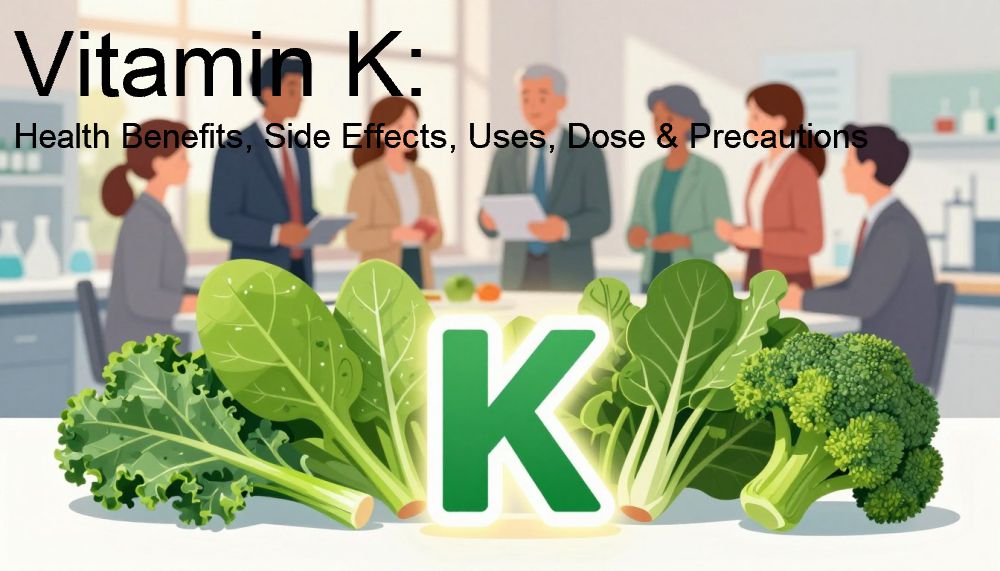
You can easily boost your health by incorporating specific dietary sources of Vitamin K into your daily meals. Obtaining this nutrient through a balanced diet is the most effective way to maintain healthy levels for your body. Because this is a vitamin that comes in two primary forms, eating a diverse range of foods ensures you receive the full spectrum of benefits.
Foods Rich in Vitamin K1
When looking for foods rich in vitamin k, leafy green vegetables are your best option. These plants are packed with Vitamin K1, which is the form most commonly consumed in a standard diet. Sources of vitamin k include kale, spinach, collard greens, and Swiss chard.
To maximize your Vitamin K absorption, try pairing these greens with a small amount of healthy fat, such as olive oil or avocado. Fat helps your body process the nutrient more efficiently. Many other vegetables, like broccoli and Brussels sprouts, also contain vitamin k and contribute significantly to your daily intake.
Fermented Foods and Vitamin K2 Content
While K1 is found in plants, Vitamin K2 is primarily produced by bacteria and is often present in fermented products. This form of the vitamin is essential for bone and heart health. If you want to increase your intake, consider adding fermented items to your grocery list.
Common sources of vitamin k in the K2 category include:
- Natto: A traditional Japanese fermented soybean dish that is exceptionally high in vitamin K2.
- Hard and soft cheeses: Certain varieties like Gouda or Jarlsberg provide a good boost of this nutrient.
- Sauerkraut: This fermented cabbage is a simple, accessible way to support your gut health while getting more Vitamin K.
By understanding the difference between Vitamin K1 and Vitamin K2, you can make smarter choices at the dinner table. Aiming for a mix of fresh greens and fermented foods will help you maintain optimal Vitamin K content throughout the year. Remember that consistency is key to reaping the long-term rewards of a nutrient-dense diet.
Recommended Daily Intake and Dosage Guidelines
Many people wonder how much vitamin K they truly need to support their body’s functions. While it is a vital nutrient, the specific dosage required can vary based on several personal factors. Understanding these guidelines helps you make informed choices about your dietary intake of vitamin k.
National Institutes of Health Recommendations
The National Institutes of Health provides clear guidance on the amounts of vitamin K necessary for different life stages. For most healthy adults, the recommended daily intake of vitamin k is 120 micrograms for men and 90 micrograms for women. It is important to note that vitamin k is 120 micrograms for the average adult male, which serves as a standard benchmark.
According to the fact sheet for health professionals, these values represent an Adequate Intake (AI) level. This level is set to ensure that most people get enough vitamin K to maintain proper blood clotting and bone health. You can easily track your progress by reviewing the following table of recommended amounts.
| Age Group | Gender | Recommended Daily Amount |
|---|---|---|
| Infants (0-6 months) | All | 2 mcg |
| Children (1-3 years) | All | 30 mcg |
| Adult Men | Male | 120 mcg |
| Adult Women | Female | 90 mcg |
Factors Influencing Individual Vitamin K Needs
Several variables influence how much vitamin K your body requires on a daily basis. Age and sex are the primary drivers, but your overall health status also plays a significant role. For instance, individuals with certain digestive conditions may struggle to absorb nutrients effectively, potentially changing their specific vitamin k intake requirements.
It is also worth noting that vitamin k intakes are associated with your overall diet quality. If you consume a variety of leafy greens and fermented foods, you are more likely to get enough vitamin k naturally. Always consult with a healthcare provider if you are concerned about your specific levels of vitamin k intake or if you are considering a supplement to reach your daily goals.
Risks and Symptoms of Vitamin K Deficiency
Vitamin K deficiency is very rare in healthy adults, yet recognizing the symptoms remains a key part of proactive wellness. Most individuals naturally get enough vitamin K through a balanced diet rich in leafy greens and fermented foods. However, maintaining proper concentrations of vitamin is essential for your body’s natural healing processes.
Identifying Low Levels of Vitamin K
When your body struggles to maintain adequate blood levels of vitamin, the most common sign is an inability to clot blood effectively. You might notice that you bruise easily or experience prolonged bleeding from minor cuts. These low blood levels of vitamin can also lead to heavy menstrual periods or bleeding from the gums.
“Nutrition is the foundation of health, and ensuring you get enough vitamin K is a simple yet powerful way to support your body’s internal repair systems.”
If you suspect you have low vitamin K levels, it is important to track your symptoms. Monitoring your vitamin K status helps you determine if your diet provides the necessary amounts of vitamin for optimal health. The following table outlines common indicators that your body may be struggling with low vitamin k levels.
| Symptom | Description | Severity |
|---|---|---|
| Easy Bruising | Frequent marks from minor bumps | Mild |
| Nosebleeds | Frequent or hard-to-stop bleeding | Moderate |
| Gum Bleeding | Bleeding during routine brushing | Moderate |
Who Is at Risk for Deficiency?
While most people get enough vitamin K, certain groups face a higher risk of low vitamin k levels. Individuals with malabsorption disorders, such as celiac disease or cystic fibrosis, often struggle to absorb fat-soluble nutrients. This makes it harder for these people to get vitamin K effectively from their food.
Furthermore, the risk of low vitamin k is elevated for those taking specific medications that interfere with nutrient absorption. If you fall into these categories, you should consult a healthcare provider to discuss your specific needs. Proactive monitoring is the best way to ensure your body maintains the right balance for long-term health.
Interactions with Medications and Vitamin K Antagonists
Certain medications designed to prevent a blood clot can be significantly influenced by your daily intake of Vitamin K. When you take Vitamin K, it interacts with specific drugs known as Vitamin K antagonists. These medications are commonly prescribed to patients who need to manage their cardiovascular health carefully.
Managing the Effects of Warfarin
Warfarin is a well-known medication that functions by inhibiting the body’s ability to use Vitamin K for clotting. Because of this, the effects of warfarin are directly tied to the amount of the nutrient present in your system. If your blood levels of Vitamin K fluctuate, the medication may become either too strong or not strong enough.
Patients are often advised to maintain a consistent dietary intake of Vitamin K to keep their therapeutic levels stable. By keeping your levels of Vitamin K intake steady, you help your healthcare provider determine the correct dosage of your medication. This consistency is the key to safe and effective treatment.
Sudden Changes in Vitamin K Intake
It is important to avoid sudden changes in Vitamin K consumption, as these shifts can disrupt your treatment plan. A rapid increase in the intake of Vitamin K can potentially decrease the effects of warfarin, making the medication less effective at preventing clots. Conversely, a sharp drop in your Vitamin K levels might cause the medication to become too potent.
If you are planning to make significant changes in Vitamin K intake, you must consult your doctor first. They can monitor the concentrations of vitamin in your blood and adjust your prescription accordingly. Always prioritize open communication with your medical team to ensure your safety while managing your health.
Safety Considerations for Vitamin K Supplementation
While many people benefit from extra nutrients, supplementing with vitamin K may not be right for everyone. Before you begin any new regimen, it is important to evaluate your specific health needs. Understanding the efficacy and safety of vitamin supplementation is a vital step for your long-term wellness.
When to Consult a Health Care Provider
You should always speak with a qualified health care provider before you decide to take vitamin K. A professional can help determine if your current diet already provides enough of this nutrient. They will also review your medical history to ensure that a vitamin K supplement will not interfere with any existing conditions.
It is especially important to seek advice if you are currently managing chronic health issues. Your doctor can provide personalized guidance on the correct dosage for your body. This proactive approach helps you avoid unnecessary risks while supporting your overall health goals.
Potential Side Effects of High Doses
Taking too much vitamin K can lead to unexpected health challenges. While the body generally handles standard amounts well, an excessive dose of vitamin K may cause unwanted adverse effects. You should monitor your body closely for any changes after you start a new supplement.
Furthermore, be aware that vitamin K and vitamin interactions can occur. For instance, high levels of vitamin A and vitamin E might compete with the absorption of this nutrient. Always keep a record of your supplements and discuss them with your medical team to ensure your safety. Being informed about the side effects of vitamin K allows you to make better choices for your daily routine.
Vitamin K Prophylaxis and Clinical Uses
From the delivery room to the emergency department, Vitamin K serves as a critical tool for clinicians. While many people associate this nutrient with diet, its role in medical protocols is equally vital for patient safety and recovery.
Standard Protocols for Newborns
Infants are often born with low levels of vitamin k, which puts them at risk for a condition known as Vitamin K deficiency bleeding. To combat this, medical teams routinely administer a Vitamin K injection shortly after birth.
This form of Vitamin K prophylaxis is a standard medical practice designed to ensure proper blood clotting. By providing this essential nutrient early, doctors effectively prevent life-threatening complications. Key benefits of this protocol include:
- Immediate protection against internal bleeding.
- Support for the infant’s developing coagulation system.
- Peace of mind for parents regarding their newborn’s health.
Therapeutic Applications in Medical Settings
Beyond pediatrics, the use of Vitamin K is essential for managing patients on specific medications. When a patient takes Vitamin K antagonists, such as warfarin, their blood clotting ability is intentionally slowed.
“The clinical management of anticoagulation therapy requires a precise balance of Vitamin K intake to ensure patient safety and prevent adverse events.”
— Clinical Guidelines in Hematology
If a patient experiences an emergency or requires surgery, medical teams may use Vitamin K to decrease the effects of warfarin. This intervention helps restore normal clotting function quickly. It is important to note that sudden changes in Vitamin K intake can interfere with these medications, so patients should always coordinate with their health care provider.
Whether it is preventing deficiency in newborns or managing complex medication interactions, the efficacy and safety of vitamin K remain cornerstones of modern medicine. Proper monitoring of Vitamin K status ensures that patients receive the right care at the right time.
Conclusion
Vitamin K is a group of compounds that serve as a vital foundation for your long-term wellness. K is an essential vitamin that supports your body in ways that go beyond basic nutrition. Because Vitamin K is a fat-soluble vitamin, your body stores it efficiently to maintain systemic balance.
The National Institutes of Health suggests that a daily intake of Vitamin K is 120 micrograms for most adult men. Meeting this goal is simple when you prioritize foods rich in vitamin K. Dietary sources of vitamin K include leafy greens and fermented items that provide high in vitamin density. Vitamin K is found in many common pantry staples, making it easy to incorporate into your routine.
Prioritizing your bone health and heart health through smart food choices creates a strong defense for your future. While Vitamin K deficiency is very rare, staying informed about your nutrient levels remains a smart practice. Vitamin K intakes are associated with better physical outcomes over time.
Always speak with a medical professional if you take blood thinners or have specific health concerns. They can help you manage your Vitamin K prophylaxis for prevention of complications. Understanding how this nutrient works empowers you to make better choices every day. Share your favorite ways to include these greens in your meals with your local community.
FAQ
What exactly is Vitamin K and why is it important?
A: Vitamin k is an essential nutrient that our bodies need for several critical processes. Primarily, vitamin k plays an important role in helping your blood clot properly and maintaining strong bones. Vitamin k is a fat-soluble vitamin, which means it is stored in the liver and fatty tissues. Because k is a fat-soluble vitamin, it is best absorbed when consumed with a little bit of healthy fat!
What are the different forms of vitamin k?
A: Vitamin k is a group of compounds, but you will most often hear about the two forms of vitamin k: vitamin k1 and vitamin k2. Vitamin K1 (phylloquinone) is the primary form of vitamin k found in plants, especially leafy greens. Vitamin K2 (menaquinones) is typically found in animal products and fermented foods. This vitamin that comes in two primary types ensures that the body can support both coagulation and heart health efficiently.
What are the primary health benefits of vitamin k?
The health benefits of vitamin k are quite broad! Most notably, vitamin k helps the body create vitamin k-dependent proteins necessary for blood clotting. Beyond that, suggest that vitamin k is vital for bone health by assisting in the regulation of calcium. There is also a significant benefit of vitamin k for the cardiovascular system, as vitamin k may help prevent the calcification of arteries.
How does vitamin k affect bone mineral density?
A: Vitamin k plays a huge role in skeletal strength. Specifically, the effect of vitamin k on the body involves the activation of osteocalcin, a protein that anchors calcium into the bone. Maintaining adequate levels of vitamin k intake is associated with better k on bone mineral density. Many experts also highlight the synergy between vitamin k and vitamin D, as they work together to ensure calcium reaches the bones rather than staying in the bloodstream.
What foods should I eat to get enough vitamin k?
To increase your dietary intake of vitamin k, look for foods rich in vitamin k like kale, spinach, and broccoli, which are high in vitamin K1. If you are looking for K2, sources of vitamin k include fermented foods like natto or certain cheeses. Because vitamin k is found in such a variety of dietary sources of vitamin k, most people get enough vitamin k through a well-balanced diet.
What is the recommended daily vitamin k dosage?
According to the National Institutes of Health, the recommended amount of vitamin k for adult men is about 120 micrograms, while for women it is 90 micrograms. While vitamin k is 120 micrograms for the average man, your specific daily vitamin k needs might change based on your health status. Always check the fact sheet for health professionals or talk to your health care provider to determine the right dose of vitamin k for you.
What happens if I have a vitamin k deficiency?
Although a vitamin k deficiency is very rare in healthy adults, it can lead to serious issues like vitamin k deficiency bleeding. Symptoms of low levels of vitamin k include easy bruising, small blood clots under the nails, or heavy menstrual cycles. People with low vitamin k or those at risk of low vitamin k—such as those with malabsorption disorders—should monitor their vitamin k status closely to avoid low blood levels of vitamin.
Can vitamin k interfere with medications like Warfarin?
Yes, this is a very important interaction! Vitamin k antagonists like warfarin work by blocking the use of vitamin k to thin the blood. If you take vitamin k in high amounts or have sudden changes in vitamin k intake, it can decrease the effects of warfarin. It is vital to keep your intake of vitamin k consistent and discuss any changes in vitamin k intake with your doctor to maintain safe blood levels of vitamin k.
Why do newborns receive a vitamin k injection?
Babies are born with very low vitamin k levels. To prevent a rare but dangerous condition called vitamin k deficiency bleeding, doctors provide vitamin k prophylaxis shortly after birth. This vitamin k injection is a standard safety measure to ensure the infant has enough concentrations of vitamin to prevent internal bleeding until they can get vitamin k from their diet.
Is vitamin k supplementation safe?
Generally, supplementing with vitamin k is safe, but it is important to be aware of adverse effects if taken in extreme excess. While there is no set upper limit, side effects of vitamin k from supplements might include interactions with vitamin a and vitamin e. Always discuss the efficacy and safety of vitamin supplements with a professional before starting a new vitamin k supplement regimen, especially if you are already supplementing with vitamin k may affect other medications.