For centuries, this golden liquid has served as a primary staple of the Mediterranean diet. Many people cherish it for its rich flavor and remarkable versatility in the kitchen.
This natural product comes from the pressed fruit of a specific tree. Because of its unique profile, it remains a cornerstone of healthy cooking across the globe.
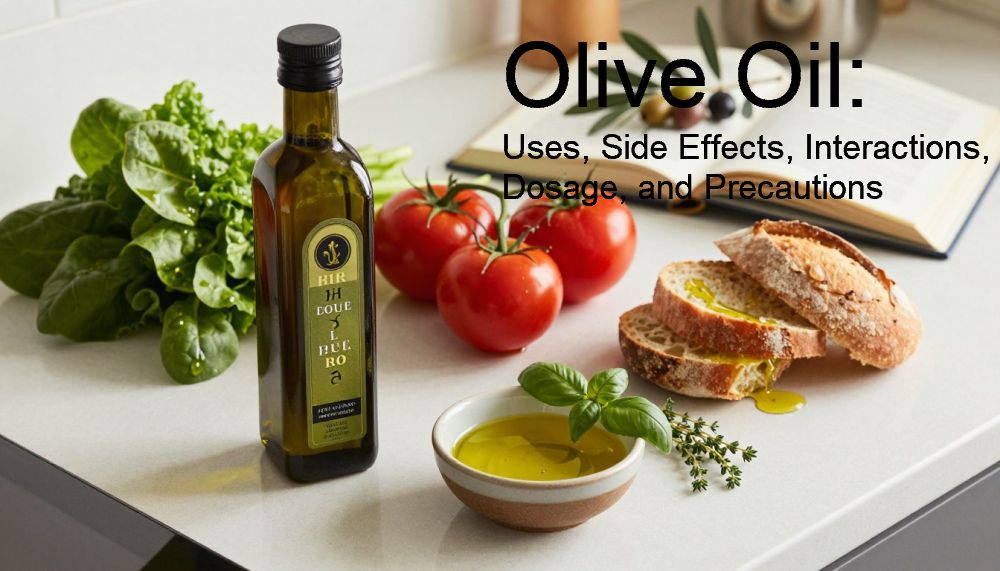
When we examine how various olive oils are processed, we see why quality matters. This ingredient is used in everything from salad dressings to high-heat roasting. Understanding common olive oil uses helps you maximize both taste and nutrition.
Furthermore, this healthy fat is associated with numerous wellness benefits. By learning the science behind these extracts, you can make better choices for your daily meals. We will explore safety, dosage, and how to integrate this pantry essential into your lifestyle effectively.
Key Takeaways
- It serves as a fundamental component of the heart-healthy Mediterranean diet.
- The product is derived from cold-pressing fresh fruit to maintain nutrient density.
- Versatility allows for both raw applications and moderate heat cooking methods.
- Regular consumption is linked to improved cardiovascular health and inflammation reduction.
- Always check labels to ensure you are purchasing high-quality, authentic varieties.
Understanding the Different Types of Olive Oil
Choosing the right product for your kitchen starts with learning about the various types of olive oil available today. While every bottle originates from the olive fruit harvested from the olive tree, the methods used to process these fruits create significant differences in flavor, nutrition, and smoke point.
Extra Virgin Olive Oil vs. Refined Varieties
The gold standard for quality is extra virgin olive oil. This oil is produced through mechanical cold pressing, which avoids high heat and chemical solvents. Because it is processed without heat, it retains the highest levels of antioxidants and natural flavor profiles.
In contrast, refined olive oil undergoes a series of industrial processes to remove impurities, odors, and high acidity levels. While this creates a more neutral flavor and a higher smoke point, it strips away many of the beneficial compounds found in extra-virgin olive oil. Most virgin olive oils fall somewhere in between, offering a balance of quality and affordability for everyday cooking.
Understanding Olive Pomace Oil
When manufacturers finish pressing the olives, a solid residue remains, consisting of skins, pulp, and pits. Olive pomace oil is extracted from this leftover material using chemical solvents and heat. It is considered the lowest grade of oil available on the market.
Because it is highly processed, olive pomace oil lacks the distinct health benefits and robust taste associated with premium oils. It is often used in commercial food production or high-heat frying where flavor is not the primary concern. Understanding these distinctions ensures you select the best quality for your specific culinary needs.
Nutritional Profile and Key Compounds in Olive Oil
When you look at the nutritional profile of olive oil, you find a complex blend of fats and protective compounds. It is important to understand that olive oil contains a unique balance of nutrients that sets it apart from other cooking fats. The properties of olive oil make it a foundational element for those seeking a balanced and healthy lifestyle.
Because olive oil is rich in specific fatty acids, it provides a stable energy source for the body. This composition is a primary reason why health experts often recommend it as a superior dietary choice.
The Role of Monounsaturated Fats
The primary fat found in this golden liquid is oleic acid, a type of monounsaturated fat. In fact, this oil is rich in monounsaturated fats that are known to support heart health. The presence of oleic acid in olive oil helps maintain healthy cholesterol levels when used as a replacement for saturated fats.
You will find that a diet rich in olive oil provides the body with essential lipids that are easy to digest. These fats are highly stable, which allows them to maintain their integrity even during light cooking. This stability is a key advantage for anyone looking to improve their daily nutrition.
Polyphenols and Antioxidants in Olive Oil
Beyond healthy fats, the liquid gold is packed with bioactive compounds that work at a cellular level. Specifically, virgin olive oil contains a high concentration of these protective elements. These antioxidants in olive oil help neutralize free radicals, which are unstable molecules that can cause damage to your cells over time.
The specific olive oil polyphenols found in high-quality varieties are responsible for many of the oil’s protective effects. Research suggests that virgin olive oil polyphenols are particularly effective at reducing oxidative stress throughout the body. By incorporating these compounds into your routine, you are providing your system with natural support for long-term wellness.
Health Benefits of Olive Oil Consumption
The potential benefits of olive oil extend far beyond the kitchen, influencing vital bodily systems. Research consistently shows that the regular consumption of this golden liquid is associated with significant health benefits. Nutritionists globally recommend it as a staple for those seeking to enhance their long-term wellness.
Supporting Heart Health and Reducing Disease Risk
One primary benefit of olive oil is its profound impact on cardiovascular function. Olive oil can help lower levels of harmful cholesterol, which is a major factor in the development of heart disease. By maintaining clear arteries, olive oil helps support overall heart health.
Furthermore, the protective effects of extra virgin olive oil are well-documented in clinical studies. Olive oil can also assist in maintaining healthy blood pressure levels. These factors combined make it a powerful tool for anyone looking to reduce their risk of cardiac events.
Anti-inflammatory Effects and Chronic Conditions
Chronic inflammation is often at the root of many modern health struggles. Olive oil may help reduce systemic inflammation due to its unique composition of antioxidants. These compounds work to neutralize free radicals that cause cellular damage.
Because of these anti-inflammatory effects, olive oil could play a role in managing various chronic conditions. Many experts suggest that consistent intake supports the body’s natural defense mechanisms. It is a simple, natural way to promote longevity and vitality.
How Olive Oil Improves Metabolic Health
Metabolic health is essential for energy regulation and weight management. Olive oil may improve insulin sensitivity, which is crucial for maintaining stable blood sugar levels. When your body processes glucose more efficiently, your overall metabolic markers often show improvement.
Olive oil may help reduce the risk of metabolic syndrome by supporting healthy lipid profiles. By integrating this oil into your diet, you provide your body with essential fats that fuel your cells effectively. The following table summarizes how these key areas benefit from regular consumption.
| Health Area | Primary Mechanism | Expected Outcome |
|---|---|---|
| Heart Health | Cholesterol Regulation | Reduced Disease Risk |
| Inflammation | Antioxidant Activity | Lowered Chronic Stress |
| Metabolic Health | Insulin Sensitivity | Stable Blood Sugar |
| Cellular Health | Free Radical Defense | Improved Longevity |
Culinary Uses and Incorporating Olive Oil into Your Diet
Making the switch to a diet rich in olive oil can transform your culinary experience while providing significant health benefits. Incorporating olive oil into your diet is a simple yet effective way to enhance the flavor and nutritional value of your meals. By focusing on consistent olive oil consumption, you can easily elevate the quality of your home cooking.
Best Practices for Cooking with Olive Oil
When selecting an oil for cooking, it is important to understand how heat affects its integrity. The consumption of olive oil is most beneficial when you manage temperatures correctly to preserve its delicate antioxidants. High-quality extra virgin varieties are best suited for low-to-medium heat or finishing dishes, while refined options handle higher temperatures better.
The use of olive oil in your kitchen requires attention to storage as well. Keep your bottles in a cool, dark place to prevent oxidation and maintain freshness. Proper handling ensures that the intake of olive oil helps you get the most out of every drop.
Creative Ways to Add Olive Oil to Your Daily Meals
There are countless ways to add olive oil to your routine beyond just frying or sautéing. You can use it as a base for homemade salad dressings or drizzle it over roasted vegetables for a rich, velvety finish. Making olive oil as part of your breakfast or lunch is a great way to ensure you enjoy the benefits of olive oil every day.
Consider these simple methods to increase your olive oil daily intake:
- Whisk it with lemon juice and herbs for a fresh vinaigrette.
- Drizzle it over warm sourdough bread instead of using butter.
- Stir a tablespoon into soups or stews just before serving to add depth.
The regular intake of olive oil becomes effortless when you experiment with different flavor profiles. Whether you are sautéing greens or finishing a pasta dish, olive oil for cooking remains a versatile and healthy choice for any home chef.
Topical Application and Beauty Uses
The tradition of using olive oil for personal care dates back to ancient civilizations. Beyond its culinary fame, this golden liquid serves as a versatile, natural remedy for enhancing your physical appearance. Many enthusiasts find that applying olive oil provides a simple way to maintain hydration and shine without relying on synthetic chemicals.
Applying Olive Oil to the Skin and Hair
When you use olive oil to the skin, you are providing a rich source of antioxidants and vitamins. It acts as an effective moisturizer, especially for those struggling with dry patches or rough elbows and heels. Consistency is key when you incorporate this into your daily routine to achieve the best results.
For hair care, the application of olive oil can help seal moisture into the hair shaft. It is particularly beneficial for those with dry or brittle ends. Consider these common ways to use it:
- Massage a small amount into your scalp to soothe dryness.
- Apply to the ends of your hair as a deep conditioning treatment before washing.
- Use a tiny drop to tame flyaways and add a healthy, natural sheen.
Safety Considerations for Topical Use
While olive oil is generally well-tolerated, it is important to understand your skin type before starting a new regimen. For most people, olive oil is safe to use as a topical moisturizer or hair mask. However, those with specific dermatological conditions should exercise caution.
If you have acne-prone skin, you might want to avoid applying it to your face, as it can be comedogenic and potentially clog pores. Additionally, some people may experience mild irritation if they have highly sensitive skin. Olive oil is likely safe for the majority, but performing a patch test on your inner forearm is a smart move. While extracts from the olive leaf are often found in skincare products, the pure oil remains the most popular choice for home beauty rituals.
Recommended Dosage and Daily Intake
Navigating the world of healthy fats starts with understanding the proper daily intake of olive oil. Finding the right balance is essential for maximizing health benefits without exceeding your daily caloric needs. By focusing on quality and moderation, you can easily integrate this Mediterranean staple into your lifestyle.
How Much Olive Oil Should You Consume Daily?
Most health experts suggest that a moderate dosage of olive oil is the best approach for most adults. A common recommendation is to consume olive oil in amounts ranging from one to two tablespoons per day. This amount provides a significant boost of monounsaturated fats while keeping your total calorie count in check.
When you decide to take olive oil as part of your routine, consider replacing other less healthy fats in your diet. Using a tablespoon of olive oil as a dressing for salads or a drizzle over roasted vegetables is a simple way to manage your intake. Monitoring your total olive oil intake ensures you gain the nutritional advantages without unwanted weight gain.
Is Drinking Olive Oil Beneficial?
The trend of drinking olive oil directly from a spoon has gained popularity in wellness circles. While some proponents claim that the benefits of drinking olive oil are superior to culinary use, scientific evidence suggests that consistency is more important than the method of delivery. You do not necessarily need to drink olive oil to enjoy its heart-healthy properties.
If you choose to drink olive oil, ensure you are not consuming excessive amounts that could lead to digestive discomfort. For most people, incorporating it into meals is a more sustainable and enjoyable way to consume olive oil. Ultimately, whether you prefer to cook with it or take olive oil straight, the quality of the oil remains the most critical factor for your health.
Potential Side Effects and Adverse Reactions
You might be surprised to learn that even a staple like olive oil can cause unexpected reactions in some people. While olive oil is good for the vast majority of individuals, it is essential to recognize the potential side effects associated with its use. Being informed allows you to enjoy its benefits while staying mindful of your body’s unique needs.
Digestive Issues and Caloric Density
Because olive oil is a concentrated source of fat, consuming it in large quantities can lead to digestive discomfort. Some people may experience loose stools or mild gastrointestinal distress if they introduce too much oil into their diet too quickly. It is always best to start with small amounts to see how your system responds.
Furthermore, olive oil is associated with a high caloric density, providing about 120 calories per tablespoon. If you are tracking your weight, it is easy to exceed your daily energy needs without realizing it. Moderation remains the most effective strategy for incorporating this healthy fat into your meals.
“The key to a healthy diet is not just the quality of the fats you choose, but the balance you maintain within your total caloric intake.”
— Nutritionist Perspective
Allergic Reactions and Skin Sensitivities
While rare, some individuals may experience an allergic reaction to the proteins found in olives. If you notice hives, itching, or swelling after consumption, you should discontinue use and consult a healthcare professional. These adverse effects are uncommon but require immediate attention if they occur.
Topical application can also trigger issues for those with sensitive skin. Although side effects of olive oil on the skin are infrequent, some people may develop contact dermatitis or clogged pores. Always perform a small patch test on your forearm before applying it to larger areas of your body.
| Potential Issue | Common Cause | Management Tip |
|---|---|---|
| Digestive Upset | Excessive intake | Reduce daily portion |
| Weight Gain | High caloric density | Measure your servings |
| Skin Irritation | Sensitive skin types | Perform a patch test |
Ultimately, understanding that olive oil can cause these minor issues helps you use it more effectively. By listening to your body and practicing moderation, you can safely enjoy the many benefits this oil has to offer.
Precautions and Safety Considerations
Even though olive oil is widely celebrated for its culinary and wellness benefits, certain precautions ensure it remains a safe addition to your lifestyle. While olive oil is likely safe for the vast majority of the population, individual responses can vary based on personal health history. It is always a wise decision to consult with a healthcare provider before making significant changes to your daily fat intake.
When to Exercise Caution with Olive Oil Intake
One primary factor to consider is the caloric density of fats. Because oils are energy-dense, consuming them in excess can lead to unintended weight gain if not balanced with physical activity. Olive oil is associated with many benefits, but moderation remains the golden rule for maintaining a healthy weight.
Some individuals may experience digestive discomfort if they introduce large amounts of oil into their diet too quickly. Starting with small portions allows your system to adjust comfortably. Listening to your body is essential when exploring new dietary habits.
Olive Oil and Specific Health Conditions
Managing various health conditions requires a tailored approach to nutrition. For those monitoring blood sugar or lipid levels, including olive oil in a balanced meal plan is often encouraged by nutritionists. However, the total amount of fat consumed throughout the day should always align with your specific medical management plan.
“Dietary fats are not one-size-fits-all; they are powerful tools that should be integrated thoughtfully into a balanced, whole-food diet to support long-term vitality.”
— Registered Dietitian
The following table outlines key considerations for different dietary goals and health profiles when using olive oil.
| Consideration | Recommended Approach | Why It Matters |
|---|---|---|
| Weight Management | Measure portions | Prevents excess calories |
| Digestive Sensitivity | Start with small amounts | Ensures better tolerance |
| Metabolic Health | Use as a replacement | Improves fat quality |
| General Wellness | Use in moderation | Maintains dietary balance |
Ultimately, olive oil is safe for most people when used as part of a varied and nutritious diet. By staying informed and working closely with your doctor, you can enjoy the benefits of this Mediterranean staple while supporting your unique health journey.
Interactions with Medications and Other Supplements
While olive oil is a staple of a healthy diet, it is important to consider its potential impact on your prescribed treatments. Many individuals incorporate olive oil supplements into their daily routine to boost their intake of healthy fats. However, understanding how these fats interact with your body is essential for maintaining overall wellness.
Potential Interactions with Blood Pressure Medications
Research suggests that regular consumption of this healthy oil can lower blood pressure in some individuals. While this is often a positive health outcome, it may pose a risk if you are already taking medication to manage hypertension. If your blood pressure drops too low, you might experience dizziness or lightheadedness.
It is always wise to consult with your healthcare provider before making significant dietary changes. They can help you monitor your levels and adjust your medication dosage if necessary. Proactive communication ensures that your diet supports your treatment plan rather than interfering with it.
Combining Olive Oil with Flaxseed Oil and Other Fats
Many health enthusiasts enjoy combining olive oil and flaxseed oil to maximize their intake of essential fatty acids. Because olive oil is associated with heart health, pairing it with other beneficial fats can create a synergistic effect. This combination provides a diverse range of nutrients that support cardiovascular function.
However, moderation remains key when adding multiple concentrated fats to your diet. High caloric intake from various oils can lead to unintended weight gain if not balanced with physical activity. Consider the following table to understand how different fats interact with your health goals:
| Fat Source | Primary Benefit | Interaction Note |
|---|---|---|
| Olive Oil | Heart Health | May lower blood pressure |
| Flaxseed Oil | Omega-3 Support | Can thin blood slightly |
| Fish Oil | Inflammation | Consult doctor if on anticoagulants |
Comparing Olive Oil to Other Cooking Fats
Your kitchen pantry serves as the foundation for your health, starting with the oils you choose. While many options exist, it is helpful to understand that olive oil is good for a variety of cooking methods due to its unique chemical structure. Making the right choice between fats can influence your overall well-being and the success of your recipes.
Olive Oil vs. Sunflower Oil
When looking at common pantry staples, you might compare olive oil to sunflower oil. While sunflower oil is rich in vitamin E, it is primarily composed of polyunsaturated fats. These fats can be more sensitive to high heat compared to the stable monounsaturated fats found in olive oil.
Choosing the right fat depends on your specific cooking technique. For high-heat searing, some refined oils perform well, but for everyday sautéing and dressings, many experts prefer the stability and flavor profile of olive oil. Understanding these differences helps you maintain a balanced kitchen.
Why Quality Matters in Your Pantry
The quality of the oil you purchase significantly impacts both the taste of your food and your health outcomes. High-grade oils are processed with care to preserve beneficial compounds that are often lost in lower-quality, mass-produced alternatives. Olive oil is associated with numerous health advantages, but these benefits are most potent when you select extra virgin varieties.
Investing in better products ensures that you are not just adding calories to your meals, but also valuable nutrients. Quality matters because it dictates the presence of antioxidants and the overall purity of the fat. By being selective with your pantry staples, you create a better environment for healthy eating at home.
Conclusion
Making the switch to better dietary habits starts with the simple choices you make in your kitchen. Olive oil is good for your long-term wellness when you prioritize high-quality, cold-pressed options from reputable producers like California Olive Ranch or Lucini Italia.
Scientific research shows that olive oil is associated with improved longevity and heart health. By replacing saturated fats with this liquid gold, you support your body with essential nutrients and powerful antioxidants.
This versatile pantry staple is used in countless ways, from dressing fresh salads to sautéing seasonal vegetables. You can experiment with different flavor profiles to keep your meals exciting and nutritious.
Your journey toward better health relies on small, consistent changes. Keep a bottle of premium oil on your counter to remind yourself to reach for it during meal preparation. Share your favorite ways to use this Mediterranean treasure with friends and family to inspire their own healthy habits.
FAQ
What are the primary health benefits of olive oil consumption?
The health benefits of olive oil are extensive, particularly when it is a staple of a Mediterranean diet. Regular olive oil consumption is known to support heart health and may reduce the risk of heart disease due to its high content of monounsaturated fats and antioxidants in olive oil. Additionally, the anti-inflammatory effects of olive oil polyphenols can help manage chronic health conditions and improve overall metabolic markers.
How does extra virgin olive oil differ from refined olive oil and olive pomace oil?
Extra virgin olive oil is the highest quality, extracted directly from the olive fruit using only mechanical methods like cold pressing, which preserves the virgin olive oil polyphenols. Refined olive oil undergoes processing to remove impurities, which can lower its nutrient profile. Olive pomace oil is derived from the solid remains of the olive tree fruit after the first pressing and is typically treated with solvents, making it a lower grade than virgin olive oils.
Is it safe to use olive oil for cooking at high temperatures?
Yes, olive oil for cooking is a great choice. While some believe it has a low smoke point, high-quality extra-virgin olive oil is quite stable. Olive oil is rich in monounsaturated fats, specifically oleic acid in olive oil, which helps it resist oxidation. Whether you use olive oil for sautéing or as an oil for cooking in the oven, it remains a healthy alternative to sunflower oil.
What is the recommended daily dosage, and should I consider drinking olive oil?
Most nutritional experts suggest that a tablespoon of olive oil to two per day is a healthy dosage. While drinking olive oil or taking olive oil supplements has become a trend, you can easily add olive oil to your meals to get the same potential benefits. Consuming olive oil as part of your regular meals ensures you don’t exceed your caloric needs while still enjoying the benefit of olive oil.
Can I apply olive oil to the skin and hair?
Applying olive oil topically is a time-honored beauty tradition. Olive oil’s moisturizing properties make it excellent for dry skin and hair nourishment. The application of olive oil can provide a natural glow, but it is important to watch for potential side effects like clogged pores. While olive oil is safe for most, those with sensitive skin should test a small area first to ensure no adverse effects occur.
Does olive oil have any side effects or interactions with medications?
Olive oil is likely safe for the majority of people, but much olive oil can cause digestive upset or unintended weight gain due to its caloric density. Furthermore, olive oil helps lower blood sugar and oil can lower blood pressure, so olive oil could potentially interact with medications for diabetes or hypertension. If you take olive oil in large medicinal amounts of olive oil, it is wise to consult your doctor to ensure it doesn’t lead to an excessive effect of olive oil on your blood pressure levels.
How can I easily incorporate more olive oil into my diet?
There are many ways to add olive oil to your routine. You can drizzle extra-virgin olive oil over roasted vegetables, use it in salad dressings, or even swap butter for olive oil to your diet when baking. Including olive oil in your morning smoothie or dipping whole-grain bread into a mix of olive oil and flaxseed oil are also creative ways to increase your intake of olive oil helps your body stay healthy.
What makes the chemical composition of olive oil so unique?
Olive oil contains a powerful mix of fats in olive oil, primarily monounsaturated fats, and is rich in vitamin E and K. The properties of olive oil are further enhanced by compounds in olive oil such as oleocanthal, which provides the protective effects and antioxidants in olive oil that help combat oxidative stress. This unique profile is why a diet rich in olive oil is so highly recommended for longevity.