Living with a thyroid condition can often feel like an uphill battle, but you are certainly not alone. Millions of people worldwide navigate this health journey every single day, seeking clarity and relief from persistent fatigue and other unexplained changes.
Understanding the complex symptoms and causes is the first step toward taking control of your well-being. By learning how your body functions, you can become a powerful advocate for your own health needs.
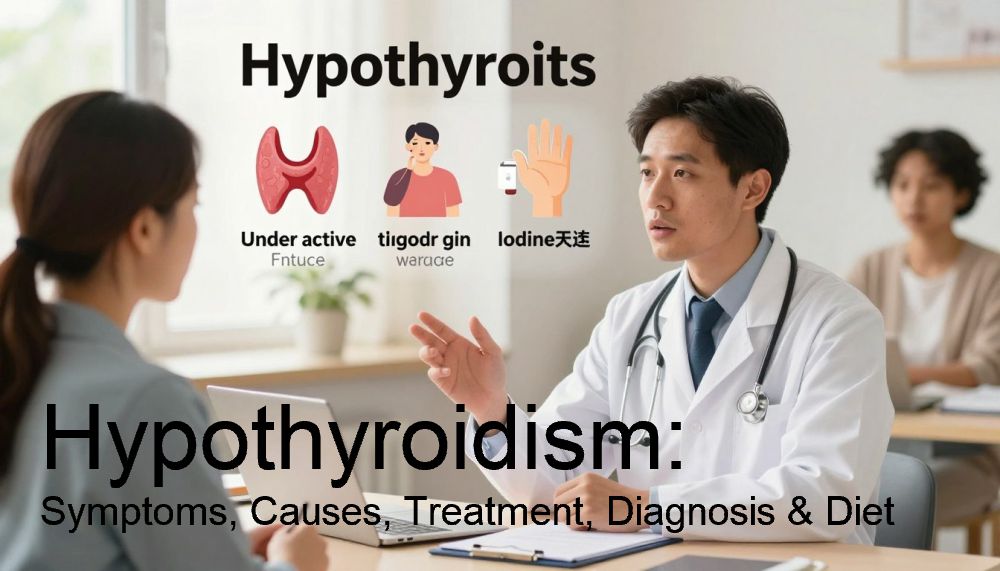
This guide provides a comprehensive look at Hypothyroidism. We will explore how a proper diagnosis leads to effective treatment plans, helping you move toward long-term wellness. Knowledge is your best tool for managing Hypothyroidism and reclaiming your daily energy.
Key Takeaways
- This condition affects millions of people globally, making awareness essential.
- Recognizing early warning signs helps in seeking timely medical advice.
- Understanding the root causes empowers patients to communicate better with doctors.
- Proper diagnosis is the foundation for creating an effective treatment strategy.
- Long-term wellness is achievable through consistent care and informed lifestyle choices.
Understanding the Thyroid Gland and Its Function
Located at the base of your neck, the thyroid gland serves as a vital engine for your metabolic health. This organ is a small, butterfly-shaped structure that works tirelessly to keep your body running smoothly. Because the thyroid is a small part of the thyroid system, its impact on your daily vitality is surprisingly massive.
When the gland functions correctly, it ensures your body has enough thyroid hormone to meet its daily energy demands. The thyroid gland makes and releases these chemical messengers into your bloodstream to reach almost every cell in your body. This process is essential for maintaining homeostasis, which is the internal balance your body needs to thrive.
The Role of Thyroid Hormones in Metabolism
The primary job of these hormones is to regulate how your body uses energy. By controlling your metabolic rate, thyroid hormones help your organs perform their specific tasks efficiently. Without proper thyroid activity, your body may struggle to convert food into the fuel required for movement and thought.
There are several ways these hormones influence your health:
- They regulate your heart rate and body temperature.
- They support healthy digestion and nutrient absorption.
- They assist in the growth and repair of tissues.
- They influence how quickly your body burns calories.
How the Thyroid Gland Communicates with the Brain
Your body uses a sophisticated feedback loop to make thyroid hormones only when they are needed. The brain acts as the control center, constantly monitoring the levels of stored thyroid hormone circulating in your blood. If levels drop, the brain sends a signal to the gland to increase production.
This communication is a delicate dance that can be influenced by various internal and external factors. Stress, illness, or nutritional deficiencies can affect the thyroid and disrupt this natural rhythm. Maintaining optimal thyroid function requires this constant dialogue between your brain and your neck to ensure your metabolism stays perfectly balanced.
What is Hypothyroidism?
When your thyroid gland doesn’t make enough hormones, the entire body feels the impact. Hypothyroidism is a condition that occurs when the thyroid gland fails to produce a sufficient supply of hormones to support your metabolic needs. Because hypothyroidism develops slowly, a person may live with the disease for months or even years before noticing significant changes in their health.
Defining an Underactive Thyroid
Often called an underactive thyroid, this state means your body’s internal systems begin to slow down. When the thyroid gland doesn’t make enough thyroid hormones, your metabolism cannot function at its peak efficiency. This deficiency creates a ripple effect throughout your organs and tissues.
Common indicators that your body is not receiving enough thyroid hormone include:
- Unexplained fatigue or lethargy
- Increased sensitivity to cold temperatures
- Difficulty maintaining a healthy weight
- Persistent feelings of sluggishness
Primary vs. Secondary Hypothyroidism
Medical professionals categorize this condition based on where the breakdown in communication occurs. Primary hypothyroidism happens when the thyroid gland itself is damaged or unable to produce hormones despite receiving signals from the brain. This is the most common form of the condition.
In contrast, secondary hypothyroidism occurs when the pituitary gland fails to send the proper instructions to the thyroid. While the thyroid gland is physically capable of working, it lacks the necessary stimulation to function correctly. Understanding these differences is vital for determining the right path toward recovery and long-term health management.
Common Symptoms of Hypothyroidism
Because hypothyroidism symptoms are often vague, it is easy to overlook them until they impact your daily life. These signs are frequently subtle and can be mistaken for other common health issues, making early recognition vital for your long-term wellness.
When you notice symptoms of the disease, it is important to track how they change over time. Many patients report that hypothyroidism may manifest as a gradual decline in energy or unexplained physical shifts.
Physical Signs and Changes in Appearance
The physical symptoms of hypothyroidism often involve changes that affect your metabolism and skin health. These symptoms include noticeable weight gain despite no changes in your diet, as well as dry, itchy skin.
- Unexplained weight gain or difficulty losing weight
- Brittle nails and thinning hair
- Sensitivity to cold temperatures
- Puffy face or swelling in the neck area
Hypothyroidism also causes changes in your body’s internal thermostat. You might find that you feel cold even when others are comfortable, which is a classic indicator of a slowed metabolic rate.
Cognitive and Emotional Impacts
Beyond physical changes, hypothyroidism may also alter your mental clarity and emotional state. These symptoms include a sense of detachment or difficulty focusing on routine tasks.
Fatigue and Brain Fog
Persistent fatigue is one of the most common complaints among patients. Even after a full night of sleep, you might wake up feeling exhausted, which can cause symptoms of brain fog that make it hard to concentrate at work or home.
Mood Fluctuations and Depression
It is common for hypothyroidism symptoms to affect your mental health. Many people experience mood swings or feelings of sadness that seem to appear without a clear trigger. If you find that your emotional well-being is shifting, it is worth discussing these symptoms like irritability or low mood with a healthcare provider.
Primary Causes of Hypothyroidism
When your thyroid gland can no longer make the hormones your body needs, several underlying factors may be to blame. Understanding these triggers is vital for anyone seeking to manage their metabolic health effectively. While the condition manifests in similar ways, the specific causes of hypothyroidism vary significantly from person to person.
Autoimmune Thyroid Disease and Hashimoto’s Disease
The most common cause of hypothyroidism in the United States is an autoimmune disease known as Hashimoto’s disease. In this condition, your immune system mistakenly identifies your thyroid as a foreign threat. Consequently, the immune system attacks your thyroid, causing chronic inflammation that eventually prevents the gland from functioning properly.
Over time, this persistent damage means the thyroid becomes unable to produce sufficient hormones. Because the body cannot make enough thyroid hormone, the metabolism slows down, leading to the classic symptoms associated with this disorder. It is important to note that this process is often gradual, meaning symptoms may develop slowly over several years.
Surgical Removal and Radiation Therapy
Medical interventions can also lead to hypothyroidism when they directly impact the physical integrity of the gland. For instance, thyroid surgery performed to treat nodules, cancer, or hyperthyroidism often requires the removal of all or part of the gland. If the entire gland is removed, the body will no longer be able to produce the necessary hormones on its own.
Similarly, radiation therapy used to treat head or neck cancers can damage the thyroid tissue. This exposure may lead to hypothyroidism by permanently impairing the gland’s ability to synthesize hormones. In these cases, the thyroid gland may stop working entirely, necessitating lifelong hormone replacement therapy.
Congenital Hypothyroidism and Developmental Factors
Some individuals are born with a thyroid that is underdeveloped or entirely absent, a condition referred to as congenital hypothyroidism. A baby might be born with no thyroid gland at all, or the gland may be located in the wrong place during fetal development. If a child is born without a thyroid, they require immediate medical intervention to ensure proper growth and brain development.
Early screening is critical because being born with a thyroid that is dysfunctional can have long-term health consequences if left untreated. While this form of the condition is present at birth, it remains a significant factor in the broader spectrum of thyroid health. Proper diagnosis shortly after birth allows for effective management of the condition throughout the individual’s life.
Risk Factors and Who is Most Likely to Develop Hypothyroidism
Understanding who is most likely to develop hypothyroidism is a vital step in managing your long-term health. While anyone can experience a thyroid disorder, certain biological and environmental factors significantly increase your susceptibility. Recognizing these patterns allows for earlier screening and more effective management of your overall wellness.
Gender and Age Considerations
Statistically, women are far more likely to develop hypothyroidism than men. This disparity is often linked to hormonal fluctuations and the higher prevalence of autoimmune thyroid conditions in the female population. Research indicates that the risk increases steadily as you age, particularly for individuals over the age of 60.
Because symptoms can sometimes mimic the natural aging process, it is easy to overlook the signs of thyroid disease. If you fall into these demographic categories, staying vigilant about your energy levels and metabolic health is essential. Regular check-ups can help distinguish between normal aging and a potential medical condition.
Family History and Genetic Predisposition
Your genetic makeup plays a significant role in how your immune system interacts with your endocrine system. If you have a close relative with an autoimmune disease, your own risk of developing a similar condition rises. This genetic link is a primary factor when doctors evaluate your likelihood of experiencing types of autoimmune thyroid disorders.
It is important to note that having a family history does not guarantee you will develop hypothyroidism. However, it does mean you should be more proactive about discussing your health history with a physician. Early awareness is the best defense against the progression of any disease or other types of health complications.
The following table outlines key factors that may influence your risk profile regarding thyroid health:
| Risk Category | Primary Concern | Impact Level |
|---|---|---|
| Gender | Female | High |
| Age | 60+ Years | Moderate |
| Genetics | Family History | High |
| Immune Status | Autoimmune History | High |
By understanding these specific to thyroid disease markers, you can take control of your health journey. Always consult with a healthcare professional if you notice persistent changes in your body, as they can provide the necessary testing to confirm or rule out a thyroid disorder.
Hypothyroidism During Pregnancy
If you are pregnant, your thyroid gland works overtime to ensure your baby receives the hormones needed for healthy growth. This tiny gland plays a critical role in your overall well-being and the development of your child. Maintaining balance is essential for a smooth pregnancy journey.
Why Thyroid Hormone Levels Matter for Fetal Development
During the first trimester, your baby relies entirely on your supply of thyroid hormone to develop properly. These hormones are the building blocks for the fetal brain and nervous system. Without enough, the baby may face challenges in cognitive growth and physical development.
Stable thyroid hormone levels act as a foundation for your baby’s future health. When these levels remain within the target range, you significantly reduce the risk of complications. It is a simple yet vital aspect of prenatal care that doctors prioritize during routine checkups.
Managing Thyroid Health Before and After Birth
Addressing hypothyroidism during pregnancy requires a proactive approach and consistent communication with your healthcare team. If you have a history of thyroid issues, your doctor will likely check your blood work as soon as you confirm your pregnancy. Early detection allows for quick adjustments to your medication to keep your body in balance.
Postpartum care is just as important as prenatal monitoring. Your body undergoes significant hormonal shifts after delivery, which can affect your thyroid function. Staying vigilant ensures that you recover well and continue to provide the best care for your newborn.
| Pregnancy Stage | Primary Focus | Action Required |
|---|---|---|
| First Trimester | Fetal Brain Development | Frequent blood tests |
| Second/Third Trimester | Metabolic Support | Dosage adjustments |
| Postpartum | Hormonal Stabilization | Follow-up screening |
By working closely with your endocrinologist or obstetrician, you can manage your thyroid hormone levels effectively. Remember that hypothyroidism during pregnancy is a manageable condition with the right medical support. Your commitment to health today creates a brighter, healthier future for your child.
The Process of Hypothyroidism Diagnosis
When you suspect your thyroid gland is underperforming, medical professionals rely on specific diagnostic tools to confirm the issue. While a doctor may initially suspect the condition based on symptoms, a formal hypothyroidism diagnosis requires objective data. These diagnosis and tests provide the clarity needed to start an effective health journey.
Interpreting Thyroid Blood Tests
The American Thyroid Association recommends specific blood work as the gold standard for identifying thyroid dysfunction. These thyroid blood tests measure how well your endocrine system is functioning by checking hormone concentrations in your bloodstream. By following these established clinical guidelines, your healthcare provider can accurately diagnose hypothyroidism and rule out other potential health concerns.
“The TSH test is the most sensitive and useful tool for the initial screening of thyroid function in the vast majority of patients.”
American Thyroid Association
Understanding TSH, T3, and T4 Levels
To understand your results, it helps to know what these hormones do. TSH, or thyroid-stimulating hormone, is produced by the pituitary gland to tell your thyroid to work. When your body detects low levels of thyroid hormones, the pituitary gland releases more TSH to compensate.
T3 and T4 are the actual hormones produced by the thyroid gland that regulate your metabolism. If your TSH is high but your T4 is low, it confirms that your thyroid is not producing enough hormone. This data is essential for determining the right diagnosis and treatment path for your specific needs.
| Hormone Marker | Typical Indication | Clinical Significance |
|---|---|---|
| High TSH | Underactive Thyroid | Primary Hypothyroidism |
| Low T4 | Insufficient Output | Confirms Hypothyroidism |
| Normal TSH | Healthy Function | No Thyroid Issues |
| Borderline TSH | Mild thyroid concern | Requires Monitoring |
Regular monitoring of these thyroid hormone levels ensures that your treatment remains effective over time. Your doctor will use these numbers to adjust your care plan as your body responds to therapy. Staying informed about your blood work empowers you to take control of your long-term wellness.
Standard Treatment for an Underactive Thyroid
The primary goal when you treat hypothyroidism is to bring your hormone levels back into a healthy balance. Because the gland is no longer producing enough hormones on its own, medical intervention is necessary to support your metabolic functions. Most people with an underactive thyroid find that consistent care helps them regain their energy and overall well-being.
Thyroid Hormone Replacement Therapy
The gold standard for care is thyroid hormone replacement therapy. This treatment for an underactive thyroid involves taking a daily synthetic medication that acts exactly like the natural hormones your body is missing. By replacing these missing chemicals, the medication helps your body function normally again.
Consistency is the most important factor when taking this medication. You should take your pill at the same time every day, usually on an empty stomach, to ensure proper absorption. This simple habit allows your body to maintain a steady level of thyroid hormone throughout the day.
Finding the Right Dosage and Monitoring Progress
Determining the correct amount of thyroid medication is a process that requires patience and collaboration with your doctor. Every individual has unique needs, so your healthcare provider will start with a baseline dose and adjust it based on your specific blood test results. It is common for people with an underactive thyroid to undergo several adjustments before finding the perfect balance.
Regular monitoring is essential to ensure your treatment remains effective over time. Your doctor will likely track your progress using the following methods:
- Routine blood tests: These check your TSH levels to see if your dosage needs to be increased or decreased.
- Symptom tracking: Keeping a journal of how you feel helps your doctor understand if the current dosage is working for your lifestyle.
- Consistent follow-ups: Periodic visits ensure that any changes in your health are addressed quickly.
By taking thyroid hormone medicine as prescribed and attending your check-ups, you can effectively manage your condition. Most patients report feeling significantly better once their levels are stabilized within the target range.
Dietary Considerations and Nutritional Support
Fueling your body with the right nutrients is a cornerstone of living well with an underactive thyroid. While diet alone cannot cure hypothyroidism, making informed choices provides essential support for your overall well-being. Focusing on a balanced intake helps your body maintain steady energy levels throughout the day.
The Role of Iodine in Thyroid Function
Iodine is a vital mineral that your body uses to make thyroid hormones. Without enough of this nutrient, your gland struggles to produce the hormones necessary for a healthy metabolism. It is essential to consume enough iodine to make thyroid hormones, but balance is key.
You should be careful not to overdo it, as excessive intake can sometimes be harmful. In some individuals, too much iodine can make hypothyroidism worse by disrupting the gland’s natural rhythm. Always consult with your healthcare provider before making significant changes to your iodine intake.
Foods to Include and Avoid for Thyroid Health
A diet rich in whole foods, such as lean proteins, fruits, and vegetables, generally supports optimal thyroid function. Selenium-rich foods like Brazil nuts and sunflower seeds are often recommended to help protect the gland. Conversely, highly processed foods and excessive sugar may lead to inflammation, which can complicate your health journey.
Managing Goitrogens in Your Diet
Certain vegetables, such as broccoli, cauliflower, and kale, contain compounds known as goitrogens. These substances may interfere with thyroid hormone production if consumed in very large, raw quantities. However, cooking these vegetables typically neutralizes these effects, making them safe and healthy for most people to enjoy.
The Impact of Supplements on Thyroid Medication
It is important to note that some supplements can affect how your body absorbs your thyroid hormone medication. Minerals like calcium and iron, when taken too close to your daily dose, may block the absorption process. To ensure your medication works effectively, follow your doctor’s advice regarding the timing of your supplements.
| Nutrient/Food Type | Impact on Thyroid | Recommendation |
|---|---|---|
| Iodine | Essential for hormone synthesis | Maintain moderate, balanced intake |
| Goitrogens | May inhibit hormone production | Cook vegetables to reduce impact |
| Calcium/Iron | Can block medication absorption | Space out from medication dose |
| Selenium | Supports healthy thyroid function | Include in a balanced diet |
Potential Complications of Untreated Hypothyroidism
While many people manage their thyroid levels easily, untreated hypothyroidism can lead to serious health complications. When the body lacks sufficient thyroid hormone, it struggles to maintain its normal, healthy balance. This disruption affects various organ systems, making consistent medical care essential for long-term wellness.
Heart Health and Cholesterol Levels
One of the most significant ways hypothyroidism can cause long-term damage is through its impact on the cardiovascular system. Low hormone levels often result in elevated cholesterol, which increases the risk of heart disease over time. Patients may notice that their blood pressure changes or that their heart rate slows down significantly.
Because thyroid disease influences how the body processes fats, high cholesterol is a common marker for those with an underactive thyroid. If left unaddressed, these cardiovascular changes can lead to more severe heart issues. Regular blood work helps doctors catch these shifts before they become dangerous.
Myxedema Coma and Other Severe Risks
In rare and extreme cases, untreated hypothyroidism can progress to a life-threatening state known as myxedema coma. This condition requires immediate emergency medical intervention to stabilize the patient. While this is not a common outcome, it serves as a reminder of why consistent treatment is so vital.
Patients should also be aware that chronic inflammation from thyroid issues might increase the risk of developing thyroid nodules or, in specific instances, thyroid cancer. Staying proactive with your health plan is the best way to avoid these severe risks. The following table outlines the potential differences between managed and unmanaged thyroid health.
| Health Factor | Managed Thyroid | Untreated Hypothyroidism |
|---|---|---|
| Cholesterol Levels | Stable and healthy | Often elevated |
| Heart Function | Normal rhythm | Increased cardiovascular risk |
| Emergency Risk | Very low | Potential for myxedema coma |
| Overall Stability | High | Low and unpredictable |
Lifestyle Adjustments for Managing Thyroid Health
Living with hypothyroidism requires a holistic approach that goes beyond just taking medication. While clinical treatment is essential, your daily habits serve as the foundation for your overall well-being. Making intentional choices can help you regain control over your energy levels and mood.
Stress Management and Sleep Hygiene
Chronic stress can significantly impact your endocrine system, often worsening the symptoms of a thyroid disorder. When you are constantly under pressure, your body produces excess cortisol, which may interfere with thyroid hormone conversion. Prioritizing restorative sleep is one of the most effective ways to support your recovery.
“The bridge between despair and hope is a good night’s sleep.”
Matthew Walker
To improve your sleep hygiene and manage stress, consider these simple strategies:
- Establish a consistent bedtime routine to regulate your internal clock.
- Practice mindfulness or deep breathing exercises to lower daily anxiety.
- Limit screen time at least one hour before bed to improve sleep quality.
Regular Exercise and Metabolic Support
For people with hypothyroidism, maintaining a healthy metabolism is a common challenge. Regular physical activity acts as a natural booster for your metabolic rate and helps combat the fatigue often associated with a thyroid problem. You do not need to engage in intense training to see benefits; consistency is far more important than intensity.
Engaging in moderate exercise, such as walking, swimming, or yoga, can help you manage your weight effectively. These activities also release endorphins, which are vital for stabilizing your mood. While these habits cannot prevent hypothyroidism, they are powerful tools for those already diagnosed to feel their best.
Always listen to your body when starting a new fitness routine. If you feel overwhelmed, scale back and focus on gentle movements that support your long-term health goals. Remember that small, sustainable changes are the key to thriving while managing your condition.
Conclusion
Managing your health requires a proactive approach to your daily habits and medical care. Living with a thyroid condition becomes much easier when you prioritize consistent routines and open communication with your doctor.
You hold the power to improve your quality of life by staying informed about your specific needs. Small changes in your diet and stress management can make a significant difference in how you feel every day.
Do not underestimate the impact of taking your medication exactly as prescribed. Regular blood tests provide the data your medical team needs to adjust your treatment plan for optimal results.
Understanding your Hypothyroidism allows you to navigate challenges with confidence. Reach out to your local healthcare provider if you notice new symptoms or changes in your energy levels.
Your journey toward wellness is a marathon rather than a sprint. Stay patient with your body as you find the right balance for your unique metabolism. You deserve to feel your best while managing this common health challenge.
FAQ
What exactly is hypothyroidism and how does it affect the body?
Hypothyroidism is a condition that occurs when your thyroid gland doesn’t make enough thyroid hormones to meet your body’s metabolic needs. Since the thyroid is a small, butterfly-shaped gland that controls how your body uses energy, having an underactive thyroid can cause your body’s functions to slow down. This thyroid disorder often develops slowly, and many people don’t notice symptoms of the disease for months or even years.
What are the most common symptoms of hypothyroidism to look out for?
Symptoms of hypothyroidism can be subtle at first but typically include persistent fatigue, brain fog, and unexplained weight gain. Other symptoms include feeling cold frequently, dry skin, and mood fluctuations such as depression. Because these hypothyroidism symptoms overlap with many other health issues, a professional hypothyroidism diagnosis through blood work is the only way to confirm the condition.
What is the most common cause of hypothyroidism in the United States?
The most common cause of hypothyroidism is an autoimmune diseasecalled Hashimoto’s disease. In this condition, your immune system attacks your thyroid, causing inflammation that prevents the gland from being able to make enough thyroid hormone. Other causes of hypothyroidism can include thyroid surgery to treat thyroid nodules or thyroid cancer, as well as radiation therapy for other medical conditions.
How do doctors typically diagnose an underactive thyroid?
To diagnose hypothyroidism, healthcare providers rely on thyroid blood tests that measure your thyroid hormone levels. The American Thyroid Association recommends the TSH (thyroid-stimulating hormone) test as the primary tool. If your TSH is high, it usually indicates that your thyroid gland doesn’t make enough hormone, signaling primary hypothyroidism. Doctors may also check T4 and T3 levels to get a full picture of your thyroid function.
What is the standard treatment for hypothyroidism?
The standard treatment for an underactive thyroid is thyroid hormone replacement therapy. This involves taking thyroid hormone medicine, such as Synthroid or Levoxyl, on a daily basis. This medication provides the exact amount of thyroid hormone your body is missing, helping to restore your metabolism and eliminate symptoms like fatigue and weight gain.
Can you be born with a thyroid problem?
Yes, some babies are born with no thyroid gland or a gland that is not fully developed, which is known as congenital hypothyroidism. Most infants are screened for this at birth because being born without a thyroid requires immediate treatment with thyroid hormone to ensure healthy growth and brain development.
How does hypothyroidism during pregnancy affect the mother and baby?
Managing hypothyroidism during pregnancy is vital because thyroid hormones help support the neurological development of the fetus. If the mother’s thyroid gland may not be producing enough thyroid hormone to meet the increased demands of pregnancy, it could lead to hypothyroidism complications. Obstetricians closely monitor thyroid activity to ensure the mother’s dosage of stored thyroid hormone replacement is sufficient.
Are there dietary changes or supplements that can help?
While diet alone cannot cure the condition, your thyroid gland makes hormones using iodine. However, it is important to be careful, as excessive iodine can make hypothyroidism worse for those with autoimmune thyroid disease. Some foods can also interfere with thyroid hormone production if eaten in massive quantities, so it is best to focus on a balanced diet and consult your doctor before starting new supplements that might affect the thyroid.
What happens if hypothyroidism is left untreated?
Untreated hypothyroidism can lead to serious health complications, such as high cholesterol, heart disease, and decreased mental acuity. In very rare, severe cases, hypothyroidism can lead to a life-threatening state called myxedema coma. Fortunately, most people with an underactive thyroid can prevent these risks entirely by staying consistent with their thyroid hormone replacement medication.
What is the difference between primary and secondary hypothyroidism?
Primary hypothyroidism occurs when the thyroid gland itself is damaged and cannot make thyroid hormones. Secondary hypothyroidism is much less common and happens when your thyroid gland is actually healthy, but the pituitary gland in the brain fails to send the necessary signals (TSH) to tell the thyroid to work. Both conditions result in low levels of thyroid hormone in the bloodstream and require medical management.