A well-researched eating plan, the DASH diet is designed to help individuals manage hypertension and improve overall health.
By focusing on whole grains, fruits, vegetables, lean proteins, and low-fat dairy products, this balanced approach to eating can help reduce the risk of heart disease.
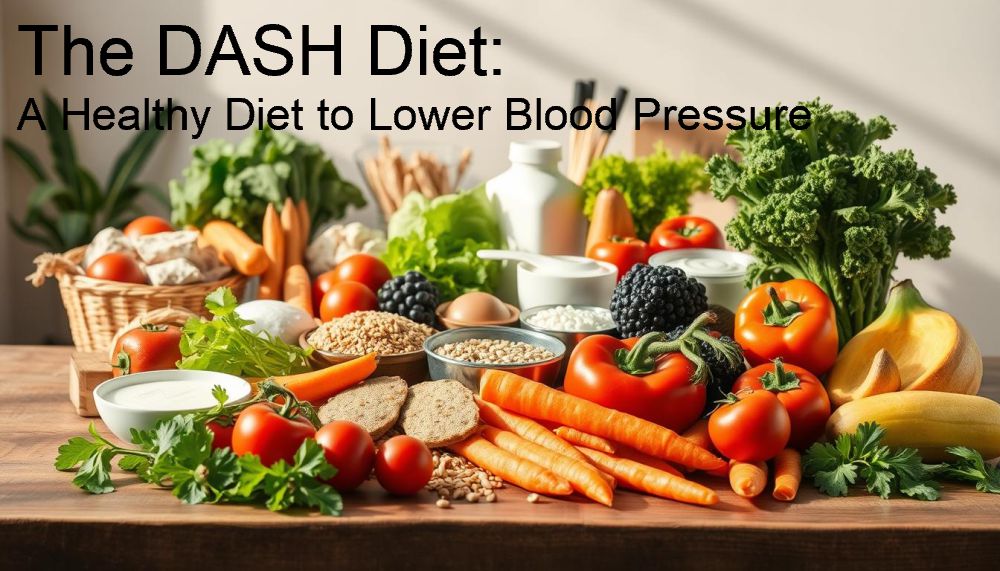
Following the DASH diet can lead to significant improvements in overall health and well-being, making it an ideal healthy eating plan for those looking to lower blood pressure.
Key Takeaways
- A balanced eating plan that focuses on whole grains, fruits, and vegetables
- Helps manage hypertension and reduce the risk of heart disease
- Emphasizes lean proteins and low-fat dairy products
- Can lead to significant improvements in overall health and well-being
- A well-researched approach to healthy eating
What Is the DASH Diet?
The DASH diet is a well-structured eating plan designed to help manage hypertension. It’s a dietary approach that focuses on consuming a variety of foods rich in nutrients, which in turn helps to lower blood pressure and improve overall health.
Definition and Purpose
The DASH diet is defined as a balanced eating plan that is rich in fruits, vegetables, whole grains, and lean proteins. Its primary purpose is to help individuals manage hypertension through dietary changes. By focusing on nutrient-dense foods, the DASH diet aims to provide a sustainable and healthy approach to lowering blood pressure.
As noted by health experts, “The DASH diet is a highly effective eating plan for reducing blood pressure and promoting overall cardiovascular health.” This is achieved through a balanced intake of essential nutrients.
DASH Stands for Dietary Approaches to Stop Hypertension
DASH stands for Dietary Approaches to Stop Hypertension, a name that reflects the diet’s core objective. The diet was developed to combat high blood pressure through dietary adjustments. By understanding what DASH stands for, individuals can better appreciate the diet’s underlying principles and its potential benefits for cardiovascular health.
The key components of the DASH diet can be summarized in the following table:
| Food Group | Recommended Servings |
|---|---|
| Fruits | 4-5 servings/day |
| Vegetables | 4-5 servings/day |
| Whole Grains | 6-8 servings/day |
By following the DASH diet’s guidelines, individuals can make significant improvements in their blood pressure levels and overall health.
The History and Development of The DASH Diet
The DASH diet was developed through rigorous research at the National Heart, Lung, and Blood Institute. This diet has become a cornerstone in the management of hypertension and has a rich history rooted in scientific research.
Origins at the National Heart, Lung, and Blood Institute
The National Heart, Lung, and Blood Institute (NHLBI) initiated the research that led to the development of the DASH diet. The primary goal was to investigate dietary approaches that could effectively lower blood pressure and improve overall cardiovascular health. The NHLBI conducted comprehensive studies to identify the most beneficial dietary patterns.
Evolution of DASH Research
Over time, the DASH diet has evolved based on ongoing research and findings. Initial studies focused on the diet’s effectiveness in lowering blood pressure, and subsequent research expanded to explore its impact on other health outcomes, such as heart health and weight management. The continuous evolution of the DASH diet ensures it remains a relevant and effective dietary approach.
The research has not only validated the diet’s benefits but has also led to refinements in its recommendations, making it a dynamic and evidence-based dietary plan.
Understanding Hypertension and Its Risks
Hypertension, or high blood pressure, is a significant health concern affecting millions worldwide. It is a condition that can lead to severe health issues if not properly managed. Understanding the risks and implications of hypertension is crucial for appreciating the importance of diets like DASH, which aim to mitigate these risks.
What Is High Blood Pressure?
High blood pressure, or hypertension, occurs when the force of blood against the artery walls is consistently too high. This condition can lead to the arteries becoming damaged, narrowed, or even ruptured over time. Blood pressure is measured in millimeters of mercury (mmHg), and a reading of 130/80 mmHg or higher is generally considered hypertensive.
Health Complications of Untreated Hypertension
If left untreated, hypertension can lead to serious health complications, including heart disease, stroke, kidney disease, and vision loss. The increased pressure against the artery walls can cause them to weaken and potentially rupture, leading to cardiovascular events. Regular monitoring and management of blood pressure are critical to preventing these outcomes.
| Health Complication | Description |
|---|---|
| Heart Disease | Increased risk of heart failure and coronary artery disease due to high blood pressure. |
| Stroke | Potential for weakened blood vessels in the brain to rupture, leading to a stroke. |
| Kidney Disease | Damage to the kidneys’ blood vessels, impairing their ability to function properly. |
Risk Factors for Developing High Blood Pressure
Several risk factors contribute to the development of high blood pressure, including genetics, age, obesity, physical inactivity, and a diet high in sodium and low in potassium. Understanding these risk factors can help individuals take preventive measures to reduce their likelihood of developing hypertension.
By recognizing the risks associated with hypertension and understanding its causes and complications, individuals can better appreciate the importance of adopting a healthy lifestyle, including dietary approaches like the DASH diet, to manage and potentially lower their blood pressure.
How the DASH Diet Lowers Blood Pressure
The DASH diet is renowned for its effectiveness in lowering blood pressure through a balanced eating plan. By focusing on whole grains, fruits, vegetables, lean proteins, and low-fat dairy, this diet provides a comprehensive approach to managing hypertension.
The Science Behind Blood Pressure Reduction
Blood pressure reduction through the DASH diet is primarily achieved by minimizing sodium intake and maximizing nutrient-rich foods. Reducing sodium is crucial as excessive sodium can lead to higher blood pressure in some individuals. The DASH diet recommends limiting sodium to less than 2,300 milligrams per day, with an ideal limit of 1,500 milligrams for further blood pressure reduction.
The diet’s emphasis on potassium-rich foods like fruits and vegetables helps counteract the effects of sodium and lower blood pressure. Additionally, the DASH diet’s inclusion of calcium and magnesium through dairy and leafy greens supports vascular health.
Key Nutrients That Help Control Blood Pressure
Several key nutrients play a significant role in controlling blood pressure. These include:
- Potassium: Helps balance sodium levels and relax blood vessel walls.
- Calcium: Essential for vascular contraction and relaxation.
- Magnesium: Supports blood vessel function and energy production.
- Fiber: Aids in cholesterol reduction and improves cardiovascular health.
By incorporating foods rich in these nutrients, individuals can better manage their blood pressure. The DASH diet’s balanced approach ensures that followers receive a broad spectrum of essential nutrients.
Overall, the DASH diet offers a sustainable and effective strategy for lowering blood pressure through dietary changes. By understanding the science behind blood pressure reduction and focusing on key nutrients, individuals can take proactive steps towards better cardiovascular health.
Scientific Evidence Supporting the DASH Diet
The DASH diet has been extensively studied, and the scientific evidence supporting its effectiveness is substantial. This dietary approach has been the subject of numerous clinical trials and research studies, all of which have contributed to our understanding of its benefits.
Major Clinical Studies and Their Findings
Several landmark studies have investigated the impact of the DASH diet on blood pressure and overall cardiovascular health. One of the most significant was the original DASH trial, which demonstrated that the diet could lower blood pressure in both hypertensive and normotensive individuals. Subsequent studies have reinforced these findings, showing that the DASH diet can be an effective strategy for managing hypertension.
Effects on Systolic and Diastolic Blood Pressure
The DASH diet has been shown to have a positive effect on both systolic and diastolic blood pressure. By emphasizing nutrient-rich foods and reducing sodium intake, the diet helps to relax blood vessels and improve overall cardiovascular function. Studies have consistently demonstrated that adherence to the DASH diet can lead to significant reductions in blood pressure, thereby reducing the risk of heart disease and stroke.
The diet’s impact on blood pressure is attributed to its focus on whole grains, fruits, vegetables, lean proteins, and low-fat dairy products. These foods provide essential nutrients like potassium, calcium, and magnesium, which play critical roles in maintaining healthy blood pressure.
DASH Diet Food Groups and Recommended Servings
To follow the DASH diet effectively, it’s crucial to understand the recommended food groups and their serving sizes. The DASH diet is designed to be rich in nutrients, focusing on a variety of foods that are known to help lower blood pressure and improve overall health.
Fruits and Vegetables
Fruits and vegetables are a cornerstone of the DASH diet, providing essential vitamins, minerals, and fiber. The diet recommends consuming about 4-5 servings of fruits and 4-5 servings of vegetables daily. A serving size can be a medium-sized fruit, 1/2 cup of cooked vegetables, or a cup of raw leafy greens. These foods are not only filling but also rich in potassium, magnesium, and fiber, which are crucial for heart health.
Whole Grains
Whole grains are another key component, recommended at 6-8 servings per day. Whole grains include foods like brown rice, quinoa, whole wheat bread, and whole grain pasta. These foods are rich in fiber, vitamins, and minerals, helping to keep you full and satisfied while supporting heart health.
Lean Proteins
The DASH diet includes lean proteins, suggesting 6 or fewer servings per day. Lean proteins can come from poultry, fish, and beans. These foods are rich in protein and low in saturated fat, making them heart-healthy choices. A serving size is typically about 3 ounces cooked.
Low-Fat Dairy Products
Low-fat or fat-free dairy products are recommended for 2-3 servings daily. These include milk, yogurt, and cheese. Dairy products are a good source of calcium, vitamin D, and protein. Choosing low-fat or fat-free options helps reduce saturated fat intake.
Nuts, Seeds, and Legumes
Nuts, seeds, and legumes are included in the DASH diet for their nutritional benefits, recommended at 4-5 servings per week. These foods are rich in healthy fats, protein, and fiber. A serving size is typically 1/3 cup of nuts, 2 tablespoons of peanut butter, or 1/2 cup of cooked legumes. They can be a healthy snack or added to meals for extra nutrition.
By focusing on these food groups and adhering to the recommended servings, individuals can effectively follow the DASH diet and potentially lower their blood pressure while improving overall health.
Sodium Restrictions in the DASH Diet
The DASH diet’s effectiveness is significantly enhanced by its focus on reducing sodium consumption. High sodium intake is a significant risk factor for developing high blood pressure, and reducing it can help manage hypertension.
Standard vs. Low-Sodium DASH Approaches
The DASH diet offers two sodium intake plans: a standard DASH diet, which allows up to 2,300 milligrams of sodium per day, and a low-sodium DASH diet, which limits sodium to 1,500 milligrams per day. The low-sodium approach is particularly beneficial for individuals with hypertension or those who are sensitive to sodium.
Key differences between the two plans include:
- Daily sodium intake limits
- Food choices that are lower in sodium
- Increased emphasis on potassium-rich foods to counterbalance sodium’s effects
Reading Food Labels for Sodium Content
To effectively follow the DASH diet, it’s crucial to understand how to read food labels for sodium content. Here are some tips:
- Check the serving size and the number of servings per container.
- Look at the % Daily Value (DV) for sodium. 5% DV or less is considered low, while 20% DV or more is high.
- Be aware of sodium-related terms like “low-sodium,” “reduced sodium,” and “sodium-free.”
- Choose products with lower sodium content when possible.
By being mindful of sodium intake and choosing low-sodium options, individuals can better manage their blood pressure and improve their overall health.
Creating a DASH Diet Meal Plan
Creating a meal plan that adheres to the DASH diet principles can significantly enhance its effectiveness. A well-structured meal plan helps in managing daily nutrient intake, ensuring that you stay on track with your health goals.
Sample Daily Menus
Sample daily menus provide a practical guide to implementing the DASH diet. For example, a typical day could start with oatmeal with fresh berries and a splash of low-fat milk, followed by a mid-morning snack of carrot sticks with hummus. Lunch could include a grilled chicken salad with mixed greens, cherry tomatoes, and a light vinaigrette dressing. Dinner might feature baked salmon with quinoa and steamed broccoli. These meals are not only delicious but also packed with nutrients that support blood pressure management.
Meal Prep Strategies
Effective meal prep is crucial for sticking to the DASH diet. Start by planning your meals for the week, making a grocery list based on DASH diet recommendations. Batch cooking is another useful strategy; prepare large quantities of a single ingredient like brown rice or grilled chicken, which can be used in various meals throughout the week. Additionally, portioning out snacks and meals in advance can help avoid last-minute, unhealthy choices.
DASH-Friendly Recipes
Incorporating DASH-friendly recipes into your meal plan can make the diet more enjoyable and sustainable. For instance, a vegetable stir-fry with tofu is a quick and nutritious option that aligns with DASH guidelines. Another idea is lentil soup, which is rich in fiber and protein. Experimenting with herbs and spices can add flavor without adding salt, making meals more enjoyable while keeping within the DASH diet’s sodium limits.
Benefits of the DASH Diet Beyond Blood Pressure
In addition to lowering blood pressure, the DASH diet has been shown to have numerous other positive effects on health. The comprehensive approach of this diet provides a wide range of benefits that can improve overall well-being.
Heart Health Improvements
The DASH diet is designed to promote heart health by focusing on nutrient-rich foods that are low in saturated fats, cholesterol, and sodium. By emphasizing fruits, vegetables, whole grains, and lean proteins, this diet helps to reduce the risk of heart disease. The dietary pattern can help lower LDL cholesterol levels, improve blood vessel function, and reduce inflammation, all of which contribute to a healthier cardiovascular system.
Weight Management
Many individuals who adopt the DASH diet also experience weight loss or improved weight management. The diet’s emphasis on whole, unprocessed foods and portion control helps to naturally regulate calorie intake. By incorporating a variety of nutrient-dense foods, individuals can feel full and satisfied while consuming fewer calories, making it easier to maintain a healthy weight over time.
Reduced Risk of Chronic Diseases
The DASH diet has been associated with a reduced risk of several chronic diseases beyond hypertension and heart disease. The diet’s rich content of fruits, vegetables, and whole grains provides essential nutrients and antioxidants that can help protect against conditions such as type 2 diabetes and certain types of cancer. By adopting the DASH diet, individuals can take a proactive approach to reducing their risk of developing these serious health conditions.
Overall, the DASH diet offers a comprehensive approach to improving health and reducing the risk of chronic diseases. By incorporating the principles of this diet into daily life, individuals can experience a wide range of benefits that extend far beyond just lowering blood pressure.
Comparing DASH to Other Popular Diets
When it comes to dietary approaches for improving health, several options are available, each with its unique benefits and drawbacks. The DASH diet, in particular, has gained recognition for its effectiveness in lowering blood pressure. To understand its relative advantages, it’s helpful to compare it with other popular diets.
DASH vs. Mediterranean Diet
The Mediterranean diet, rich in fruits, vegetables, whole grains, and healthy fats, is known for its cardiovascular benefits. While both the DASH and Mediterranean diets emphasize whole foods and are high in fiber, the Mediterranean diet allows for more flexibility in terms of fat intake, including healthy fats like olive oil. In contrast, the DASH diet focuses more on reducing sodium intake.
DASH vs. Low-Carb Approaches
Low-carb diets, which restrict the intake of carbohydrates, can lead to weight loss and improved blood sugar control. However, they may not be as effective in lowering blood pressure as the DASH diet. The DASH diet’s balanced approach, including whole grains, fruits, and vegetables, provides a more sustainable eating plan for many individuals.
DASH vs. Standard American Diet
The Standard American Diet is typically high in processed foods, sodium, and unhealthy fats. In contrast, the DASH diet promotes a significant reduction in sodium intake and emphasizes whole, nutrient-dense foods. This comparison highlights the potential health benefits of adopting the DASH diet over the typical American eating pattern.
| Diet | Key Features | Health Benefits |
|---|---|---|
| DASH Diet | Low sodium, high fruits and vegetables, whole grains | Lowers blood pressure, heart health |
| Mediterranean Diet | High in healthy fats, whole grains, fruits, and vegetables | Cardiovascular health, weight management |
| Low-Carb Diets | Restricted carbohydrate intake | Weight loss, improved blood sugar control |
| Standard American Diet | High in processed foods, sodium, and unhealthy fats | Limited health benefits, potential for negative health impacts |
Tips for Successfully Following the DASH Diet
The key to reaping the rewards of the DASH diet lies in understanding how to implement it effectively in daily life. To help individuals stay on track, here are some valuable tips and strategies.
Gradual Implementation Strategies
Implementing the DASH diet gradually can make the transition smoother and more sustainable. Start by making small changes, such as increasing your intake of fruits and vegetables or switching from white to whole grain bread. Gradually reducing sodium intake is also crucial; begin by cutting back on high-sodium foods and seasoning your meals with herbs and spices instead.
- Increase fruit and vegetable servings gradually.
- Switch to whole grains from refined grains.
- Reduce sodium intake by limiting processed foods.
Dining Out While Following DASH
Dining out doesn’t have to derail your DASH diet progress. When eating out, choose restaurants that offer healthy options, and don’t hesitate to ask for modifications to suit your dietary needs. Opt for dishes that are rich in vegetables and lean proteins, and be mindful of portion sizes. Communicating with your server about your dietary preferences can make a big difference in making healthy choices.
“Eating out is not about giving up your dietary goals; it’s about making informed choices that align with your health objectives.”
Overcoming Common Challenges
Common challenges when following the DASH diet include managing cravings for high-sodium or high-fat foods and dealing with the initial adjustment period. Planning ahead is key; having healthy snacks on hand and preparing meals in advance can help mitigate these challenges. Additionally, finding healthy alternatives to your favorite indulgences can make the diet more enjoyable and sustainable.
- Plan meals and snacks in advance.
- Find healthy alternatives to your favorite treats.
- Stay hydrated to reduce cravings for unhealthy snacks.
By incorporating these strategies into your lifestyle, you can successfully follow the DASH diet and enjoy its numerous health benefits.
Potential Challenges and Side Effects
While the DASH diet offers numerous health benefits, it also presents several challenges. Adopting this diet requires significant changes in eating habits, which can be daunting for many individuals.
Dietary Adjustments and Taste Preferences
One of the primary challenges is adjusting to the new dietary recommendations. The DASH diet emphasizes whole grains, fruits, and vegetables, which can be a departure from typical dietary patterns. Some individuals may find it difficult to adapt to the reduced sodium intake or to incorporate more servings of fruits and vegetables.
Managing Increased Fiber Intake
A significant increase in fiber intake, while beneficial for health, can also lead to gastrointestinal side effects such as bloating or gas. Gradually increasing fiber consumption and ensuring adequate hydration can help mitigate these effects.
Special Considerations for Certain Health Conditions
Individuals with certain health conditions, such as kidney disease, need to be cautious when adopting the DASH diet. For instance, those with kidney disease may need to limit their intake of potassium-rich foods, which are otherwise encouraged in the DASH diet.
| Health Condition | DASH Diet Consideration |
|---|---|
| Kidney Disease | Limit potassium-rich foods |
| Diabetes | Monitor carbohydrate intake |
| Gastrointestinal Issues | Gradually increase fiber intake |
Who Should Consider the DASH Diet?
Certain groups of people can significantly benefit from adopting the DASH diet. This dietary approach is particularly beneficial for individuals who are at risk of or are already experiencing hypertension.
Ideal Candidates for the DASH Approach
The DASH diet is suitable for individuals with high blood pressure or those who are at risk of developing it. Key candidates include:
- People with hypertension or prehypertension
- Those with a family history of high blood pressure
- Individuals who are overweight or obese
- People with diabetes or kidney disease
Consulting Healthcare Providers Before Starting
Before starting the DASH diet, it is crucial to consult with a healthcare provider, especially for individuals with underlying health conditions. A healthcare professional can help determine if the DASH diet is appropriate and make necessary adjustments based on individual health needs.
By consulting with a healthcare provider, individuals can ensure a safe and effective transition to the DASH diet, maximizing its benefits for their specific health situation.
Conclusion
The DASH diet is a well-rounded eating plan that has been proven to lower blood pressure and improve overall health. By focusing on whole grains, fruits, vegetables, lean proteins, and low-fat dairy products, individuals can adopt a healthy eating lifestyle that reduces the risk of chronic diseases.
A key aspect of the DASH diet is its emphasis on nutrient-rich foods, which help control blood pressure and promote heart health. The diet’s flexibility and variety make it an attractive option for those seeking a sustainable eating plan.
In conclusion, the DASH diet summary highlights its effectiveness as a healthy eating plan for blood pressure management. By incorporating the principles outlined in this diet, individuals can take a significant step towards achieving better health and reducing their risk of cardiovascular disease.
As a long-term strategy, the DASH diet offers a balanced and enjoyable approach to healthy eating, making it an ideal choice for those looking to improve their overall well-being.
FAQ
What is the DASH diet?
The DASH diet, which stands for Dietary Approaches to Stop Hypertension, is a well-researched eating plan designed to help lower blood pressure and improve overall health. It focuses on whole grains, fruits, vegetables, lean proteins, and low-fat dairy products.
How does the DASH diet help lower blood pressure?
The DASH diet helps lower blood pressure by emphasizing nutrient-rich foods that are low in sodium, saturated fat, and added sugars. It is rich in potassium, magnesium, calcium, and fiber, which are key nutrients that help control blood pressure.
What are the recommended servings for food groups in the DASH diet?
The DASH diet recommends a variety of servings from different food groups, including 5 servings a day of fruits and vegetables, 6-8 servings a day of whole grains, 2-3 servings a day of lean proteins, 2-3 servings a day of low-fat dairy products, and 4-5 servings a week of nuts, seeds, and legumes.
How much sodium is allowed on the DASH diet?
The standard DASH diet allows up to 2,300 milligrams of sodium per day, while the low-sodium DASH diet limits sodium intake to 1,500 milligrams per day.
Can I follow the DASH diet if I have other health conditions?
Yes, the DASH diet is generally considered safe and healthy for most people, including those with certain health conditions. However, it’s always best to consult with a healthcare provider before starting any new diet, especially if you have kidney disease or other conditions that require special dietary considerations.
How long does it take to see the benefits of the DASH diet?
Some people may see improvements in blood pressure within a few weeks of following the DASH diet, while others may take longer. It’s essential to be patient and consistent with the diet to achieve the best results.
Can I still eat out while following the DASH diet?
Yes, you can still eat out while following the DASH diet. Just be mindful of the menu choices and opt for dishes that are low in sodium, saturated fat, and added sugars. You can also ask for modifications to suit your dietary needs.
Is the DASH diet suitable for weight loss?
While the DASH diet is primarily designed to help lower blood pressure, it can also be an effective approach for weight loss, especially when combined with regular physical activity and a calorie-controlled eating plan.
How does the DASH diet compare to other popular diets?
The DASH diet is often compared to other healthy eating plans, such as the Mediterranean diet. While both diets share some similarities, the DASH diet is specifically designed to help lower blood pressure, making it a unique and valuable approach for those with hypertension.