Tinnitus, commonly known as ringing in ears, is a condition that affects millions of people worldwide. It’s characterized by the perception of noise or ringing in the ears when no external sound is present.
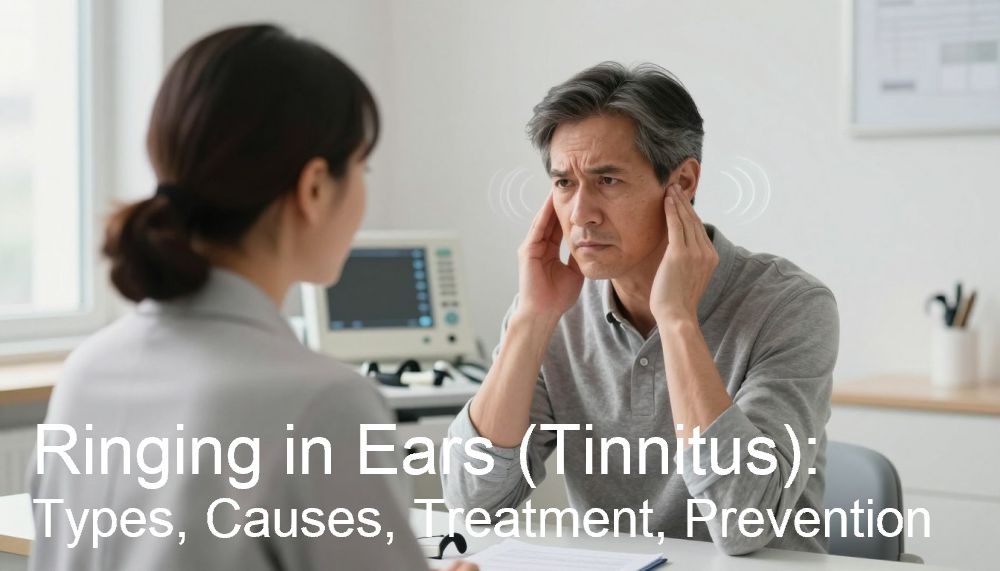
This condition can manifest in different forms, such as pulsatile or constant tinnitus, and can be caused by various factors, including hearing loss or exposure to loud noises. Understanding the causes and tinnitus treatment options is crucial for managing the condition.
Consulting an audiologist can help determine the best course of action, which may include the use of hearing aids or other therapeutic measures.
Key Takeaways
- Tinnitus is a common condition characterized by ringing or noise in the ears.
- It can be caused by various factors, including hearing loss and exposure to loud noises.
- Consulting an audiologist is essential for determining the best treatment.
- Treatment options may include hearing aids or other therapeutic measures.
- Understanding tinnitus and its causes is crucial for effective management.
What Is That Noise? Understanding Tinnitus
Understanding tinnitus begins with recognizing its prevalence and impact on those affected. Tinnitus is characterized by the perception of noise or ringing in the ears when no external sound is present. It’s a common condition that affects millions of people worldwide.
How Common Is Tinnitus?
Tinnitus is more common than one might think. According to recent studies, approximately 15% to 20% of the global population experiences some form of tinnitus. It’s particularly prevalent among older adults, with the condition being more common in those over the age of 60. This prevalence highlights the need for awareness and understanding of tinnitus.
How Tinnitus Affects Quality of Life
Tinnitus can significantly impact an individual’s quality of life. The constant perception of noise can lead to various physical, emotional, and cognitive challenges. Understanding these impacts is crucial for developing effective management strategies.
Physical and Emotional Impacts
The physical impacts of tinnitus can include headaches, fatigue, and stress. Emotionally, individuals may experience anxiety, depression, and irritability. These effects underscore the importance of addressing tinnitus comprehensively.
Sleep and Concentration Issues
Tinnitus often disrupts sleep patterns, leading to insomnia or poor sleep quality. Additionally, the constant noise can affect concentration and the ability to focus on daily tasks. These issues can further exacerbate the emotional and physical impacts, creating a cycle that can be challenging to break.
In conclusion, tinnitus is not just a minor annoyance but a condition that can have profound effects on an individual’s life. Recognizing its prevalence and understanding its impacts are the first steps towards managing and mitigating its effects.
Ringing in Ears: Different Types of Tinnitus
Understanding the different types of tinnitus is crucial for both diagnosis and treatment. Tinnitus, characterized by the perception of ringing or other noises in the ears, can be categorized into several types based on its characteristics and causes.
Subjective Tinnitus
Subjective tinnitus is the most common form of tinnitus, where only the affected individual can hear the noise. This type is often associated with problems related to the auditory nerve or parts of the brain that process sound.
Neurological Tinnitus
Neurological tinnitus is linked to issues within the brain’s neural networks. It can result from various factors, including head injuries or certain neurological conditions.
Somatic Tinnitus
Somatic tinnitus is related to physical conditions or injuries that are not directly related to the ear. For example, temporomandibular joint (TMJ) disorders can cause somatic tinnitus.
Objective Tinnitus
Objective tinnitus is a rare form where both the patient and an examiner can hear the sound. This type is often related to vascular or muscular issues.
Pulsatile Tinnitus
Pulsatile tinnitus is characterized by a rhythmic sound that synchronizes with the patient’s heartbeat. It can be a sign of a vascular condition or other underlying health issues.
| Type of Tinnitus | Description | Common Causes |
|---|---|---|
| Subjective Tinnitus | Only the affected individual can hear the noise. | Auditory nerve issues, brain processing problems. |
| Objective Tinnitus | Both the patient and examiner can hear the sound. | Vascular or muscular issues. |
| Pulsatile Tinnitus | Rhythmic sound synchronizing with the heartbeat. | Vascular conditions, other health issues. |
Tinnitus retraining therapy (TRT) is a treatment option that aims to help patients habituate to the tinnitus sounds, reducing their perception and impact on daily life.
Common Causes of Tinnitus
Understanding the causes of tinnitus is crucial for effective management and treatment. Tinnitus, characterized by ringing or other sounds in the ears, can be triggered by a variety of factors. These causes can range from common issues like hearing loss and exposure to loud noises, to less common conditions such as ear bone changes and blood vessel disorders.
Hearing Loss and Tinnitus
Hearing loss is a significant cause of tinnitus. When individuals experience hearing loss, the brain may compensate for the lack of sound input by creating the perception of ringing or other noises. This condition can affect one ear or both, depending on the underlying cause of the hearing loss. Hearing loss-related tinnitus is often associated with age-related hearing loss or noise-induced hearing loss.
Exposure to Loud Noises
Exposure to loud noises is another common cause of tinnitus. Prolonged exposure to loud sounds can damage the hair cells in the inner ear, leading to tinnitus. This is often seen in individuals who work in noisy environments or those who frequently attend loud music events without proper ear protection.
Earwax Blockage
Earwax blockage is a less severe but common cause of tinnitus. When earwax builds up and blocks the ear canal, it can cause tinnitus symptoms. Removing the excess earwax can often alleviate the condition.
Ear Bone Changes
Changes in the ear bones, such as otosclerosis, can also lead to tinnitus. Otosclerosis is a condition where there is abnormal bone growth in the middle ear, which can affect hearing and cause tinnitus.
Blood Vessel Disorders
Blood vessel disorders, including high blood pressure and atherosclerosis, can cause tinnitus. These conditions may affect blood flow, leading to the perception of ringing or other sounds in the ears.
| Cause | Description | Effect on Tinnitus |
|---|---|---|
| Hearing Loss | Compensatory brain response to lack of sound input | Affects one or both ears |
| Exposure to Loud Noises | Damage to inner ear hair cells | Often results in persistent tinnitus |
| Earwax Blockage | Blockage of the ear canal by earwax | Relieved by removing excess earwax |
| Ear Bone Changes | Abnormal bone growth in the middle ear | Can affect hearing and cause tinnitus |
| Blood Vessel Disorders | Altered blood flow due to vascular conditions | May cause or exacerbate tinnitus |
Medications That Can Cause or Worsen Tinnitus
The onset or worsening of tinnitus can be linked to the use of certain medications, highlighting the need for careful medical consideration. Various drugs have been identified as potential contributors to tinnitus, either by causing or exacerbating the condition.
Antibiotics and Cancer Medications
Certain antibiotics, such as those in the aminoglycoside class, have been associated with ototoxicity, potentially leading to tinnitus or hearing loss. Cancer medications, including chemotherapy agents, can also have ototoxic effects. For instance, cisplatin is known to cause hearing loss and tinnitus in some patients.
NSAIDs and Aspirin
Nonsteroidal anti-inflammatory drugs (NSAIDs), commonly used for pain relief, can cause or worsen tinnitus. High doses of aspirin, a type of NSAID, have been linked to tinnitus. The risk is particularly notable with prolonged or high-dose usage.
Antidepressants and Diuretics
Some antidepressants, particularly tricyclic antidepressants, have been associated with tinnitus as a potential side effect. Additionally, certain diuretics, especially loop diuretics like furosemide, can cause ototoxicity, potentially resulting in tinnitus.
It’s crucial for individuals experiencing tinnitus to discuss their medications with their healthcare provider, as adjusting or changing medications may alleviate symptoms. The list of medications that can cause or worsen tinnitus includes:
- Certain antibiotics
- Cancer medications
- NSAIDs
- Aspirin
- Some antidepressants
- Diuretics
Understanding the potential side effects of medications is vital for managing tinnitus effectively. If you’re experiencing tinnitus and are taking any of these medications, consult your healthcare provider to determine the best course of action.
Risk Factors: Who Is More Likely to Experience Tinnitus?
Understanding the risk factors associated with tinnitus is crucial for prevention and management. Several factors can increase an individual’s likelihood of developing tinnitus.
Age-Related Factors
Age-related hearing loss is a significant risk factor for tinnitus. As people age, their hearing ability declines, and the risk of developing tinnitus increases. Age-related hearing loss can lead to changes in the way the brain processes sound, contributing to tinnitus.
Occupational Noise Exposure
Prolonged exposure to loud noises, particularly in occupational settings, can significantly increase the risk of developing tinnitus. Workers in industries with high noise levels, such as construction or manufacturing, are more likely to experience tinnitus due to occupational noise exposure
Lifestyle Factors
Lifestyle choices also play a role in the risk of developing tinnitus. Factors such as smoking and alcohol consumption can affect hearing and increase the risk of tinnitus.
Smoking and Alcohol
Smoking can reduce blood flow to the ears, potentially contributing to tinnitus. Similarly, excessive alcohol consumption can affect hearing and increase the risk.
Caffeine and Diet
Caffeine and dietary factors can also influence tinnitus. Some individuals may find that consuming high amounts of caffeine or certain foods affects their symptoms.
By understanding these risk factors, individuals can take steps to reduce their likelihood of developing tinnitus or manage its symptoms if they do occur.
Diagnosing Tinnitus: What to Expect at the Doctor
To diagnose tinnitus, your doctor will likely conduct a series of evaluations and tests. The diagnostic process is crucial in determining the underlying cause of your tinnitus and guiding the treatment plan.
Medical History and Physical Examination
The first step in diagnosing tinnitus involves a thorough medical history and physical examination. Your doctor will ask questions about your symptoms, medical history, and lifestyle to identify potential causes or contributing factors. The physical examination may include an inspection of your ears and a hearing test.
Hearing Tests and Imaging
Hearing tests are a critical component of tinnitus diagnosis. These tests can help determine if there’s any hearing loss and to what extent it’s related to your tinnitus. Imaging tests like MRI or CT scans may be ordered to rule out underlying conditions such as tumors or vascular disorders.
Specialized Tinnitus Evaluations
In some cases, specialized tinnitus evaluations may be necessary. These can include:
- Tinnitus Pitch and Loudness Matching: This test helps to identify the frequency and loudness of your tinnitus.
- Minimum Masking Level Tests: This test determines the minimum level of sound needed to mask your tinnitus.
These evaluations provide valuable information that can help your doctor tailor a treatment plan to your specific needs.
Treatment Options for Tinnitus
Tinnitus treatment options vary widely, offering hope to those affected by this condition. The most effective approach often involves a combination of therapies tailored to the individual’s specific needs.
Addressing Underlying Causes
The first step in treating tinnitus is to identify and address any underlying causes. This might involve removing earwax blockages, treating ear infections, or changing medications that could be contributing to the condition. By addressing the root cause, it’s sometimes possible to alleviate tinnitus symptoms.
Sound Therapy and Masking Devices
Sound therapy is a common treatment for tinnitus, involving exposure to specific sounds to help mask or reduce the perception of tinnitus. Masking devices, which produce soothing sounds like white noise or nature sounds, can be particularly effective. These devices can be worn as earpieces or used as apps on smartphones.
Tinnitus Retraining Therapy
Tinnitus Retraining Therapy (TRT) is a comprehensive treatment that combines sound therapy with counseling. The goal of TRT is to help the brain habituate to the tinnitus sounds, reducing their perceived severity. This therapy is typically conducted over a period of 12 to 18 months and has been shown to be effective for many individuals.
Hearing Aids for Tinnitus Relief
For individuals with tinnitus who also experience hearing loss, hearing aids can be a valuable treatment option. By amplifying external sounds, hearing aids can help mask tinnitus. Some hearing aids are specifically designed with tinnitus relief features, such as built-in sound therapy programs.
Home Remedies and Lifestyle Changes for Tinnitus Relief
While tinnitus can be a persistent condition, various home remedies and lifestyle changes can significantly reduce its impact on daily life. By incorporating these strategies, individuals can better manage their symptoms and improve their quality of life.
Stress Management Techniques
Stress can exacerbate tinnitus symptoms, making stress management a crucial aspect of tinnitus relief. Techniques such as meditation and mindfulness can help reduce stress levels.
Meditation and Mindfulness
Regular practice of meditation and mindfulness can lead to a decrease in tinnitus severity by promoting relaxation and reducing stress.
Cognitive Behavioral Therapy
Cognitive Behavioral Therapy (CBT) is another effective stress management technique that can help individuals change their perception of tinnitus, making it less bothersome.
White Noise and Sound Machines
Using white noise or sound machines can provide relief by masking the tinnitus sounds. These devices can be particularly helpful during sleep or when concentrating.
Dietary Considerations
Certain dietary changes can also contribute to tinnitus relief. Increasing intake of antioxidants and maintaining a balanced diet can help alleviate symptoms.
Exercise and Sleep Habits
Regular exercise and healthy sleep habits are essential for overall well-being and can also help manage tinnitus. Exercise can reduce stress, while good sleep hygiene can improve sleep quality despite tinnitus.
| Lifestyle Change | Benefit for Tinnitus |
|---|---|
| Stress Management | Reduces tinnitus severity |
| White Noise/Sound Machines | Masks tinnitus sounds |
| Dietary Adjustments | Alleviates symptoms through balanced nutrition |
| Regular Exercise | Reduces stress and improves overall health |
| Healthy Sleep Habits | Improves sleep quality |
When to See a Doctor About Tinnitus
Recognizing the signs that indicate a need for medical attention for tinnitus is vital. If you’re experiencing persistent or severe tinnitus, it’s essential to know when to seek help.
Warning Signs That Require Medical Attention
Certain symptoms accompanying tinnitus necessitate immediate medical evaluation. These include:
- Severe dizziness or vertigo
- Hearing loss
- Ear pain or discomfort
- Tinnitus in one ear
- Pulsatile tinnitus (a rhythmic sound synchronized with your heartbeat)
If you experience any of these symptoms, schedule an appointment with a healthcare professional.
Finding the Right Specialist
When it comes to tinnitus, you have two primary options for specialists: audiologists and ENT (Ear, Nose, and Throat) doctors.
Audiologists vs. ENT Doctors
| Specialist | Role |
|---|---|
| Audiologists | Diagnose and treat hearing and balance disorders, including tinnitus. |
| ENT Doctors | Medical doctors who diagnose and treat ear, nose, and throat conditions, including those related to tinnitus. |
Questions to Ask Your Doctor
When consulting a doctor about tinnitus, come prepared with questions:
- What are the possible causes of my tinnitus?
- What tests will be conducted to diagnose the underlying cause?
- What treatment options are available?
Conclusion: Living Well with Tinnitus
Living with tinnitus can be challenging, but with the right approach, it is possible to manage its impact and find relief. Understanding the different types of tinnitus and their causes is crucial in determining the best course of treatment.
Effective tinnitus management often involves a combination of medical treatment, lifestyle changes, and stress management techniques. For many people, sound therapy and masking devices can provide significant relief. In some cases, addressing underlying conditions such as hearing loss or earwax blockage can also help alleviate symptoms.
While a cure for tinnitus remains elusive, various treatments can help manage the condition. People experience tinnitus differently, and what works for one person may not work for another. It is essential for individuals with tinnitus to work closely with healthcare professionals to develop a personalized treatment plan.
With the right management strategies, many people have tinnitus under control and lead active, fulfilling lives. By staying informed and seeking professional help when needed, individuals can find tinnitus relief and improve their overall quality of life.
FAQ
What is tinnitus?
Tinnitus is a condition characterized by ringing, buzzing, or other noises in the ears when there is no external source of the sound. It can be a symptom of an underlying medical condition or a result of exposure to loud noises.
How common is tinnitus?
Tinnitus is a relatively common condition, affecting approximately 50 million people in the United States. It can occur in people of all ages, but it is more prevalent among older adults.
What are the different types of tinnitus?
There are several types of tinnitus, including subjective tinnitus, objective tinnitus, and pulsatile tinnitus. Subjective tinnitus is the most common type, where only the affected person can hear the sound.
What causes tinnitus?
Tinnitus can be caused by a variety of factors, including hearing loss, exposure to loud noises, earwax blockage, ear bone changes, and blood vessel disorders. Certain medications, such as antibiotics and cancer medications, can also contribute to tinnitus.
How is tinnitus diagnosed?
Diagnosing tinnitus typically involves a medical history, physical examination, hearing tests, and imaging studies. Specialized tinnitus evaluations, such as tinnitus pitch and loudness matching, may also be conducted.
What are the treatment options for tinnitus?
Treatment options for tinnitus include addressing underlying causes, sound therapy, masking devices, tinnitus retraining therapy, and hearing aids. Lifestyle changes, such as stress management and dietary modifications, can also help alleviate symptoms.
Can tinnitus be cured?
While there is no cure for tinnitus, various treatment options can help manage the condition and reduce its impact on daily life. Working with a healthcare professional to develop a personalized treatment plan is essential.
How can I prevent tinnitus?
Preventing tinnitus involves protecting your hearing by avoiding exposure to loud noises, wearing ear protection, and maintaining a healthy lifestyle. Regular hearing tests can also help identify potential issues early on.
When should I see a doctor about tinnitus?
If you are experiencing persistent or severe tinnitus, it is essential to consult a healthcare professional. They can help determine the underlying cause and recommend appropriate treatment options.
What kind of specialist should I see for tinnitus?
You may be referred to an audiologist or an ear, nose, and throat (ENT) doctor, depending on the underlying cause of your tinnitus. Both specialists can help diagnose and manage tinnitus, and provide guidance on treatment options.