Citrus aurantium, commonly known as bitter orange or Seville orange, is a citrus fruit with a rich history in traditional medicine and dietary supplements.
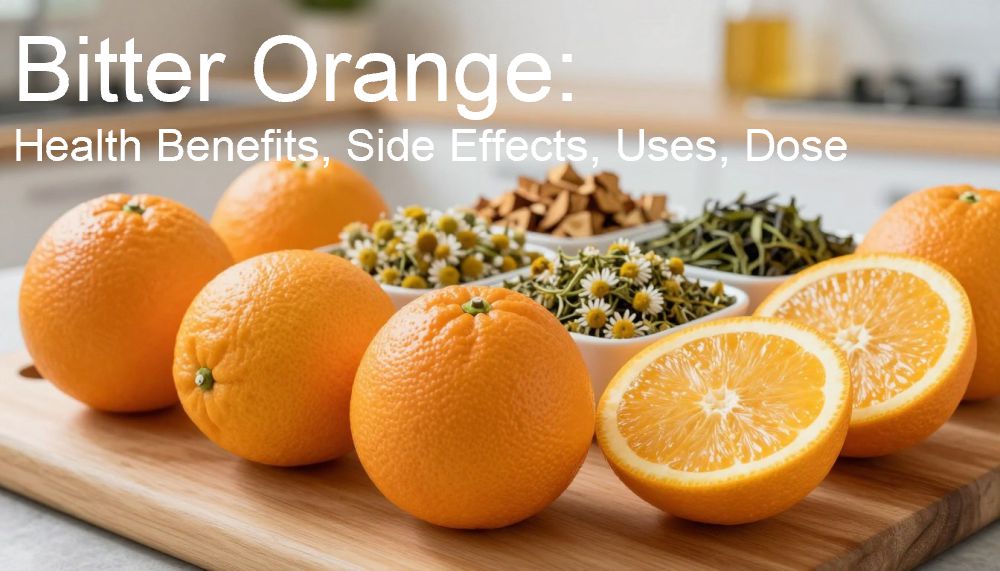
This fruit has been used for centuries due to its potential health benefits, which include weight management and improved digestion. However, it’s also important to consider the potential side effects and recommended dose when using it as a dietary supplement.
The following sections will delve into the various uses of bitter orange, its potential health benefits, and the precautions to be taken when consuming it.
Key Takeaways
- Bitter orange is a citrus fruit used in traditional medicine and dietary supplements.
- It has potential health benefits, including weight management and improved digestion.
- Understanding the potential side effects and recommended dose is crucial.
- Bitter orange can be used in various forms, including extracts and supplements.
- Precautions should be taken when consuming bitter orange, especially for certain individuals.
What Is Bitter Orange?
The bitter orange, or Citrus aurantium, is a significant fruit in both culinary and medicinal contexts. It belongs to the Rutaceae family, which includes other citrus fruits. Bitter orange is native to southeastern Asia and has been naturalized in many parts of the world, including the Mediterranean region.
Botanical Classification and Origins
Bitter orange is botanically classified as Citrus aurantium, and its origins trace back to ancient China. It has since spread to various parts of the world, adapting to different climates and cultures. The fruit is a hybrid of pomelo and tangerine, showcasing its complex genetic makeup.
Also Known as Seville Orange and Sour Orange
Bitter orange is known by several names, including Seville orange and sour orange. These names often reflect its use in different regions. For instance, Seville orange is commonly used in marmalade production, while sour orange is used in various culinary traditions.
Bitter orange extract, derived from the fruit, peel, or leaves, is used in dietary supplements due to its potential health benefits. The various forms of bitter orange products highlight its versatility and widespread application.
The History and Traditional Uses of Bitter Orange
Bitter orange, known scientifically as Citrus aurantium, has a rich history that spans thousands of years, deeply rooted in traditional medicine and cultural practices. Its use has been documented in various parts of the world, showcasing its versatility and significance.
Cultural Significance Across Regions
In traditional Chinese medicine, bitter orange is used to treat digestive issues and is believed to have qi-regulating properties. In contrast, in European folk medicine, it’s often used for its perceived benefits on the circulatory system.
The fruit has also been used in culinary practices, particularly in marmalades and liqueurs, highlighting its multifaceted role in different cultures.
Evolution as a Modern Supplement
As traditional practices evolved, bitter orange began to be recognized for its potential in modern health supplements, particularly for weight loss and energy enhancement. The active compounds, especially p-synephrine, have been studied for their potential benefits.
Today, bitter orange is available in various forms, including extracts and capsules, making it accessible to a wider audience seeking natural health solutions.
Different Forms of Bitter Orange
The versatility of bitter orange is reflected in its different forms, including extracts, peels, and essential oils. Each form has its unique properties and applications in health and wellness.
Bitter Orange Extract
Bitter orange extract, derived from the fruit of Citrus aurantium, is widely used in dietary supplements. It contains bioactive compounds like p-synephrine, which is known for its potential in weight management and energy enhancement.
Bitter Orange Peel
The peel of the bitter orange is rich in flavonoids and essential oils. It is often dried and used in herbal teas or as a spice in cooking. The peel is also used in traditional medicine for its digestive benefits.
Bitter Orange Essential Oil
Bitter orange essential oil, extracted from the peel, is used in aromatherapy for its uplifting properties. It is also applied topically for skin issues, though it should be used with caution due to its potency.
In summary, the different forms of bitter orange offer a range of uses, from dietary supplements to aromatherapy. Understanding these forms can help individuals choose the most appropriate option for their health needs.
Active Compounds in Bitter Orange
The active compounds in bitter orange, including p-synephrine and various flavonoids, play a crucial role in its medicinal properties. These compounds are responsible for the fruit’s therapeutic effects and are a key focus of research into its health benefits.
P-Synephrine and Related Alkaloids
P-synephrine is one of the most well-studied alkaloids in bitter orange. It is structurally related to ephedrine but has different effects on the body. P-synephrine is known for its potential to aid in weight loss by increasing metabolism and suppressing appetite. Other related alkaloids present in bitter orange include N-methyltyramine and hordenine, which may also contribute to its physiological effects.
The alkaloids in bitter orange, particularly p-synephrine, are believed to have a synergistic effect when combined with other compounds like caffeine. This synergy may enhance the thermogenic properties of bitter orange extracts, making them popular in weight loss supplements.
Flavonoids and Other Phytochemicals
Bitter orange is also rich in flavonoids, a class of phytochemicals known for their antioxidant properties. Flavonoids such as naringenin and hesperidin have been identified in the fruit and are believed to contribute to its health benefits. These compounds may help protect against oxidative stress and inflammation, supporting overall health.
- Naringenin: Known for its antioxidant and anti-inflammatory properties.
- Hesperidin: May help improve cardiovascular health by reducing inflammation and improving blood vessel function.
The combination of p-synephrine, flavonoids, and other phytochemicals in bitter orange makes it a complex and potentially valuable ingredient for various health applications.
Health Benefits of Bitter Orange
Bitter orange, known for its diverse applications, is recognized for its various health benefits, including digestive health support, antimicrobial properties, and antioxidant effects. With a rich history in traditional medicine, bitter orange continues to be valued for its potential to contribute to overall wellness.
Digestive Health Support
Bitter orange has been traditionally used to support digestive health. Its peel and extracts are rich in compounds that may help stimulate digestion and alleviate symptoms of indigestion. The bioactive compounds in bitter orange, such as flavonoids and alkaloids, are believed to contribute to its digestive benefits.
Antimicrobial Properties
Research has shown that bitter orange possesses antimicrobial properties, which can help protect against certain bacteria and fungi. This makes it potentially useful for supporting immune function and preventing infections. The essential oil derived from bitter orange peel is particularly noted for its antimicrobial activity.
Antioxidant Effects
Bitter orange is also recognized for its antioxidant effects. The fruit and its extracts contain a range of phytochemicals that can help neutralize free radicals, thereby reducing oxidative stress and potentially lowering the risk of chronic diseases. The antioxidant properties of bitter orange contribute to its overall health benefits and support its traditional use in promoting health and wellness.
In summary, bitter orange offers a range of health benefits, from supporting digestive health to providing antimicrobial and antioxidant effects. Its diverse applications and rich composition of bioactive compounds make it a valuable ingredient in both traditional and modern health practices.
Bitter Orange for Weight Loss
Bitter orange, known for its bioactive compounds, is increasingly being considered for its role in weight loss. The fruit, particularly its extract, contains p-synephrine, a compound that has been studied for its potential to aid in weight management.
Mechanism of Action
The mechanism by which bitter orange aids in weight loss is primarily attributed to p-synephrine. This compound is known to have a sympathomimetic effect, meaning it can stimulate the body’s metabolic processes, potentially increasing fat breakdown and energy expenditure.
Scientific Research and Evidence
Several studies have investigated the efficacy of bitter orange for weight loss. A review of these studies indicates that Citrus aurantium, when used in conjunction with other ingredients, may enhance weight loss efforts. However, the evidence is not conclusive, and more research is needed to fully understand its effects.
- Bitter orange may aid in weight loss by increasing metabolism.
- The active compound p-synephrine is believed to play a key role in its weight loss effects.
- Combination products containing bitter orange may be more effective than bitter orange alone.
Efficacy in Weight Management Products
Bitter orange is commonly found in commercial weight loss supplements, often in combination with other ingredients like caffeine. The synergistic effect of these compounds may enhance the overall efficacy of the product. However, consumers should be cautious and consult healthcare professionals before using such supplements.
As with any weight loss aid, the effectiveness of bitter orange can vary from person to person. It’s essential to maintain a balanced diet and regular exercise routine for sustainable weight management.
Medicinal Uses of Bitter Orange
Bitter orange’s diverse medicinal uses stem from its unique composition of bioactive compounds. For centuries, it has been a valuable component in traditional medicine, addressing various health concerns.
Respiratory Conditions
Bitter orange is traditionally used to alleviate respiratory conditions such as coughs and colds. Its expectorant properties help in loosening mucus, making it easier to breathe.
Skin Health Applications
The antimicrobial and anti-inflammatory properties of bitter orange make it beneficial for skin health. It is used in treating acne, reducing inflammation, and promoting wound healing.
Digestive Disorders
Bitter orange has been used to address digestive issues, including bloating and indigestion. Its flavonoids are believed to contribute to its digestive benefits.
| Health Benefit | Description |
|---|---|
| Respiratory Relief | Expectorant properties help alleviate coughs and colds. |
| Skin Health | Antimicrobial and anti-inflammatory properties aid in acne treatment and wound healing. |
| Digestive Aid | Flavonoids help in reducing bloating and improving digestion. |
In conclusion, bitter orange’s medicinal uses are multifaceted, offering benefits for respiratory health, skin conditions, and digestive well-being. Its traditional use is supported by its bioactive compounds, making it a valuable ingredient in natural remedies.
Recommended Dosage Guidelines
Understanding the correct dosage of bitter orange is crucial for maximizing its benefits while minimizing potential side effects. Bitter orange supplements come in various forms, each with its own recommended dosage.
Different Forms and Their Dosing
The dosage of bitter orange can vary depending on the form of the supplement. Common forms include capsules, extracts, and teas.
- Capsules: Typically contain bitter orange extract, with dosages ranging from 100mg to 300mg per serving.
- Extracts: Often standardized to contain a specific percentage of p-synephrine, with recommended doses between 50mg to 150mg.
- Teas: Made by steeping dried bitter orange peel in hot water, with 1 to 2 teaspoons recommended per cup.
Timing and Administration
The timing of bitter orange supplementation can impact its efficacy. It’s generally recommended to take bitter orange supplements before meals to enhance digestion and before exercise for potential energy and performance benefits.
Duration of Use
The duration for which you should take bitter orange supplements can vary based on your health goals and individual response. A common recommendation is to cycle the supplement, using it for 8 to 12 weeks followed by a 4-week break.
| Form | Recommended Dose | Timing |
|---|---|---|
| Capsules | 100mg – 300mg | Before meals or exercise |
| Extracts | 50mg – 150mg | Before meals or exercise |
| Teas | 1-2 teaspoons per cup | Anytime, preferably with meals |
Potential Side Effects and Safety Concerns
The use of bitter orange supplements has been linked to several potential side effects, making it crucial to understand its safety profile. While it offers various health benefits, bitter orange can cause adverse reactions, particularly due to its active compounds.
Cardiovascular Effects
Bitter orange contains p-synephrine, a compound that can affect heart rate and blood pressure. Studies have shown that p-synephrine can lead to cardiovascular effects, including increased heart rate and hypertension, in some individuals. This is particularly concerning for people with pre-existing heart conditions.
Common Adverse Reactions
Users of bitter orange supplements may experience common adverse reactions such as headaches, dizziness, and digestive issues. These reactions are typically mild but can be uncomfortable. It’s essential to monitor your body’s response when starting any new supplement.
Regulatory Status and Warnings
The regulatory status of bitter orange varies by country. In the United States, it is generally recognized as safe (GRAS) for use in food and dietary supplements. However, some regulatory bodies have issued warnings due to its potential cardiovascular effects. It’s crucial to consult with a healthcare professional before using bitter orange supplements, especially if you have any underlying health conditions.
In conclusion, while bitter orange can be a valuable supplement for various health benefits, it’s essential to be aware of its potential side effects and safety concerns. By understanding these factors, you can make informed decisions about its use.
Drug Interactions with Bitter Orange
Understanding the potential drug interactions with bitter orange is crucial for safe supplementation. Bitter orange, known scientifically as Citrus aurantium, contains compounds that can affect how certain medications work in the body.
Medications to Avoid
Certain medications should be avoided when taking bitter orange supplements due to the risk of adverse interactions. These include:
- MAOIs (Monoamine Oxidase Inhibitors)
- Certain antidepressants
- Medications for high blood pressure
- Drugs that are metabolized by the CYP3A4 enzyme
It’s essential to consult with a healthcare provider before taking bitter orange if you’re on any prescription medications.
Synergistic Effects with Caffeine
Bitter orange can have a synergistic effect when combined with caffeine, potentially leading to increased heart rate, elevated blood pressure, and other cardiovascular effects. This combination is often found in weight loss supplements.
Effects on Drug Metabolism
The active compounds in bitter orange, particularly synephrine, can influence the body’s ability to metabolize certain drugs. This can lead to altered drug efficacy and safety profiles.
In conclusion, while bitter orange offers various health benefits, its potential for drug interactions necessitates careful consideration and consultation with healthcare professionals to ensure safe use.
Who Should Avoid Bitter Orange
Bitter orange is not suitable for everyone, particularly those with specific health conditions or in certain life stages. While it can offer health benefits, there are groups of people who should avoid it due to potential risks.
Medical Conditions
Individuals with certain medical conditions should avoid bitter orange. These include:
- People with high blood pressure or heart disease, as bitter orange can increase heart rate and blood pressure.
- Those with thyroid disorders, as it may interfere with thyroid function.
- Individuals with anxiety or seizure disorders, as bitter orange may exacerbate these conditions.
Pregnancy and Breastfeeding
Pregnant or breastfeeding women should avoid bitter orange due to its potential effects on the uterus and the lack of research on its safety during these periods. The stimulatory effects of bitter orange on the uterus could potentially cause complications during pregnancy.
Age-Related Considerations
Children and older adults should also exercise caution. For children, the safety of bitter orange has not been established, and for older adults, the potential cardiovascular effects could be particularly risky. It’s advisable for these groups to consult healthcare professionals before using bitter orange.
Conclusion
Bitter orange, also known as Seville orange or Citrus aurantium, has been explored for its various health benefits, potential side effects, and uses. This citrus fruit has been traditionally used in different cultures for its medicinal properties, including digestive health support and antimicrobial effects.
In this article, we have discussed the different forms of bitter orange, including extracts, peels, and essential oils, and their active compounds such as p-synephrine and flavonoids. The health benefits of bitter orange, including its role in weight loss and its antioxidant properties, have also been examined.
While bitter orange offers several potential benefits, it is crucial to be aware of its potential side effects, including cardiovascular effects and interactions with certain medications. Understanding the proper dosage and being cautious of its use, especially for individuals with certain medical conditions or during pregnancy and breastfeeding, is essential.
In conclusion, bitter orange is a complex fruit with a range of uses and potential health benefits. A summary of its properties and effects can help individuals make informed decisions about its use. As with any supplement, consulting with a healthcare professional before using bitter orange or Citrus aurantium products is recommended to ensure safe and effective use.
FAQ
What is bitter orange, and how is it used?
Bitter orange, also known as Seville orange or sour orange, is a citrus fruit used in various forms, including extracts, peels, and essential oils, for its health benefits and medicinal properties.
What are the health benefits of bitter orange?
Bitter orange is associated with several health benefits, including digestive health support, antimicrobial properties, and antioxidant effects, making it a popular supplement for overall wellness.
Can bitter orange help with weight loss?
Yes, bitter orange, particularly through its active compound p-synephrine, is used in weight loss supplements due to its potential to aid in weight management.
What are the potential side effects of bitter orange?
Bitter orange may cause cardiovascular effects, common adverse reactions, and interact with certain medications, so it’s essential to be aware of the potential risks and use it under guidance.
Who should avoid using bitter orange?
Individuals with certain medical conditions, pregnant or breastfeeding women, and specific age groups should avoid using bitter orange due to potential health risks.
How does bitter orange interact with other medications?
Bitter orange can interact with various medications, including those that should be avoided, and may have synergistic effects with caffeine, affecting drug metabolism.
What is the recommended dosage of bitter orange?
The recommended dosage of bitter orange varies depending on the form used, and it’s crucial to follow guidelines for dosing, timing, and duration of use to ensure safe and effective use.
Is bitter orange safe to use?
Bitter orange is considered likely safe when used appropriately, but it may cause serious side effects in some individuals, especially when combined with certain medications or in specific health conditions.
Can bitter orange be used for medicinal purposes?
Yes, bitter orange has been traditionally used for various medicinal purposes, including treating respiratory conditions, promoting skin health, and addressing digestive disorders.
What is the difference between bitter orange and sweet orange?
Bitter orange and sweet orange are different citrus fruits with distinct properties and uses, with bitter orange being more commonly used for its medicinal and health benefits.