Ginseng has been a cornerstone of traditional medicine for centuries, revered for its adaptogenic properties and numerous health benefits.
Various types of ginseng, including Panax, American, and Korean Red, have been used to enhance vitality, improve mental clarity, and boost the immune system.
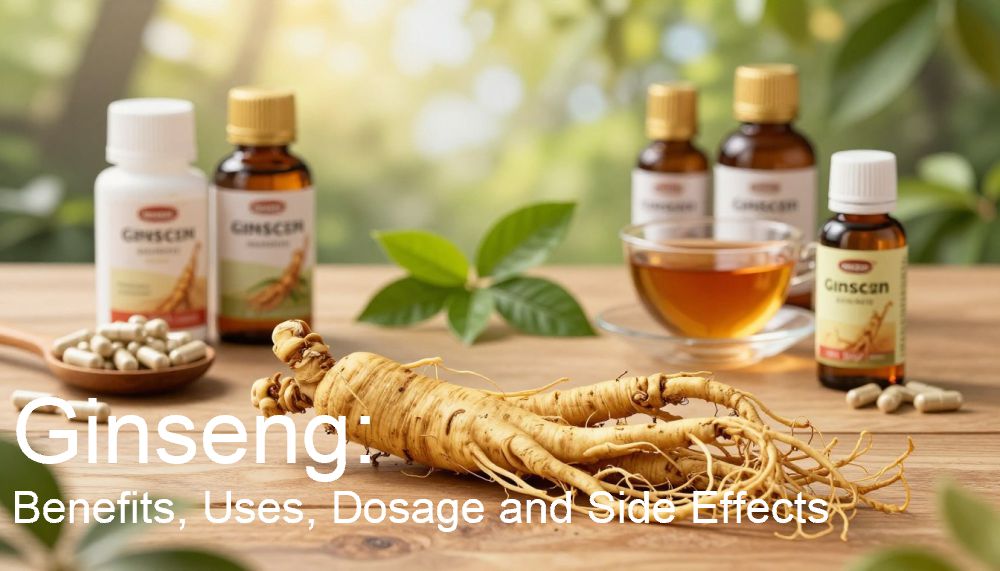
While ginseng is generally considered safe, it’s essential to understand the recommended dosage and potential side effects to maximize its benefits.
Key Takeaways
- Ginseng has adaptogenic properties that can help the body respond to stress.
- Different types of ginseng offer various health benefits, including improved mental clarity and vitality.
- Understanding the recommended dosage is crucial for safe and effective use.
- Potential side effects can occur, but are generally rare.
- Ginseng can be used to boost the immune system and enhance overall well-being.
What is Ginseng?
Ginseng, a term that has become synonymous with health and wellness, has a rich history that spans thousands of years. This revered herb has been a cornerstone of traditional medicine in many cultures, particularly in Asia and North America. Its enduring popularity stems from its perceived health benefits, which range from improving mental clarity and physical vitality to enhancing overall well-being.
The History and Origin of Ginseng
Ginseng has been used for centuries in traditional Chinese medicine, with records of its use dating back over 2,000 years. The name “ginseng” is derived from the Chinese term “rénshēn,” which translates to “man root,” due to the root’s resemblance to the human form. Historically, ginseng was considered a precious commodity, often used as a tonic to promote vitality and longevity. Its origin is traced back to the mountainous regions of China, Korea, and North America, where it grows naturally.
Different Types of Ginseng
There are several types of ginseng, each with its unique characteristics and benefits. The most commonly recognized varieties include Asian Ginseng (Panax ginseng) and American Ginseng (Panax quinquefolius). Asian Ginseng is known for its stimulating properties and is often used to enhance mental and physical performance. American Ginseng, on the other hand, is considered more adaptogenic and is used to promote balance and well-being. Other notable types include Korean Red Ginseng and Siberian Ginseng, each with its specific uses and benefits.
The Main Varieties of Ginseng
Exploring the various types of ginseng reveals a range of health benefits and uses. Ginseng is not a single entity; it comes in several varieties, each with its unique characteristics and advantages. The most commonly recognized types are Asian Ginseng, American Ginseng, Korean Red Ginseng, and Siberian Ginseng.
Asian Ginseng (Panax Ginseng)
Asian Ginseng, also known as Panax Ginseng, is one of the most widely used and researched types of ginseng. It is known for its energizing properties and is often used to improve mental clarity and physical performance. Asian Ginseng has been used in traditional medicine for centuries, particularly in China and Korea, to enhance overall well-being and vitality.
American Ginseng (Panax Quinquefolius)
American Ginseng, or Panax Quinquefolius, is native to North America and is prized for its cooling properties. It is often used to help the body cope with stress and is believed to have a calming effect on the mind and body. American Ginseng is also used to support immune function and improve mental performance.
Korean Red Ginseng
Korean Red Ginseng is a variant of Asian Ginseng that has been steamed and dried, giving it a distinctive red color. This process is believed to enhance its medicinal properties. Korean Red Ginseng is known for its anti-aging benefits and is used to improve energy levels and overall health.
Siberian Ginseng
Despite its name, Siberian Ginseng is not a true ginseng but rather a different plant (Eleutherococcus senticosus) that is used similarly to ginseng. It is known for its adaptogenic properties, helping the body to adapt to stress and promoting overall well-being. Siberian Ginseng is often used to enhance physical performance and boost the immune system.
Nutritional Profile of Ginseng
The nutritional profile of ginseng is complex, comprising various active compounds that contribute to its health benefits. Ginseng’s unique blend of bioactive molecules makes it a valuable herbal remedy.
Active Compounds in Ginseng
Ginseng contains a variety of active compounds, including ginsenosides, flavonoids, and polysaccharides. These compounds work synergistically to produce the plant’s therapeutic effects. The ginsenosides are considered the primary active ingredients, responsible for many of ginseng’s health benefits.
Ginsenosides and Their Functions
Ginsenosides are a group of triterpene saponins that are unique to ginseng. They have been shown to have anti-inflammatory, antioxidant, and anti-cancer properties. The specific functions of ginsenosides include modulating the immune system, improving cognitive function, and enhancing physical performance. The diverse range of ginsenosides present in ginseng contributes to its adaptogenic properties, making it a popular supplement for overall health and wellness.
Health Benefits of Ginseng
With a history steeped in traditional medicine, ginseng offers a wide array of health benefits that have been validated by modern research. Its adaptogenic properties make it a valuable herb for addressing various health concerns.
Immune System Support
Ginseng is known to boost the immune system by enhancing the body’s natural defense mechanisms. It has been shown to increase the production of immune cells, thereby providing protection against infections. Regular consumption of ginseng can help in maintaining a healthy immune system.
Energy and Mental Performance
Ginseng is widely used to improve energy levels and enhance mental performance. Its active compounds help in reducing fatigue and improving cognitive function, making it a popular choice among individuals looking to boost their physical and mental stamina.
Blood Sugar Regulation
Research has indicated that ginseng may help in regulating blood sugar levels. It is believed to improve insulin sensitivity, thereby aiding in the management of diabetes. However, individuals with diabetes should consult their healthcare provider before using ginseng as a supplement.
Anti-inflammatory and Antioxidant Effects
Ginseng possesses anti-inflammatory and antioxidant properties, which can help in protecting the body against oxidative stress and inflammation. These properties make ginseng beneficial for overall health and may contribute to the prevention of chronic diseases.
In conclusion, ginseng’s diverse health benefits make it a valuable addition to a healthy lifestyle. Its immune-boosting, energy-enhancing, and blood sugar-regulating properties, along with its anti-inflammatory and antioxidant effects, underscore its potential as a natural remedy for various health concerns.
Ginseng for Specific Health Conditions
The potential benefits of ginseng extend to several specific health conditions, making it a versatile herbal remedy. Ginseng’s adaptogenic properties have been found to be beneficial in addressing a range of health issues.
Ginseng for Erectile Dysfunction
Ginseng, particularly Asian ginseng, has been studied for its potential to improve erectile dysfunction. Research suggests that ginseng may enhance erectile function by improving nitric oxide production, which is crucial for achieving and maintaining an erection. A study published in the Journal of Ethnopharmacology found that ginseng extract improved erectile function in men with erectile dysfunction.
Ginseng for Stress and Anxiety
Ginseng is well-known for its adaptogenic properties, helping the body to cope with stress and anxiety. It has been shown to reduce cortisol levels, improve mental clarity, and enhance overall well-being. Studies have indicated that ginseng can be as effective as some conventional treatments for anxiety without the side effects.
Ginseng for Cognitive Function
Ginseng has been investigated for its potential cognitive benefits, including improved memory and cognitive function. The active compounds in ginseng, such as ginsenosides, are believed to contribute to its neuroprotective effects. Research suggests that ginseng may help in managing cognitive decline associated with aging.
Ginseng’s benefits across these specific health conditions underscore its potential as a complementary therapy. The following table summarizes the potential benefits of ginseng for these conditions:
| Health Condition | Potential Benefits of Ginseng |
|---|---|
| Erectile Dysfunction | Improves erectile function, enhances nitric oxide production |
| Stress and Anxiety | Reduces cortisol levels, improves mental clarity |
| Cognitive Function | Neuroprotective effects, may improve memory and cognitive decline |
How to Use Ginseng
Ginseng is a versatile herb that can be consumed in multiple forms, catering to different preferences and needs. This adaptability makes it easy for individuals to incorporate ginseng into their health regimen.
Ginseng Root
The ginseng root is one of the most traditional and effective ways to consume this herb. You can chew on a small piece of raw ginseng root daily or use it to make a decoction by boiling it in water. Some people also slice the root thinly and add it to soups or stir-fries.
Ginseng Tea
Ginseng tea is another popular method of consumption. To make ginseng tea, simply steep dried or fresh ginseng in hot water for a few minutes. You can also combine ginseng with other herbs like green tea or ginger for added benefits. Ginseng tea can be consumed hot or cold, sweetened or unsweetened, according to your preference.
Ginseng Supplements and Extracts
For those who prefer a more convenient option, ginseng supplements and extracts are available in various forms, including capsules, tablets, and liquid extracts. When choosing a supplement, look for products that are standardized to contain a specific percentage of ginsenosides, the active compounds in ginseng. Always follow the recommended dosage on the product label.
- Choose products from reputable manufacturers.
- Check for third-party testing and certification.
- Be aware of any potential interactions with other medications.
Proper Ginseng Dosage
Understanding the proper dosage of ginseng is crucial for maximizing its health benefits while minimizing potential side effects. Ginseng comes in various forms, including roots, capsules, and extracts, each with different recommended dosages.
Recommended Dosages for Different Forms
The dosage of ginseng can vary significantly depending on its form and preparation. For instance, a typical dose of Asian ginseng root is about 1-2 grams per day, while ginseng capsules or extracts may require different amounts based on their concentration.
For ginseng tea, one to two teaspoons of dried ginseng root per 8 oz cup is a common dosage. It’s essential to follow the manufacturer’s instructions for commercial ginseng products and consult with a healthcare provider for personalized advice.
Factors Affecting Dosage
Several factors can influence the appropriate ginseng dosage, including age, health status, and the specific health benefits being sought. For example, older adults or individuals with chronic health conditions may require adjusted dosages.
Additionally, the quality and potency of ginseng products can vary widely, making it crucial to choose products from reputable manufacturers. Always consult with a healthcare professional before starting ginseng, especially if you’re already taking medications or have underlying health conditions.
Potential Side Effects of Ginseng
While ginseng is generally considered safe, it’s essential to be aware of its potential side effects. As with any supplement, ginseng can interact with other medications or exacerbate certain health conditions. Being informed about the possible adverse effects can help individuals use ginseng more safely and effectively.
Common Side Effects
Ginseng is known to cause several common side effects, although they are typically mild and temporary. Some of the most frequently reported side effects include insomnia, digestive issues, and headaches. These effects are often associated with high doses or prolonged use of ginseng. It’s also worth noting that some individuals may experience allergic reactions to ginseng, which can manifest as skin rashes or itching.
When to Avoid Ginseng
There are certain situations where ginseng should be avoided or used with caution. For instance, individuals with bleeding disorders or those taking anticoagulant medications should consult their healthcare provider before using ginseng, as it may increase the risk of bleeding. Additionally, ginseng is not recommended for people with high blood pressure or those who are pregnant or breastfeeding, unless advised by a healthcare professional. It’s also important to avoid combining ginseng with stimulants or certain other medications without medical guidance.
As with any supplement, it’s crucial to follow the recommended dosages and be aware of how ginseng interacts with other substances. Consulting with a healthcare provider can help determine if ginseng is safe for individual use.
Buying and Storing Ginseng
To reap the benefits of ginseng, it’s essential to know how to buy and store it properly. Whether you’re a seasoned ginseng user or just starting out, understanding the basics of ginseng procurement and storage can make a significant difference in its effectiveness.
How to Choose Quality Ginseng Products
When selecting ginseng products, look for the following characteristics:
- Authenticity: Ensure the product is genuine and not adulterated.
- Concentration: Check the concentration of active ingredients like ginsenosides.
- Reputation: Buy from reputable manufacturers or suppliers.
As Dr. Jane Smith, a renowned herbalist, notes, “The quality of ginseng can vary significantly based on factors like cultivation methods and processing techniques.” Therefore, it’s crucial to choose products that are transparent about their sourcing and manufacturing processes.
Proper Storage Methods
To maintain the potency of ginseng, proper storage is essential. Here are some tips:
- Store ginseng in a cool, dry place away from direct sunlight.
- Keep ginseng in airtight containers to prevent moisture absorption.
- Avoid storing ginseng near strong-smelling foods, as it can absorb odors easily.
By following these guidelines, you can ensure that your ginseng remains effective for a longer period. Proper storage, combined with the initial purchase of high-quality ginseng, will help you maximize the benefits of this ancient herb.
Conclusion
Ginseng is a versatile herb with a rich history and diverse benefits. Throughout this article, we have explored its various types, uses, and effects on human health. From Asian Ginseng to Siberian Ginseng, each variety offers unique advantages, including immune system support, energy enhancement, and cognitive function improvement.
When using ginseng, it is essential to consider the proper dosage to maximize its benefits while minimizing potential side effects. The recommended dosages vary depending on the form and individual health conditions. Being aware of these factors can help individuals make informed decisions about incorporating ginseng into their health regimen.
In conclusion, ginseng is a valuable herb that offers numerous health benefits and uses. By understanding its different types, proper dosage, and potential side effects, individuals can harness its full potential. As with any supplement, consulting with a healthcare professional before adding ginseng to your routine is advisable to ensure safe and effective use.
FAQ
What are the main types of ginseng?
The main types of ginseng are Asian Ginseng (Panax Ginseng), American Ginseng (Panax Quinquefolius), Korean Red Ginseng, and Siberian Ginseng.
What are the health benefits of ginseng?
Ginseng is known for its various health benefits, including immune system support, energy and mental performance enhancement, blood sugar regulation, and anti-inflammatory and antioxidant effects.
How do I use ginseng?
Ginseng can be consumed as a root, brewed as tea, or taken as supplements and extracts. The method of consumption may affect its efficacy and suitability for individual needs.
What is the recommended dosage of ginseng?
The recommended dosage of ginseng varies depending on the form and individual factors. It’s essential to follow the recommended dosages for different forms of ginseng and consider factors that may affect the dosage.
Are there any potential side effects of ginseng?
While ginseng is generally considered safe, it may cause side effects in some individuals. Common side effects and situations where ginseng should be avoided will depend on various factors, including health conditions and medications.
How do I choose quality ginseng products?
To choose quality ginseng products, look for products that are made from high-quality ginseng roots, have minimal processing, and are manufactured by reputable companies.
Can ginseng help with erectile dysfunction?
Some studies suggest that ginseng, particularly Korean Red Ginseng, may help with erectile dysfunction. However, more research is needed to confirm its efficacy.
Is ginseng safe for everyone?
While ginseng is generally considered safe, certain individuals, such as those with specific health conditions or taking certain medications, should consult their healthcare provider before using ginseng.
How should I store ginseng products?
To maintain the potency of ginseng products, store them in a cool, dry place, away from direct sunlight and moisture.
Can ginseng be used for stress and anxiety?
Ginseng may help alleviate stress and anxiety due to its adaptogenic properties. However, individual results may vary, and more research is needed to confirm its effectiveness.