The king of spices, black pepper, is not just a staple in kitchens worldwide but also a treasure trove of health benefits. This ancient spice has been used for centuries not only to add flavor to food but also for its medicinal properties.
Piperine, a key compound in black pepper, is responsible for many of its health benefits. From improving digestion to potentially fighting off certain diseases, the uses of black pepper are vast and varied.
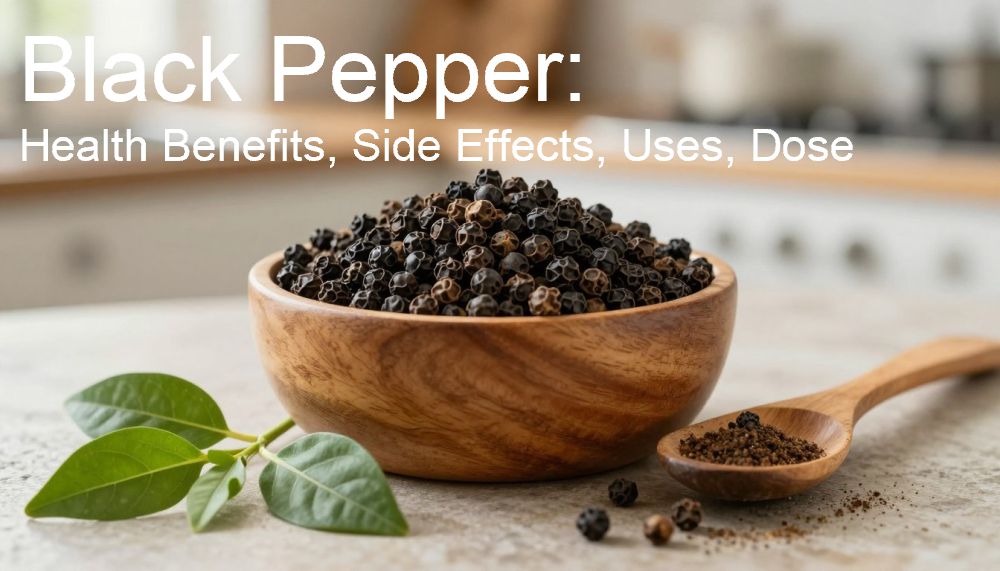
In this article, we will explore the various health benefits of black pepper, its potential side effects, recommended dosage, and more. Whether you’re a culinary enthusiast or someone interested in natural health remedies, this article aims to provide a comprehensive overview of this incredible spice.
Key Takeaways
- Black pepper is rich in antioxidants and has anti-inflammatory properties.
- The compound piperine in black pepper has been shown to have numerous health benefits.
- Black pepper can enhance the bioavailability of other nutrients.
- It has been traditionally used to aid digestion.
- Black pepper may have potential benefits in fighting certain diseases.
What is Black Pepper?
With a history dating back thousands of years, black pepper has been a crucial spice in various cultures. Known scientifically as Piper nigrum, it is native to India and has been a staple in kitchens globally.
Origin and History of the “King of Spices”
Black pepper’s history is as rich as its flavor. It was highly valued in ancient times, used not only as a spice but also as a form of currency. The spice trade played a significant role in its spread across the world, earning it the title “King of Spices.”
Botanical Classification of Piper Nigrum
Piper nigrum is a flowering vine, and its fruit is the peppercorn. The classification is as follows:
| Kingdom | Family | Genus |
|---|---|---|
| Plantae | Piperaceae | Piper |
Different Forms of Black Pepper
Black pepper is available in various forms, including whole peppercorns, ground pepper, and black pepper essential oil. Each form has its uses in cooking and health remedies.
Nutritional Profile of Black Pepper
The nutritional profile of black pepper reveals its potential health benefits. Black pepper, derived from the Piper nigrum plant, is more than just a spice; it’s a nutrient-rich addition to various dishes.
Essential Nutrients and Compounds
Black pepper contains a variety of essential nutrients, including vitamins and minerals such as vitamin K, iron, and potassium. It is also rich in dietary fiber, contributing to its nutritional value.
Piperine: The Active Compound
The active compound in black pepper is piperine, which is responsible for its distinct flavor and numerous health benefits. Piperine enhances nutrient absorption, making it a valuable component in the diet.
Antioxidant Content
Black pepper is also a significant source of antioxidants, which help protect the body against free radicals. The antioxidant properties of black pepper contribute to its potential health benefits, including anti-inflammatory effects.
Incorporating black pepper into your diet can enhance the nutritional quality of your meals, thanks to its richness in essential nutrients, piperine, and antioxidants.
The Health Benefits of Black Pepper
Black pepper is more than just a spice; it’s a powerhouse of health benefits that can enhance your overall well-being. For centuries, black pepper has been valued not only for its flavor but also for its medicinal properties.
Antioxidant Properties
Black pepper is rich in antioxidants, which play a crucial role in protecting the body from free radicals. These antioxidants help in reducing oxidative stress, thereby lowering the risk of chronic diseases such as heart disease and cancer. The antioxidant properties of black pepper also contribute to healthier skin and improved overall health.
Anti-inflammatory Effects
The active compound piperine in black pepper has been shown to have significant anti-inflammatory effects. Piperine works by inhibiting inflammatory pathways in the body, which can help in reducing the risk of inflammatory diseases such as arthritis. Regular consumption of black pepper can lead to a decrease in inflammation, promoting better health.
Bioavailability Enhancement
One of the key health benefits of black pepper is its ability to enhance the bioavailability of nutrients. Piperine has been found to increase the absorption of various nutrients, including vitamins and minerals, making them more effective in the body.
How Piperine Increases Nutrient Absorption
- Piperine inhibits certain enzymes that break down nutrients, thereby increasing their availability.
- It enhances the absorption of nutrients by improving gut health.
- Piperine has been shown to increase the bioavailability of curcumin, a compound found in turmeric, by up to 2,000%.
By incorporating black pepper into your diet, you can maximize the nutritional benefits of the foods you eat, leading to improved overall health.
Black Pepper for Digestive Health
The digestive benefits of black pepper are multifaceted, making it a valuable spice for overall gut health. Black pepper has been used for centuries to enhance digestion and relieve various gastrointestinal issues.
Stimulating Digestive Enzymes
Black pepper stimulates the digestive enzymes in the pancreas, helping to break down proteins, carbohydrates, and fats more efficiently. This enhancement in digestive enzyme activity can lead to better nutrient absorption and utilization by the body.
Relieving Digestive Disorders
Black pepper has been traditionally used to alleviate symptoms of digestive disorders such as bloating, gas, and indigestion. Its carminative properties help in reducing discomfort and improving overall digestive comfort.
Gut Microbiome Support
The active compound in black pepper, piperine, has been shown to have a positive effect on the gut microbiome. It helps in maintaining a healthy balance of gut bacteria, which is crucial for a strong immune system and overall well-being.
Incorporating black pepper into your diet can be a simple yet effective way to support your digestive health. Whether used as a seasoning in meals or consumed as a supplement, black pepper’s benefits for the digestive system are undeniable.
Black Pepper and Heart Health
Emerging research suggests that black pepper can be a valuable addition to a heart-healthy diet. The spice has been found to have various cardiovascular benefits, making it a worthwhile consideration for those looking to support their heart health.
Cholesterol Management
Black pepper contains compounds that may help in managing cholesterol levels. Piperine, the active compound in black pepper, has been shown to have a positive effect on lipid profiles, potentially reducing the risk of heart disease.
Blood Pressure Regulation
Regular consumption of black pepper may also contribute to blood pressure regulation. The bioactive compounds in black pepper can help relax blood vessels, improving overall cardiovascular function.
Circulation Improvement
Black pepper’s potential to improve circulation is another aspect of its heart health benefits. By enhancing blood flow, black pepper can help ensure that oxygen and nutrients are efficiently delivered throughout the body.
| Benefit | Description | Key Compound |
|---|---|---|
| Cholesterol Management | Helps manage cholesterol levels | Piperine |
| Blood Pressure Regulation | Contributes to regulating blood pressure | Bioactive compounds |
| Circulation Improvement | Enhances blood circulation | Piperine and other compounds |
Incorporating black pepper into your diet can be a simple yet effective way to support heart health. Whether through culinary uses or as a supplement, black pepper’s cardiovascular benefits make it a valuable spice for overall well-being.
Black Pepper for Brain Health
The ‘King of Spices,’ black pepper, may hold the key to enhancing cognitive function and overall brain well-being. Research has indicated that black pepper, particularly its active compound piperine, may have a positive impact on brain health.
Cognitive Function Enhancement
Black pepper has been found to enhance cognitive function by improving neurotransmitter function and increasing the bioavailability of nutrients in the brain. “Piperine has been shown to have a neuroprotective effect, which could potentially improve cognitive function and memory,” according to recent studies.
Potential Neuroprotective Effects
The neuroprotective effects of black pepper are attributed to its antioxidant properties, which help protect the brain from oxidative stress.
This protection can potentially reduce the risk of neurodegenerative diseases.
Depression and Mood Regulation
Black pepper may also play a role in mood regulation and reducing symptoms of depression. The spice has been found to influence neurotransmitter levels, potentially improving mood and reducing stress.
In conclusion, black pepper is not just a culinary staple but also a potential ally for brain health, offering benefits that range from cognitive enhancement to mood regulation.
Weight Management Benefits of Black Pepper
The active compound in black pepper, piperine, has been shown to have a positive impact on weight management. This makes black pepper a valuable addition to a weight loss diet.
Metabolism Boosting Properties
Black pepper has been found to have metabolism-boosting properties, helping the body burn calories more efficiently. Piperine in black pepper can increase the production of digestive enzymes, which aids in faster metabolism.
Fat Cell Formation Inhibition
Research suggests that piperine can inhibit the formation of new fat cells, making it harder for the body to store fat. This can be particularly beneficial for those trying to lose weight.
Appetite Regulation
Black pepper can also help in appetite regulation. The piperine in black pepper can help reduce cravings and improve satiety, making it easier to stick to a diet.
Incorporating black pepper into your meals can be a simple and effective way to support your weight loss goals. With its metabolism-boosting properties, fat cell formation inhibition, and appetite regulation benefits, black pepper is a natural aid for weight management.
Antimicrobial and Immune-Boosting Properties
Black pepper has been found to possess significant antimicrobial properties, making it a valuable spice for overall health. Its active compound, piperine, is responsible for many of its health benefits.
The immune-boosting properties of black pepper are attributed to its ability to enhance the body’s natural defense mechanisms. This is crucial in fighting off infections and maintaining overall well-being.
Fighting Bacterial Infections
Black pepper has been shown to exhibit antibacterial properties, effective against a range of bacterial infections. Studies have demonstrated its ability to inhibit the growth of certain bacteria, making it a potential natural remedy.
Antiviral Potential
Research into the antiviral potential of black pepper is ongoing, with some studies suggesting that it may help combat certain viral infections. This is an area of great interest for further research.
Supporting Immune Function
The immune-boosting effects of black pepper are not limited to fighting infections; it also supports overall immune function. By enhancing the body’s natural defenses, black pepper can contribute to better health outcomes.
Potential Side Effects of Black Pepper
While black pepper is generally considered safe, excessive consumption can lead to several side effects. It’s essential to be aware of these potential issues to enjoy the benefits of black pepper while minimizing risks.
Digestive Discomfort
One of the most common side effects of consuming too much black pepper is digestive discomfort. This can manifest as heartburn, stomach pain, or diarrhea. The piperine in black pepper can irritate the stomach lining, leading to these issues.
Medication Interactions
Black pepper, particularly its active compound piperine, can interact with certain medications. This includes:
- Interfering with the absorption of drugs
- Affecting the metabolism of certain medications
Blood Thinners and Black Pepper
Consuming black pepper with blood thinners like warfarin can increase the risk of bleeding due to the enhanced anticoagulant effect.
Other Drug Interactions
Piperine can also interact with other drugs, such as anti-diabetic medications and certain antibiotics, potentially leading to adverse effects.
Skin Irritation and Allergic Reactions
Some individuals may experience skin irritation or allergic reactions due to black pepper. This can range from mild redness to more severe reactions.
Pregnancy and Breastfeeding Considerations
Pregnant or breastfeeding women should consume black pepper in moderation. High doses of black pepper may stimulate the uterus or affect milk production.
In conclusion, while black pepper is a valuable spice with numerous health benefits, it’s crucial to be mindful of its potential side effects. Moderation is key to avoiding these issues.
Recommended Dosage of Black Pepper
The recommended dosage of black pepper varies based on its form and intended use. Whether you’re using it as a spice in cooking, taking it as a supplement, or applying it topically, understanding the correct dosage is crucial for maximizing its benefits and minimizing potential side effects.
Daily Intake Guidelines
For culinary purposes, the amount of black pepper used is typically left to personal taste. However, for health benefits, a daily intake of about 1-2 teaspoons of black pepper (approximately 5-10 grams) is considered safe and potentially beneficial. This amount can be incorporated into your diet through various dishes or consumed as a supplement after consulting with a healthcare provider.
Piperine Supplements Dosage
Piperine, the active compound in black pepper, is often available as a dietary supplement. The typical dosage for piperine supplements ranges from 5 to 20 mg per day. It’s advisable to start with a lower dose and gradually increase as needed and under medical supervision.
Black Pepper Essential Oil Usage
When using black pepper essential oil, it’s essential to dilute it with a carrier oil due to its potency. A common dilution ratio is 1-3% essential oil to carrier oil. For topical application, this translates to about 5-15 drops of black pepper essential oil per ounce of carrier oil. Always perform a patch test before widespread use.
Signs of Excessive Consumption
Consuming black pepper in excessive amounts can lead to adverse effects. Signs include digestive discomfort, such as heartburn or stomach pain, and in severe cases, skin irritation or allergic reactions. If you experience any of these symptoms, reduce your intake or discontinue use if necessary.
| Form of Black Pepper | Recommended Dosage | Precautions |
|---|---|---|
| Culinary Use | 1-2 teaspoons (5-10 grams) per day | Personal taste may vary |
| Piperine Supplements | 5-20 mg per day | Start with lower doses; consult a healthcare provider |
| Essential Oil | 1-3% dilution with carrier oil | Dilute properly; perform patch test |
Culinary and Practical Uses of Black Pepper
The versatility of black pepper extends beyond its flavor, with numerous practical applications. Black pepper is a staple in many kitchens, and its uses go beyond just adding flavor to dishes.
Cooking with Black Pepper
Black pepper is an essential spice in many recipes, enhancing the flavor of foods without overpowering them. It pairs well with a variety of ingredients and is used in numerous cuisines around the world. Use black pepper to season meats, vegetables, and soups for added depth.
As noted by culinary expert,
“Black pepper is the most widely used spice in the world, and for good reason. It adds a unique dimension to dishes that is hard to replicate with other spices.”
Black Pepper vs. White Pepper
The choice between black pepper and white pepper often comes down to the desired flavor and appearance in a dish. Black pepper has a more robust flavor, while white pepper is milder and less visible in light-colored dishes.
| Characteristics | Black Pepper | White Pepper |
|---|---|---|
| Flavor | Robust, slightly spicy | Milder, earthier |
| Appearance | Dark specks | Light, almost invisible |
| Usage | General cooking, seasoning | Light-colored dishes, sauces |
Black Pepper Essential Oil Applications
Black pepper essential oil has various applications, from health remedies to skincare. It can be used to relieve respiratory issues, improve digestion, and even as a natural remedy for skin conditions.
For Coughs and Respiratory Issues
Black pepper essential oil can help alleviate coughs and congestion. Mix it with a carrier oil for a chest rub or inhale it through steam inhalation.
For Skin and Hair
The oil’s antioxidant properties can help reduce the appearance of fine lines and improve skin tone. It can also be used to stimulate hair growth and reduce dandruff.
DIY Black Pepper Remedies
Creating your own black pepper remedies at home can be simple and rewarding. Here are a few ideas:
- Black Pepper and Honey Cough Syrup: Mix black pepper powder with honey to soothe a sore throat.
- Black Pepper and Coconut Oil Scrub: Combine black pepper with coconut oil for a stimulating body scrub.
Conclusion
Black pepper is more than just a common spice; it’s a powerhouse of health benefits that can significantly enhance overall health. From its antioxidant properties to its anti-inflammatory effects, black pepper has been shown to have a positive impact on various aspects of health, including digestive health, heart health, and brain function.
Incorporating black pepper into your daily routine can be simple. Adding it to your meals not only enhances flavor but also provides a boost to your overall well-being. With its potential to improve cognitive function, support weight management, and even exhibit antimicrobial properties, black pepper is a valuable addition to a healthy lifestyle.
While being mindful of potential side effects and recommended dosages, individuals can harness the benefits of black pepper. By understanding its uses and benefits, you can make informed decisions about incorporating this spice into your health regimen, ultimately contributing to a healthier and more balanced life.
FAQ
What is the recommended daily intake of black pepper?
The recommended daily intake of black pepper varies, but a general guideline is to consume about 1/4 to 1/2 teaspoon of freshly ground black pepper per day.
Can black pepper help with weight loss?
Yes, black pepper may aid in weight loss due to its metabolism-boosting properties and potential to inhibit fat cell formation.
Is black pepper safe to consume during pregnancy?
Black pepper is generally considered safe in moderate amounts during pregnancy, but it’s essential to consult with a healthcare provider before consuming it in large quantities or using black pepper supplements.
Can black pepper interact with medications?
Yes, black pepper may interact with certain medications, such as blood thinners, and affect their efficacy or increase the risk of side effects.
How does black pepper support digestive health?
Black pepper stimulates digestive enzymes, relieves digestive disorders, and supports the gut microbiome, promoting a healthy digestive system.
What are the benefits of using black pepper essential oil?
Black pepper essential oil can be used to alleviate coughs and respiratory issues, improve skin and hair health, and provide other benefits when used topically or inhaled.
Can black pepper help lower cholesterol levels?
Some studies suggest that black pepper may help manage cholesterol levels, although more research is needed to confirm its effectiveness.
Is there a difference between black pepper and white pepper?
Yes, black pepper and white pepper come from the same plant, but they are processed differently, resulting in distinct flavors and textures.
Can I consume too much black pepper?
Yes, consuming excessive amounts of black pepper can cause digestive discomfort, skin irritation, and other adverse effects.
How can I incorporate black pepper into my diet?
You can add black pepper to various dishes, use it as a seasoning, or take black pepper supplements after consulting with a healthcare professional.