Glycerin is a versatile ingredient found in numerous skincare and cosmetic products. Its ability to moisturize and retain moisture makes it a popular choice for various applications.
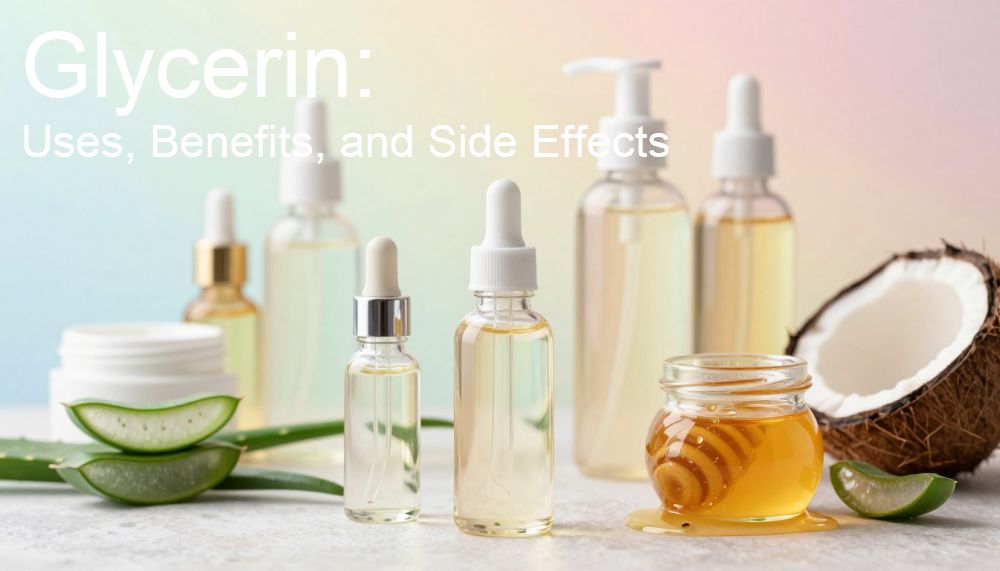
As a humectant, it helps maintain the skin’s natural moisture barrier, leaving it feeling soft and supple. The benefits of using glycerin are numerous, but like any ingredient, it can have side effects in some individuals.
This article will explore the various uses of glycerin, its benefits, and potential side effects, providing a comprehensive understanding of this widely used ingredient.
Key Takeaways
- Glycerin is a versatile ingredient used in various skincare and cosmetic products.
- It acts as a humectant, helping to retain moisture in the skin.
- The benefits of glycerin include its moisturizing properties.
- Potential side effects of glycerin can occur in some individuals.
- Glycerin is widely used due to its effectiveness and safety profile.
What Is Glycerin?
Understanding glycerin starts with knowing its chemical properties and sources. Glycerin, also known as glycerol, is a polyol compound that is widely used in various industries due to its unique properties.
Chemical Properties and Structure
Glycerin is characterized by its hygroscopic nature, meaning it has a strong affinity for water. This property makes it an excellent humectant, capable of retaining moisture in various applications. Chemically, glycerin is a simple polyol compound with the formula C3H8O3. Its structure consists of three carbon atoms, each bonded to a hydroxyl group, making it highly soluble in water.
Natural vs. Synthetic Glycerin Sources
Glycerin can be derived from both natural and synthetic sources. Natural glycerin is typically obtained from vegetable oils such as coconut or palm oil, or from animal fats. The process involves the hydrolysis or transesterification of these fats and oils, resulting in glycerin as a byproduct. On the other hand, synthetic glycerin is produced through chemical synthesis, often involving the reaction of propylene with chlorine to form epichlorohydrin, which is then converted into glycerin. While both types have their applications, natural glycerin is often preferred in skincare and food products due to its perceived purity and environmental benefits.
How Glycerin Works as a Humectant
Glycerin is widely recognized for its humectant properties, which play a crucial role in maintaining skin hydration. As a humectant, glycerin attracts and retains moisture from the air, helping to keep the skin hydrated and supple.
The Science Behind Moisture Attraction
The science behind glycerin’s moisture attraction lies in its chemical structure. Glycerin is a polyol, a compound that contains multiple hydroxyl groups. These groups are highly hydrophilic, meaning they have a strong affinity for water. When applied to the skin, glycerin draws in moisture from the surrounding air, helping to maintain the skin’s natural barrier function.
Glycerin’s Role in Skin Hydration
Glycerin’s role in skin hydration is multifaceted. Not only does it attract moisture, but it also helps to retain it in the skin. This is particularly beneficial for individuals with dry or dehydrated skin, as glycerin can help to improve skin elasticity and reduce the appearance of fine lines and wrinkles.
| Benefits of Glycerin | Description |
|---|---|
| Moisture Attraction | Glycerin draws in moisture from the air, helping to hydrate the skin. |
| Skin Hydration | Glycerin helps to retain moisture in the skin, improving elasticity and reducing fine lines. |
| Skin Barrier Function | Glycerin supports the skin’s natural barrier function, protecting against environmental stressors. |
Common Uses of Glycerin
With its unique properties, glycerin has become a staple in many applications. Its ability to attract and retain moisture makes it a valuable ingredient in various industries, from personal care to pharmaceuticals.
Skincare and Cosmetic Applications
Glycerin is widely used in skincare products due to its moisturizing properties. It helps to hydrate the skin, leaving it feeling soft and supple. Many cosmetic products, such as creams, lotions, and serums, contain glycerin as a key ingredient.
Medical and Pharmaceutical Uses
In the medical field, glycerin is used for its therapeutic benefits. It is found in various pharmaceutical products, including suppositories and certain medications, where it serves as a humectant and helps to soothe irritated tissues.
Food Industry Applications
Glycerin is also used in the food industry as a sweetener and thickening agent. It is commonly found in food products such as baked goods, beverages, and candy. The table below outlines some common uses of glycerin in different industries.
| Industry | Common Uses |
|---|---|
| Skincare and Cosmetics | Moisturizing creams, lotions, serums |
| Medical and Pharmaceuticals | Suppositories, medications, wound care |
| Food Industry | Baked goods, beverages, candy |
Overall, glycerin’s versatility and effectiveness make it a widely used ingredient across multiple sectors.
Benefits of Glycerin for Skin
Glycerin is renowned for its ability to transform skin health through its various benefits. It has become a cornerstone in skincare routines due to its multifaceted advantages.
Moisturizing Properties
Glycerin’s most notable benefit is its exceptional moisturizing capability. It attracts and retains moisture, ensuring the skin remains hydrated and supple. As noted by skincare experts, “Glycerin’s humectant properties make it an ideal ingredient for dry skin formulations.”
Skin Barrier Protection and Repair
Glycerin plays a crucial role in protecting and repairing the skin barrier. By maintaining the integrity of the skin’s outermost layer, glycerin helps prevent moisture loss and shields the skin from environmental stressors.
Suitability for Different Skin Types
One of glycerin’s standout features is its suitability for various skin types. Whether you have dry, oily, or sensitive skin, glycerin can be beneficial. It balances the skin’s natural moisture levels without clogging pores.
Anti-Aging Effects
Glycerin also contributes to anti-aging efforts by keeping the skin hydrated and plump, thereby reducing the appearance of fine lines and wrinkles. As a result, the skin looks smoother and more youthful.
In conclusion, glycerin’s benefits for the skin are vast and varied, making it a valuable addition to any skincare routine. Its ability to moisturize, protect, and rejuvenate the skin underscores its importance in maintaining overall skin health.
“Glycerin’s versatility and effectiveness make it a key ingredient in many skincare products, catering to a wide range of skin needs and concerns.”
Different Types of Glycerin Products
Different types of glycerin products are available, each with its unique characteristics. Glycerin, a versatile compound, is used in a variety of applications, ranging from skincare to food products. The diversity in glycerin products stems from differences in their sources and formulations.
Vegetable Glycerin vs. Animal-Derived Glycerin
Glycerin can be derived from either vegetable or animal sources. Vegetable glycerin, derived from plants such as coconut or palm oil, is a popular choice among vegans and those with sensitive skin. On the other hand, animal-derived glycerin is sourced from animal fats. The choice between these two types largely depends on individual preferences and ethical considerations.
“The source of glycerin can significantly impact its suitability for different users,” notes a skincare expert. “Vegetable glycerin is often preferred for its mild and non-irritating properties.”
Pure Glycerin vs. Diluted Formulations
Glycerin products also vary in their concentration, with options ranging from pure glycerin to diluted formulations. Pure glycerin is highly concentrated and often used in specific applications where a high level of moisture retention is required. In contrast, diluted glycerin formulations are more commonly used in everyday products, such as lotions and creams, where a balanced moisture level is desired.
The choice between pure and diluted glycerin depends on the intended use and desired outcomes. As a humectant, glycerin’s ability to attract and retain moisture makes it a valuable ingredient in various products.
Potential Side Effects and Precautions
While glycerin is generally considered safe, it’s essential to be aware of its potential side effects. Glycerin is widely used in various products, including skincare and cosmetics, due to its humectant properties. However, like any other ingredient, it can cause adverse reactions in some individuals.
Common Adverse Reactions
Some people may experience skin irritation, such as redness, itching, or burning, when using glycerin-based products. In rare cases, glycerin can cause an allergic reaction, which may manifest as hives, swelling, or difficulty breathing. If you experience any of these symptoms, discontinue use and consult a healthcare professional.
When to Avoid Glycerin
Glycerin should be used with caution, especially when used undiluted or in high concentrations. Undiluted glycerin can dehydrate the skin, causing more harm than good. Additionally, individuals with certain skin conditions, such as eczema or psoriasis, should consult a dermatologist before using glycerin-based products.
| Precaution | Description |
|---|---|
| Allergic Reactions | Discontinue use if you experience hives, swelling, or difficulty breathing |
| Undiluted Use | Avoid using undiluted glycerin, as it can dehydrate the skin |
| Skin Conditions | Consult a dermatologist before using glycerin-based products if you have eczema or psoriasis |
Conclusion
Glycerin has proven to be a versatile and effective ingredient in various applications, particularly in skincare. Its role as a humectant allows it to attract and retain moisture, making it an essential component in maintaining healthy, hydrated skin.
The benefits of glycerin for skin health are numerous, from moisturizing properties to skin barrier protection and repair. Its suitability for different skin types and anti-aging effects make it a valuable addition to any skincare routine.
As highlighted throughout this article, glycerin’s uses extend beyond skincare to medical, pharmaceutical, and food industry applications. However, its impact on skin health remains a significant area of interest.
In conclusion, glycerin’s ability to moisturize and protect the skin makes it a valuable ingredient in promoting overall skin health. By understanding its benefits and uses, individuals can make informed decisions about incorporating glycerin into their skincare routines.
FAQ
What is glycerin and how does it work as a humectant?
Glycerin is a natural humectant that attracts and retains moisture, helping to keep the skin hydrated and soft. It works by drawing water from the nearest source, such as the air or the deeper layers of the skin, to the outer layer of the skin.
Is glycerin suitable for all skin types?
Glycerin is generally considered safe and effective for most skin types, including dry, sensitive, and normal skin. However, it’s always a good idea to patch test any new skincare product containing glycerin to ensure you don’t have any adverse reactions.
Can glycerin cause any side effects or allergic reactions?
While glycerin is generally considered safe, some people may experience side effects such as skin irritation, redness, or allergic reactions. If you experience any of these symptoms, discontinue use and consult with a healthcare professional.
How should I use glycerin for maximum benefit?
To get the most out of glycerin, use it in its diluted form, as undiluted glycerin can dehydrate the skin. You can find glycerin in a variety of skincare products, such as moisturizers, creams, and serums, or use it as a standalone product.
Can I use glycerin on my face and body?
Yes, glycerin can be used on both the face and body to help lock in moisture and soothe dry skin. It’s often used in skincare products to help hydrate and protect the skin.
Is vegetable glycerin better than animal-derived glycerin?
Vegetable glycerin is often preferred by those who follow a vegan lifestyle or have concerns about animal-derived products. Both types of glycerin can be effective, but vegetable glycerin may be a better choice for those with sensitive skin.
Can glycerin be used to help with skin conditions like eczema or acne?
Glycerin can help to soothe and hydrate the skin, making it a potentially useful ingredient for managing skin conditions like eczema. However, it’s always best to consult with a healthcare professional before using glycerin for a specific skin condition.