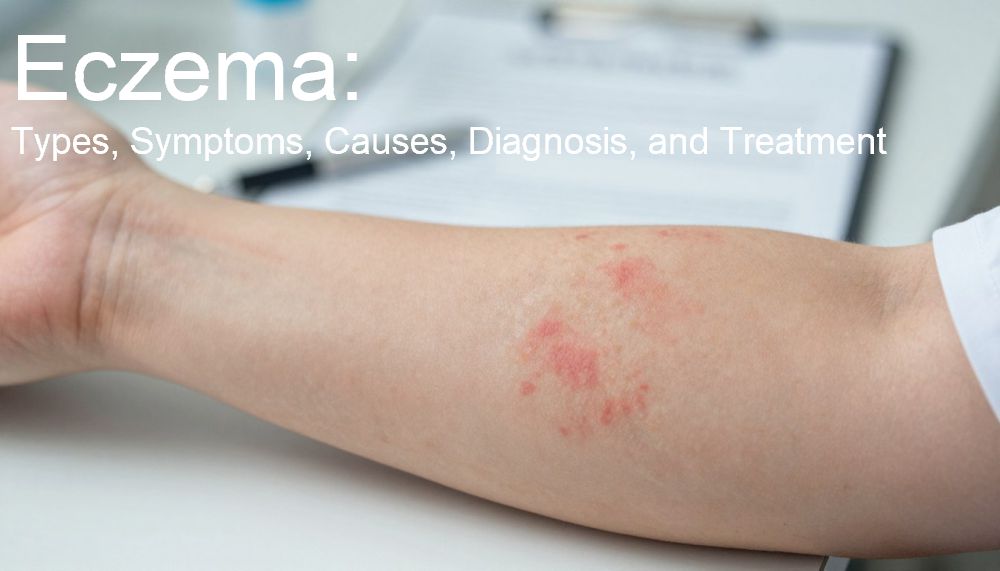
Eczema is a common skin condition that affects millions of people worldwide, causing discomfort and distress.
Characterized by dry, itchy, and inflamed skin, this condition can manifest in various forms, including atopic dermatitis and contact dermatitis. The symptoms can range from mild to severe, impacting daily life.
Understanding the different types of eczema, their symptoms, causes, diagnosis, and treatment options is crucial for effective management.
Key Takeaways
- Recognizing the various forms of eczema is essential for proper diagnosis.
- Symptoms can vary from mild to severe, affecting quality of life.
- Atopic dermatitis and contact dermatitis are common types of eczema.
- Effective treatment depends on accurate diagnosis and understanding the causes.
- Managing eczema requires a comprehensive approach.
Understanding Eczema: A Common Skin Condition
Eczema is a term that refers to a group of skin conditions characterized by inflammation and irritation. It is a common skin condition that affects millions of people worldwide. Eczema is not contagious; it cannot be spread through direct contact with an affected individual.
What Is Eczema?
Eczema encompasses various skin disorders that cause redness, itching, and swelling. The condition can manifest differently in different people, with symptoms ranging from mild to severe.
How Prevalent Is Eczema?
Eczema is a significant health issue globally. In the United States alone, it affects a substantial portion of the population.
Statistics in the United States
According to recent data, eczema affects over 31 million people in the United States. This makes it one of the most common skin conditions in the country.
Affected Demographics
Eczema can affect anyone, regardless of age or background. However, it is more prevalent in certain demographics.
| Demographic | Prevalence |
|---|---|
| Children | Higher prevalence, often beginning in infancy or early childhood |
| Adults | Can persist from childhood or develop later in life |
| Family History | Increased risk if there is a family history of eczema, asthma, or allergies |
Understanding these demographics can help in identifying risk factors and managing the condition effectively.
The Seven Types of Eczema
Understanding the different types of eczema is crucial for effective management and treatment. Eczema encompasses a range of skin disorders, each with its own set of characteristics and triggers.
Atopic Dermatitis
Atopic dermatitis is the most common form of eczema, often beginning in childhood. It is characterized by dry, itchy skin that can appear anywhere on the body.
Most Common Form
Atopic dermatitis is considered the most common type, affecting a significant portion of the population worldwide.
Characteristics and Affected Areas
The condition is marked by inflamed, itchy skin that can appear on the face, hands, feet, and other areas. Moisturizing is key to managing its symptoms.
Contact Dermatitis
Contact dermatitis occurs when the skin comes into contact with an irritant or allergen, triggering a reaction.
Allergic vs. Irritant Contact Dermatitis
There are two main types: allergic contact dermatitis, which involves an immune response to an allergen, and irritant contact dermatitis, caused by exposure to a substance that damages the skin.
Dyshidrotic Eczema
Dyshidrotic eczema is characterized by small blisters on the hands and feet, often accompanied by itching and burning sensations.
Blisters on Hands and Feet
The blisters associated with dyshidrotic eczema can be painful and may take several weeks to heal.
Nummular Eczema (Discoid Eczema)
Nummular eczema is identified by coin-shaped patches on the skin, typically on the legs, arms, and back.
Coin-Shaped Patches
These patches can be itchy and scaly, requiring specific treatments to manage symptoms.
Seborrheic Dermatitis
Seborrheic dermatitis affects oily areas of the body, such as the scalp and face, causing redness and flaking.
Scalp and Face Involvement
This type of eczema can lead to dandruff and, in severe cases, more significant scalp and facial irritation.
Stasis Dermatitis
Stasis dermatitis is associated with poor circulation, leading to swelling and skin changes in the lower legs.
Connection to Circulation Problems
Managing circulation is crucial in treating stasis dermatitis, alongside topical treatments for skin symptoms.
Neurodermatitis
Neurodermatitis is characterized by a chronic itching and scratching cycle, often triggered by stress or skin irritation.
Chronic Itching and Scratching Cycle
Breaking this cycle is essential to managing neurodermatitis, through a combination of topical treatments and stress management techniques.
In conclusion, understanding the different types of eczema is vital for effective treatment. Each type has its characteristics, and recognizing these differences is key to managing symptoms and improving quality of life.
Recognizing Eczema Symptoms
Recognizing the symptoms of eczema is crucial for effective management and treatment. Eczema, or dermatitis, is characterized by a range of skin symptoms that can vary significantly among individuals.
Common Symptoms Across All Types
Eczema symptoms often include itching, discomfort, and changes in skin appearance. These symptoms can be persistent and affect the quality of life.
Itching and Discomfort
Itching is one of the most common symptoms, often leading to discomfort and scratching, which can further irritate the skin.
Skin Changes and Appearance
The skin may become red, dry, and inflamed, with possible thickening or cracking in severe cases.
| Symptom | Description |
|---|---|
| Itching | Persistent itching that can lead to discomfort |
| Skin Redness | The affected area becomes red and inflamed |
| Dry Skin | Dryness and possible cracking of the skin |
How Symptoms Vary By Eczema Type
Different types of eczema present with distinct symptoms. For instance, atopic dermatitis often involves itchy, inflamed skin, while contact dermatitis results from skin contact with irritants or allergens.
Symptoms in Children vs. Adults
Eczema symptoms can differ between children and adults. In infants, eczema often appears as crusty patches on the face or scalp.
First Signs of Eczema in Infants
Infants may display signs of eczema through irritability and persistent scratching or rubbing of the affected areas.
How Symptoms Change with Age
As individuals age, the symptoms of eczema can evolve. Adults may experience more localized eczema, such as hand eczema.
What Causes Eczema?
Eczema is triggered by a combination of genetic, immune, and environmental factors. Understanding these causes is crucial for managing the condition effectively.
Genetic Factors
Genetics play a significant role in the development of eczema. Individuals with a family history of eczema, asthma, or allergies are more likely to develop the condition.
Hereditary Patterns
Research has shown that hereditary patterns can influence the likelihood of developing eczema. If one or both parents have eczema, their children are more likely to develop it as well.
Immune System Dysfunction
The immune system’s dysfunction is another critical factor in eczema development. An overactive or inappropriate immune response can lead to inflammation and skin barrier disruption.
Allergic Responses
Allergic responses are often linked to eczema. Common allergens such as dust mites, pet dander, and certain foods can trigger eczema symptoms in susceptible individuals.
Environmental Triggers
Environmental factors also play a significant role in triggering eczema symptoms. These can include a variety of irritants and allergens.
Common Irritants and Allergens
Common irritants include soaps, detergents, and certain fabrics. Allergens such as pollen, mold, and certain metals can also trigger eczema flare-ups.
Stress and Emotional Factors
Stress and emotional factors can exacerbate eczema symptoms. Stress management techniques, such as meditation and yoga, can help mitigate these effects.
By understanding the causes of eczema, including genetic predisposition, immune system dysfunction, and environmental triggers, individuals can better manage their condition and reduce the frequency of flare-ups.
Risk Factors for Developing Eczema
Eczema risk factors include a mix of genetic, environmental, and health-related elements. Understanding these factors can help individuals take preventive measures and manage the condition more effectively.
Family History
A family history of eczema significantly increases the risk of developing the condition. If one or both parents have eczema, their children are more likely to develop it as well.
Age Considerations
Eczema can occur at any age, but it is most common in infants and young children. The condition often appears before the age of five.
Related Health Conditions
Certain health conditions are associated with an increased risk of developing eczema. These include:
Asthma and Allergies
There is a significant connection between eczema and other allergic conditions like asthma. People with asthma or allergies are more likely to develop eczema.
Other Autoimmune Disorders
Individuals with other autoimmune disorders may also be at a higher risk. The exact cause of eczema is unknown, but its prevalence among those with autoimmune conditions suggests a link.
The following table summarizes the risk factors for developing eczema:
| Risk Factor | Description |
|---|---|
| Family History | Having parents with eczema increases the risk. |
| Age | Most common in infants and young children. |
| Asthma and Allergies | Presence of these conditions increases eczema risk. |
| Autoimmune Disorders | Other autoimmune conditions may increase the risk. |
Eczema is a common skin condition that causes discomfort and distress. While the exact cause is unknown, understanding the risk factors can aid in management and treatment.
How Doctors Diagnose Eczema
Diagnosing eczema involves a comprehensive approach that includes physical examination, medical history assessment, and sometimes additional diagnostic tests. This multi-faceted method allows healthcare professionals to accurately identify eczema and differentiate it from other skin conditions.
Physical Examination
A physical examination is crucial in diagnosing eczema. It involves a visual assessment of the skin to identify characteristic symptoms such as redness, itching, and dryness.
Visual Assessment
During the visual assessment, the doctor will examine the affected areas to note the appearance, distribution, and severity of the symptoms. This helps in understanding the extent of the condition.
Differentiating from Other Skin Conditions
It’s essential to differentiate eczema from other skin conditions that may present similar symptoms, such as psoriasis or dermatitis. A thorough examination helps in making this distinction.
Medical History Assessment
Assessing the patient’s medical history is another critical step. The doctor will ask about the patient’s symptoms, their duration, and any factors that seem to trigger or relieve them. This information is vital in understanding the patient’s condition and making an accurate diagnosis.
Patch Testing and Other Diagnostic Tools
In some cases, additional diagnostic tools like patch testing may be necessary. Patch testing involves applying small amounts of potential allergens to the skin to check for an allergic reaction.
When Biopsies May Be Necessary
Although rare, a skin biopsy may be required if the diagnosis is unclear or if the condition does not respond to treatment. A biopsy involves taking a small sample of skin for further examination.
By combining these diagnostic approaches, doctors can accurately diagnose eczema and develop an effective treatment plan tailored to the patient’s needs.
Medical Treatments for Eczema
Managing eczema effectively requires understanding the various medical treatments available. Eczema, a chronic skin condition characterized by inflammation and itchiness, affects millions worldwide. The treatment for eczema is not one-size-fits-all; it varies based on the type, severity, and patient’s overall health.
Topical Medications
Topical medications are the first line of treatment for most types of eczema. They are applied directly to the skin to reduce inflammation and itching.
Corticosteroids
Corticosteroids are commonly used to treat eczema flare-ups. They come in various strengths and are available over-the-counter or by prescription.
Calcineurin Inhibitors
Calcineurin inhibitors are another type of topical medication that can be used, especially for sensitive areas. They work by modifying the immune response.
PDE4 Inhibitors
PDE4 inhibitors are a newer class of topical treatments that help reduce inflammation.
Oral and Injectable Medications
For more severe cases, oral and injectable medications may be necessary.
Immunosuppressants
Immunosuppressants are used to suppress the immune system’s abnormal response, reducing inflammation.
Biologics for Moderate to Severe Eczema
Biologics are a class of medications that target specific parts of the immune system. They are used for moderate to severe eczema that hasn’t responded to other treatments.
Phototherapy
Phototherapy, or light therapy, involves exposure to specific wavelengths of light under medical supervision. It’s used when topical treatments are not effective.
Treatment Approaches for Severe Cases
In severe cases, more aggressive treatment approaches may be needed.
When to Consider Systemic Treatments
Systemic treatments are considered when eczema is severe and hasn’t responded to other treatments. They work throughout the body to reduce inflammation.
| Treatment Type | Description | Use Case |
|---|---|---|
| Topical Corticosteroids | Reduce inflammation and itching | Mild to moderate eczema |
| Oral Immunosuppressants | Suppress immune system response | Severe eczema |
| Biologics | Target specific parts of the immune system | Moderate to severe eczema |
Home Remedies and Self-Care Strategies
While medical treatments are essential, home remedies and self-care strategies are equally important for eczema management. By incorporating these practices into daily routines, individuals can better manage their symptoms and reduce flare-ups.
Moisturizing Routines
Moisturizing is a cornerstone of eczema management. It helps to repair the skin’s barrier function, reducing dryness and itchiness.
Best Practices and Product Selection
To maximize the benefits of moisturizing, it’s crucial to choose the right products and apply them correctly. Look for moisturizers that are fragrance-free and hypoallergenic. Apply moisturizer immediately after bathing while the skin is still damp.
Bathing Practices
Bathing is another critical aspect of eczema care. The right bathing practices can help soothe the skin and reduce irritation.
Water Temperature and Duration
Keep baths short (around 10-15 minutes) and use warm water instead of hot. Hot water can strip the skin of its natural oils, exacerbating dryness.
Recommended Soaps and Cleansers
Use gentle, fragrance-free cleansers that are designed for sensitive skin. Avoid harsh soaps that can dry out the skin.
Identifying and Avoiding Triggers
Understanding and avoiding triggers is key to managing eczema. Triggers can vary widely among individuals.
Keeping a Symptom Journal
Keeping a symptom journal can help identify personal triggers. Record any changes in symptoms, diet, environment, and stress levels.
Natural Remedies with Scientific Support
Some natural remedies have shown promise in easing eczema symptoms. These include:
- Colloidal Oatmeal: Known for its soothing properties.
- Coconut Oil: May help repair the skin’s barrier.
- Aloe Vera: Can reduce inflammation and soothe the skin.
| Remedy | Benefits |
|---|---|
| Colloidal Oatmeal | Soothes itchy skin, reduces inflammation |
| Coconut Oil | Repairs skin barrier, moisturizes |
| Aloe Vera | Reduces inflammation, soothes skin |
By combining these home remedies and self-care strategies, individuals with eczema can better manage their symptoms and improve their quality of life.
Living with Eczema: Managing Flare-Ups
Living with eczema can be challenging, but with the right strategies and support, individuals can manage flare-ups and improve their quality of life. Effective management involves understanding the condition, its triggers, and adopting a comprehensive approach to health.
Creating an Eczema Action Plan
Developing an eczema action plan is crucial for managing the condition. This plan should include identifying and avoiding triggers, maintaining a consistent skincare routine, and knowing when to seek medical help. Identifying triggers can be particularly helpful, as it allows individuals to avoid specific irritants that can cause flare-ups.
Coping with Psychological Impacts
Eczema can have significant psychological impacts, including depression and anxiety. It’s essential to address these aspects as part of managing the condition. Strategies for coping include seeking professional help, practicing stress-reduction techniques, and connecting with support groups.
Depression and Anxiety
Individuals with eczema are at a higher risk of experiencing depression and anxiety. Recognizing the signs and seeking appropriate help is crucial.
Sleep Disturbances
Sleep disturbances are common among those with eczema, partly due to discomfort and itching. Establishing a bedtime routine and creating a comfortable sleep environment can help mitigate this issue.
Eczema in Different Seasons
Eczema symptoms can vary with the seasons. For instance, dry air in winter can exacerbate symptoms, while humidity in summer can sometimes provide relief. Understanding these seasonal variations can help in planning care.
Resources and Support Groups
Connecting with resources and support groups can provide valuable assistance. The National Eczema Association is a key resource, offering guidance, support, and advocacy.
National Eczema Association
The National Eczema Association provides a wealth of information on managing eczema, including treatment options, lifestyle tips, and updates on research.
Online Communities
Online communities and forums can offer a sense of connection and understanding, allowing individuals to share experiences and advice.
| Resource | Description | Benefit |
|---|---|---|
| National Eczema Association | Provides information on eczema management, treatment options, and lifestyle adjustments. | Offers comprehensive guidance and support. |
| Online Support Groups | Platforms for individuals to share experiences and advice. | Fosters a sense of community and understanding. |
| Eczema Action Plan | A personalized plan for managing eczema, including trigger avoidance and skincare routines. | Helps in proactive management of the condition. |
Conclusion: The Future of Eczema Management
Eczema is a chronic condition that affects millions of people worldwide. Diagnosed with eczema, individuals must navigate a complex management plan to alleviate symptoms and prevent flare-ups. Eczema can also have a significant impact on mental health, making comprehensive care essential.
Many people with eczema find that their symptoms persist into adulthood, and some even get eczema as an adult. Severe cases of eczema require aggressive management and treatment to prevent long-term damage. The future of eczema management looks promising, with ongoing research into new treatments and therapies.
Effective management and treatment of eczema involve a combination of medical treatments, lifestyle changes, and self-care strategies. By understanding the condition and its various forms, individuals can better navigate their treatment options and improve their quality of life. As research continues to advance, the outlook for those living with eczema is increasingly hopeful.
FAQ
What is eczema?
Eczema, also known as atopic dermatitis, is a chronic skin condition characterized by dry, itchy, and inflamed skin. It can affect anyone, regardless of age, and is often associated with allergies and asthma.
What are the different types of eczema?
There are several types of eczema, including atopic dermatitis, contact dermatitis, dyshidrotic eczema, nummular eczema, seborrheic dermatitis, stasis dermatitis, and neurodermatitis. Each type has distinct characteristics and triggers.
What causes eczema?
The exact cause of eczema is unknown, but it is believed to involve a combination of genetic, immune system, and environmental factors. Triggers can include allergens, irritants, stress, and hormonal changes.
How is eczema diagnosed?
Eczema is diagnosed through a physical examination, medical history assessment, and sometimes patch testing or biopsies. A healthcare professional will assess the skin’s appearance, symptoms, and medical history to determine the presence and type of eczema.
What are the symptoms of eczema?
Common symptoms of eczema include itching, redness, dryness, and inflammation of the skin. The severity and appearance of symptoms can vary depending on the type of eczema and individual factors.
Can eczema be cured?
While there is no cure for eczema, various treatments and self-care strategies can help manage symptoms and reduce flare-ups. Treatment plans often involve a combination of topical medications, lifestyle changes, and avoiding triggers.
How can I manage eczema symptoms?
Managing eczema symptoms involves a multi-faceted approach, including moisturizing routines, bathing practices, avoiding triggers, and using topical or oral medications as prescribed. Keeping a symptom journal can also help identify patterns and triggers.
Are there any natural remedies for eczema?
Some natural remedies, such as oatmeal baths, coconut oil, and certain herbal supplements, may help alleviate eczema symptoms. However, it’s essential to consult with a healthcare professional before trying any new treatments to ensure they are safe and effective.
Can stress trigger eczema?
Yes, stress can trigger or exacerbate eczema symptoms. Stress management techniques, such as meditation, yoga, or deep breathing exercises, can help reduce the impact of stress on eczema.
Is eczema contagious?
No, eczema is not contagious. It is a chronic skin condition that cannot be spread through contact with an affected person.
Where can I find support for living with eczema?
Resources for living with eczema include the National Eczema Association, online communities, and support groups. These organizations provide information, guidance, and connection with others who are managing eczema.