Have you ever wondered how your system manages to stay clean and energized despite the daily demands of a busy lifestyle? Meet the master antioxidant that works tirelessly behind the scenes to ensure you feel your absolute best every single day. This unique molecule plays a crucial role in shielding your delicate cells from environmental stress and common pollutants.
Maintaining healthy internal levels is often considered essential for achieving long-term wellness and robust immune defense. When these concentrations remain high, your body can process toxins much more efficiently and effectively. Many health enthusiasts in the United States now focus on natural ways to support this internal powerhouse through diet and lifestyle changes.
If you are looking to enhance your metabolic functions, determining the correct dosage of a nutritional aid is a vital step. This guide explores how an oral glutathione method can provide the specific support your active lifestyle requires today. Proper supplementation helps you maintain a vibrant glow and steady energy levels throughout the year.
Key Takeaways
- Learn how the master molecule serves as a premier antioxidant for cellular health.
- Discover why keeping high concentrations is vital for healthy aging and immune function.
- Identify common recommendations for daily intake and dosage amounts for beginners.
- Compare how various delivery methods impact your overall absorption rates and results.
- Explore natural lifestyle habits that help boost your internal defense systems naturally.
Understanding the Role of Glutathione in the Body
The role of glutathione in the body is multifaceted, influencing various physiological processes that are crucial for our health. Glutathione is intricately involved in cellular health, acting as a guardian against oxidative stress.
What is Glutathione and How Does It Work?
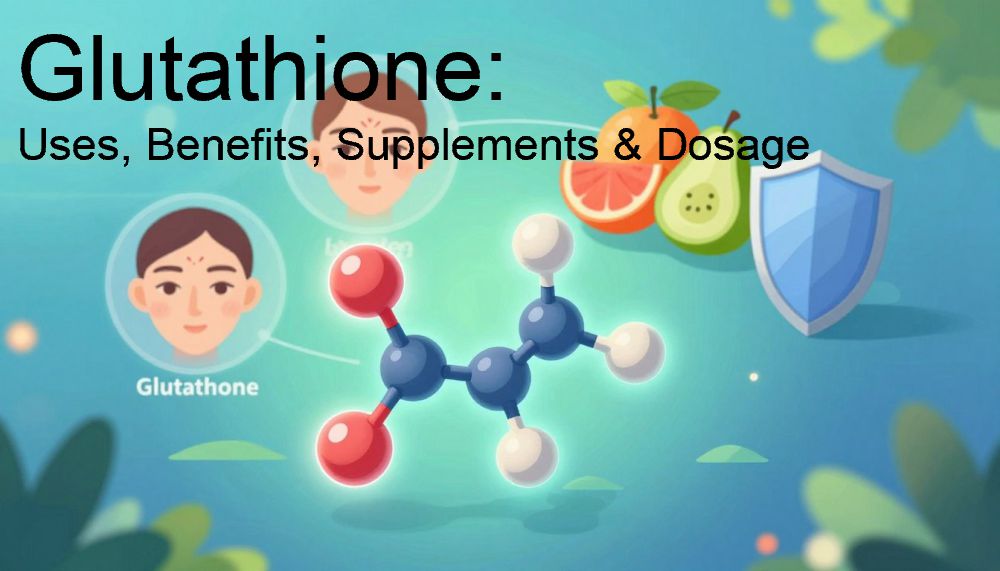
Glutathione is a tripeptide molecule composed of three amino acids: cysteine, glutamic acid, and glycine. It is found in every cell of the body and is crucial for maintaining cellular health. Glutathione’s primary function is to act as an antioxidant, neutralizing free radicals and protecting cells from oxidative damage.
The Science of Glutathione Synthesis
The synthesis of glutathione involves a two-step process that requires ATP. The first step combines glutamate and cysteine to form gamma-glutamylcysteine, which is then combined with glycine to produce glutathione. This process is crucial for maintaining adequate glutathione levels in the body, highlighting the importance of glutathione synthesis.
Why Glutathione is Considered a Powerful Antioxidant
Glutathione is considered a powerful antioxidant due to its ability to neutralize free radicals and regenerate other antioxidants like vitamins C and E. Its role in combating oxidative stress makes it vital for overall health, underscoring the effect of glutathione in maintaining our well-being.
| Antioxidant | Function | Regeneration by Glutathione |
|---|---|---|
| Vitamin C | Neutralizes free radicals in aqueous environments | Yes |
| Vitamin E | Protects cell membranes from oxidative damage | Yes |
| Glutathione | Directly neutralizes free radicals and regenerates other antioxidants | – |
By understanding glutathione’s role, synthesis, and function as an antioxidant, we can appreciate its significance in maintaining our health.
Key Health Benefits of Glutathione
With its powerful antioxidant properties, glutathione plays a significant role in enhancing overall health and preventing disease. The key health benefits of glutathione are multifaceted and impact various aspects of health.
Combating Oxidative Stress and Free Radicals
Glutathione is crucial in combating oxidative stress by neutralizing free radicals, which can cause cellular damage and contribute to aging and various diseases. Oxidative stress occurs when there’s an imbalance between free radicals and antioxidants in the body. Glutathione helps maintain this balance, thereby protecting cells from damage.
Supporting Liver Health and Nonalcoholic Fatty Liver Disease
Glutathione is vital for liver health as it aids in detoxification processes. It helps in removing toxins from the body, which can otherwise lead to liver damage. Research has also shown that glutathione may be beneficial in managing nonalcoholic fatty liver disease (NAFLD) by reducing oxidative stress and inflammation in the liver.
- Enhances liver function
- Supports detoxification processes
- May help in managing NAFLD
Potential Benefits for Skin Health and Brightening
Glutathione has gained popularity for its potential benefits in skin health and brightening. It is believed to reduce melanin production, leading to a brighter complexion. While more research is needed, glutathione’s antioxidant properties may also help in protecting the skin from environmental stressors and promoting overall skin health.
By understanding the various health benefits of glutathione, individuals can better appreciate its importance in maintaining overall health and well-being.
Glutathione Levels in the Body and Deficiency
Understanding glutathione levels and their impact on health is essential for preventive care. Glutathione is a critical antioxidant produced in cells. It’s comprised largely of three amino acids: glutamine, glycine, and cysteine. Glutathione levels in the body can be influenced by various factors, including diet, lifestyle, and overall health.
Signs and Symptoms of Low Glutathione Levels
Low glutathione levels can manifest through various symptoms, including:
- Fatigue and Weakness: A decrease in glutathione can lead to increased oxidative stress, causing fatigue.
- Increased Susceptibility to Infections: Glutathione plays a role in immune function; low levels may impair immune response.
- Skin Issues: Glutathione is known for its skin-lightening properties, and its deficiency might lead to skin problems.
Factors Leading to Glutathione Depletion
Several factors can lead to glutathione depletion, including:
- Poor Diet: Lack of essential nutrients can hinder glutathione production.
- Environmental Toxins: Exposure to pollutants and toxins can deplete glutathione levels.
- Chronic Stress: Ongoing stress can lower glutathione levels over time.
- Medications and Medical Conditions: Certain drugs and health conditions can affect glutathione production.
The Impact of Aging on Glutathione Production
Aging is a significant factor in glutathione depletion. As we age, our bodies naturally produce less glutathione, making older adults more susceptible to oxidative stress and related health issues. Maintaining healthy glutathione levels becomes increasingly important with age to support overall health and potentially mitigate some effects of aging.
Exploring Different Forms of Glutathione Supplements
Glutathione supplements come in various forms, each with its unique characteristics and benefits. The diversity in supplement forms caters to different individual needs and preferences, making it crucial to understand the options available.
The effectiveness of glutathione supplementation largely depends on its absorption and bioavailability. Various forms have been developed to address these concerns, enhancing the potential benefits of glutathione.
Oral Glutathione Supplementation: Efficacy and Absorption
Oral glutathione supplementation is one of the most common methods. However, its efficacy is often debated due to concerns about its absorption in the gastrointestinal tract. Research indicates that oral glutathione can be broken down, potentially limiting its effectiveness.
Enhancing Oral Absorption: Some formulations include additional ingredients that may improve the stability and absorption of glutathione. For instance, combining glutathione with certain nutrients can potentially enhance its bioavailability.
Liposomal Glutathione: A Bioavailable Alternative
Liposomal glutathione represents a more bioavailable alternative to traditional oral supplements. Encapsulating glutathione in liposomes can protect it from degradation and enhance its delivery to cells.
Liposome Technology: This technology involves wrapping glutathione in fatty molecules, which can improve its absorption and utilization by the body. Studies suggest that liposomal glutathione may offer superior bioavailability compared to conventional oral supplements.
Sublingual and Inhaled Glutathione Options
Sublingual glutathione involves placing the supplement under the tongue, potentially bypassing the digestive system and enhancing absorption. Inhaled glutathione, on the other hand, is administered through the lungs.
Alternative Delivery Methods: Both sublingual and inhaled glutathione are considered alternative delivery methods that may offer improved bioavailability. However, more research is needed to fully understand their efficacy and long-term effects.
Understanding the different forms of glutathione supplements can help individuals make informed decisions about their supplementation regimen. It’s essential to consult with a healthcare professional before starting any new supplement to ensure it aligns with individual health needs.
Clinical Administration: IV and Injectable Glutathione
The use of IV and injectable glutathione represents a significant advancement in the clinical administration of this powerful antioxidant. This method bypasses the digestive system, ensuring a higher bioavailability compared to oral supplements.
Understanding Intravenous Glutathione Infusions
Intravenous glutathione infusions involve delivering glutathione directly into the bloodstream. This method is particularly beneficial for individuals with severe glutathione deficiency or those who require immediate replenishment of glutathione levels.
Key benefits of IV glutathione infusions include:
- Rapid increase in glutathione levels
- Bypassing the digestive system to avoid degradation
- Potential for higher efficacy in critical conditions
As noted by Dr. David Agus, a renowned expert in cancer treatment and prevention, “IV glutathione can be particularly useful in clinical settings where rapid replenishment of glutathione is necessary.”
“IV glutathione can be particularly useful in clinical settings where rapid replenishment of glutathione is necessary.” – Dr. David Agus
When is Injectable Glutathione Recommended?
Injectable glutathione is often recommended for individuals with specific health conditions or those undergoing certain medical treatments. The decision to use injectable glutathione should be made under the guidance of a healthcare professional.
| Condition | Potential Benefit of Injectable Glutathione |
|---|---|
| Chronic oxidative stress | May help reduce oxidative damage |
| Liver disease | Supports liver health and function |
| Certain neurodegenerative diseases | May help mitigate disease progression |
Safety Considerations for Clinical Administration
While IV and injectable glutathione can be beneficial, it’s crucial to consider the safety aspects. Potential risks and side effects should be discussed with a healthcare provider.
Some of the safety considerations include:
- Risk of allergic reactions
- Potential interactions with other medications
- Need for sterile administration to prevent infections
By understanding the benefits and risks, individuals can make informed decisions about using IV or injectable glutathione under medical supervision.
Glutathione in the Treatment of Specific Health Conditions
Research into glutathione’s therapeutic applications has highlighted its potential in managing conditions such as Parkinson’s disease and metabolic syndrome. Glutathione’s role in maintaining cellular health and combating oxidative stress makes it a valuable compound in the treatment of various diseases.
Research on Glutathione in Parkinson’s Disease
Parkinson’s disease is a neurodegenerative disorder characterized by the loss of dopamine-producing neurons in the brain. Oxidative stress is believed to play a significant role in the progression of this disease. Glutathione, with its potent antioxidant properties, has been investigated for its potential to slow or halt the progression of Parkinson’s.
Studies have shown that individuals with Parkinson’s disease often have lower levels of glutathione in their brains. Supplementing with glutathione or its precursors may help to restore these levels, potentially alleviating some symptoms of the disease.
The Role of Glutathione in Metabolic Health
Metabolic health is another area where glutathione may offer benefits. Metabolic syndrome, a cluster of conditions that increase the risk of heart disease, stroke, and type 2 diabetes, has been linked to oxidative stress and inflammation. Glutathione’s antioxidant properties may help mitigate these factors.
Research suggests that glutathione supplementation could improve insulin sensitivity and reduce oxidative stress in individuals with metabolic syndrome. This could potentially lead to better management of the condition and a reduced risk of associated diseases.
| Condition | Glutathione’s Role | Potential Benefits |
|---|---|---|
| Parkinson’s Disease | Antioxidant properties | Slowing disease progression |
| Metabolic Syndrome | Reducing oxidative stress | Improving insulin sensitivity |
Current Scientific Consensus on Therapeutic Use
While the potential therapeutic benefits of glutathione are promising, the current scientific consensus is that more research is needed to fully understand its effects in humans. Clinical trials and studies are ongoing to determine the efficacy and safety of glutathione supplementation for various health conditions.
It is essential for individuals considering glutathione supplementation for therapeutic purposes to consult with a healthcare professional. This ensures that any treatment is tailored to their specific needs and health status.
How to Safely Increase Glutathione Levels Naturally
To enhance your body’s glutathione production, it’s essential to understand the role of diet, lifestyle, and certain nutrients. By making informed choices, you can support your body’s natural ability to produce this vital antioxidant.
Dietary Sources That Support Glutathione Synthesis
A diet rich in certain foods can significantly support glutathione production. Foods high in sulfur-containing amino acids, such as garlic, onions, and eggs, are particularly beneficial. Additionally, consuming a variety of fruits and vegetables, especially those high in vitamins C and E, like citrus fruits and leafy greens, can help boost glutathione levels.
Here’s a list of dietary sources that support glutathione synthesis:
- Garlic
- Onions
- Eggs
- Citrus fruits
- Leafy greens
- Cruciferous vegetables
Lifestyle Changes to Boost Natural Production
Lifestyle factors play a crucial role in maintaining healthy glutathione levels. Regular exercise can help increase glutathione production, while adequate sleep is essential for overall antioxidant defenses. Reducing exposure to environmental toxins and managing stress through techniques like meditation or yoga can also support glutathione levels.
Nutrients That Help Increase Glutathione Levels
Certain nutrients can directly influence glutathione production. Vitamin C and N-acetyl cysteine (NAC) are known to support glutathione synthesis. Other beneficial nutrients include selenium and alpha-lipoic acid, which help maintain the balance of glutathione in the body.
The following table summarizes key nutrients and their roles in glutathione production:
| Nutrient | Role in Glutathione Production |
|---|---|
| Vitamin C | Supports glutathione synthesis and recycling |
| N-acetyl cysteine (NAC) | Precursor to glutathione, directly supports production |
| Selenium | Essential for glutathione peroxidase activity |
| Alpha-lipoic acid | Helps recycle and maintain glutathione balance |
Determining the Right Glutathione Dosage
Glutathione dosage is a critical factor that influences its efficacy and safety. The appropriate dosage can vary based on several factors, including the form of glutathione used, individual health status, and specific health goals.
Standard Dosage Guidelines for Oral Supplements
Oral glutathione supplements come in various forms, including capsules, tablets, and liposomal formulations. Standard dosages range from 50 mg to 500 mg per day, with some studies suggesting that higher doses may be more effective for certain health benefits.
Typical Dosage Ranges:
| Form | Typical Dosage |
|---|---|
| Oral Capsules/Tablets | 50-500 mg/day |
| Liposomal Glutathione | 100-1000 mg/day |
Factors Influencing Your Personal Glutathione Intake
Several factors can influence the optimal glutathione dosage for an individual, including age, health status, and lifestyle. For instance, individuals with certain medical conditions or those exposed to high levels of oxidative stress may require higher doses.
- Age and health status
- Lifestyle factors (e.g., smoking, alcohol consumption)
- Presence of chronic diseases
Why You Should Consult a Professional Before Starting
Given the variability in individual responses to glutathione supplementation, consulting a healthcare professional is crucial. They can help determine the most appropriate dosage based on specific needs and health conditions.
It’s also important to discuss potential interactions with other medications or supplements.
Potential Side Effects and Risks of Supplementation
While glutathione supplementation is generally considered safe, it’s crucial to be aware of the potential side effects and risks associated with its use. As with any supplement, individual reactions can vary, and understanding these potential issues is key to safe and effective supplementation.
Commonly Reported Side Effects of Glutathione
Most people tolerate glutathione supplements well, but some may experience side effects. Commonly reported adverse effects include:
- Gastrointestinal issues such as bloating or cramps
- Allergic reactions, which can manifest as rashes or itching
- Respiratory problems, particularly for those using inhaled forms
Interactions and Safety Precautions
Glutathione can interact with certain medications and conditions. It’s essential to be aware of these potential interactions to avoid adverse effects. For instance, glutathione may interact with chemotherapy drugs, and individuals with certain medical conditions, such as asthma or sulfur sensitivity, should exercise caution.
| Medication/Condition | Potential Interaction | Precaution |
|---|---|---|
| Chemotherapy drugs | May interfere with treatment efficacy | Consult an oncologist before use |
| Asthma | Potential for exacerbated symptoms with inhaled glutathione | Monitor respiratory function closely |
| Sulfur sensitivity | Risk of allergic reactions | Start with a low dose and monitor for reactions |
When to Stop Taking Glutathione Supplements
If you experience any severe side effects or if your health condition worsens, it’s crucial to stop taking glutathione supplements and consult a healthcare professional. Additionally, if you notice any signs of an allergic reaction, such as difficulty breathing, rapid heartbeat, or swelling, seek medical attention immediately.
Being informed about the potential side effects and taking necessary precautions can help ensure a safe supplementation experience. Always consult with a healthcare provider before starting any new supplement regimen, especially if you have underlying health conditions or are taking other medications.
Conclusion
Glutathione is a powerful antioxidant that plays a vital role in maintaining overall health. Throughout this article, we have explored its functions, benefits, and various forms of supplementation. A glutathione summary highlights its importance in combating oxidative stress, supporting liver health, and potentially brightening skin.
The potential health benefits of glutathione are vast, ranging from improving metabolic health to treating specific medical conditions. The effectiveness of glutathione supplementation depends on factors such as the form of supplement, dosage, and individual health needs.
To maximize the benefits of glutathione, it is essential to understand the different forms available, including oral, liposomal, and intravenous options. By choosing the right supplement and consulting with a healthcare professional, individuals can safely harness the power of glutathione to enhance their well-being.
In conclusion, glutathione is a valuable nutrient that offers numerous health benefits. Its effectiveness in promoting overall health makes it a worthwhile consideration for those looking to boost their antioxidant defenses.
FAQ
What is glutathione and why is it important for the body?
Glutathione is a powerful antioxidant comprised of three essential amino acids: cysteine, glutamate, and glycine. Often called the “master antioxidant,” the role of glutathione is to protect cells from oxidative stress and damage caused by free radicals. It is also essential for detoxification, particularly in the liver, and supports a healthy immune system. Because glutathione is an important antioxidant, maintaining optimal glutathione levels in the body is crucial for overall cellular health and longevity.
What are the main health benefits of glutathione?
The health benefits of glutathione are vast. Research suggests that glutathione may help reduce cell damage in liver disease, including nonalcoholic fatty liver disease. Additionally, glutathione may help improve insulin sensitivity, reduce inflammation, and even provide potential benefits for skin brightening and anti-aging. Many people take glutathione to support respiratory health, as inhaled glutathione may assist with conditions like cystic fibrosis or asthma. Furthermore, glutathione plays a significant role in DNA repair and glutathione metabolism.
What causes low glutathione levels?
Low glutathione or glutathione deficiency can be caused by various factors, including poor nutrition, environmental toxins, and chronic stress. Glutathione depletion is also a natural part of the aging process, as the body’s production of glutathione slows down over time. Certain health conditions, such as liver disease, cancer, and type 2 diabetes, are often associated with low levels of glutathione, which can exacerbate the impact of glutathione deficiency on cellular repair.
Can oral glutathione supplementation actually increase glutathione levels?
There has been debate regarding the efficacy of glutathione when taken orally, as the digestive system can break it down before it reaches the bloodstream. However, newer studies on oral glutathione supplementation show that taking a glutathione supplement can indeed raise glutathione levels over time. To improve the effectiveness of glutathione, many health experts recommend liposomal glutathione (such as brands like Quicksilver Scientific or Bulletproof) or sublingual glutathione, which bypass the digestive tract for better absorption into the blood glutathione levels.
Is there a difference between IV glutathione and oral supplements?
Yes, intravenous glutathione or IV glutathione administration is generally considered the fastest way to increase glutathione levels. This method delivers reduced glutathione directly into the bloodstream, making it highly bioavailable. While iv glutathione is often used in clinical settings for glutathione treatment of severe conditions, oral glutathione or liposomal glutathione is a more convenient, everyday form of glutathione for long-term maintenance. Some patients also use injectable glutathione under medical supervision to support glutathione production.
What is the recommended glutathione dosage?
There is no one-size-fits-all glutathione dosage, as it depends on your specific health condition. However, many standard glutathione supplements may suggest a dose of 500 mg of glutathione to 1,000 mg per day. For skin health, some users take 500 mg of glutathione glutathione twice daily. It is essential to consult with a healthcare professional to determine the right glutathione intake for you, especially if you are using it as part of a glutathione therapy plan.
Are there any side effects of glutathione I should be aware of?
While glutathione is safe for most people, there are some possible side effects to keep in mind. Side effects of glutathione can include abdominal cramps, bloating, or an allergic reaction, such as a rash. Long-term using glutathione supplements has also been linked to lower zinc levels in some individuals. If you experience any adverse effects, it is best to discontinue use and speak with a doctor about the side effects and risks associated with your specific glutathione supplementation routine.
How does glutathione help with liver health?
Glutathione works as a detoxifier in the liver by binding to toxins and helping the body excrete them. Studies have shown that glutathione in the treatment of nonalcoholic fatty liver disease can lead to improved protein, enzyme, and bilirubin levels. By raising glutathione levels, you help the liver combat the damage caused by alcohol, fatty deposits, and other pollutants, which ultimately supports higher glutathione concentrations in the blood.
Can I increase glutathione levels naturally?
Absolutely! You can help increase glutathione by consuming sources of glutathione found in nature, such as sulfur-rich foods like garlic, onions, and cruciferous vegetables (broccoli, cauliflower). Glutathione synthesis also requires precursors like N-acetylcysteine (NAC) and vitamin C. Regular exercise and getting enough sleep are excellent lifestyle habits for boosting glutathione and preventing low glutathione levels. Additionally, nutrients like selenium help the enzyme glutathione peroxidase function correctly to neutralize free radicals.
What is the role of glutathione in Parkinson’s disease?
Glutathione in Parkinson’s disease has been a subject of significant research. It is known that the brains of Parkinson’s patients often show low glutathione levels in the substantia nigra. Research suggests that glutathione may help protect the remaining dopaminergic neurons from further oxidative damage. While glutathione infusion via intravenous glutathione has shown possible benefits in clinical trials for motor symptoms, more research is needed to confirm the long-term potential health benefits of glutathione for this specific population.
Is nebulized glutathione better for respiratory issues?
Nebulized glutathione or inhaled glutathione is a specialized form of glutathione delivery that allows the antioxidant to reach the lungs directly. Inhaled glutathione may be helpful for individuals with lung-related oxidative stress. However, glutathione via inhalation should only be performed under medical guidance, as it can trigger bronchospasms in some people with asthma. Glutathione helps thin mucus and reduce inflammation in the airways, making it a unique tool in glutathione administration for respiratory support.