Welcome to the world of wellness where a simple leaf makes a huge difference. Many people in the United States look for natural ways to boost their energy and stay healthy. Exploring the health benefits of this herbal brew is a great place to start your journey.
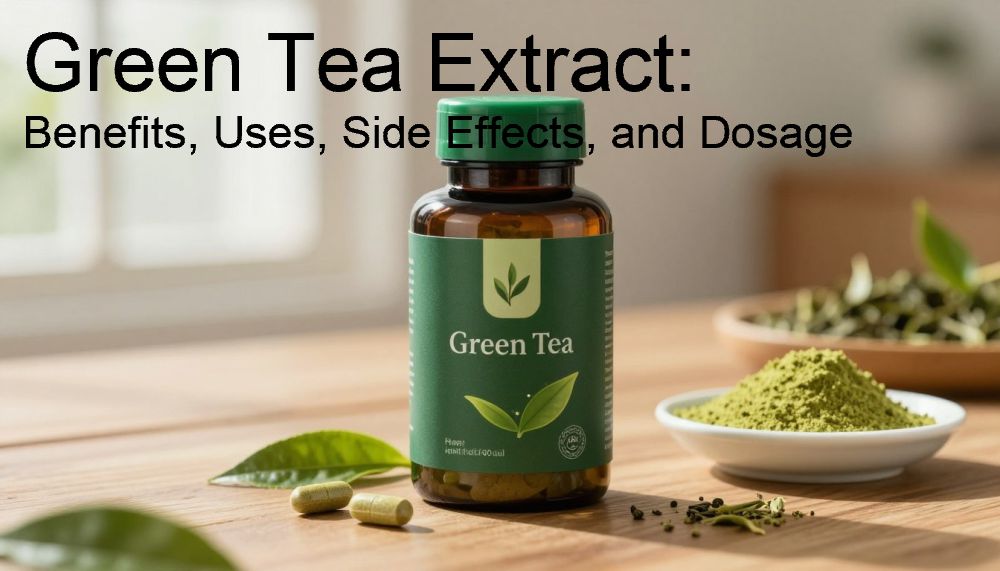
Adding a green tea extract supplement to your routine can provide powerful antioxidants. These concentrated formulas contain high levels of botanical catechins, which help protect your cells from damage. They offer a convenient way to enjoy the perks of ancient traditions in a modern format.
Regular herbal consumption remains a popular habit for those seeking a metabolism boost. We will dive into the right dosage and potential side effects to keep you safe. This guide covers how this botanical powerhouse supports your daily life and overall longevity.
Key Takeaways
- Learn how natural antioxidants support cell health and defense.
- Understand the role of plant compounds in boosting metabolism.
- Discover the proper daily dosage for maximum safety.
- Identify potential side effects to avoid adverse reactions.
- Explore the unique advantages of using concentrated botanical formulas.
- See why this wellness choice is a top favorite in the United States.
Understanding Green Tea Extract and Its Composition
To fully appreciate the benefits of green tea extract, it’s essential to understand its composition and how it differs from brewed green tea. Green tea extract is derived from the leaves of the Camellia sinensis plant, just like brewed green tea, but it is processed to concentrate the beneficial compounds.
What is Green Tea Extract?
Green tea extract is a concentrated form of green tea, capturing the essence of the tea leaves in a more potent form. It is typically made by steeping green tea leaves in a solvent, such as ethanol or water, to extract the desired compounds, which are then concentrated into a powder or capsule form.
The Power of Tea Polyphenols and Catechins
The primary active compounds in green tea extract are tea polyphenols, particularly catechins, with Epigallocatechin gallate (EGCG) being the most significant. These compounds are known for their antioxidant properties, helping protect the body against free radicals.
“Green tea catechins have been shown to have anti-inflammatory and anti-cancer properties, making them a valuable component of a healthy diet.”
EGCG is considered one of the most powerful catechins, with research suggesting it may have numerous health benefits, from enhancing metabolism to supporting cardiovascular health.
Comparing Green Tea Leaves to Concentrated Supplements
While brewed green tea is a healthy beverage, green tea extract supplements offer a more concentrated dose of the beneficial compounds. For instance, a typical cup of brewed green tea might contain between 20-40 mg of EGCG, whereas a supplement can provide up to 400 mg or more per serving.
This concentration makes supplements an attractive option for those seeking to maximize the health benefits of green tea. However, it’s crucial to choose high-quality supplements that are rich in catechins and have minimal added ingredients.
Key Health Benefits of Green Tea Extract
With its rich composition of antioxidants and catechins, Green Tea Extract offers a variety of health benefits that can improve overall well-being. The extract has been associated with several potential advantages, making it a popular supplement among health-conscious individuals.
Enhancing Cognitive Function and Focus
Green Tea Extract is known to improve cognitive function and enhance focus. The presence of antioxidants in green tea, particularly catechins, may contribute to its neuroprotective effects. Studies suggest that green tea may improve memory and attention span, potentially benefiting individuals with demanding mental tasks.
Blood Sugar Regulation and Metabolic Support
Research indicates that Green Tea Extract may help in regulating blood sugar levels. The catechins present in the extract are believed to improve insulin sensitivity, thereby supporting metabolic health. This benefit is particularly relevant for individuals at risk of developing type 2 diabetes.
Skin Health and Anti-Aging Properties
Green Tea Extract is also recognized for its anti-aging properties and its potential to improve skin health. The antioxidants in the extract may help protect the skin from damage caused by free radicals, promoting healthier and more youthful-looking skin.
The health benefits of Green Tea Extract can be summarized in the following table:
| Health Benefit | Description | Potential Advantage |
|---|---|---|
| Cognitive Function | Improves memory and attention | Better mental performance |
| Blood Sugar Regulation | Enhances insulin sensitivity | Reduced risk of type 2 diabetes |
| Skin Health | Protects against free radical damage | Healthier, more youthful skin |
The Role of Green Tea Extract in Weight Management
The potential of green tea extract to aid in weight management has garnered significant attention. Green tea extract is not just a trendy supplement; it’s backed by research that highlights its potential benefits in enhancing metabolic rate and supporting fat loss.
Thermogenic Effects and Fat Oxidation
Green tea extract is known for its thermogenic properties, which can enhance the body’s ability to burn fat. The catechins present in green tea, particularly EGCG, are believed to play a crucial role in this process. Studies have shown that green tea extract can increase fat oxidation, thereby supporting weight loss efforts.
Impact on Metabolism and Energy Expenditure
By potentially increasing metabolism and energy expenditure, green tea extract supplementation can be a useful adjunct to diet and exercise for weight loss. This effect is thought to be due to the synergistic action of catechins and caffeine present in green tea.
A study comparing the effects of green tea extract on metabolism found that it can significantly increase energy expenditure. The table below summarizes the findings:
| Group | Energy Expenditure Increase |
|---|---|
| Green Tea Extract Group | 4.6% |
| Placebo Group | 0.5% |
Combining Supplementation with Healthy Lifestyle Choices
For optimal weight management, it’s essential to combine green tea extract supplementation with a balanced diet and regular physical activity. While green tea extract can support weight loss, it is most effective as part of a comprehensive weight management plan.
By incorporating green tea extract into a healthy lifestyle, individuals can potentially enhance their weight loss efforts and achieve their health goals more effectively.
Cardiovascular Health and Green Tea Consumption
Emerging evidence suggests that green tea consumption may play a crucial role in maintaining cardiovascular well-being. The relationship between green tea extract and heart health is complex, involving various mechanisms that contribute to overall cardiovascular health.
Effects on Cholesterol Levels
Green tea extract has been shown to have a positive impact on cholesterol levels, a key factor in cardiovascular health. Studies have indicated that it can help in reducing LDL (bad) cholesterol while maintaining or even increasing HDL (good) cholesterol.
Key Findings on Cholesterol:
| Study | Effect on LDL Cholesterol | Effect on HDL Cholesterol |
|---|---|---|
| Study 1 | Reduced by 5% | Increased by 2% |
| Study 2 | Reduced by 7% | No significant change |
| Study 3 | Reduced by 3% | Increased by 4% |
Blood Pressure Regulation and Vascular Function
Regular consumption of green tea extract is also associated with better blood pressure regulation and improved vascular function. These effects are attributed to its antioxidant properties and the ability to enhance nitric oxide production, leading to vasodilation.
Long-term Studies on Cardiovascular Disease Risk
Long-term studies have investigated the relationship between green tea consumption and the risk of cardiovascular disease. The evidence suggests that regular intake of green tea extract can lead to a reduced risk of cardiovascular events, including heart attacks and strokes.
Summary of Long-term Effects:
- Reduced risk of cardiovascular mortality
- Lower incidence of myocardial infarction
- Decreased risk of stroke
In conclusion, the available data support the notion that green tea extract can be a valuable component of a heart-healthy lifestyle, contributing to improved cardiovascular health through various mechanisms.
Antioxidant Properties and Cellular Protection
The antioxidant properties of Green Tea Extract are a key factor in its numerous health benefits. Green Tea Extract is rich in antioxidants, particularly a group of compounds known as catechins, which play a crucial role in protecting the body against oxidative stress and cellular damage.
Oxidative stress occurs when there is an imbalance between the production of free radicals and the body’s ability to counteract their harmful effects. This imbalance can lead to cell damage and is associated with various chronic diseases. The antioxidants in Green Tea Extract help mitigate this stress, thereby supporting overall health and well-being.
The Role of Epigallocatechin-3-Gallate (EGCG)
One of the most significant antioxidants in Green Tea Extract is Epigallocatechin-3-Gallate (EGCG). EGCG is a powerful catechin that has been extensively studied for its health benefits. It is known for its ability to neutralize free radicals, thereby reducing oxidative stress and inflammation in the body.
Research has shown that EGCG can have a positive impact on various aspects of health, including cardiovascular health, cognitive function, and immune system support. Its potent antioxidant properties make it an essential component of Green Tea Extract.
Combating Oxidative Stress in the Body
Oxidative stress is a significant factor in the development of many chronic diseases. The antioxidants in Green Tea Extract, particularly EGCG, help combat this stress by neutralizing free radicals. This action not only protects cells from damage but also supports the body’s natural defense mechanisms.
The table below summarizes the key antioxidants found in Green Tea Extract and their roles in combating oxidative stress:
| Antioxidant | Role |
|---|---|
| EGCG | Neutralizes free radicals, reduces oxidative stress and inflammation |
| Catechins | Protects cells from damage, supports overall health |
| Polyphenols | Enhances antioxidant defenses, supports immune function |
Supporting Immune System Resilience
A robust immune system is crucial for defending against pathogens and maintaining overall health. The antioxidants in Green Tea Extract, including EGCG, contribute to immune system resilience by protecting immune cells from oxidative damage.
By supporting the health and function of immune cells, Green Tea Extract can help the body respond more effectively to challenges. This immune support is an essential aspect of overall wellness and can be particularly beneficial during periods of increased stress or when the immune system is compromised.
Recommended Dosage and How to Take Green Tea Extract
When it comes to incorporating Green Tea Extract into your daily routine, understanding the appropriate dosage is crucial for maximizing its benefits. The ideal dose can vary based on individual health goals and the form of supplementation chosen.
Determining the Right Amount for Your Goals
The dosage of Green Tea Extract is typically measured in milligrams (mg) of the active ingredient, often catechins or EGCG (Epigallocatechin gallate). For general health benefits, a daily dose ranging from 250 mg to 500 mg of catechins is commonly recommended.
For specific health goals, such as weight management or enhanced cognitive function, the dosage might need to be adjusted. It’s essential to consult with a healthcare professional to determine the most effective and safe dosage for your particular needs.
Forms of Supplementation: Capsules, Powders, and Liquids
Green Tea Extract is available in various forms, including capsules, powders, and liquids. Each form has its advantages:
- Capsules: Convenient and easy to incorporate into your daily routine, capsules provide a precise dose.
- Powders: Offering flexibility in dosing, powders can be easily mixed into beverages or recipes.
- Liquids: Liquid extracts can be absorbed quickly and may offer a more potent effect.
The choice of form depends on personal preference and specific health objectives.
Timing Your Intake for Maximum Absorption
The timing of Green Tea Extract intake can influence its effectiveness. Consuming it with meals may help reduce potential gastrointestinal side effects, while taking it before exercise might enhance its thermogenic effects.
| Form | Recommended Timing | Benefits |
|---|---|---|
| Capsules | With meals | Reduces gastrointestinal discomfort |
| Powders | Before or after workout | Enhances fat oxidation |
| Liquids | On an empty stomach | Quick absorption |
Ultimately, the best time to take Green Tea Extract depends on your individual schedule and health goals. Experimenting with different timings under the guidance of a healthcare professional can help you find what works best for you.
Potential Side Effects and Safety Considerations
Understanding the potential side effects of green tea extract is essential for safe consumption. While generally considered safe for most people, green tea extract can cause adverse effects, particularly when consumed in large quantities or combined with other substances.
Managing Caffeine Sensitivity and Related Side Effects
One of the primary concerns with green tea extract is its caffeine content. Caffeine sensitivity can lead to jitters, anxiety, and insomnia in some individuals. To manage caffeine-related side effects, it’s recommended to start with a low dose and gradually increase as needed and under the guidance of a healthcare professional.
According to a study published in the Journal of Clinical Pharmacology, caffeine intake should not exceed 400 mg per day for healthy adults. Green tea extract supplements can vary widely in their caffeine content, so it’s crucial to check the label.
| Caffeine Content | Green Tea Extract Dose | Potential Side Effects |
|---|---|---|
| Low (<50 mg) | Small dose (1 capsule) | Minimal risk of side effects |
| Moderate (50-200 mg) | Standard dose (2-3 capsules) | Jitters, anxiety in sensitive individuals |
| High (>200 mg) | Large dose (4 or more capsules) | Increased risk of insomnia, rapid heartbeat |
Gastrointestinal Discomfort and Nausea
Some individuals may experience gastrointestinal discomfort or nausea when taking green tea extract. This can be due to the high catechin content, particularly EGCG. Taking the supplement with food or dividing the dose throughout the day may help alleviate these symptoms.
“Green tea catechins are generally well-tolerated, but high doses can cause stomach upset in some individuals.”
Nancy, a registered dietitian
When to Consult a Healthcare Professional
It’s essential to consult a healthcare professional before starting green tea extract supplementation, especially if you have pre-existing health conditions or are taking medications. Certain individuals, such as pregnant or breastfeeding women, should exercise caution due to the potential effects of caffeine and other compounds on the fetus or baby.
- If you experience any severe side effects, such as difficulty breathing or rapid heartbeat.
- If you’re considering taking green tea extract with other stimulants or medications.
- If you have a history of liver disease or are concerned about liver health.
By being aware of the potential side effects and taking steps to manage them, you can safely incorporate green tea extract into your health regimen.
Understanding the Risk of Liver Injury
Green Tea Extract, a popular dietary supplement, has been linked to cases of liver damage, prompting a closer examination of its safety profile. The concern over liver injury has led to a detailed analysis of reported cases and the factors that may contribute to such adverse effects.
Analyzing Reported Cases of Liver Damage
There have been documented cases where individuals consuming Green Tea Extract experienced liver damage. These cases vary in severity and have been reported in different parts of the world. Some of the reported cases involved individuals with pre-existing liver conditions, while others did not have any known history of liver issues.
- Cases of liver damage have been associated with high doses of Green Tea Extract.
- The severity of liver injury can range from mild elevations in liver enzymes to severe liver failure.
- Some cases have required medical intervention, including hospitalization.
Factors Contributing to Adverse Effects
Several factors may contribute to the risk of liver injury, including the dosage of Green Tea Extract consumed, individual tolerance, and pre-existing health conditions. High doses of Green Tea Extract, particularly those exceeding 800 mg of EGCG per day, have been associated with a higher risk of liver damage.
Other factors that may influence the risk include:
- Individual sensitivity to catechins and other compounds in Green Tea Extract.
- Pre-existing liver conditions or other health issues.
- Interactions with other medications or supplements.
Safe Consumption Practices to Protect Liver Health
To minimize the risk of liver injury, it is recommended to follow safe consumption practices. This includes adhering to the recommended dosage and being aware of any potential interactions with other medications or health conditions.
Consumers should start with a low dose and monitor their body’s response before increasing their intake. Additionally, individuals with pre-existing liver conditions should consult with a healthcare professional before using Green Tea Extract supplements.
By being informed and cautious, individuals can enjoy the benefits of Green Tea Extract while protecting their liver health.
Interactions with Medications and Other Substances
To maximize the benefits of Green Tea Extract while minimizing risks, it’s essential to understand its potential interactions with other substances. Green Tea Extract is not consumed in isolation; it is often taken alongside other supplements, medications, or stimulants like coffee.
Combining Green Tea Extract with Coffee and Other Stimulants
Consuming Green Tea Extract with coffee or other stimulants can amplify the effects of caffeine, potentially leading to jitteriness, anxiety, or an increase in heart rate. It’s crucial to monitor total caffeine intake when combining these substances.
A study published in the Journal of Clinical Pharmacology highlighted that high doses of Green Tea Extract, when combined with caffeine, could lead to increased heart rate and blood pressure. Therefore, individuals sensitive to caffeine should be cautious.
“The combination of Green Tea Extract and caffeine can have synergistic effects on the body, necessitating careful monitoring of overall caffeine intake.”
Potential Interactions with Prescription Drugs
Green Tea Extract may interact with certain prescription drugs, including blood thinners like warfarin. The catechins in Green Tea Extract can potentially enhance the effects of these medications, leading to adverse effects.
| Prescription Drug | Potential Interaction |
|---|---|
| Warfarin | Increased risk of bleeding due to enhanced anticoagulant effect |
| Blood Pressure Medications | Potential for additive effects, leading to hypotension |
| Stimulant Medications | Increased risk of jitteriness, anxiety, or increased heart rate |
The Importance of Monitoring Your Total Intake
Monitoring your total intake of Green Tea Extract and other substances is vital to avoid adverse interactions. Keeping a supplement diary can help track your consumption and identify any potential issues early on.
It’s also advisable to consult with a healthcare professional before starting any new supplement regimen, especially if you’re already taking prescription medications or other supplements.
Conclusion
Green tea extract has emerged as a powerful supplement, offering numerous health benefits that can enhance overall well-being. By understanding its composition and the role of tea polyphenols and catechins, individuals can harness its potential to support cognitive function, metabolic health, and cardiovascular wellness.
To maximize the benefits of green tea extract, it’s essential to practice safe consumption. This includes being mindful of the recommended dosage, potential side effects, and interactions with other substances. By doing so, individuals can confidently incorporate green tea supplementation into their daily routine.
As research continues to uncover the advantages of green tea extract, it’s clear that this natural supplement can be a valuable addition to a healthy lifestyle. By making informed decisions and adopting a balanced approach to supplementation, individuals can unlock the full potential of green tea extract and enjoy its numerous health benefits.
FAQ
Is it better to drink green tea or take green tea extract supplements?
Both options offer wonderful potential benefits, but they serve different needs. When you drink green tea, you enjoy a ritual that provides hydration and a moderate dose of tea polyphenols directly from green tea leaves. However, a green tea extract supplement is much more concentrated. For those looking for a specific effect of green tea extract, such as targeted metabolic support, taking a green tea supplement provides a higher amount of green tea bioactive compounds like green tea catechins than a standard cup of green tea could offer.
What are the main health benefits of green tea consumption?
The health benefits of green tea are vast! Studies of green tea indicate that regular green tea intake can support heart health, aid in weight management, and provide powerful cellular protection. The primary benefit of green tea comes from its high concentration of the green tea polyphenol epigallocatechin-3-gallate (EGCG). This antioxidant in green tea helps combat oxidative stress, while green tea also helps with blood sugar regulation and skin health. Whether you prefer japanese green tea or other varieties, the effect of green tea on overall wellness is well-documented.
Can green tea extract supplementation help with weight loss?
Yes, green tea on weight management is one of its most popular uses. Green tea extract may help by increasing thermogenesis and fat oxidation. The effect of green tea supplementation is often more pronounced than just drinking green tea or taking it occasionally. Research into green tea extract consumption shows that the tea catechin content helps the body burn calories more efficiently. For the best results, many people use a combination of green tea extract alongside a healthy diet and exercise to maximize the effect of green tea catechins on metabolism.
Is there a risk of liver injury associated with green tea extract?
While moderate green tea consumption is considered very safe, there have been rare cases of liver injury reported with the use of green tea supplements in very high concentrations. These cases of liver issues are typically linked to taking large amounts of green tea extract on an empty stomach. To avoid liver damage or liver disease, it is important not to exceed the recommended mg of green tea extract on the label. If you have concerns about the risk of liver toxicity, consult a professional before starting high doses of green tea products.
Does green tea contain caffeine, and what are the side effects?
Yes, green tea contains caffeine, although generally less than coffee. The caffeine in green tea provides a gentle energy boost, but some people may still experience side effects of caffeine, such as jitteriness or a rapid heart rate. If you are sensitive, you might prefer decaffeinated green tea. When you take green tea extract, be aware that some green tea products are highly concentrated in caffeine, which could cause side effects if you also consume green tea or coffee throughout the day. Monitoring your total tea and coffee consumption helps mitigate these adverse effects.
How does green tea improve cardiovascular health?
Studies show that green tea is excellent for the heart. Green tea consumption and cardiovascular health are linked because green tea reduces “bad” LDL cholesterol and improves vascular function. Research on tea consumption and the risk of heart issues suggests that tea drinkers who consume several cups of green tea daily have a lower tea consumption and risk profile for stroke and heart disease. This effect of green tea consumption is one of the most significant reasons to use green tea long-term.
What is the recommended dose for green tea extract?
The ideal amount of green tea extract varies, but most studies show that green tea is effective at doses between 250mg and 500mg per day. When choosing a product containing green tea, look for one standardized for tea polyphenols and EGCG. It is best to avoid large amounts of green tea extracts in a single dose to reduce the risk of side effects. Whether you are drinking green tea or taking an oral green tea capsule, consistency is key to seeing the potential benefits.
Are there any interactions of green tea with medications?
Yes, there are some important interactions of green tea to keep in mind. Green tea extract may interfere with the absorption of certain medications, such as blood thinners or some blood pressure drugs. Additionally, a combination of green tea extract with other stimulants like coffee and green tea together can increase heart rate. Because green tea extract decreases the effectiveness of some drugs, always talk to your doctor about your intake of green tea if you are on prescription medication.
How does green tea compare to black tea or different tea varieties?
All different tea types come from the same *Camellia sinensis* plant, but the processing makes the difference. Black tea is fully fermented, while green tea leaves are steamed or pan-fired to prevent oxidation. This preservation means green tea seems to have higher levels of green tea catechins compared to black tea. While both offer a health benefit, the specific properties of green tea and its impact on tea on plasma antioxidant levels make it a standout for those seeking high tea polyphenols.
Can green tea extract and L-theanine help with mental focus?
Absolutely! The form of green tea found in supplements often highlights the combination of green tea extract and l-theanine. While the effects of caffeine provide energy, L-theanine promotes relaxation without drowsiness. This synergy is why green tea improves focus and cognitive function. Green tea extract supplementation is a popular choice for those wanting the mental clarity associated with moderate green tea consumption without drinking multiple cups of liquid.