Are you searching for a healthy snack that tastes great? Every tree nut variety offers incredible nutritional benefits for your daily routine. They are easy to carry and provide a satisfying crunch for any time of day.
Maintaining a balanced diet often starts with simple, whole foods. These items provide vital nutrition that supports your heart and brain health. Understanding the different types of nuts helps you choose the best fuel for your body.
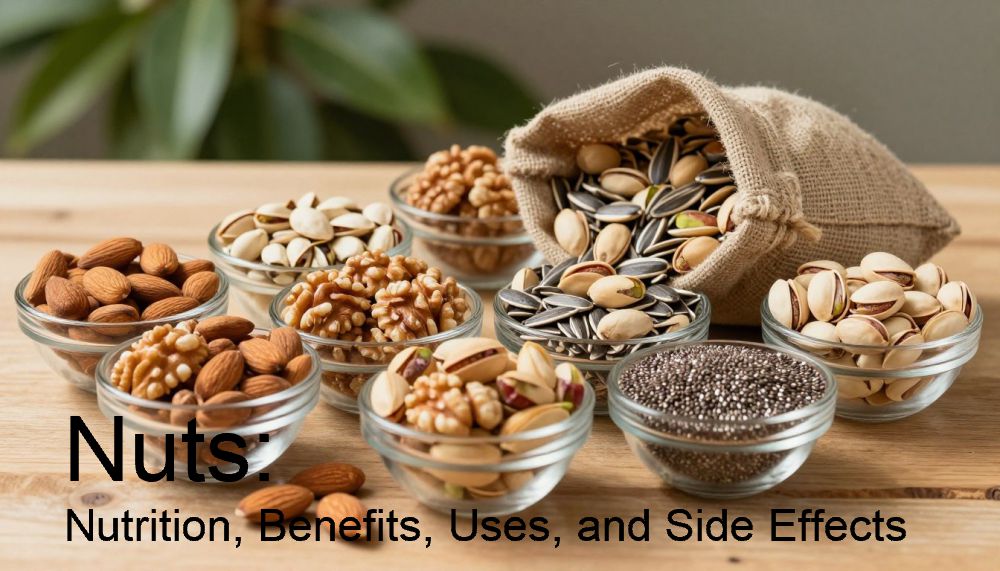
Many people love the health benefits found in a diverse nut and seed mix. Experts frequently praise these advantages, yet you should also look at possible side effects. This guide shows how these items can fit into your routine safely.
Key Takeaways
- They offer high levels of healthy fats and plant-based protein.
- Regular consumption supports long-term cardiovascular and brain health.
- Different varieties provide a range of essential vitamins and minerals.
- Portion control is vital to balance their high-calorie nature.
- Some individuals may experience allergies or digestive issues.
- These items are incredibly versatile for cooking and snacking needs.
The Nutritional Profile of Nuts
Rich in healthy fats, proteins, and fiber, nuts provide a robust nutritional profile. Nuts are a good source of macronutrients and micronutrients, making them a valuable component of a balanced diet.
Macronutrients: Fats, Proteins, and Fiber
Nuts are predominantly known for their high fat content, but it’s essential to note that they are rich in healthy fats, including monounsaturated and polyunsaturated fats. These fats are crucial for heart health and can help lower bad cholesterol levels.
In addition to healthy fats, nuts are a good source of plant-based proteins, making them an excellent option for vegetarians and vegans. The protein content in nuts varies, with some nuts like almonds and pistachios offering a higher protein content compared to others.
Nuts are also rich in dietary fiber, which plays a significant role in digestive health and satiety. A high fiber intake is associated with various health benefits, including improved blood sugar control and bowel regularity.
| Nut Type | Fat Content (%) | Protein Content (%) | Fiber Content (%) |
|---|---|---|---|
| Almonds | 49 | 21 | 12 |
| Walnuts | 65 | 15 | 7 |
| Pecans | 72 | 9 | 10 |
Essential Vitamins and Minerals
Nuts are not only a good source of macronutrients but also provide a range of essential vitamins and minerals. They are particularly rich in vitamin E, a powerful antioxidant that protects cells from damage.
Many nuts are also good sources of minerals such as magnesium, potassium, and zinc. These minerals are crucial for various bodily functions, including muscle and nerve function, heart health, and immune function.
The micronutrient content in nuts can vary significantly depending on the type. For example, Brazil nuts are an exceptionally rich source of selenium, an essential mineral that acts as an antioxidant in the body.
Understanding the Different Types of Nuts
The diverse world of nuts encompasses numerous varieties, from commonly consumed types to specialty nuts. This diversity is not just in terms of taste and texture but also in nutritional content and culinary uses.
Tree Nuts vs. Peanuts: What is the Difference?
One of the primary distinctions in the world of nuts is between tree nuts and peanuts. Tree nuts are nuts that grow on trees, while peanuts are legumes that grow underground. This difference is not just botanical; it also has implications for individuals with nut allergies. Tree nuts include a wide range of varieties such as almonds, walnuts, and pecans.
Peanuts, on the other hand, are often considered nuts in culinary and cultural contexts, despite being legumes. Understanding this difference is crucial for managing allergies and making informed dietary choices.
Popular Varieties: Almonds, Walnuts, and Brazil Nuts
Among the most commonly consumed nuts are almonds, walnuts, and Brazil nuts. Almonds are rich in vitamin E and are often eaten as a snack or used in baking. Walnuts are known for their high content of omega-3 fatty acids and antioxidants, making them a popular choice for health-conscious consumers.
Brazil nuts are another popular variety, renowned for their high selenium content. Selenium is an essential mineral that plays a critical role in immune function and thyroid health. Consuming just a few Brazil nuts can meet the daily recommended intake of selenium.
Specialty Nuts: Macadamia and Pine Nuts
Specialty nuts like macadamia and pine nuts offer unique flavors and textures. Macadamia nuts are known for their rich, buttery flavor and high fat content, making them a popular choice for baking and cooking.
Pine nuts, on the other hand, are often used in culinary dishes for their distinct flavor and are a key ingredient in pesto sauce. Both macadamia and pine nuts are considered premium products due to the difficulty and cost associated with their harvesting process.
Health Benefits of Regular Nut Consumption
Regular nut consumption has been associated with numerous health benefits. The incorporation of nuts into one’s diet can lead to significant improvements in overall health, particularly in the areas of cardiovascular health, brain function, and metabolic markers.
Supporting Cardiovascular Health and Heart Disease Prevention
Nuts are rich in healthy fats, antioxidants, and fiber, making them an excellent snack for supporting cardiovascular health and reducing the risk of heart disease. Studies have shown that regular consumption of nuts can help lower blood pressure and cholesterol levels, both of which are risk factors for heart disease.
A study published in the Journal of the American College of Cardiology found that nut consumption was associated with a lower risk of cardiovascular disease. The study noted that the benefits were most pronounced in individuals who consumed nuts regularly over a long period.
“The evidence is clear that nuts are a heart-healthy food, and incorporating them into your diet can be a simple and effective way to reduce your risk of heart disease.”
The table below summarizes the key findings from various studies on nut consumption and heart health.
| Nut Type | Effect on Cardiovascular Health | Key Nutrients |
|---|---|---|
| Almonds | Lowers LDL cholesterol | Magnesium, Vitamin E |
| Walnuts | Improves blood lipid profiles | Omega-3 fatty acids, Antioxidants |
| Pecans | Reduces inflammation | Antioxidants, Zinc |
The Role of Nuts in Brain Health and Cognitive Function
Nuts are not only beneficial for heart health but also play a significant role in brain health and cognitive function. The antioxidants and healthy fats found in nuts have been shown to support brain health and may even help reduce the risk of age-related cognitive decline.
A study published in the journal Nutrients found that walnut consumption was associated with improved cognitive function in older adults. The study suggested that the omega-3 fatty acids and antioxidants in walnuts may be responsible for these benefits.
Managing Blood Lipids and Metabolic Markers
Nuts can also help in managing blood lipids and other metabolic markers. The fiber, healthy fats, and antioxidants in nuts can contribute to improved lipid profiles and reduced inflammation.
A meta-analysis published in the journal Nutrition, Metabolism and Cardiovascular Diseases found that nut consumption was associated with significant reductions in total cholesterol and LDL cholesterol levels.
By incorporating nuts into your diet, you can take a proactive step towards managing your cardiovascular health, supporting brain function, and improving your overall metabolic health.
Nuts as a Powerhouse for Weight Management
Despite being calorie-dense, nuts are increasingly recognized for their potential in supporting weight management. The key to their effectiveness lies in their nutritional profile, which combines healthy fats, protein, and fiber.
Satiety and the Role of Fiber in Nuts
Nuts are rich in dietary fiber, which plays a significant role in promoting feelings of fullness or satiety. This effect is crucial for weight management as it helps reduce overall calorie intake by curbing unnecessary snacking.
Key factors contributing to satiety include:
- The high fiber content in nuts like almonds and walnuts
- The protein content, which requires more energy to digest, thereby increasing satiety
- The healthy fats that slow down digestion, keeping you fuller for longer
Debunking the Myth: Are Nuts Too High in Fat?
While it’s true that nuts are high in fat, it’s essential to differentiate between the types of fat they contain. Nuts are predominantly rich in unsaturated fats, which are considered healthier fats.
Benefits of the healthy fats in nuts include:
- Supporting heart health by improving cholesterol levels
- Providing a feeling of fullness, aiding in weight management
- Being rich in antioxidants, which help protect against cell damage
Nuts can be a valuable part of a weight management diet when consumed in moderation. It’s about balancing the calorie intake from nuts with overall dietary needs.
Culinary Uses and Incorporating Nuts into Your Diet
Nuts are a versatile ingredient that can elevate a variety of dishes, from savory meals to sweet treats. Their rich flavor and satisfying crunch make them a great addition to many different types of cuisine.
Creative Ways to Use Nut Butters
Nut butters are a delicious and creamy way to incorporate nuts into your diet. You can use them in smoothies, baked goods, or as a topping for oatmeal or yogurt. Peanut butter and almond butter are popular choices, but you can also experiment with other varieties like cashew butter or hazelnut butter.
One creative way to use nut butters is to make a sauce or dressing. For example, you can blend peanut butter with soy sauce, honey, and garlic to create a tasty and healthy sauce for noodles or stir-fries.
Cooking with Roasted vs. Raw Nuts
Both roasted and raw nuts have their own unique benefits and uses in cooking. Roasted nuts have a richer, nuttier flavor and a crunchier texture, making them perfect for snacking or adding to salads. On the other hand, raw nuts are great for baking or making nut milks and butters.
When cooking with nuts, it’s essential to choose the right type for the recipe. For example, if you’re making a salad, roasted nuts can add a nice crunch and flavor. However, if you’re making a smoothie or nut milk, raw nuts are a better choice.
Adding Texture and Flavor to Plant-Based Meals
Nuts are a great way to add texture and flavor to plant-based meals. You can use them as a topping for salads or bowls, or blend them into sauces and dips. Chopped nuts can also be used as a crunchy coating for tofu or tempeh.
In addition to their culinary uses, nuts are also a nutritious addition to plant-based meals. They’re high in healthy fats, protein, and fiber, making them a great source of nutrition.
The Science Behind Nut Consumption and Longevity
The relationship between nut consumption and longevity has garnered significant attention in recent nutritional studies. As research continues to uncover the health benefits of nuts, their role in promoting a longer and healthier life is becoming increasingly evident.
Nut consumption has been associated with various health benefits, including reduced risk of chronic diseases. One of the key studies that have explored this association is the Adventist Health Study.
Insights from the Adventist Health Study
The Adventist Health Study is a long-term research project that has been investigating the health habits and outcomes of a large cohort of Seventh-day Adventists in the United States. This study has provided valuable insights into how dietary patterns, including nut consumption, impact health and longevity.
Findings from the Adventist Health Study have shown that individuals who consume nuts regularly tend to have a lower risk of mortality compared to those who do not eat nuts. This association has been observed across various demographic groups within the study population.
Long-term Effects on Chronic Disease Risk
The long-term effects of nut consumption on chronic disease risk are a critical area of investigation. Research has indicated that regular nut consumption can lead to significant reductions in the risk of developing conditions such as heart disease, type 2 diabetes, and certain types of cancer.
The mechanisms underlying these effects are multifaceted and involve the nutrient-dense profile of nuts, which includes healthy fats, fiber, vitamins, and minerals. These components work together to improve cardiovascular health, enhance insulin sensitivity, and support overall metabolic well-being.
By incorporating nuts into their diet, individuals can potentially mitigate some of the risks associated with chronic diseases, thereby contributing to a longer and healthier life.
Selecting and Storing Your Nuts for Maximum Freshness
Maintaining the freshness of nuts is essential for maximizing their health benefits. Fresh nuts not only taste better, but they also retain more of their nutritional value. To keep your nuts fresh for a longer period, it’s crucial to understand how to select and store them properly.
Why You Should Choose Unsalted Nuts
Choosing unsalted nuts is a healthier option for several reasons. Unsalted nuts have lower sodium content, which is beneficial for maintaining healthy blood pressure. Additionally, unsalted nuts give you control over the amount of salt you consume, allowing you to season them according to your dietary needs.
Moreover, unsalted nuts are less processed than their salted counterparts. The process of salting nuts often involves additional steps that can compromise their natural flavor and nutritional integrity. By opting for unsalted nuts, you’re more likely to get a product that is closer to its natural state.
Proper Storage to Prevent Rancidity
Nuts can become rancid if not stored properly, which affects their taste and nutritional value. Rancidity occurs when the fats in nuts oxidize, leading to an unpleasant flavor and potentially harmful compounds. To prevent this, it’s essential to store nuts in a way that minimizes their exposure to air, moisture, and heat.
Here are some tips for storing nuts to maintain their freshness:
- Store nuts in airtight containers to prevent air exposure.
- Keep nuts in a cool, dry place, such as a pantry or cupboard.
- For longer storage, consider refrigerating or freezing nuts.
| Storage Method | Duration | Benefits |
|---|---|---|
| Pantry | Up to 3 months | Easily accessible |
| Refrigerator | Up to 6 months | Slows down oxidation |
| Freezer | Up to 1 year | Long-term preservation |
By following these storage tips and choosing unsalted nuts, you can enjoy your nuts at their best flavor and nutritional quality.
Potential Side Effects and Safety Considerations
Nuts are generally considered a healthy food, but there are potential side effects and safety considerations to be aware of. While they offer numerous health benefits, nuts can also pose risks, particularly for certain individuals.
Nut allergies are a significant concern, as they can cause severe reactions. These allergic reactions can range from mild symptoms like hives to life-threatening conditions such as anaphylaxis. It’s essential for individuals with known nut allergies to avoid consuming nuts altogether.
Navigating Nut Allergies and Cross-Contamination
Nut allergies are among the most common food allergies, and their severity can vary widely among individuals. Cross-contamination is a significant risk, as nuts can come into contact with other foods during processing or preparation, potentially triggering allergic reactions in sensitive individuals.
To mitigate this risk, food manufacturers often implement strict protocols to prevent cross-contamination. Consumers can also take steps by choosing products that are certified as being processed in nut-free facilities. When dining out, it’s crucial to inform restaurant staff about any nut allergies to ensure that your meal is prepared safely.
Digestive Sensitivity and Portion Control
Apart from allergic reactions, some individuals may experience digestive sensitivity to nuts. Symptoms can include bloating, gas, or discomfort after consuming nuts. This sensitivity can often be managed by adjusting the portion size or preparing nuts in ways that make them easier to digest, such as soaking or roasting.
Portion control is also vital due to the high calorie density of nuts. While nuts are nutritious, overconsumption can lead to excessive calorie intake, potentially contributing to weight gain. A standard serving size is typically one ounce, or a small handful.
By being mindful of these potential side effects and taking steps to manage them, individuals can enjoy the nutritional benefits of nuts while minimizing risks.
Recommended Daily Servings for Optimal Health
To reap the nutritional benefits of nuts, it’s essential to know the recommended daily servings. Consuming the right amount can help maximize their health benefits while minimizing potential drawbacks.
What Constitutes One Ounce of Nuts?
Understanding what counts as one ounce of nuts is crucial for monitoring daily intake. One ounce of nuts is equivalent to a handful or about 28 grams. This serving size varies depending on the type of nut due to differences in size and density.
| Type of Nut | One Ounce Serving |
|---|---|
| Almonds | 23 nuts |
| Walnuts | 14 halves |
| Pecans | 19 halves |
The serving size is not just about the quantity but also about the nutritional content. Nuts are rich in healthy fats, protein, and fiber, making them a satisfying snack.
How Often Should You Eat Nuts?
Eating nuts regularly can be beneficial, but it’s essential to do so in moderation. The American Heart Association suggests that adults can benefit from consuming about 1.5 ounces of nuts per day as part of a heart-healthy diet.
Incorporating nuts into your diet can be simple:
- Add them to oatmeal or yogurt
- Use them as a topping for salads
- Enjoy them as a snack on their own
It’s also important to consider individual calorie needs and overall diet composition. For most adults, eating a small handful of nuts daily can be a healthy choice.
Nuts and Their Role in a Balanced Lifestyle
With their rich nutritional profile, nuts are an excellent addition to a healthy and balanced lifestyle. Incorporating a variety of nuts into your diet can provide numerous health benefits, from supporting heart health to aiding in weight management.
Nuts are nutrient-dense foods that offer a rich source of healthy fats, protein, and fiber. They are also packed with nutritional benefits, including vitamins and minerals such as vitamin E, magnesium, and potassium. These nutrients play crucial roles in maintaining overall health.
Eating nuts regularly can be part of a balanced diet. They can be enjoyed as a snack on their own or added to various dishes to enhance flavor and texture. For example, sprinkling almonds or walnuts over a salad or using peanut butter in a sauce can elevate a meal’s nutritional value.
Moreover, nuts have been associated with several health benefits of eating nuts, including reduced risk of heart disease and improved cognitive function. The antioxidants and healthy fats in nuts contribute to these benefits.
To incorporate nuts into your balanced lifestyle, consider the following tips: Start with small portions to gauge your tolerance and preference, experiment with different types of nuts to vary your nutrient intake, and choose unsalted or low-sodium options to maximize health benefits.
By making nuts a regular part of your diet, you can enjoy their nutritional and health benefits while contributing to a balanced and healthy lifestyle.
Conclusion
Nuts are a nutrient-rich snack that offers numerous health benefits when consumed as part of a balanced diet. The health benefits of nuts are well-documented, ranging from supporting cardiovascular health to aiding in weight management. A summary of the key points highlights the versatility of nuts in both culinary and nutritional contexts.
Eating nuts regularly can have a positive impact on overall health, from reducing the risk of chronic diseases to supporting brain health and cognitive function. The benefits of eating nuts are maximized when they are consumed in moderation and as part of a varied diet.
By understanding the different types of nuts, their nutritional profiles, and how to incorporate them into daily meals, individuals can harness the nutritional value of nuts. Proper selection and storage are also crucial to maintaining their freshness and nutritional integrity.
In summary, nuts are a valuable addition to a healthy lifestyle, offering a delicious and nutritious way to support overall well-being.
FAQ
What are the primary health benefits of eating nuts regularly?
Studies suggest that eating nuts can lead to remarkable improvements in your cardiovascular health. Because nuts contain unsaturated fatty acids, fiber, and antioxidants, the regular consumption of nuts helps lower the risk of coronary heart disease. Furthermore, the health benefits of nut intake extend to brain health and bone health, as nuts are also a good source of essential minerals like magnesium and phosphorus. Many researchers find that the effect of nuts on blood lipids is a major reason why nuts are heart healthy and can reduce the overall risk of heart disease.
How many nuts should I consume per day for the best results?
Most health experts recommend a daily serving of nuts, which is generally considered one ounce of nuts or about a handful of nuts. Data from the Adventist Health Study indicated that individuals who ate nuts at least five times a week experienced the most significant nutritional benefits. Whether you prefer mixed nuts or a specific kind of nut, sticking to one serving of nuts daily ensures you receive the benefits of eating nuts without overdoing the calories.
Are nuts too high in fat to be part of a weight-loss diet?
While it is true that nuts are high in fat, these are primarily the healthy, unsaturated fats in nuts that your body needs. The high fiber in nuts could actually help you feel full longer, making nuts an excellent snack for weight management. Despite the fat content of nuts, clinical trials where participants were assigned to eat nuts often show no weight gain. In fact, nuts are a popular plant-based protein that can help stabilize blood sugar when supplemented with nuts in place of processed snacks.
What is the difference between tree nuts and peanuts?
Although they are often grouped together in the nut and peanut category, they are botanically different. Tree nuts like almonds, walnuts, and macadamia nuts grow on trees, while peanuts grow underground and are technically legumes. However, nuts due to their similar nutrient profiles are often treated the same in dietary guidelines. Both tree nuts and peanuts are rich in protein and healthy fats, and the consumption of nuts and seeds of all types is linked to a lower risk of cardiovascular disease.
Is there a specific healthiest nut I should focus on?
It is best to eat nuts in a wide variety of nuts rather than searching for a single healthiest nut. For example, the brazil nut is an excellent source of selenium, while pine nuts offer unique fatty acids. Walnuts are frequently cited for their benefits of nuts regarding cognitive function, and pistachios are great for eye health. By including different nuts in your day of mixed nuts, you ensure a broad spectrum of health benefits of eating these nutrient-dense foods.
Should I choose raw or roasted nuts, and do I need to worry about salt?
For the maximum nutritional benefits, it is highly recommended to choose unsalted nuts. While roasted nuts and dry-roasted nuts provide a great crunch and flavor, they can sometimes have added oils. Nuts are an excellent addition to your diet in many forms, including nut butter, but always check the label to ensure it is just nut and seed content without added sugars. Consuming nuts in their most natural state—or making nuts a part of home-cooked meals—is the best way to include nuts in a balanced lifestyle.
What should I know about nut allergies and safety?
Nut allergies are one of the most common food sensitivities and can be severe. It is important to distinguish between a peanut and tree nut allergy, though some people may be allergic to both. For those without allergies, the consumption of nuts is very safe, though you should be mindful of nut and seed portions to avoid digestive discomfort. Always ensure your nut consumption comes from fresh sources, as the high fat content of nuts can lead to rancidity if they are not stored in a cool, dry place.