Derived from the Leptospermum scoparium plant, Manuka Oil is a potent essential oil known for its numerous health and skincare benefits. Like Manuka honey, it is renowned for its antimicrobial and anti-inflammatory properties.
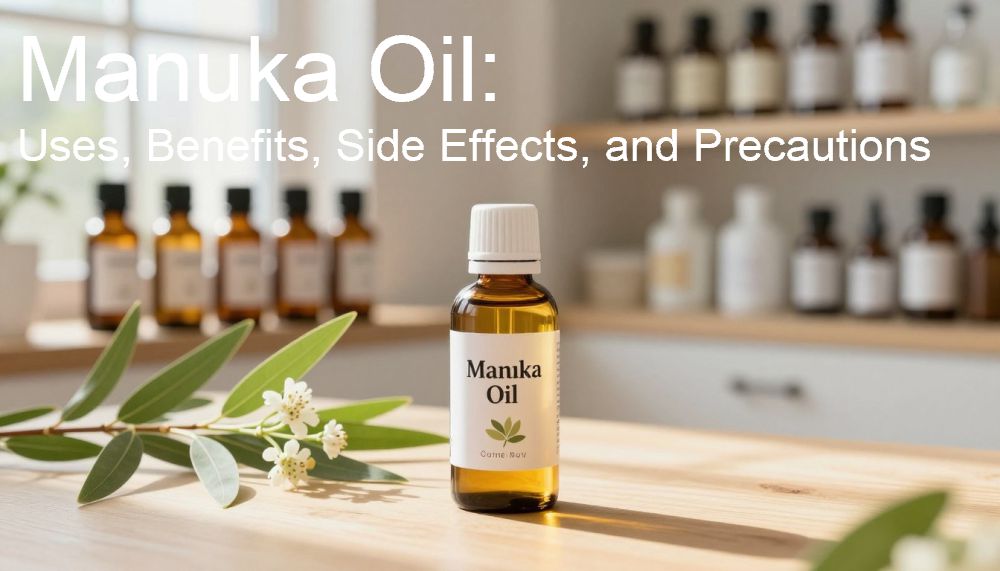
This essential oil is used to treat various skin conditions due to its antibacterial and antifungal properties. However, it’s crucial to be aware of the potential side effects and take necessary precautions when using it.
Key Takeaways
- Manuka Oil is derived from Leptospermum scoparium and is known for its antimicrobial properties.
- It is used to treat various skin conditions.
- Manuka Oil has anti-inflammatory and antibacterial properties.
- Precautions should be taken to avoid potential side effects.
- It is similar to Manuka honey in its health benefits.
What is Manuka Oil?
Manuka oil, a product of the rugged New Zealand landscape, is celebrated for its unique properties and historical significance. Derived from the Leptospermum scoparium plant, Manuka oil has garnered attention worldwide for its potential health and wellness benefits.
Origin and Native Habitat
Manuka oil originates from the Manuka tree, native to New Zealand and parts of Australia. The Manuka tree thrives in the wild, rugged terrains of New Zealand, where it has been a part of the ecosystem for centuries. The oil is extracted from the leaves and branches of the tree, capturing its essence and potency.
The native habitat of the Manuka tree plays a crucial role in the quality and characteristics of the oil. Factors such as soil quality, climate, and altitude contribute to the oil’s unique chemical composition.
Traditional Use by Indigenous Maori People
The indigenous Maori people of New Zealand have traditionally used Manuka oil for its medicinal and therapeutic properties. For centuries, they have utilized the oil from the Manuka tree to treat various skin conditions, wounds, and other health issues. The Maori people’s traditional knowledge and use of Manuka oil have been passed down through generations, highlighting its cultural significance.
| Traditional Use | Benefits |
|---|---|
| Skin Conditions | Soothing and healing properties |
| Wound Healing | Antimicrobial and antibacterial effects |
| Health Issues | Anti-inflammatory properties |
The Manuka Tree (Leptospermum scoparium)
The Manuka Tree, scientifically known as Leptospermum scoparium, is a fascinating plant native to New Zealand and parts of Australia. This tree is not only significant for its native habitat but also for its various uses and benefits.
Botanical Characteristics
The Manuka Tree is a evergreen shrub or small tree that typically grows between 2 to 5 meters in height. It has dense, tea-tree like foliage with small, white or pink flowers that bloom during the summer months. The tree’s bark is characteristically gray or brown and often sheds in papery strips.
Growing Conditions in New Zealand and Australia
Manuka Trees thrive in various climatic and altitudinal zones. They are commonly found in heathlands, forests, and along coastal areas in New Zealand and Australia. The trees prefer well-drained soil and full sun, tolerating a range of soil types from acidic to neutral.
| Region | Typical Habitat | Soil Preference |
|---|---|---|
| New Zealand | Heathlands, forests | Well-drained, acidic |
| Australia | Coastal areas, woodlands | Well-drained, varied |
The adaptability of the Manuka Tree to different environments makes it a resilient species in its native regions.
How Manuka Oil is Produced
The journey of Manuka oil from the Manuka tree to the bottle involves several critical steps, starting with harvesting. This process is crucial for ensuring the quality and efficacy of the final product.
Steam Distillation Process
Manuka oil is extracted through a steam distillation process, which involves passing steam through the harvested leaves and branches. This causes the oil glands to rupture, releasing the essential oil into the steam. The steam, now carrying the essential oil, is then cooled and condensed back into a liquid, allowing the oil to be separated and collected.
The steam distillation process is preferred for Manuka oil production because it is a gentle method that preserves the delicate compounds found in the oil.
Harvesting the Leaves and Branches
Harvesting is a critical step in Manuka oil production. The leaves and branches are typically harvested from mature Manuka trees grown in their native habitat. The timing of the harvest can affect the quality of the oil, with some producers harvesting during specific seasons to capture the optimal chemical composition.
Careful handling during harvesting is essential to prevent damage to the plant material, which can impact the quality of the extracted oil.
Chemical Composition of Manuka Oil
Manuka oil’s chemical structure is characterized by a diverse array of active compounds. These compounds contribute to its therapeutic properties and distinguish it from other essential oils.
Key Active Compounds
The primary active compounds in Manuka oil include Leptospermone, triketones, and sesquiterpenes. These compounds are responsible for the oil’s antimicrobial and anti-inflammatory effects. The presence and concentration of these compounds can vary depending on the quality of the Manuka tree and the distillation process.
Leptospermone and Other Triketones
Leptospermone is a significant triketone found in Manuka oil, known for its potent antimicrobial properties. Other triketones present in the oil also contribute to its therapeutic benefits. The combination of these compounds makes Manuka oil effective against a range of bacterial and fungal infections.
The unique composition of Manuka oil, particularly its triketone content, sets it apart from other essential oils and underscores its value in natural health applications.
Therapeutic Properties of Manuka Oil
Manuka Oil is renowned for its diverse therapeutic properties, making it a valuable resource in natural health practices. Its unique composition has been found to offer numerous benefits, particularly in the realm of skin health and wound healing.
Antimicrobial and Antibacterial Effects
One of the most significant therapeutic properties of Manuka Oil is its antimicrobial and antibacterial effects. Studies have shown that Manuka Oil can effectively combat a range of bacteria and other microorganisms, making it a potent natural remedy for infections.
Key antimicrobial benefits include:
- Inhibiting the growth of harmful bacteria
- Reducing the risk of infection in minor cuts and scrapes
- Supporting the healing process in wounds
A study published in the Journal of Applied Microbiology found that Manuka Oil exhibited significant antimicrobial activity against several bacterial strains, further supporting its traditional use in wound care.
Anti-inflammatory Properties
Manuka Oil also possesses anti-inflammatory properties, which can help soothe and calm irritated skin. This makes it particularly beneficial for conditions like eczema and dermatitis.
“The anti-inflammatory properties of Manuka Oil can provide relief for irritated skin conditions, promoting healthier skin.”
The anti-inflammatory effects can be attributed to the oil’s ability to reduce inflammation and promote healing, making it a valuable component in skincare routines.
Antioxidant Benefits
In addition to its antimicrobial and anti-inflammatory properties, Manuka Oil is rich in antioxidants. These compounds help protect the skin from oxidative stress, promoting overall skin health and potentially reducing the signs of aging.
| Antioxidant | Benefit |
|---|---|
| Flavonoids | Protect against environmental stressors |
| Phenolic acids | Neutralize free radicals |
The antioxidant profile of Manuka Oil contributes to its ability to support skin health and potentially aid in the healing process of various skin conditions.
Manuka Oil for Skin Health
With its unique composition, Manuka oil is effective in addressing several skin issues. Manuka oil has been praised for its therapeutic properties, making it a popular choice for skincare.
Manuka oil’s benefits for skin health can be attributed to its antimicrobial, anti-inflammatory, and antioxidant properties. These properties help in managing various skin conditions, from eczema and psoriasis to acne and skin infections.
Treating Eczema and Psoriasis
Eczema and psoriasis are chronic skin conditions characterized by inflammation and irritation. Manuka oil’s anti-inflammatory properties can help soothe these conditions, reducing redness and itching.
A study published in the Journal of Cosmetic Dermatology found that Manuka oil significantly improved symptoms of dermatitis in patients. The oil’s antimicrobial properties also help prevent infections that can exacerbate these conditions.
“Manuka oil has been a game-changer for my eczema. It’s reduced the redness and itching significantly.” – Emily, age 32
Managing Acne and Skin Infections
Acne is a common skin condition caused by bacterial infections and clogged pores. Manuka oil’s antibacterial properties help combat the bacteria that cause acne, reducing the severity of breakouts.
| Skin Condition | Manuka Oil Benefits |
|---|---|
| Acne | Reduces bacterial infection, minimizes breakouts |
| Eczema/Psoriasis | Soothes inflammation, reduces itching |
| Skin Infections | Fights infection, promotes healing |
Wound Healing Properties
Manuka oil’s wound healing properties are attributed to its antimicrobial and anti-inflammatory compounds. These properties help prevent infection and promote the healing process.
A study in the Journal of Ethnopharmacology found that Manuka oil accelerated wound healing in animal models by enhancing tissue repair and reducing bacterial load.
Other Uses and Applications of Manuka Oil
The uses of Manuka Oil extend far beyond skin health, with significant benefits in aromatherapy, household cleaning, and veterinary care. Its unique properties make it a valuable resource for overall well-being.
Aromatherapy Benefits
Manuka Oil is highly regarded in aromatherapy for its calming and relaxing effects. When inhaled, it can help reduce stress and anxiety, promoting a sense of well-being. The oil can be used in a diffuser or added to bath water for a calming experience. As noted by aromatherapy experts, “Manuka Oil’s soothing aroma can create a peaceful atmosphere, ideal for relaxation and meditation.”
Using Manuka Oil in aromatherapy can also help alleviate symptoms of respiratory issues, such as congestion and coughs, due to its antifungal and antibacterial properties. This makes it a popular choice during cold and flu season.
Household Applications
Manuka Oil’s antifungal and antibacterial properties make it an effective natural cleaning agent. It can be used to clean surfaces, eliminate germs, and freshen the air. Mixing Manuka Oil with other natural ingredients like vinegar and baking soda can create effective homemade cleaning products. As a natural disinfectant, it is particularly useful in households with pets or young children.
For household use, Manuka Oil can be added to laundry to give clothes a fresh, clean scent. It can also be used to repel insects and pests, providing a chemical-free alternative to commercial pest control products.
Veterinary Uses
In veterinary care, Manuka Oil is valued for its ability to treat various health issues in animals. It can be used to soothe skin irritations, infections, and wounds in pets. The oil’s antifungal properties make it effective against conditions like ringworm and fungal infections. Veterinarians often recommend Manuka Oil for its natural healing properties and minimal risk of side effects.
When using Manuka Oil for veterinary purposes, it’s essential to dilute it properly with a carrier oil to avoid irritating the animal’s skin. Consulting with a veterinarian before using Manuka Oil on pets is also recommended to ensure safe and effective treatment.
Manuka Oil’s diverse applications make it a versatile and valuable natural remedy. Whether used in aromatherapy, household cleaning, or veterinary care, its antifungal and antibacterial properties provide numerous benefits.
Manuka Oil vs. Other Essential Oils
In the realm of aromatherapy and natural remedies, Manuka Oil is often compared to Tea Tree Oil due to their similar yet distinct properties. While both oils are derived from plants native to Australia and New Zealand, they have different botanical origins and uses.
Comparison with Tea Tree Oil (Melaleuca alternifolia)
Tea Tree Oil, derived from Melaleuca alternifolia, is renowned for its antimicrobial properties. Manuka Oil, on the other hand, is derived from Leptospermum scoparium. Although both oils are used for their antiseptic qualities, they differ in their chemical composition. Manuka Oil contains triketones, which are not found in Tea Tree Oil.
| Characteristics | Manuka Oil | Tea Tree Oil |
|---|---|---|
| Botanical Name | Leptospermum scoparium | Melaleuca alternifolia |
| Main Compounds | Triketones | Cineole, Terpinen-4-ol |
| Antimicrobial Properties | Strong | Strong |
Differences Between Manuka Oil and Manuka Honey
Manuka Oil and Manuka Honey are both derived from the Manuka tree, but they have different uses and properties. Manuka Honey is known for its antibacterial properties and is often used in wound care and digestive issues. Manuka Oil, with its antimicrobial and anti-inflammatory properties, is used topically for skin conditions and aromatherapy.
While both products come from the same tree, their processing and applications are distinct. Manuka Honey is produced by bees that gather nectar from Manuka flowers, whereas Manuka Oil is extracted from the leaves and branches through steam distillation.
How to Use Manuka Oil Safely
To harness the therapeutic properties of Manuka Oil, it’s crucial to use it safely. Manuka Oil, derived from the Manuka tree, is known for its antimicrobial and anti-inflammatory properties. However, like any essential oil, it must be handled with care to avoid adverse effects.
Dilution with Carrier Oils
One of the key aspects of using Manuka Oil safely is diluting it with carrier oils. Manuka Oil is highly concentrated and can cause skin irritation if used undiluted. A general guideline is to mix 1-3% Manuka Oil with a carrier oil like coconut or jojoba oil for most skin applications.
Recommended Dilution Ratios:
| Application | Manuka Oil | Carrier Oil |
|---|---|---|
| Skin Issues | 1-3% | 97-99% |
| Aromatherapy | 5-10 drops | As needed |
Application Methods for Different Conditions
Manuka Oil can be used in various ways depending on the condition being treated. For skin issues like acne or eczema, it can be applied topically after dilution. For aromatherapy, a few drops can be added to a diffuser.
- Topical Application: Dilute and apply directly to affected areas.
- Aromatherapy: Use in a diffuser or mix with water for inhalation.
Patch Testing and Sensitivity Considerations
Before using Manuka Oil extensively, it’s essential to perform a patch test to check for any sensitivity or allergic reactions. Apply a small amount of diluted Manuka Oil to a discreet area of skin and wait 24 hours to observe any adverse effects.
By following these guidelines, you can safely enjoy the benefits of Manuka Oil. Always consult with a healthcare professional if you have sensitive skin or are unsure about using essential oils.
Potential Side Effects and Precautions
Understanding the potential side effects of Manuka Oil is essential for safe usage. While it is generally considered safe when used properly, there are certain precautions to be aware of to minimize risks.
Common Adverse Reactions
Some individuals may experience adverse reactions to Manuka Oil, including skin irritation, allergic reactions, or respiratory issues if inhaled directly. Skin irritation is one of the most common adverse reactions, particularly in individuals with sensitive skin.
Who Should Avoid Manuka Oil
Certain groups should avoid using Manuka Oil or consult a healthcare professional before use. These include pregnant or breastfeeding women, individuals with allergies to essential oils, and those with sensitive skin. It’s also advised that people with certain medical conditions consult their doctor before using Manuka Oil.
Safe Storage and Shelf Life
To maintain the quality and safety of Manuka Oil, it’s crucial to store it properly. The oil should be kept in a cool, dark place, away from direct sunlight and heat sources. Proper storage can help extend the shelf life of Manuka Oil, which typically ranges from 2 to 3 years.
| Storage Condition | Effect on Shelf Life |
|---|---|
| Cool, dark place | Extends shelf life up to 3 years |
| Direct sunlight | Reduces shelf life significantly |
| Heat sources | Can cause oil degradation |
Conclusion
Manuka Oil has emerged as a versatile natural remedy, offering numerous benefits for skincare and overall well-being. Its antimicrobial, anti-inflammatory, and antioxidant properties make it an effective solution for various health concerns.
When using Manuka Oil, it’s essential to be aware of the necessary precautions to ensure safe and effective application. Proper dilution, patch testing, and sensitivity considerations are crucial to avoid adverse reactions.
As a natural remedy, Manuka Oil provides a range of uses, from skincare to aromatherapy and household applications. By understanding its benefits, uses, and precautions, individuals can harness the potential of Manuka Oil to enhance their health and skincare routines.
With its unique properties and benefits, Manuka Oil is a valuable addition to any natural health and skincare regimen, offering a holistic approach to overall well-being.
FAQ
What is Manuka Oil and where is it derived from?
Manuka Oil is an essential oil extracted from the leaves and branches of the Manuka Tree, also known as Leptospermum scoparium, native to New Zealand.
What are the benefits of using Manuka Oil for skin health?
Manuka Oil has antimicrobial, antibacterial, anti-inflammatory, and antioxidant properties, making it beneficial for treating various skin conditions such as eczema, psoriasis, acne, and skin infections.
How do I use Manuka Oil safely?
To use Manuka Oil safely, dilute it with a carrier oil, perform a patch test before applying it to a larger area, and avoid using it on sensitive skin or allergic individuals.
Can Manuka Oil be used for aromatherapy?
Yes, Manuka Oil can be used for aromatherapy, promoting relaxation and reducing stress due to its calming aroma.
How does Manuka Oil compare to Tea Tree Oil?
Manuka Oil and Tea Tree Oil both have antimicrobial properties, but they are derived from different plants and have distinct chemical compositions, with Manuka Oil containing Leptospermone, a unique triketone.
What are the potential side effects of using Manuka Oil?
Potential side effects of using Manuka Oil include skin irritation, allergic reactions, and sensitivity, especially if not diluted properly or used on sensitive skin.
Can I use Manuka Oil on pets?
While Manuka Oil has antimicrobial properties, it’s essential to consult with a veterinarian before using it on pets, as they may have different sensitivities and reactions.
How should I store Manuka Oil?
Store Manuka Oil in a cool, dark place, away from direct sunlight and heat, to preserve its quality and shelf life.
Is Manuka Oil suitable for all skin types?
Manuka Oil can be beneficial for various skin types, but individuals with sensitive skin should exercise caution and perform a patch test before using it.
Can Manuka Oil be used to treat fungal infections?
Yes, Manuka Oil has antifungal properties, making it potentially effective in treating fungal infections, but it’s crucial to consult with a healthcare professional for proper diagnosis and treatment.