Many health-conscious diners are switching their pantry staples to more wholesome options. Choosing a whole grain provides sustained energy and supports long-term wellness in your daily diet. Making simple changes to your plate can lead to big rewards.
This unpolished seed offers impressive nutrition profiles when compared to highly processed refined grains. It is a powerful nutrient source packed with essential minerals and vitamins for your body. Most people enjoy its chewy texture and nutty flavor in savory dishes.
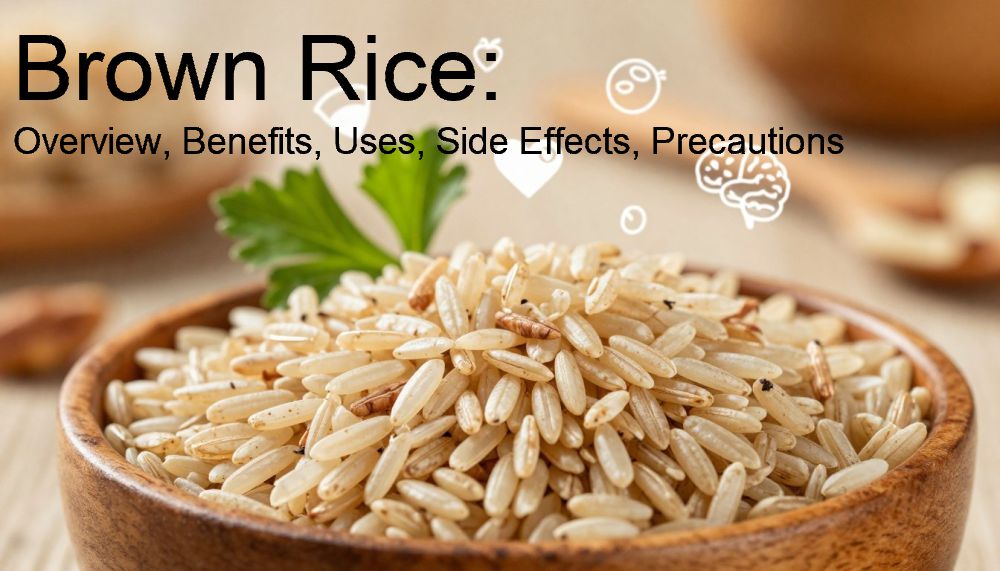
Exploring the various health benefits helps you make better choices at the grocery store. High levels of fiber help digestion and keep you feeling full throughout the afternoon. It also plays a vital role in maintaining stable blood sugar levels.
While this unrefined variety is safe for most, knowing the side effects ensures a balanced meal plan. We will look at how this popular kernel fits into a modern lifestyle safely.
Key Takeaways
- High in dietary fiber for better digestion.
- Rich in minerals like magnesium and phosphorus.
- Supports heart health and weight management.
- Lower glycemic index than most white grains.
- Provides lasting energy for various daily tasks.
- Retains the bran and germ layers for maximum value.
Understanding Brown Rice as a Whole Grain
Unlike refined grains, brown rice is considered a whole grain because it includes the bran, germ, and endosperm, providing a rich source of nutrients. This characteristic sets it apart from more processed forms of rice.
The Anatomy of the Grain: Bran, Germ, and Endosperm
Brown rice retains its three main components: the bran, germ, and endosperm. The bran is the outer layer, rich in fiber and antioxidants. The germ is the sprouting part, packed with healthy fats, vitamins, and minerals. The endosperm is the largest part, primarily composed of carbohydrates.
Brown Rice vs. White Rice: Key Nutritional Differences
The processing of white rice removes the bran and germ, leaving behind mostly starchy endosperm. This process strips away much of the nutritional value, including fiber, vitamins, and minerals. In contrast, brown rice retains these components, making it a more nutritious choice.
| Nutritional Component | Brown Rice | White Rice |
|---|---|---|
| Fiber | 3.5 grams per cup | 0.6 grams per cup |
| Manganese | 1.8 mg per cup | 0.4 mg per cup |
| Selenium | 13.4 mcg per cup | 2.7 mcg per cup |
Why Brown Rice is Considered a Nutrient-Dense Staple
Brown rice is nutrient-dense due to its high content of fiber, vitamins, and minerals. It supports digestive health and can help manage blood sugar levels. The presence of antioxidants and phytonutrients further enhances its nutritional profile.
The combination of the bran, germ, and endosperm in brown rice makes it a superior choice for those seeking a more nutritious diet. Its nutrient-dense nature supports overall health and well-being.
The Nutritional Profile of Brown Rice
The nutritional profile of brown rice is impressively diverse, making it a valuable addition to a healthy diet. Brown rice is more than just a carbohydrate source; it is a whole grain that provides a multitude of nutrients essential for maintaining overall health.
Essential Vitamins and Minerals Found in Brown Rice
Brown rice is a good source of several important vitamins and minerals. It contains manganese, a mineral that plays a crucial role in the body’s enzyme systems, and selenium, which is important for antioxidant functions. Additionally, brown rice is a source of magnesium, a mineral involved in muscle and nerve function, as well as copper, which is vital for connective tissue health.
It also contains various B vitamins, including thiamin (B1), niacin (B3), and folate (B9), which are crucial for energy production and maintaining healthy red blood cells.
Dietary Fiber Content and Digestive Health
Brown rice is particularly notable for its high dietary fiber content. Dietary fiber is essential for promoting digestive health by facilitating the movement of food through the digestive system and preventing constipation. A high-fiber diet can also help in managing blood sugar levels and promoting satiety, which can be beneficial for weight management.
The fiber in brown rice can also contribute to a healthy gut microbiome. A diverse gut microbiota is linked to various health benefits, including a stronger immune system and even mental health support.
Antioxidants and Phytonutrients in Brown Rice
Beyond its vitamin and mineral content, brown rice contains a range of antioxidants and phytonutrients. These compounds help protect the body from oxidative stress, which can lead to chronic diseases such as heart disease, diabetes, and certain cancers. The bran layer of brown rice, in particular, is rich in phenolic compounds and other antioxidants.
The presence of these antioxidants and phytonutrients in brown rice underscores its potential health benefits, making it a nutritious choice for those looking to incorporate more whole grains into their diet.
Health Benefits of Brown Rice
As a whole grain, brown rice provides essential nutrients and health benefits, including the management of blood sugar levels and cholesterol reduction. The nutritional profile of brown rice makes it an excellent addition to a healthy diet.
Managing Blood Sugar Levels and Diabetes Support
Brown rice has a lower glycemic index compared to white rice, which means it digests slowly and releases glucose gradually, helping to manage blood sugar levels effectively. This characteristic makes brown rice a beneficial food for individuals with diabetes or those at risk of developing diabetes.
A study published in the Journal of Nutrition and Metabolism found that consuming brown rice instead of white rice can significantly reduce the risk of type 2 diabetes. The fiber and magnesium content in brown rice are attributed to this beneficial effect.
Heart Health and Cholesterol Reduction
The fiber, vitamins, and minerals in brown rice contribute to heart health by reducing cholesterol levels and preventing the formation of plaque in arteries. The soluble fiber in brown rice helps bind to bile acids and lower LDL (bad) cholesterol.
| Nutrient | Effect on Heart Health |
|---|---|
| Fiber | Reduces cholesterol levels |
| Magnesium | Improves blood vessel function |
| Potassium | Lowers blood pressure |
Weight Management and Satiety
Brown rice is high in fiber, which promotes feelings of fullness and satiety, making it easier to manage weight. The fiber content also helps in slowing down digestion, thereby preventing sudden spikes in blood sugar and insulin levels.
Incorporating brown rice into meals can be a simple yet effective strategy for those seeking to improve their overall health and wellbeing.
Brown Rice and Chronic Disease Prevention
As a nutrient-dense food, brown rice contributes to a diet that can help mitigate the risk of chronic diseases. Chronic diseases, such as type 2 diabetes and cardiovascular disease, are among the leading causes of morbidity and mortality worldwide. The incorporation of whole grains like brown rice into one’s diet has been associated with a reduced risk of these conditions.
Reducing the Risk of Type 2 Diabetes
Brown rice has been shown to have a positive effect on glucose metabolism, thereby reducing the risk of developing type 2 diabetes. A study published in the Journal of the American Medical Association found that higher consumption of whole grains, including brown rice, was associated with a lower risk of type 2 diabetes.
As noted by a researcher, “The evidence suggests that whole grain consumption may have a protective effect against type 2 diabetes, and brown rice is an excellent addition to a diabetes prevention diet.” This is supported by the nutritional profile of brown rice, which is rich in fiber and various essential minerals.
| Nutrient | Amount per 1 cup cooked | Benefit |
|---|---|---|
| Fiber | 3.5 grams | Aids in glucose metabolism |
| Manganese | 1.8 mg | Supports bone health and metabolism |
| Selenium | 13.4 mcg | Acts as an antioxidant |
The Role of Whole Grains in Cardiovascular Wellness
Whole grains, including brown rice, play a significant role in maintaining cardiovascular wellness. The fiber, vitamins, and minerals present in brown rice help in reducing cholesterol levels and improving heart health.
A diet rich in whole grains can lower the risk of heart disease by reducing inflammation and improving blood lipid profiles. As stated in a health report, “A substantial body of evidence supports the role of whole grains in reducing the risk of cardiovascular disease.”
Anti-Inflammatory Properties of Brown Rice
Brown rice contains various phytonutrients and antioxidants that exhibit anti-inflammatory properties. These compounds help in reducing oxidative stress and inflammation in the body, which are associated with chronic diseases.
The anti-inflammatory effects of brown rice can be attributed to its content of phenolic compounds and other nutrients. As highlighted in a nutritional study, “The antioxidants present in brown rice can contribute to its anti-inflammatory effects, potentially reducing the risk of chronic diseases.”
“The incorporation of brown rice into a balanced diet can be a valuable strategy for enhancing overall health and reducing the risk of chronic diseases.”
Culinary Uses and Preparation Techniques
Incorporating brown rice into your diet can be easy and delicious with the right preparation techniques. Brown rice is a versatile ingredient that can be used in a variety of dishes, from savory meals to sweet desserts.
How to Properly Prepare and Cook Brown Rice
Cooking brown rice requires attention to the water ratio and cooking time. Generally, a 2:1 water-to-rice ratio is recommended. Rinse the rice thoroughly before cooking to remove any impurities.
Step-by-Step Cooking Guide:
- Rinse 1 cup of brown rice in a fine mesh strainer until the water runs clear.
- In a medium saucepan, combine the rinsed rice and 2 cups of water.
- Bring the water to a boil, then reduce the heat to low, cover, and simmer for about 40-45 minutes.
- Once cooked, turn off the heat and let it sit, covered, for 5 minutes before fluffing with a fork.
Tips for Achieving the Perfect Texture
Achieving the perfect texture is crucial when cooking brown rice. The key is to not overcook or undercook it. The ideal texture is tender but still slightly chewy.
To achieve this, monitor the cooking time closely and adjust the water ratio as needed. Some prefer their brown rice softer, while others like it firmer.
Incorporating Brown Rice into Daily Meals
Brown rice can be incorporated into daily meals in numerous ways. It’s a great base for meal prep and can be used in a variety of dishes.
Creative Breakfast Bowls with Brown Rice
Start your day with a nutritious breakfast bowl featuring brown rice. Top cooked brown rice with fruits, nuts, and a drizzle of honey for a healthy breakfast.
Hearty Salads and Grain Bowls
Brown rice is a great addition to salads and grain bowls. Mix it with roasted vegetables, lean proteins, and a tangy dressing for a filling meal.
| Meal Idea | Main Ingredients | Nutritional Benefits |
|---|---|---|
| Brown Rice Breakfast Bowl | Brown rice, fruits, nuts, honey | High in fiber, protein, and healthy fats |
| Quinoa and Brown Rice Salad | Brown rice, quinoa, roasted vegetables, lean protein | Rich in antioxidants, fiber, and protein |
| Grain Bowl with Brown Rice | Brown rice, grilled chicken, avocado, mixed greens | Good source of complex carbohydrates, healthy fats, and protein |
Different Types of Brown Rice
Brown rice is not just a single entity; it comes in various types, each with its unique characteristics and nutritional benefits. The diversity in brown rice caters to different culinary needs and preferences, making it a versatile ingredient in various cuisines.
The classification of brown rice into different types is primarily based on grain length, texture, and processing methods. Understanding these differences can help consumers make informed choices based on their dietary requirements and cooking preferences.
Long-Grain Brown Rice Characteristics
Long-grain brown rice is known for its slender grains that remain separate and fluffy after cooking. This type is particularly popular in many Asian cuisines due to its light texture and ease of digestion.
- Long-grain brown rice cooks relatively quickly compared to other varieties.
- It has a mild flavor, making it a versatile base for a variety of dishes.
- This type is often preferred for its lower starch content, which results in a less sticky texture.
Short-Grain vs. Medium-Grain Varieties
Short-grain brown rice is characterized by its plump, almost round grains. It becomes sticky and clings together when cooked, making it ideal for dishes like sushi and risotto.
Medium-grain brown rice falls between long-grain and short-grain in terms of texture and usage. It offers a balance between the fluffy texture of long-grain and the stickiness of short-grain rice, making it suitable for a wide range of recipes.
| Type | Texture After Cooking | Culinary Uses |
|---|---|---|
| Long-Grain | Fluffy and separate | General cooking, side dishes |
| Short-Grain | Sticky and clingy | Sushi, risotto, desserts |
| Medium-Grain | Moderately sticky | Paella, salads, bowls |
The Benefits of Germinated Brown Rice
Germinated brown rice, also known as sprouted brown rice, is made by soaking the grains in water until they sprout. This process activates enzymes that break down some of the starches, making the rice easier to digest and increasing its nutritional value.
“Germinated brown rice has been shown to have higher levels of certain nutrients and antioxidants compared to regular brown rice, making it a nutritious addition to a balanced diet.”
The benefits of germinated brown rice include:
- Increased bioavailability of nutrients.
- Higher antioxidant activity.
- Potential improvements in digestive health.
Potential Side Effects and Considerations
While brown rice is a nutritious addition to a balanced diet, there are several potential side effects and considerations to be aware of. Brown rice, like any other food, can have its downsides, particularly when consumed in large quantities or by individuals with specific sensitivities.
The potential concerns associated with brown rice consumption include exposure to arsenic, digestive sensitivity due to its high fiber content, and the presence of antinutrients that can affect mineral absorption. Understanding these factors can help consumers make informed decisions about their diet.
Understanding Arsenic Levels in Rice
Brown rice can contain arsenic, a naturally occurring element in the environment. The levels of arsenic in rice can vary significantly depending on factors like the region where it’s grown and the farming practices used. Awareness of arsenic levels is crucial, especially for frequent consumers of brown rice.
To minimize exposure to arsenic, it’s recommended to vary your grain intake and choose rice grown in regions known to have lower arsenic levels. Rinsing rice before cooking can also help reduce arsenic content.
| Region | Average Arsenic Level (ppb) |
|---|---|
| California | 120 |
| India (Basmati) | 70 |
| Thailand | 100 |
Digestive Sensitivity and Fiber Intake
Brown rice is high in dietary fiber, which can be beneficial for digestive health but may also cause sensitivity in some individuals. Symptoms can include bloating, gas, and discomfort. Gradually increasing fiber intake can help mitigate these effects.
It’s also worth noting that the fiber in brown rice can be beneficial for those looking to manage their weight or blood sugar levels. The key is to balance fiber intake with individual tolerance.
Antinutrients: Phytic Acid and Mineral Absorption
Brown rice contains phytic acid, a compound that can bind to minerals like iron, zinc, and calcium, potentially reducing their absorption. While this is a consideration, soaking, sprouting, or fermenting brown rice can help reduce phytic acid levels.
Understanding the impact of antinutrients on mineral absorption can help consumers take steps to maximize the nutritional benefits of brown rice. This includes varying the diet to include a range of nutrient-dense foods.
Precautions for Safe Consumption
While brown rice is nutritious, there are several precautions to take for safe consumption. Ensuring the quality and proper preparation of brown rice can significantly enhance its benefits and minimize potential risks.
Best Practices for Washing and Rinsing Rice
Washing rice before cooking is a simple yet effective way to remove impurities and excess starch, improving the overall texture and cleanliness of the cooked rice. Rinsing brown rice under cold running water until the water runs clear can help remove surface dust and any remaining debris.
Step-by-Step Rinsing Guide:
- Rinse rice in a fine mesh strainer under cold running water.
- Gently rub the rice grains with your fingers to release impurities.
- Continue rinsing until the water runs clear.
- Soak the rice for 30 minutes before cooking for better texture.
Choosing High-Quality Sources
Selecting high-quality brown rice is crucial for maximizing its nutritional benefits and minimizing exposure to contaminants like arsenic. Look for rice that is certified organic or sourced from regions known for lower arsenic levels.
| Characteristic | High-Quality Brown Rice | Lower Quality Brown Rice |
|---|---|---|
| Origin | Certified organic or from low-arsenic regions | Unknown or high-arsenic regions |
| Certification | USDA Organic or similar certifications | Lack of reputable certifications |
| Packaging | Air-tight packaging to preserve freshness | Poor packaging that may expose rice to air and moisture |
Balancing Brown Rice with a Varied Diet
Maintaining a varied diet is essential to ensure that you receive a broad spectrum of nutrients. While brown rice is nutritious, it should be part of a diverse diet that includes other whole grains, vegetables, proteins, and healthy fats.
Incorporating a variety of foods not only enhances nutritional intake but also reduces the risk of exposure to any single food’s potential contaminants.
For example, mixing brown rice with other grains like quinoa or barley can provide a more comprehensive nutritional profile and add variety to your meals.
Conclusion
Incorporating brown rice into your diet can have a significant impact on overall health and wellness. As a nutrient-dense whole grain, brown rice provides essential vitamins, minerals, and antioxidants that support healthy eating habits.
The benefits of brown rice are numerous, from managing blood sugar levels and supporting heart health to aiding in weight management and reducing the risk of chronic diseases. By understanding the nutritional profile of brown rice and its various types, individuals can make informed choices about their diet.
To reap the rewards of brown rice benefits, it’s essential to prepare and cook it properly, choosing high-quality sources and balancing it with a varied diet. By doing so, individuals can experience the whole grain benefits that brown rice has to offer, supporting a healthy and balanced lifestyle.
Embracing brown rice as a staple in your diet is a step towards a healthier you, and with its rich nutritional profile, it’s an excellent addition to a healthy eating plan.
FAQ
Why is brown rice considered healthier compared to white rice?
Brown rice is a whole grain that retains the bran and germ, whereas white rice undergoes a milling process that removes these layers. Because it is less processed than white rice, brown rice provides significantly more vitamins and minerals, such as magnesium and B vitamins. Essentially, brown rice also contains more dietary fiber, making it a higher nutritional value choice for your daily meals than white rice with brown rice alternatives.
How does consuming brown rice help manage blood sugar levels?
Brown rice has a lower glycemic index than white rice, meaning it causes a slower, more gradual rise in blood sugar. Research suggests that switching to brown rice can reduce the risk of developing type 2 diabetes. The high fiber in brown rice slows the absorption of carbohydrates, which is why brown rice for diabetes is often recommended. Brown rice can help maintain steady energy levels throughout the day without the spikes often seen with white rice may cause.
Can including brown rice in my diet improve heart health?
Yes! Brown rice helps lower cholesterol because it is a rich source of dietary fiber and plant compounds called lignans. Consuming whole grains like brown rice supports cardiovascular wellness by reducing the buildup of plaque in the arteries. Regular brown rice intake is a heart-healthy habit that can brown rice help protect against chronic heart conditions, as rice is a rich source of heart-protective nutrients.
Is brown rice safe for people with gluten sensitivities?
Absolutely! Rice is naturally gluten-free, making brown rice a good choice for individuals with celiac disease or gluten intolerance. Whether you choose brown rice of the long-grain brown rice variety or black rice, you can enjoy the benefits of brown rice without worrying about gluten-related digestive issues. It is a versatile staple that brown rice is also easy to find in most grocery stores like Whole Foods Market.
What is the best way to prepare brown rice to reduce arsenic levels?
To minimize arsenic, it is recommended to rinse rice before cooking thoroughly. You can also cook brown rice in a large volume of water (similar to how you cook pasta) and drain the excess water afterward. This method significantly lowers the arsenic content in brown rice while still allowing you to enjoy the nutrient-dense profile. Brown rice is safe when prepared with these common-sense dietary precautions.
What makes germinated brown rice special?
Germinated brown rice, also known as sprouted rice, has even higher levels of certain vitamins and minerals, particularly gamma-aminobutyric acid (GABA). This process makes the texture of brown rice softer and may improve the bio-availability of the rice protein and brown rice protein. Incorporating brown rice that has been germinated into your diet can provide an extra boost of antioxidants in brown rice compared to the nutrition facts of standard varieties.
Does brown rice support weight management?
Yes, brown rice may help with weight loss because of its high dietary fiber content, which promotes a feeling of satiety or fullness. When you eat brown rice, you are less likely to overconsume calories because it takes longer to digest. Unlike white rice, which is more refined, brown rice’s complex carbohydrates provide a steady stream of energy, making brown rice healthy for those looking to manage their weight.
What is the main difference in brown rice vs. white rice nutrition?
The effect of brown rice on the body is more beneficial because brown rice nutrition includes the rice bran, which is where most of the fiber and antioxidants are stored. While cooked brown rice provides essential nutrients like manganese and selenium, white rice is often enriched with synthetic vitamins to replace what was lost during processing. Consuming brown rice ensures you are getting the nutrients as nature intended.
How can I easily add brown rice to my daily meals?
You can add brown rice to soups, stir-fries, or even use it as a base for breakfast porridge. If you are new to the texture of brown rice, try mixing brown and white rice together initially. Cooking rice in a rice cooker makes it simple to prepare brown rice perfectly every time. Since rice has been a staple in many cultures, there are endless recipes for different types of rice to keep your rice consumption exciting and varied.