Expectant mothers often experience a range of uncomfortable symptoms, and heartburn during pregnancy is one of the most common. Heartburn is a burning sensation in the chest and throat, typically triggered by eating or lying down. For pregnant women, this discomfort can be particularly distressing.
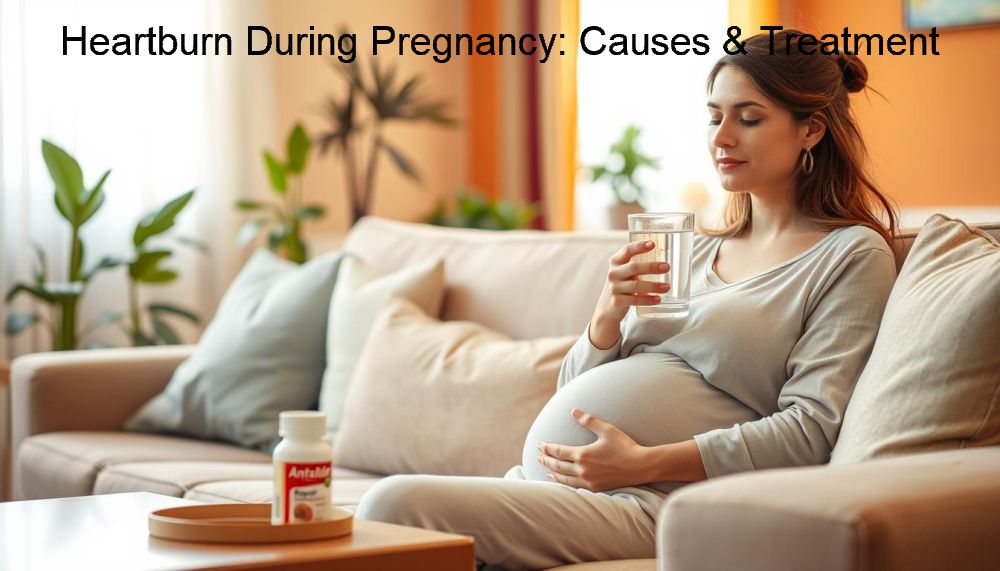
As the body undergoes significant changes, the growing uterus can put pressure on the stomach, causing stomach acid to flow back up into the esophagus, leading to heartburn symptoms. Understanding the causes and finding effective heartburn relief is crucial for managing this pregnancy symptom.
Key Takeaways
- Heartburn is a common symptom during pregnancy.
- The growing uterus can put pressure on the stomach, causing heartburn.
- Understanding the causes is crucial for managing heartburn.
- Effective heartburn relief is available for pregnant women.
- Managing heartburn can improve overall pregnancy comfort.
Understanding Heartburn
Heartburn is a symptom of acid reflux, a condition where the stomach’s contents flow back up into the esophagus. This backflow, or reflux, occurs when the lower esophageal sphincter (LES) relaxes or is weakened, allowing stomach acid to flow into the esophagus, causing irritation and discomfort.
The Science Behind Acid Reflux
Acid reflux happens when the LES fails to close properly, permitting stomach contents to leak back into the esophagus. The esophagus is not designed to handle the acidic nature of stomach contents, leading to symptoms associated with heartburn. Factors such as certain foods, obesity, and pregnancy can exacerbate this condition.
| Cause | Effect on LES | Result |
|---|---|---|
| Certain Foods | Relaxation of LES | Increased risk of acid reflux |
| Obesity | Increased pressure on the stomach | Higher likelihood of stomach acid flowing back into the esophagus |
| Pregnancy | Hormonal changes and increased pressure | Common occurrence of heartburn |
Common Heartburn Symptoms
Symptoms of heartburn can vary but typically include a burning sensation in the chest, often after eating or at night. Other symptoms may include a sour taste in the mouth, difficulty swallowing, and chest pain. Recognizing these symptoms is crucial for managing heartburn effectively.
By understanding the science behind acid reflux and recognizing its symptoms, individuals can take steps to mitigate its effects, especially during pregnancy.
Why Heartburn During Pregnancy Is So Common
Many pregnant women experience heartburn, and it’s largely due to the hormonal and physical changes that occur during pregnancy. Understanding these changes can help in managing and alleviating heartburn symptoms.
Hormonal Influences
The hormone progesterone plays a significant role in pregnancy-related heartburn. During pregnancy, the level of progesterone increases, causing the muscles in the body to relax. This relaxation includes the esophageal sphincter, which normally prevents stomach acid from flowing back into the esophagus. When this sphincter is relaxed, it’s easier for acid to escape, leading to heartburn.
Physical Changes in the Body
As the pregnancy progresses, the expanding uterus puts pressure on the stomach, causing its contents to be pushed upwards towards the esophagus. This physical pressure exacerbates the likelihood of acid reflux.
| Factor | Effect on Heartburn |
|---|---|
| Increased Progesterone | Relaxes esophageal sphincter, allowing acid to flow back into the esophagus |
| Expanding Uterus | Puts pressure on the stomach, pushing its contents upwards |
These changes highlight why heartburn is so prevalent during pregnancy. By understanding the causes, women can better manage their symptoms.
When Heartburn Occurs Throughout Pregnancy
As pregnancy progresses, heartburn can start, change, or intensify in different stages. Heartburn is not a one-time experience but rather a symptom that can evolve throughout the pregnancy journey.
First Trimester Experiences
During the first trimester, hormonal changes can cause relaxation of the muscles in the esophagus, leading to heartburn. Although the uterus is not yet significantly enlarged, hormonal influences can start causing digestive changes.
Second Trimester Changes
In the second trimester, the growing uterus can start putting pressure on the stomach, potentially worsening heartburn symptoms. Women may notice an increase in heartburn frequency or severity as the baby grows.
Third Trimester Intensity
By the third trimester, the enlarged uterus can significantly press against the stomach, causing stomach acid to reflux into the esophagus, making heartburn more intense. Managing heartburn becomes crucial at this stage.
Risk Factors That Increase Pregnancy Heartburn
Understanding the risk factors that contribute to heartburn during pregnancy is crucial for effective management. Several factors can increase the likelihood and severity of heartburn, making it essential for pregnant women to be aware of these influences.
Pre-existing Digestive Conditions
Women with pre-existing digestive conditions, such as gastroesophageal reflux disease (GERD), are more likely to experience heartburn during pregnancy. These conditions can make the esophagus more susceptible to acid reflux, exacerbating symptoms.
Dietary Triggers
Diet plays a significant role in heartburn. Consuming fatty or fried foods can slow digestion and relax the lower esophageal sphincter, allowing stomach acid to flow back into the esophagus. Other dietary triggers include citrus fruits, chocolate, and spicy foods.
Lifestyle Contributors
Lifestyle factors can also contribute to heartburn. Eating large or heavy meals can put additional pressure on the stomach, while lying down after eating can cause stomach acid to flow more easily into the esophagus. Being overweight or experiencing excessive weight gain during pregnancy can also increase pressure on the stomach.
By recognizing these risk factors, pregnant women can take proactive steps to manage their heartburn symptoms and enjoy a healthier pregnancy.
How Pregnancy Hormones Trigger Heartburn
The hormonal changes that occur during pregnancy can relax the muscles in the esophagus, causing heartburn. This condition is primarily influenced by the hormone progesterone, which plays a crucial role in maintaining the pregnancy.
The Role of Progesterone
Progesterone levels significantly increase during pregnancy. This hormone helps relax the muscles in the uterus, preventing premature contractions. However, it also relaxes other muscles, including the esophageal sphincter, which is crucial for preventing stomach acid from flowing back into the esophagus.
Relaxation of the Esophageal Sphincter
When the esophageal sphincter is relaxed, it fails to prevent stomach acid from backing up into the esophagus, leading to the burning sensation known as heartburn. This relaxation is a direct consequence of increased progesterone levels.
Slowed Digestive Process
Progesterone also slows down the digestive process, allowing food to stay in the stomach for longer periods. This delay can increase pressure on the esophageal sphincter, further contributing to heartburn. Understanding these mechanisms can help pregnant women manage their symptoms more effectively.
Physical Causes of Heartburn During Pregnancy
Heartburn during pregnancy is often a result of physical changes that occur as the baby grows. As the uterus expands, it can exert pressure on the stomach, leading to the reflux of stomach contents into the esophagus.
Growing Uterus and Stomach Pressure
The expanding uterus can put significant pressure on the stomach, causing its contents to be pushed upwards towards the esophagus. This increased pressure can weaken the lower esophageal sphincter (LES), making it easier for stomach acid to flow back into the esophagus, resulting in heartburn.
Changes to the Digestive System
Pregnancy also brings about changes to the digestive system that can contribute to heartburn. Two significant changes are delayed gastric emptying and increased abdominal pressure.
Delayed Gastric Emptying
During pregnancy, the digestion process slows down, leading to delayed gastric emptying. This means that food stays in the stomach for a longer period, increasing the likelihood of acid reflux.
Increased Abdominal Pressure
The growing uterus not only puts pressure on the stomach but also increases overall abdominal pressure. This increased pressure can cause the stomach contents to be pushed towards the esophagus, exacerbating heartburn symptoms.
| Physical Change | Effect on Heartburn |
|---|---|
| Growing Uterus | Increased pressure on the stomach |
| Delayed Gastric Emptying | Food stays in the stomach longer, increasing acid reflux risk |
| Increased Abdominal Pressure | Stomach contents pushed towards the esophagus |
Safe Medications for Treating Heartburn During Pregnancy
Managing heartburn during pregnancy requires careful consideration of safe treatment options. Heartburn is a common symptom experienced by many pregnant women, and while it’s not usually a cause for concern, it can be quite uncomfortable.
Over-the-Counter Antacids
Over-the-counter antacids are often the first line of defense against heartburn during pregnancy. Tums, Maalox, and Mylanta are popular choices that are generally considered safe. These antacids work by neutralizing stomach acid and providing quick relief.
| Antacid Brand | Active Ingredient | Safety During Pregnancy |
|---|---|---|
| Tums | Calcium carbonate | Generally considered safe |
| Maalox | Aluminum hydroxide and magnesium hydroxide | Considered safe when used as directed |
| Mylanta | Aluminum hydroxide and magnesium hydroxide | Considered safe when used as directed |
Prescription Options When Needed
In some cases, over-the-counter antacids may not provide sufficient relief, and prescription medications may be necessary. Prescription options are typically considered when heartburn is severe or persistent. Pregnant women should consult their healthcare provider before starting any prescription medication.
Medications to Avoid While Pregnant
Not all heartburn medications are safe during pregnancy. Certain medications, such as those containing bismuth subsalicylate (e.g., Pepto-Bismol), should be avoided due to potential risks to the fetus. Always consult with a healthcare provider before taking any medication during pregnancy.
By understanding the safe medication options available, pregnant women can effectively manage their heartburn and enjoy a more comfortable pregnancy.
Effective Dietary Changes to Prevent Heartburn
Heartburn relief during pregnancy starts with making the right food choices. Adjusting your diet can significantly alleviate heartburn symptoms, making pregnancy more comfortable.
Foods to Avoid
Certain foods can trigger or worsen heartburn. It’s essential to identify and avoid these triggers.
Spicy and Acidic Foods
Spicy foods, such as those containing chili peppers or wasabi, can irritate the esophagus and trigger heartburn. Similarly, acidic foods like citrus fruits and tomatoes can cause discomfort. Avoiding these foods can help minimize heartburn occurrences.
Fatty and Fried Foods
Fatty and fried foods are not only difficult to digest but can also relax the lower esophageal sphincter, allowing stomach acid to flow back into the esophagus. Opting for baked or grilled versions instead can be a healthier alternative.
Beneficial Foods That May Help
Incorporating certain foods into your diet can help alleviate heartburn symptoms. These include:
- Ginger, known for its digestive benefits
- Low-fat dairy products, which can help neutralize stomach acid
- Lean proteins and vegetables, which are easier to digest
Eating Patterns and Meal Timing
Besides food choices, eating patterns and meal timing play a crucial role in managing heartburn. Eating smaller, more frequent meals can reduce pressure on the stomach and minimize heartburn. Additionally, avoiding late-night meals and not lying down after eating can help prevent heartburn episodes.
By making these dietary adjustments and being mindful of meal timing, pregnant women can significantly reduce their heartburn symptoms.
Lifestyle Adjustments for Heartburn Relief
Making simple lifestyle adjustments can significantly alleviate heartburn symptoms during pregnancy. By incorporating a few mindful changes into daily routines, expectant mothers can reduce the discomfort associated with heartburn.
Sleeping Position Modifications
One effective way to minimize heartburn during sleep is by adjusting sleeping positions. Sleeping on the left side can help improve digestion and reduce pressure on the stomach. Using extra pillows to elevate the upper body can also help prevent stomach acid from flowing back into the esophagus.
Proper Posture After Eating
Maintaining good posture after meals is crucial. Slouching or bending over can put additional pressure on the stomach, exacerbating heartburn. Taking a short walk after eating can also aid digestion and help prevent heartburn symptoms.
Clothing Considerations
Wearing comfortable, loose-fitting clothing can help reduce pressure on the abdomen, thereby minimizing heartburn. Tight clothing, especially around the waist, can squeeze the stomach and push stomach acid up into the esophagus.
Stress Management Techniques
Stress can exacerbate heartburn, so engaging in stress-reducing activities is beneficial. Practices such as deep breathing, meditation, or prenatal yoga can help manage stress levels and, consequently, reduce heartburn symptoms.
By implementing these lifestyle adjustments, pregnant women can find significant relief from heartburn, making their pregnancy journey more comfortable.
Natural Remedies for Pregnancy Heartburn
Heartburn during pregnancy can be uncomfortable, but there are several natural remedies that can provide relief. These remedies not only help alleviate symptoms but also contribute to a healthier pregnancy.
Ginger and Other Herbal Options
Ginger has been a long-standing natural remedy for various pregnancy-related discomforts, including heartburn. Its anti-inflammatory properties help soothe the digestive system. Other herbal options like chamomile tea can also calm the stomach and reduce heartburn symptoms. However, it’s essential to consult with a healthcare provider before trying any new herbal remedies during pregnancy.
Yogurt and Milk-Based Solutions
Yogurt and milk-based products are known for their soothing effects on the stomach. The probiotics in yogurt help maintain a healthy gut, reducing the likelihood of heartburn. Milk can also neutralize stomach acid and provide quick relief. Opting for low-fat or non-dairy alternatives can be beneficial for those with dietary restrictions.
Hydration Strategies
Staying hydrated is crucial during pregnancy, and it can also help manage heartburn. Drinking plenty of water helps dilute stomach acid and improves digestion. It’s advisable to drink water between meals rather than during meals to avoid putting extra pressure on the stomach.
By incorporating these natural remedies into their daily routine, pregnant women can find significant relief from heartburn. It’s always recommended to discuss any new remedies with a healthcare provider to ensure they are safe and suitable during pregnancy.
When to Consult Your Healthcare Provider
While heartburn is typically considered a normal part of pregnancy, certain situations require medical attention. It’s crucial for expectant mothers to recognize the warning signs that indicate a need to consult their healthcare provider.
Warning Signs Beyond Normal Heartburn
Severe heartburn that is not relieved by antacids or other remedies may be a sign of a more serious issue. Additionally, difficulty swallowing, vomiting blood, or experiencing severe abdominal pain are all indicators that medical help is needed.
Differentiating Heartburn from Other Conditions
Sometimes, heartburn can be confused with other conditions such as preeclampsia or gallbladder disease. A healthcare provider can help determine the cause of symptoms and provide appropriate guidance.
Creating a Treatment Plan with Your Doctor
Working closely with a healthcare provider, pregnant women can develop a treatment plan that safely manages their heartburn symptoms. This may involve lifestyle changes, dietary adjustments, or in some cases, medication.
By understanding when to seek medical advice, expectant mothers can ensure their health and the health of their baby.
Conclusion
Heartburn during pregnancy is a common issue that can be effectively managed with the right strategies. By understanding the causes of heartburn and making lifestyle changes, pregnant women can find relief from this uncomfortable symptom.
Dietary adjustments, such as avoiding trigger foods and eating smaller meals, can help alleviate heartburn. Additionally, home remedies like ginger and yogurt can provide relief. It’s also essential to make lifestyle changes, such as maintaining a healthy weight, avoiding tight clothing, and elevating the head of the bed.
By incorporating these strategies, pregnant women can reduce the occurrence of pregnancy heartburn and find heartburn relief. If symptoms persist, it’s crucial to consult with a healthcare provider to rule out any underlying conditions that may be contributing to heartburn during pregnancy.
FAQ
What is heartburn during pregnancy?
Heartburn during pregnancy is a burning sensation in the chest and throat caused by stomach acid flowing back into the esophagus. It’s a common symptom experienced by many pregnant women.
Why is heartburn more common during pregnancy?
Heartburn is more common during pregnancy due to hormonal changes, particularly the increase in progesterone, and physical changes, such as the growing uterus putting pressure on the stomach.
Can heartburn during pregnancy be a sign of a more serious condition?
While heartburn is usually not a sign of a more serious condition, severe or persistent heartburn can be a symptom of gastroesophageal reflux disease (GERD). If you experience severe heartburn, consult your healthcare provider.
What are some safe treatments for heartburn during pregnancy?
Safe treatments for heartburn during pregnancy include over-the-counter antacids like Tums, Maalox, and Mylanta, as well as lifestyle changes such as dietary modifications and adjustments to sleeping position.
Are there any foods that can help alleviate heartburn during pregnancy?
Yes, certain foods can help alleviate heartburn during pregnancy. These include ginger, yogurt, and milk-based products. Avoiding spicy, acidic, fatty, and fried foods can also help.
How can I prevent heartburn during pregnancy?
Preventing heartburn during pregnancy involves making lifestyle changes, such as eating smaller, more frequent meals, avoiding trigger foods, and maintaining good posture after eating.
Can I take antacids throughout my entire pregnancy?
Most over-the-counter antacids are generally considered safe during pregnancy, but it’s always best to consult your healthcare provider before taking any medication, especially if you’re considering taking it throughout your entire pregnancy.
When should I consult my healthcare provider about heartburn during pregnancy?
Consult your healthcare provider if you experience severe or persistent heartburn, difficulty swallowing, or if you have concerns about your symptoms or treatment options.
Can heartburn during pregnancy be a symptom of something other than acid reflux?
Yes, heartburn during pregnancy can sometimes be a symptom of other conditions. If you’re experiencing unusual or severe symptoms, consult your healthcare provider to rule out other possible causes.
Will heartburn during pregnancy go away after giving birth?
For most women, heartburn during pregnancy resolves on its own after giving birth. However, if you experience persistent or severe heartburn, consult your healthcare provider for guidance.