Vitamin E is a vital nutrient known for its antioxidant properties, playing a crucial role in maintaining overall health. It supports skin health, protects against cell damage, and is essential for the proper functioning of many bodily processes.
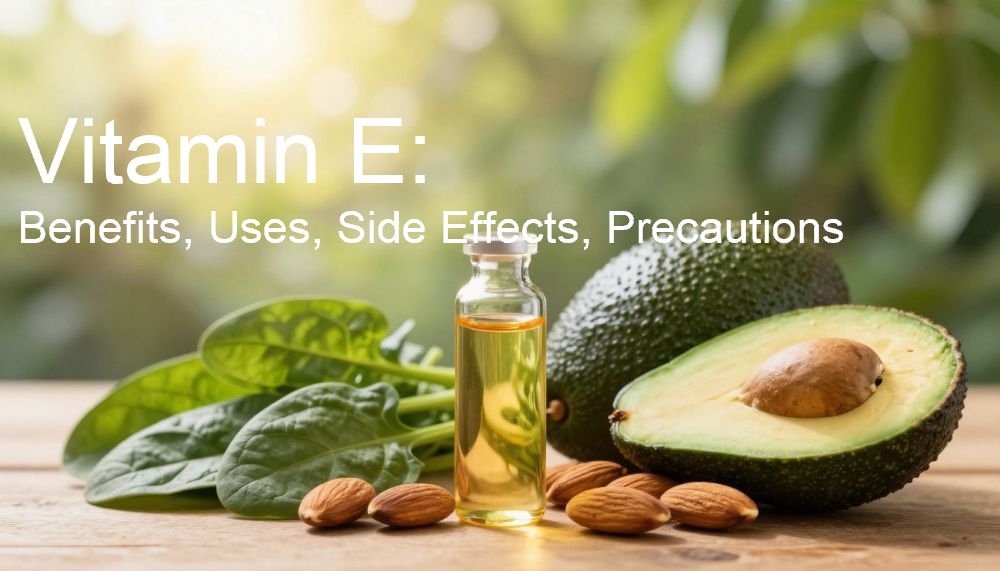
The significance of vitamin e extends to its potential in preventing certain diseases and conditions, making it a popular supplement among health-conscious individuals. This article will explore the benefits of vitamin e, its various uses, potential side effects, and necessary precautions when considering a vitamin e supplement.
Key Takeaways
- Understanding the role of vitamin E in health.
- Exploring the benefits and uses of vitamin E.
- Identifying potential side effects and precautions.
- Guidance on safe supplementation practices.
- Importance of vitamin E for overall well-being.
What is Vitamin E?
Vitamin E is a vital nutrient that plays a significant role in maintaining overall health. It is a fat-soluble vitamin that comes in different forms, each with unique functions and benefits.
The various forms of vitamin E are crucial for its effectiveness in the body. Understanding these forms is essential to appreciating the role of vitamin E in health.
Chemical Structure and Forms
Vitamin E has a complex chemical structure, comprising a chromanol ring and a side chain. It exists in eight different forms, including four tocopherols and four tocotrienols. The most well-known form is alpha-tocopherol, which is also the most active form in the human body.
Natural vs. Synthetic Vitamin E
Vitamin E can be derived from natural sources or synthesized in a laboratory. Natural vitamin E is typically obtained from vegetable oils, such as wheat germ oil, while synthetic vitamin E is produced through chemical processes. The molecular structure of natural and synthetic vitamin E differs, affecting their bioavailability and efficacy.
| Form of Vitamin E | Natural/Synthetic | Bioavailability |
|---|---|---|
| Alpha-tocopherol | Natural | High |
| Alpha-tocopherol | Synthetic | Lower |
| Tocotrienols | Natural | High |
How Vitamin E Functions in the Body
Vitamin E plays a crucial role in maintaining overall health by performing several vital functions within the body. It is a fat-soluble vitamin that acts as an antioxidant, protecting cells from damage caused by free radicals. This function is critical in maintaining the integrity of cells and supporting overall health.
Antioxidant Properties and Free Radical Protection
Vitamin E’s antioxidant properties are fundamental to its role in protecting the body against free radicals. Free radicals are unstable molecules that can cause oxidative stress, leading to cell damage. Vitamin E helps neutralize these molecules, thereby reducing the risk of cell damage and supporting overall health.
Cell Membrane Protection and Immune Function
Vitamin E also plays a significant role in protecting cell membranes from damage. By safeguarding the integrity of cell membranes, Vitamin E supports the proper functioning of cells, which is essential for a healthy immune system. A robust immune system is better equipped to fight off infections and diseases, highlighting the importance of Vitamin E in immune function.
Dietary Sources of Vitamin E
Consuming foods that are rich in Vitamin E is vital for supporting various bodily functions. Vitamin E is abundantly available in a variety of dietary sources, making it easier to meet your daily nutritional needs.
Plant-Based Sources
Plant-based sources are among the richest in Vitamin E. Some of the top sources include vegetable oils like wheat germ oil, sunflower oil, and safflower oil. Nuts and seeds such as almonds, sunflower seeds, and hazelnuts are also high in Vitamin E. Additionally, leafy green vegetables like spinach and broccoli are good sources.
Animal-Based Sources
While not as high in Vitamin E as plant-based sources, certain animal products can contribute to your daily intake. Fish like salmon and trout, as well as eggs and meat, contain smaller amounts of Vitamin E. However, it’s worth noting that the Vitamin E content in animal products can vary based on the animal’s diet and living conditions.
Recommended Daily Intake of Vitamin E
Understanding the recommended daily intake of vitamin E is crucial for maintaining optimal health. Vitamin E is an essential nutrient that plays a significant role in protecting cells from damage and supporting overall well-being.
Dosage Guidelines by Age and Gender
The recommended daily intake of vitamin E varies by age and gender. According to health guidelines, the recommended dietary allowance (RDA) for vitamin E is measured in international units (IU) and milligrams (mg). For adults, the RDA is 15 mg/day or 22.4 IU/day of natural vitamin E.
| Age Group | Gender | RDA (mg/day) | RDA (IU/day) |
|---|---|---|---|
| 14-18 years | Male/Female | 15 | 22.4 |
| 19 years and older | Male/Female | 15 | 22.4 |
| Pregnant | Female | 15 | 22.4 |
| Lactating | Female | 19 | 28.4 |
International Units vs. Milligrams Measurement
Vitamin E can be measured in either international units (IU) or milligrams (mg). The conversion between IU and mg depends on whether the vitamin E is natural or synthetic. For natural vitamin E, 1 mg equals 1.49 IU, while for synthetic vitamin E, 1 mg equals 2.22 IU. Understanding this difference is crucial for following dosage guidelines accurately.
Health Benefits of Vitamin E
As an essential nutrient, Vitamin E offers a multitude of health advantages, from improving skin health to bolstering heart health. Its antioxidant properties play a crucial role in protecting cells from damage, thereby supporting overall well-being.
Skin Health and Anti-Aging Effects
Vitamin E is widely recognized for its benefits to skin health, including its anti-aging effects. It helps protect the skin from oxidative stress, promoting healthier and more youthful-looking skin. Antioxidant properties in Vitamin E combat free radicals, reducing the appearance of fine lines and wrinkles.
Heart and Cardiovascular Benefits
Research suggests that Vitamin E may contribute to heart health by preventing the oxidation of LDL cholesterol, a factor in the development of cardiovascular disease. Its cardiovascular benefits are attributed to its ability to improve blood vessel function and reduce inflammation.
| Cardiovascular Benefit | Description |
|---|---|
| Prevention of LDL Oxidation | Vitamin E helps prevent the oxidation of LDL cholesterol, reducing the risk of cardiovascular disease. |
| Improved Blood Vessel Function | Vitamin E contributes to better blood vessel function, enhancing overall cardiovascular health. |
Immune System Support
Vitamin E also plays a significant role in supporting the immune system. Its antioxidant properties help protect cells from damage, ensuring a more robust immune response.
“Vitamin E is crucial for maintaining immune function, particularly in older adults.”
The immune system support provided by Vitamin E is vital for overall health, aiding in the body’s defense against infections and diseases.
Topical Uses of Vitamin E
Applying Vitamin E directly to the skin can have various benefits, ranging from anti-aging effects to wound healing. Its antioxidant properties help protect the skin from environmental stressors and promote overall skin health.
Skin Care Applications
Vitamin E is a popular ingredient in skincare products due to its ability to moisturize and protect the skin. It helps reduce the appearance of fine lines and wrinkles, improving skin texture and tone. Antioxidant properties of Vitamin E also help in combating free radicals that can damage skin cells.
Wound Healing and Scar Treatment
Vitamin E’s role in wound healing and scar treatment is well-documented. It promotes the healing process by enhancing collagen synthesis and improving skin elasticity. A comparative study on the effects of Vitamin E on scar tissue is summarized in the table below:
| Treatment | Healing Time | Scar Appearance |
|---|---|---|
| Vitamin E Oil | 7-10 days | Less noticeable |
| Standard Care | 10-14 days | More visible |
As shown, Vitamin E oil can potentially reduce healing time and improve the appearance of scars.
Vitamin E for Specific Health Conditions
Vitamin E is a vital nutrient that plays a significant role in maintaining various bodily functions, particularly in supporting specific health conditions. Its antioxidant properties make it an essential component in protecting against cell damage and supporting overall health.
Eye Health and Vision
Vitamin E is known to support eye health by protecting the eyes against damage caused by free radicals. Research suggests that vitamin E, along with other antioxidants, may help reduce the risk of age-related macular degeneration and cataracts. A diet rich in vitamin E can contribute to maintaining healthy vision.
Cognitive Function and Brain Health
There is evidence to suggest that vitamin E may play a role in supporting cognitive function and brain health. Its antioxidant properties help protect against oxidative stress, which is associated with cognitive decline and neurodegenerative diseases. Some studies indicate that vitamin E supplementation may help slow the progression of Alzheimer’s disease.
Reproductive Health
Vitamin E is also important for reproductive health in both men and women. It supports the health of the reproductive cells and helps protect against oxidative stress, which can affect fertility. Additionally, vitamin E is believed to play a role in the normal functioning of the reproductive system.
| Health Condition | Vitamin E’s Role |
|---|---|
| Eye Health and Vision | Protects against age-related macular degeneration and cataracts |
| Cognitive Function and Brain Health | May slow the progression of Alzheimer’s disease |
| Reproductive Health | Supports fertility and reproductive cell health |
“Vitamin E’s antioxidant properties make it a crucial nutrient for maintaining overall health and supporting specific bodily functions.”
Vitamin E Deficiency
Vitamin E plays a vital role in maintaining overall health, and its deficiency can result in serious health problems. It is essential to recognize the symptoms and understand the risk factors associated with vitamin E deficiency to take appropriate preventive measures.
Symptoms and Signs
The symptoms of vitamin E deficiency can be subtle and may develop gradually. Common signs include fatigue, weakness, and impaired vision. In severe cases, it can lead to peripheral neuropathy, ataxia, and impaired immune function. Early detection is crucial to prevent long-term damage.
Risk Factors and Causes
Several factors can increase the risk of vitamin E deficiency. These include poor dietary habits, certain medical conditions like Crohn’s disease and cystic fibrosis, and genetic disorders such as ataxia with vitamin E deficiency (AVED). Premature infants are also at a higher risk due to their limited vitamin E stores at birth.
| Risk Factor | Description |
|---|---|
| Poor Dietary Habits | Lack of vitamin E-rich foods in the diet |
| Medical Conditions | Crohn’s disease, cystic fibrosis, and other malabsorption syndromes |
| Genetic Disorders | Ataxia with vitamin E deficiency (AVED) |
| Premature Infants | Limited vitamin E stores at birth |
Vitamin E Supplements
Understanding the different types of vitamin E supplements is crucial for making an informed decision. Vitamin E supplements come in various forms, including capsules, tablets, and softgels, catering to different needs and preferences.
Types of Supplements Available
Vitamin E supplements are available in natural and synthetic forms. Natural vitamin E is typically labeled as “d-alpha-tocopherol,” while synthetic vitamin E is labeled as “dl-alpha-tocopherol.” Natural forms are generally considered more effective as they are more easily absorbed by the body.
| Type | Form | Labeling |
|---|---|---|
| Natural | d-alpha-tocopherol | More easily absorbed |
| Synthetic | dl-alpha-tocopherol | Less expensive, but less effective |
How to Choose Quality Supplements
When choosing a vitamin E supplement, look for products that have been tested by third-party organizations such as the United States Pharmacopeia (USP) or ConsumerLab.com. These organizations verify the purity and potency of supplements.
“The quality of a supplement is not just about the ingredients; it’s also about the manufacturing process.”
— Dr. Jane Smith, Nutrition Expert
Proper Storage and Handling
To maintain the effectiveness of vitamin E supplements, proper storage is essential. Store supplements in a cool, dry place, away from direct sunlight. Ensure the container is tightly sealed to prevent oxidation.
- Keep supplements out of reach of children.
- Check expiration dates regularly.
- Avoid storing supplements in humid environments like bathrooms.
Potential Side Effects of Vitamin E
While Vitamin E offers numerous health benefits, it’s not without its potential drawbacks. Understanding the possible side effects is crucial for safe supplementation.
Common Side Effects
Some individuals may experience common side effects when taking Vitamin E supplements. These can include gastrointestinal issues such as nausea, diarrhea, and stomach cramps. In some cases, Vitamin E can also cause fatigue or weakness. It’s essential to be aware of these potential effects to manage them effectively.
Risks of High Doses
Taking high doses of Vitamin E can lead to more severe adverse effects. According to research, high doses can increase the risk of bleeding and potentially interact with blood thinners. As noted by a study, “High doses of Vitamin E can lead to an increased risk of hemorrhage due to its anticoagulant properties.”
“High doses of Vitamin E can lead to an increased risk of hemorrhage due to its anticoagulant properties.”
N Engl J Med
When to Consult a Healthcare Provider
It’s crucial to consult a healthcare provider if you experience any adverse effects or have concerns about your Vitamin E supplementation. This is particularly important for individuals on medication or with pre-existing medical conditions. A healthcare professional can provide personalized advice and help mitigate potential risks.
Precautions and Contraindications
Understanding the precautions and contraindications of Vitamin E is essential for safe supplementation. While Vitamin E is generally considered safe, there are specific situations where caution is advised or where its use might be contraindicated.
Drug Interactions
Vitamin E can interact with certain medications, including blood thinners like warfarin, and antiplatelet drugs such as aspirin. These interactions can increase the risk of bleeding. It’s also important to note that Vitamin E may interact with other supplements or medications, so consulting a healthcare provider is crucial.
| Medication | Potential Interaction with Vitamin E |
|---|---|
| Blood Thinners (e.g., Warfarin) | Increased risk of bleeding |
| Antiplatelet Drugs (e.g., Aspirin) | Increased risk of bleeding |
| Statins | Potential reduction in statin efficacy |
Special Populations
Certain populations require special consideration when taking Vitamin E supplements. Pregnant women should consult their healthcare provider, as high doses may affect the fetus. Children and elderly individuals may also require adjusted dosages due to differences in metabolism and potential sensitivities.
Pre-existing Medical Conditions
Individuals with certain medical conditions, such as bleeding disorders or liver disease, should exercise caution when taking Vitamin E. High doses of Vitamin E may exacerbate these conditions or interact with medications used to treat them.
Conclusion
Vitamin E is a vital nutrient that plays a crucial role in maintaining overall health. The benefits of vitamin E are numerous, ranging from protecting against free radicals to supporting skin health and immune function.
A summary of the key points discussed reveals that vitamin E is available in various forms, with different dietary sources and recommended daily intake guidelines. Understanding the importance of vitamin E can help individuals make informed decisions about their health.
The importance of vitamin E cannot be overstated, as it provides numerous health benefits, including antioxidant properties, cell membrane protection, and immune system support. By incorporating vitamin E-rich foods into their diet and being aware of the potential side effects and precautions, individuals can harness the power of vitamin E to improve their overall well-being.
In conclusion, vitamin E is a valuable nutrient that deserves attention. By understanding its benefits and importance, individuals can take steps to maintain optimal health and prevent potential deficiencies.
FAQ
What is vitamin E and what are its benefits?
Vitamin E is a fat-soluble vitamin that acts as an antioxidant, protecting cells from damage and supporting overall health. Its benefits include promoting skin health, supporting heart and cardiovascular health, and boosting the immune system.
What are the different forms of vitamin E?
Vitamin E exists in several forms, including tocopherols and tocotrienols. The most common form is alpha-tocopherol, which is often used in supplements.
How much vitamin E should I take daily?
The recommended daily intake of vitamin E varies by age and gender. Generally, the recommended dietary allowance (RDA) is around 15 milligrams per day for adults.
Can I get enough vitamin E from my diet alone?
Yes, it is possible to get enough vitamin E from a balanced diet that includes foods rich in vitamin E, such as nuts, seeds, and vegetable oils.
What are the symptoms of vitamin E deficiency?
Vitamin E deficiency can cause symptoms such as fatigue, weakness, and impaired immune function. In severe cases, it can lead to neurological problems and vision loss.
Can vitamin E supplements interact with medications?
Yes, vitamin E supplements can interact with certain medications, such as blood thinners and statins. It is essential to consult with a healthcare provider before taking vitamin E supplements.
Are there any risks associated with taking high doses of vitamin E?
Yes, taking high doses of vitamin E can increase the risk of bleeding, particularly when taken with anticoagulant medications. High doses may also cause nausea, diarrhea, and stomach cramps.
Can vitamin E be used topically for skin care?
Yes, vitamin E is often used topically for its antioxidant properties and to promote skin health. It can help reduce the appearance of fine lines and wrinkles and improve skin texture.
Is it safe to take vitamin E during pregnancy or breastfeeding?
Generally, vitamin E is considered safe during pregnancy and breastfeeding when taken at recommended doses. However, it is crucial to consult with a healthcare provider before taking any supplements.
How should vitamin E supplements be stored?
Vitamin E supplements should be stored in a cool, dry place, away from direct sunlight and moisture, to preserve their potency.