Many people enjoy these crunchy, vibrant orange vegetables as a staple in their daily diet. Beyond their satisfying snap, they offer a wealth of health benefits that support long-term wellness. Whether you eat them raw or cooked, this humble root vegetable serves as a powerhouse of essential nutrition.
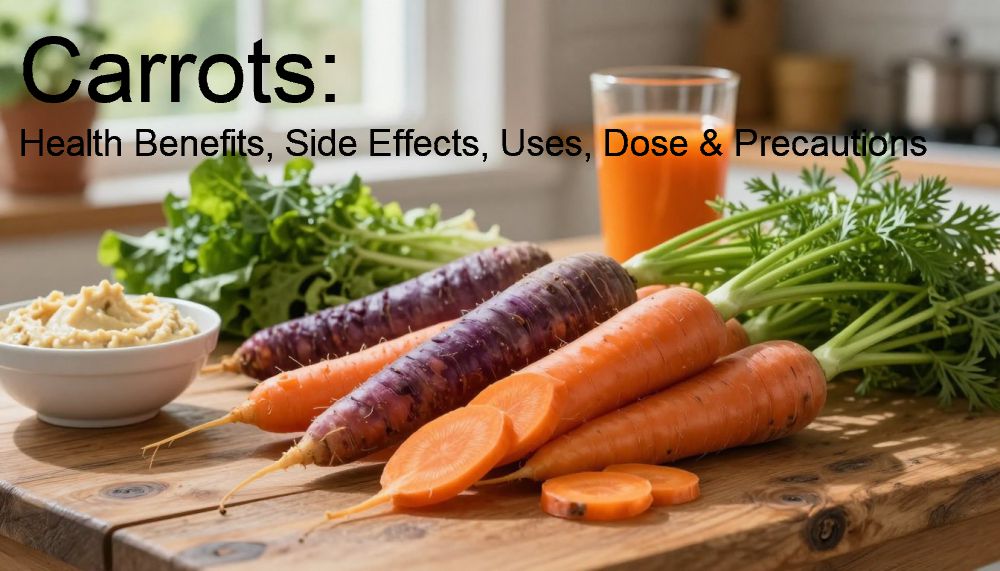
The primary benefits of carrots stem from their high concentration of beta-carotene. Your body converts this vital carotenoid into vitamin A, which plays a crucial role in maintaining healthy vision and immune function. As a potent antioxidant, this nutrient helps protect your cells from oxidative stress and daily environmental damage.
In this guide, we will explore how to incorporate these vegetables into your meals safely. We will also examine potential side effects, recommended daily intake, and important precautions to keep in mind. By understanding these factors, you can make informed choices to boost your overall vitality.
Key Takeaways
- These vegetables are rich in beta-carotene, which the body converts into essential vitamin A.
- Regular consumption supports eye health and strengthens the immune system.
- They provide powerful antioxidant properties that help fight cellular damage.
- While generally safe, excessive intake may lead to temporary skin discoloration.
- Understanding proper dosage and preparation ensures you maximize nutritional value.
The Nutritional Profile of Carrots
Carrots are a powerhouse of nutrition, containing a wealth of vitamins, minerals, and antioxidants that support various bodily functions. They are an excellent addition to a healthy diet, providing numerous benefits due to their rich nutritional profile.
Key Vitamins and Minerals Found in Carrots
Carrots are rich in several key vitamins and minerals, including vitamin C, vitamin K, and potassium. Vitamin C is crucial for immune function, while vitamin K plays a significant role in blood clotting and bone health. Potassium helps regulate blood pressure and supports overall cardiovascular health.
As stated by the USDA, “Carrots are a good source of vitamin C, providing about 3.6 milligrams per 100 grams.”
“Carrots are a nutrient-dense food, providing a range of essential vitamins and minerals,” according to a study published in the Journal of Agricultural and Food Chemistry.
Understanding Beta-Carotene and Other Carotenoids
One of the most significant nutritional components of carrots is beta-carotene, a precursor to vitamin A that plays a critical role in vision health and immune function. Carrots also contain other carotenoids, such as alpha-carotene and lutein, which contribute to their nutritional value. These compounds have been shown to have antioxidant properties, helping protect cells from damage.
“The high content of beta-carotene in carrots makes them an excellent food for supporting eye health,” notes a registered dietitian.
Caloric Density and Dietary Fiber Content
Carrots are relatively low in calories, making them a nutritious snack for those managing their weight. A serving of raw carrots contains only about 45 calories. They are also a good source of dietary fiber, which supports healthy digestion and bowel function. Both raw and cooked carrots can be part of a balanced diet, with baby carrots and purple carrots offering slightly different nutritional profiles.
Overall, the nutritional profile of carrots makes them a valuable component of a healthy diet, supporting various aspects of health and wellbeing.
Health Benefits of Carrots for Vision
Carrots are rich in nutrients that are crucial for maintaining healthy vision. The specific compounds found in carrots play a significant role in supporting eye health and preventing vision-related disorders.
Role of Lutein and Zeaxanthin in Eye Health
Lutein and zeaxanthin are carotenoids found in carrots that are known to protect the eyes. These compounds are concentrated in the macula, a part of the retina responsible for central vision.
Lutein and zeaxanthin act as antioxidants, shielding the eyes from damage caused by blue light and reducing the risk of chronic eye diseases.
Preventing Age-Related Macular Degeneration
Age-related macular degeneration (AMD) is a leading cause of vision loss among older adults. The consumption of carrots, rich in lutein and zeaxanthin, has been associated with a lower risk of developing AMD.
Studies have shown that individuals who consume higher amounts of these carotenoids have a significantly reduced risk of AMD progression.
A diet that includes carrots can be a valuable component of an overall strategy to maintain eye health and prevent age-related vision problems.
Carrots and Cardiovascular Health
Carrots have been found to play a significant role in maintaining cardiovascular health. The nutrients and antioxidants in carrots contribute to a healthier heart by addressing various factors that influence cardiovascular well-being.
One of the key ways carrots support heart health is through their impact on cholesterol levels and by reducing the risk of heart disease. The fiber, vitamins, and minerals in carrots work together to create a beneficial effect on cardiovascular health.
Impact on Cholesterol Levels
The fiber content in carrots is known to help manage cholesterol levels. Soluble fiber can bind to bile acids and lower the amount of cholesterol produced in the liver. This can lead to a reduction in overall cholesterol levels, contributing to a healthier cardiovascular system.
Regular consumption of carrots can be part of a dietary approach to managing cholesterol. By incorporating carrots into a balanced diet, individuals can potentially improve their heart health.
Reducing the Risk of Heart Disease
Carrots are rich in antioxidants, including beta-carotene, which can help reduce the risk of heart disease. These antioxidants combat free radicals that can damage heart health over time. By minimizing oxidative stress, carrots contribute to a reduced risk of developing heart disease.
The potassium content in carrots also supports heart health by helping to lower blood pressure. A diet rich in potassium can counterbalance the effects of sodium and help maintain healthy blood pressure levels.
Furthermore, the vitamins and minerals in carrots support overall cardiovascular health, making them a valuable addition to a heart-healthy diet.
Supporting Digestive Health and Blood Sugar Management
Carrots are a nutrient-rich vegetable that supports various bodily functions, including digestive health and blood sugar regulation. Their high content of dietary fiber and other nutrients makes them an excellent addition to a balanced diet.
Fiber in Carrots and Gut Function
Carrots are an excellent source of dietary fiber, which is crucial for maintaining healthy gut function. The fiber in carrots helps in promoting regular bowel movements and preventing constipation.
Dietary Fiber Benefits:
- Promotes regular bowel movements
- Supports the growth of beneficial gut bacteria
- Aids in preventing constipation
The fiber content in carrots also contributes to a feeling of fullness, which can be beneficial for weight management. A healthy gut microbiome is essential for overall health, and the fiber in carrots plays a significant role in maintaining this balance.
How Carrots Affect Blood Sugar Levels
Carrots have a relatively low glycemic index, which means they are less likely to cause a significant spike in blood sugar levels. The fiber in carrots also helps in slowing down the absorption of sugar into the bloodstream, further contributing to stable blood sugar levels.
| Nutrient | Raw Carrots | Cooked Carrots |
|---|---|---|
| Fiber | 2.9g | 3.3g |
| Sugar | 4.7g | 5.3g |
| Glycemic Index | 32 | 35 (approx.) |
Incorporating carrots into your diet can be a beneficial step towards managing blood sugar levels and supporting overall digestive health. Whether consumed raw or cooked, carrots provide essential nutrients that contribute to a balanced diet.
Immune System Support and Bone Health
Carrots are a multifaceted vegetable that supports not just vision but also immune health and bone strength. Their rich nutritional profile makes them an excellent addition to a healthy diet, providing benefits that extend beyond their well-known advantages for eye health.
One of the key ways carrots contribute to overall health is through their vitamin content, particularly vitamins C and K. Vitamin C is crucial for immune function, playing a significant role in the production of white blood cells, which are vital for fighting off infections.
Vitamin C and Immune Function
Vitamin C in carrots helps boost the immune system by enhancing the production of white blood cells. These cells are the body’s first line of defense against pathogens, making vitamin C an essential nutrient for maintaining immune health. A diet rich in vitamin C can help reduce the severity and duration of illnesses like the common cold.
- Enhances white blood cell production
- Supports the body’s natural defenses
- May reduce the severity of colds and flu
Vitamin K and Bone Density
Vitamin K is essential for bone health, as it helps regulate the activity of osteoclasts, the cells responsible for bone resorption. This regulation is crucial for maintaining bone density and reducing the risk of fractures. Vitamin K also supports the activation of proteins necessary for bone mineralization.
A diet that includes carrots, rich in vitamin K, can contribute to stronger bones and a lower risk of osteoporosis, particularly in older adults. Ensuring adequate vitamin K intake is a key aspect of maintaining bone health throughout life.
Incorporating carrots into your diet can have a significant impact on both immune function and bone health. With their rich content of vitamins C and K, carrots are a simple and effective way to support overall health and well-being.
Varieties of Carrots and Their Unique Properties
Carrots are not just orange; they come in a variety of colors, each with its unique nutritional profile. This diversity is not just aesthetically pleasing but also offers a range of health benefits.
Orange, Yellow, Red, and Purple Carrots
The most commonly consumed carrots are orange, but other varieties like yellow, red, and purple carrots are gaining popularity due to their distinct nutritional properties. Orange carrots owe their color to beta-carotene, a precursor to vitamin A that is crucial for vision health. Yellow carrots contain lutein and zeaxanthin, which are important for eye health. Red carrots are rich in lycopene, an antioxidant that has been linked to reduced risk of certain cancers. Purple carrots contain anthocyanins, powerful antioxidants that have been associated with anti-inflammatory properties.
A study published in the Journal of Agricultural and Food Chemistry found that the antioxidant activity of carrots increases with the intensity of their color. This suggests that while all carrots are nutritious, the deeper-colored varieties may offer additional health benefits.
“The diversity in carrot colors is a reflection of their diverse phytonutrient content, which can have significant implications for health and disease prevention.”
As illustrated in the table below, each color of carrot has its unique set of nutrients.
| Carrot Color | Primary Nutrients | Health Benefits |
|---|---|---|
| Orange | Beta-carotene | Vision health, immune function |
| Yellow | Lutein, Zeaxanthin | Eye health, antioxidant properties |
| Red | Lycopene | Antioxidant properties, cancer prevention |
| Purple | Anthocyanins | Anti-inflammatory properties, antioxidant effects |
Nutritional Differences Between Raw and Cooked Carrots
The nutritional value of carrots can be affected by their preparation method. Raw carrots retain their fiber content and certain vitamins that might be lost during cooking. However, cooking carrots can make some of their nutrients more bioavailable.
Cooking can break down the cell walls of carrots, making their nutrients easier to absorb. For example, cooking carrots can increase the availability of beta-carotene. A study comparing raw and cooked carrots found that cooking significantly increased the bioavailability of carotenoids.
- Raw carrots are higher in fiber and certain vitamins.
- Cooked carrots have more bioavailable carotenoids.
In conclusion, both raw and cooked carrots have their nutritional advantages. Incorporating a mix of both into your diet can provide a broad range of health benefits.
Culinary Uses and Preparation Tips
With their sweet and earthy flavor, carrots can be used in a multitude of culinary creations, both raw and cooked. Carrots are a versatile ingredient that can add texture, flavor, and nutrition to a wide range of dishes.
Best Ways to Eat Carrots Raw or Cooked
Carrots can be enjoyed both raw and cooked, each method offering unique benefits. Raw carrots make a great snack on their own or can be added to salads for a crunchy texture. Raw carrots retain more vitamin C, which is an essential nutrient for immune function.
Cooking carrots, on the other hand, can enhance their natural sweetness and make their nutrients more accessible. Steaming or roasting carrots are excellent ways to prepare them without losing too much of their nutritional value. Roasting carrots brings out their natural sweetness, making them a delicious side dish.
- Raw carrots are great for snacking and salads.
- Steaming carrots helps retain their nutrients.
- Roasting carrots enhances their flavor.
Incorporating Carrot Juice and Shredded Carrots into Meals
Carrot juice is a nutritious beverage that can be enjoyed on its own or mixed with other juices for a refreshing drink. It’s rich in vitamins and minerals, particularly vitamin A, which is beneficial for vision and immune function.
Shredded carrots can be added to a variety of dishes, such as salads, slaws, and baked goods. They add moisture and flavor to muffins, cakes, and bread. Carrot cake is a classic dessert that showcases the versatility of carrots in sweet dishes.
Storing and Preparing Organic Carrots
To keep organic carrots fresh, store them in the refrigerator. Remove the green tops to prevent moisture loss. Keep carrots away from apples and potatoes, as they release ethylene gas, which can cause carrots to spoil faster.
When preparing organic carrots, wash them thoroughly to remove any dirt or pesticide residue. Peeling is optional, as the skin contains fiber and nutrients. However, if the carrots are not organic, peeling might be preferable to reduce exposure to pesticides.
- Store carrots in the refrigerator.
- Remove the green tops.
- Wash thoroughly before use.
Recommended Daily Intake and Dosage
To reap the benefits of carrots, it’s essential to understand how much is considered optimal consumption. Carrots are rich in vitamins, minerals, and antioxidants, making them a valuable addition to a healthy diet. However, like any food, consuming them in the right amount is crucial for maximizing their health benefits.
Optimal Carrot Consumption
The optimal daily intake of carrots can vary based on individual health needs and dietary goals. Generally, a serving size of carrots is considered to be about 1/2 cup chopped or one medium-sized carrot. For most adults, consuming 1-2 servings per day is a reasonable and healthy target.
Including carrots in your diet can be straightforward. They can be eaten raw as a snack, added to salads, or cooked in a variety of dishes. The key is to find a balance that works for you and your dietary preferences.
Balancing Carrots in Your Diet
Balancing carrots as part of a balanced diet involves considering your overall nutritional needs. Carrots are low in calories and rich in fiber, vitamins, and minerals, making them an excellent choice for those looking to manage their weight or improve their digestive health.
To incorporate carrots effectively into your diet, consider the following tips:
- Mix raw and cooked carrots to maximize nutrient intake.
- Combine carrots with other vegetables to create a varied and nutrient-rich diet.
- Be mindful of portion sizes to avoid overconsumption.
By doing so, you can enjoy theoptimal health benefitsof carrots while maintaining a well-rounded diet.
Potential Side Effects and Precautions
Although carrots are a healthy addition to most diets, there are some potential risks associated with their consumption. While generally considered safe, carrots can cause adverse reactions in some individuals.
Understanding Carrot Allergy Symptoms
A carrot allergy is relatively rare but can cause significant discomfort. Symptoms may include oral allergy syndrome, where the mouth, lips, or throat itch or swell after consuming raw or cooked carrots. In severe cases, it can lead to anaphylaxis, a life-threatening condition requiring immediate medical attention.
Common symptoms of a carrot allergy include:
- Hives or itchy skin
- Swelling of the face, lips, tongue, or throat
- Stomach cramps
- Diarrhea
Risks of Eating Too Many Carrots
Eating too many carrots can lead to an overload of vitamin A in the body, potentially causing hypervitaminosis A. Symptoms include headaches, dizziness, and nausea. It’s essential to consume carrots in moderation as part of a balanced diet.
Carotenemia: When Skin Turns Orange
Consuming large amounts of carrots can also lead to carotenemia, a harmless condition where the skin turns orange due to excessive beta-carotene. This condition is reversible by reducing carrot consumption.
Here’s a summary of the potential side effects and precautions associated with carrot consumption:
| Condition | Symptoms | Precautions |
|---|---|---|
| Carrot Allergy | Hives, itchy skin, swelling, stomach cramps, diarrhea | Avoid carrots, consult a doctor if symptoms persist |
| Hypervitaminosis A | Headaches, dizziness, nausea | Consume carrots in moderation |
| Carotenemia | Orange discoloration of the skin | Reduce carrot consumption |
By being aware of these potential side effects and taking necessary precautions, you can enjoy the nutritional benefits of carrots while minimizing risks.
Conclusion
Carrots are a nutrient-rich vegetable that offers numerous health benefits when consumed as part of a balanced diet. The wealth of vitamins, minerals, and antioxidants in carrots supports overall health and well-being.
The health benefits of carrots are diverse, ranging from promoting healthy vision and cardiovascular health to supporting digestive health and immune function. Carrots are also versatile and can be easily incorporated into various meals, whether raw, cooked, or as juice.
While carrots are generally safe to eat, it’s essential to be aware of the potential side effects of excessive consumption, such as carotenemia, a condition that causes the skin to turn orange. Mindful consumption and a balanced diet can help mitigate these risks.
Incorporating carrots into your diet can have a significant impact on your overall health. With their rich nutritional profile and versatility in cooking, carrots are an excellent addition to a healthy lifestyle.
FAQ
What are the primary health benefits of carrots for our vision?
A: Carrots are rich in beta-carotene, a powerful carotenoid that the body converts into vitamin A. This essential nutrient is vital for maintaining clear vision and overall health. Additionally, carrots help protect your eyes with lutein and zeaxanthin, which are specific antioxidants in carrots that may help reduce the risk of age-related macular degeneration. Carrots offer a simple and tasty way to support long-term eye health.
Can adding carrots to my diet improve my heart health?
Absolutely! Carrots are a great choice for supporting cardiovascular health. The dietary fiber found in this root vegetable helps manage cholesterol levels, while the potassium in carrots also helps regulate blood pressure. Scientific nutrition facts suggest that the regular consumption of carrots and other fruits and vegetables can significantly reduce the risk of developing heart disease. Because they are low in calories, they are an excellent addition for anyone looking to improve their heart health.
Is it better to eat them raw or cooked to get the most nutrition?
It really depends on what nutrients you are looking for! Eating them raw preserves vitamin C, but cooked carrots—such as boiled carrots—actually make the beta-carotene in carrots more bioavailable, meaning your body can absorb it more easily. Whether you prefer a raw carrot snack or cooked carrots in a stew, you are still getting a good source of vitamin K and other healthy compounds in carrots. Many people enjoy grated carrots or shredded carrots in salads to get a mix of textures and health effects.
How do carrots affect blood sugar levels?
Even though carrots come with a natural sweetness, they have a low glycemic index. The fiber in carrots slows down the digestion of sugars, which means carrot consumption generally has a minimal effect of carrot on blood sugar levels. This makes carrots a good choice for those managing their blood sugar as part of a balanced diet. Adding carrots to your meals provides volume and nutrients without causing sharp spikes.
Are there any adverse effects from eating too many carrots?
While carrots provide incredible health benefits, eating too many can lead to a condition called carotenemia. This is one of the more colorful adverse effects where the beta-carotene in carrots causes the skin to take on an orange tint. Additionally, while rare, some individuals may experience a carrot allergy. It is always best to enjoy whole carrots, baby carrots, or carrot juice in a reasonable amount of carrots to avoid these issues.
What are the differences between orange, red, yellow, and purple carrots?
A: Orange carrots are most common and are famous for high beta-carotene. However, purple carrots are packed with anthocyanins, red carrots contain lycopene (which is also found in carrots of this hue), and yellow carrots are often higher in lutein. Each color represents a different antioxidant profile, so eating a variety of carrots can also provide a wider range of carrot nutrition.
How should I store and prepare carrots to keep them fresh?
To properly store carrots, keep them in the coolest part of your refrigerator. If you buy organic carrots with the carrot greens still attached, be sure to remove the tops before storing them so they don’t pull moisture from the carrot root. When you are ready to prepare carrots, you can eat carrots plain, juice them into carrot juice, or toss them into a stir-fry. Carrots often stay fresh for several weeks if kept dry and cold.
Can carrots help with digestive and bone health?
Yes, the dietary fiber in carrots can help significantly with digestive health by keeping your system regular. Beyond digestion, carrots also containvitamin K and calcium, which are essential for bone health. Some studies even suggest that the antioxidants in carrots and other compoundsmay help support brain health as we age. Carrot intake is truly a multi-tasker for your body!
Is carrot juice as healthy as eating the whole vegetable?
A: Carrot juice is a very concentrated source of vitamins and minerals, but it lacks the dietary fiber found in whole carrots. While carrot juice is a quick way to get a high dose of carotenoids, eating them raw or cooked as a whole vegetable is better for digestive health and blood sugar management. Like carrots in their solid form, the juice may also provide a boost to your immune system due to its vitamin C content.