Have you ever wondered about the humble plant that has graced gardens and dinner plates for centuries? Chicory is much more than a simple garden herb; it is a powerhouse of wellness that has been used for generations to support the body.
From its historical roots in traditional medicine to its modern role in your morning coffee, this versatile plant offers a variety of health benefits. Many people turn to it today to help improve their digestive and metabolic wellness naturally.
However, understanding how to use this root safely is essential for your daily routine. By learning about potential side effects and proper precautions, you can make informed decisions about your health. Let’s explore how this unique plant can fit into your lifestyle while keeping your well-being as the top priority.
Key Takeaways
- This plant has a long history of use in both culinary and medicinal traditions.
- It is widely recognized for supporting healthy digestion and metabolic function.
- Modern applications include using the root as a popular caffeine-free coffee alternative.
- Understanding proper dosage is vital to avoid potential side effects.
- Always consult with a healthcare professional before adding new supplements to your diet.
Understanding the Chicory Plant and Its History
From ancient fields to modern kitchens, the chicory plant has played a vital role in human culture. This hardy perennial is widely recognized for its striking appearance and its long-standing presence in both herbalism and culinary traditions.
Botanical Characteristics of Cichorium Intybus L.
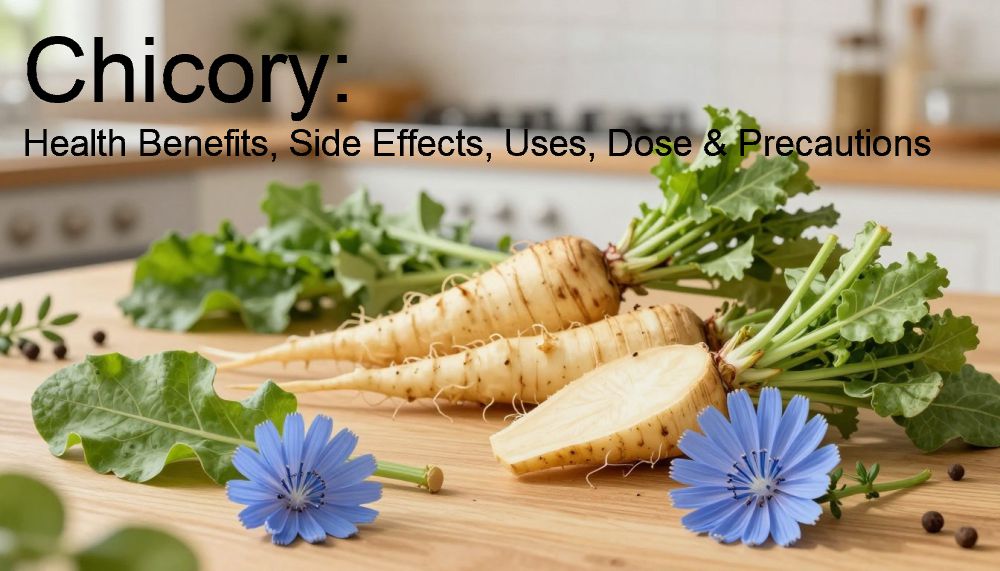
Scientifically known as Cichorium intybus l., this plant belongs to the dandelion family. It is easily identified by its vibrant, sky-blue flowers that bloom during the summer months.
Beyond its aesthetic appeal, the plant is defined by several key features:
- A deep, fleshy taproot that stores energy.
- A resilient, perennial growth habit that allows it to thrive in various climates.
- Rough, lobed leaves that grow in a basal rosette.
The root of the chicory plant is particularly notable for its high concentration of beneficial compounds. These botanical traits make it a versatile species that has adapted well to different environments across the globe.
Historical Significance and Traditional Medicinal Use
For centuries, the root of the chicory plant has been utilized in medicinal practices across Europe and Asia. Ancient healers valued the plant for its ability to support overall wellness and digestive health.
The historical importance of Cichorium intybus l. extends far beyond simple folklore. It has been a staple in traditional medicinal systems, often prepared as teas or extracts to address various physical ailments.
“The history of the chicory plant is a testament to the enduring relationship between humanity and the natural world.”
Today, the chicory plant continues to be studied for its unique properties. By understanding its origins, we gain a better appreciation for why this humble wildflower remains a significant part of our modern diet and health routines.
Nutritional Profile and Key Constituents of Cichorium Intybus L.
The hidden health potential of chicory root lies deep within its complex chemical structure. This plant serves as a natural reservoir for compounds that support human metabolic health. By examining the constituents of Cichorium intybus L., we can better understand why it has become a staple in functional nutrition.
The Role of Inulin in Chicory
At the heart of the plant’s nutritional value is a high concentration of inulin. This specific type of soluble fiber acts as a powerful prebiotic, fueling the beneficial bacteria in your gut. The inulin in chicory is highly valued for its ability to resist digestion in the upper gastrointestinal tract.
Prebiotic fibers like inulin are essential for maintaining a diverse and healthy gut microbiome, which serves as the foundation for overall systemic wellness.
Essential Vitamins and Minerals Found in the Root
Beyond its fiber content, the root provides a variety of micronutrients that aid daily bodily functions. Research published in Food Sci Nutr highlights that these elements contribute to better metabolic regulation. The following table outlines the primary nutritional components typically found in this versatile plant.
| Nutrient Category | Primary Benefit | Impact on Health |
|---|---|---|
| Inulin Fiber | Prebiotic Support | Gut Microbiome Balance |
| Vitamin B6 | Metabolic Function | Energy Production |
| Manganese | Antioxidant Support | Bone Health |
| Potassium | Electrolyte Balance | Heart Function |
Incorporating chicory root into your diet offers a simple way to boost your intake of these vital minerals. Whether consumed as a beverage or a supplement, the dense nutritional profile makes it a smart choice for health-conscious individuals. Always prioritize high-quality sources to ensure you receive the full spectrum of these natural benefits.
Health Benefits of Chicory Root and Inulin
The health benefits of chicory root extend far beyond simple digestion, offering a wealth of protective compounds for the body. By analyzing the beneficial effects of these natural elements, we can better understand how the plant supports long-term wellness. Many people are now turning to this root as a simple way to enhance their daily nutritional intake.
Anti-Inflammatory Properties of Chicory Compounds
Chronic inflammation is often at the root of many modern health concerns. Research suggests that the compounds in chicory may help reduce systemic inflammation throughout the body. By calming these inflammatory responses, chicory root acts as a gentle yet effective ally for those seeking to maintain internal balance.
Antioxidant Capacity and Cellular Protection
The properties of chicory include a high concentration of antioxidants that shield cells from oxidative stress. These molecules work to neutralize free radicals, which are unstable atoms that can damage healthy tissue. Because of this, chicory root may play a vital role in protecting your cells from premature aging and environmental damage.
Impact on Heart Health and Cholesterol Levels
Maintaining a healthy heart is a top priority for many, and the potential benefits of this plant are quite promising. Studies indicate that the health benefits of chicory root include the ability to help manage cholesterol levels effectively. When integrated into a balanced diet, the benefits of chicory support cardiovascular function by promoting better lipid profiles. Ultimately, chicory may be a simple, plant-based addition that contributes to a stronger, healthier heart.
Chicory as a Prebiotic and Its Impact on Digestive Health
Many people are discovering that the secret to better digestion lies in the natural power of chicory root. This versatile plant has gained popularity for its ability to support the body from the inside out. By focusing on the gut, you can create a foundation for improved overall wellness.
How Chicory Root Fiber Supports Gut Microbiota
Chicory root acts as a prebiotic, which means it serves as essential fuel for the beneficial bacteria living in your intestines. These microbes are crucial for maintaining a balanced microbiome. When these bacteria thrive, they help protect your system and improve your digestive health.
“A healthy gut is the cornerstone of a healthy body, and prebiotics are the building blocks that keep that foundation strong.”
By consuming chicory root fiber, you provide the necessary nourishment for your gut flora to flourish. This process helps crowd out harmful bacteria, ensuring that your internal environment remains stable and efficient. Consistent intake is key to seeing long-term benefits for your microbiome.
Managing Constipation and Improving Bowel Regularity
One of the most common reasons people turn to this plant is to find relief from constipation. The high fiber content found in the root helps to add bulk to the stool, which encourages smoother movement through the digestive tract. This simple change can lead to significantly better bowel regularity.
Many individuals report feeling lighter and more comfortable after adding this natural fiber to their daily diet. Because it supports the natural rhythm of your system, it is a gentle way to manage occasional issues. Prioritizing your gut comfort is a smart step toward a healthier lifestyle.
Potential Role in Blood Sugar Control and Diabetes Management
Understanding how specific plant fibers influence insulin sensitivity can empower you to make better dietary choices. Many individuals seek natural ways to support their metabolic health, and the effects of chicory are becoming a focal point in nutritional research. By integrating this root into your routine, you may find a simple way to assist your body in maintaining balance.
Effects of Chicory Inulin on Insulin Sensitivity
Research indicates that chicory inulin plays a promising role in how the body processes glucose. This prebiotic fiber helps improve insulin sensitivity, which is vital for those concerned about diabetes prevention and management. When the body responds more effectively to insulin, it can better regulate the amount of sugar circulating in the bloodstream.
The effects of chicory inulin on metabolic markers are supported by various studies. By modulating gut hormones, this fiber helps create a more stable environment for glucose metabolism. This process is essential for anyone looking to maintain consistent energy levels throughout the day.
Managing Blood Sugar Levels Through Dietary Fiber
Incorporating more dietary fiber into your meals is a proven strategy for long-term health. Chicory root acts as a potent source of this fiber, which works by slowing down the digestion and absorption of carbohydrates. This mechanism is highly effective for blood sugar control, as it prevents the rapid spikes often associated with processed foods.
There are several ways to utilize this dietary component to support your goals:
- Add roasted chicory root to your morning coffee to reduce the glycemic impact of your breakfast.
- Use chicory-based ingredients in baking to increase the fiber content of your snacks.
- Focus on consistent daily intake to help stabilize blood sugar levels over time.
By choosing to include high-quality dietary fiber in your diet, you take a proactive step toward better health. Consistent habits often yield the best results when managing your overall wellness.
Liver Protection and Non-Alcoholic Fatty Liver Disease
Protecting your liver is essential for overall wellness, and emerging evidence suggests that the chicory plant could be a powerful natural ally. This organ acts as the body’s primary filtration system, processing everything we consume. Keeping it healthy is vital for long-term vitality.
Scientific Evidence on Liver Function Support
Recent studies suggest that chicory may play a significant role in managing metabolic health. Specifically, research into non-alcoholic fatty liver disease indicates that regular intake can help modulate lipid metabolism. By improving how the body processes fats, the plant helps prevent the accumulation of harmful deposits in the liver.
Furthermore, the chicory extract has shown potential in reducing inflammation within the organ. Chronic inflammation is often a precursor to more severe liver conditions. By addressing this at a cellular level, the extract provides a proactive approach to maintaining liver integrity.
Chicory Extract and Its Role in Reducing Liver Stress
The root extract works by neutralizing free radicals that cause oxidative damage. This process is crucial because the liver is constantly exposed to toxins that create high levels of stress. Using a high-quality chicory root extract can help bolster the body’s natural defense mechanisms.
The extract of chicory serves as a gentle yet effective support system for your detoxification pathways. Many health enthusiasts use it to protect the liver from the daily wear and tear of modern diets. Below is a summary of how specific components contribute to liver health.
| Component | Primary Benefit | Impact on Liver |
|---|---|---|
| Inulin Fiber | Prebiotic support | Reduces metabolic strain |
| Polyphenols | Antioxidant action | Lowers oxidative stress |
| Sesquiterpene Lactones | Anti-inflammatory | Decreases organ swelling |
Chicory Coffee: A Popular Caffeine-Free Coffee Alternative
Discover why roasted chicory has become a staple in kitchens across the United States for those seeking a unique coffee experience. Many people now choose this caffeine-free option to enjoy a warm, comforting beverage without the stimulant effects of traditional beans. As a popular coffee substitute, it provides a satisfying ritual for your morning routine.
The Process of Creating Roasted and Ground Chicory
The journey from root to cup involves careful preparation to ensure the best taste. Manufacturers harvest the plant, clean it, and then slice it into small pieces. This ground chicory root undergoes a specific roast to develop its signature deep color and aroma.
During this stage, the natural sugars in the plant caramelize, which creates a rich, dark profile. This roasted and ground method is essential for achieving the perfect texture. High-quality roasted and ground chicory is then packaged for consumers to brew at home.
Flavor Profile and Addition to Coffee Blends
The flavor of this beverage is often described as earthy, woody, and slightly nutty. Because chicory root has a mild bitterness, it mimics the complexity of dark-roast coffee beans quite well. Many enthusiasts use it as a direct substitute for coffee to avoid caffeine entirely.
Others prefer using it as an addition to coffee to create a custom blend that is lower in stimulants. Whether you enjoy chicory root coffee black or with milk, it offers a robust experience. The following table highlights how it compares to standard coffee.
| Feature | Traditional Coffee | Chicory Coffee |
|---|---|---|
| Caffeine Content | High | None |
| Flavor Profile | Acidic/Bright | Earthy/Nutty |
| Primary Benefit | Energy Boost | Prebiotic Fiber |
| Preparation | Brewed/Drip | Brewed/Drip |
Common Uses of Chicory Leaves and Roots in Culinary Practices
Beyond the morning cup, the chicory plant offers a world of culinary potential for your kitchen. Many home cooks overlook the whole chicory plant, yet it provides a bounty of flavors that go far beyond simple coffee substitutes. Understanding the proper use of chicory allows you to experiment with bold, earthy profiles in your daily meals.
Whether you are working with chicory leaves and roots, the plant brings a unique, slightly bitter edge to various recipes. Exploring these chicory uses can truly elevate your cooking game. Below is a guide to help you get the most out of every part of this versatile vegetable.
Preparing Dried Chicory Root for Beverages
To prepare dried chicory root at home, you must first clean and chop the fresh roots into small, uniform pieces. Once chopped, roast the pieces in an oven at a low temperature until they turn a deep, dark brown color.
After roasting, allow the roots to cool completely before grinding them into a coarse powder. This powder can be brewed alone or mixed with your favorite coffee beans to create a rich, caffeine-free beverage. Many people enjoy the deep, nutty aroma that develops during the roasting process.
Incorporating Chicory Leaves into Salads and Cooked Dishes
Fresh chicory leaves are a fantastic addition to any kitchen pantry. When served raw, they provide a crisp texture and a sharp, bitter bite that pairs perfectly with sweet dressings or citrus vinaigrettes.
If you prefer a milder flavor, try sautéing the leaves with garlic and olive oil. Cooking the greens helps to mellow their natural bitterness, making them an excellent side dish for roasted meats or hearty grains. You can also toss them into soups or stews during the final minutes of cooking to add a complex depth of flavor.
| Plant Part | Preparation Method | Best Culinary Use |
|---|---|---|
| Root | Roasting and Grinding | Coffee substitute or tea |
| Leaves (Raw) | Washing and Chopping | Fresh garden salads |
| Leaves (Cooked) | Sautéing or Boiling | Side dishes and soups |
Recommended Dosage and Safe Consumption Guidelines
Understanding how to use chicory effectively can help you enjoy its health benefits without discomfort. Because this plant acts as a powerful prebiotic, your body may need time to adjust to the increased fiber intake. Finding the appropriate dose of chicory is essential for maximizing wellness while keeping your digestion smooth.
Determining the Appropriate Dose of Chicory
When you start taking chicory, it is best to begin with a very small amount. A common recommendation is to start with half a teaspoon of the root powder or a small serving of the extract. This gradual approach allows your gut microbiota to adapt to the new dietary fiber without causing bloating or gas.
You should monitor your body’s response closely over the first week. If you feel comfortable, you can slowly increase your dosage over several weeks. Everyone has a unique tolerance level, so there is no single “perfect” amount that works for every person.
General Safety Standards for Daily Intake
For most healthy adults, the consumption of chicory is generally recognized as safe when used in moderate amounts. Most experts suggest that a daily intake of 3 to 5 grams of inulin from dietary chicory is a good starting point for most people. It is important to remember that more is not always better when it comes to fiber supplements.
Always check the labels on any dietary products you purchase to see the recommended serving size. If you are unsure about your specific needs, start with the lowest dose of chicory suggested by the manufacturer. By following these simple dosage guidelines, you can safely integrate this prebiotic powerhouse into your daily routine.
Possible Side Effects and Allergic Reactions
Understanding the possible side effects of chicory is essential for a safe and healthy experience. While many people enjoy the benefits of this plant, it is important to recognize that individual responses can vary significantly. Being aware of the side effects of chicory allows you to make informed decisions about your dietary choices.
Gastrointestinal Discomfort and Bloating
The most common issue reported by new users involves the digestive system. Because chicory inulin is a potent source of prebiotic fiber, introducing it too quickly can overwhelm your gut bacteria. This rapid fermentation process often leads to temporary bloating, gas, or abdominal cramping.
To minimize these effects of chicory, experts recommend starting with a very small amount. Gradually increasing your intake over several weeks helps your digestive system adjust to the added fiber. If discomfort persists, it is wise to reduce your portion size or consult with a professional.
Allergy Syndrome to Chicory Associated with Birch Pollen
Some individuals may experience an allergic reaction when consuming this root. This is often due to a condition known as oral allergy syndrome, which occurs when the body confuses plant proteins with pollen. Specifically, there is a documented allergy syndrome to chicory associated with birch pollen.
If you are already sensitive to birch pollen, your immune system might react to chicory associated with birch pollen due to their similar protein structures. Symptoms of this reaction can include itching in the mouth, swelling of the lips, or a scratchy throat shortly after consumption. If you notice these signs, discontinue use immediately and monitor your symptoms closely.
Important Precautions and When to Avoid Chicory
Making the decision to use chicory in your daily routine requires a careful look at your personal health history. While this plant offers many potential benefits, it is not suitable for every individual. Prioritizing your well-being means understanding the necessary safety measures before you begin.
Consulting a Healthcare Provider Before Use
Before you start consuming chicory regularly, it is highly recommended to speak with a qualified healthcare provider. This is especially vital if you have underlying health conditions or are currently taking prescription medications. A professional can help determine if the consumption of chicory might interact with your specific treatment plan.
Your doctor can provide personalized guidance based on your medical records. They will ensure that your choice to use chicory aligns with your long-term health goals. Never hesitate to ask questions about how herbal supplements might affect your body.
Specific Groups Who Should Avoid Chicory Consumption
Certain individuals should avoid chicory to prevent potential complications. For instance, pregnant or breastfeeding women are often advised to limit or completely stop consuming chicory due to a lack of extensive safety data in these groups. Additionally, those with known allergies to plants in the daisy family should exercise extreme caution.
If you have a history of gallstones or other biliary tract issues, you should also avoid chicory until you have cleared it with your medical team. Managing your chicory consumption safely is the best way to enjoy its properties without unnecessary risks. Always listen to your body and seek professional help if you experience any adverse reactions.
| Group | Precaution Level | Recommended Action |
|---|---|---|
| Pregnant/Nursing Women | High | Consult a healthcare provider |
| Allergy Sufferers | High | Avoid until tested |
| Gallstone Patients | Moderate | Seek medical advice |
| General Public | Low | Monitor intake levels |
Conclusion
Chicory stands out as a versatile plant with a long history of supporting human health. Incorporating this root into your daily habits offers a simple way to boost your intake of prebiotic fiber.
The benefits of chicory extend across many areas of physical well-being. You might enjoy the digestive support it provides or the way it stabilizes your energy throughout the day. Chicory may even serve as a gentle, caffeine-free ritual that replaces your morning coffee.
It remains vital to listen to your body when trying new botanical supplements. Start with small amounts to see how your system reacts. You should always prioritize your personal safety by speaking with a doctor before making significant changes to your diet.
Take the time to learn more about chicory through reputable scientific journals or by talking with a registered dietitian. Understanding the nuances of this plant empowers you to make informed choices. This natural ingredient could become a staple in your pantry as you pursue your long-term health goals.
FAQ
What exactly is the chicory plant, and how has it been used historically?
The chicory plant, scientifically known as Cichorium intybus L., is a hardy perennial from the dandelion family famous for its vibrant blue flowers. Historically, the root of the chicory plant has been prized for its medicinal properties across Europe and Asia. For centuries, people have utilized dried chicory root for its beneficial effects on the digestive system and as a tonic to protect the liver.
What are the main health benefits of chicory root?
The health benefits of chicory root are diverse, largely due to its high concentration of inulin. Research published in Food Sci Nutr suggests that chicory may help reduce inflammation, provide antioxidant protection, and support heart health by managing cholesterol levels. Additionally, the compounds in chicory offer cellular protection, making chicory consumption a great choice for long-term wellness.
How does chicory root fiber act as a prebiotic for digestive health?
A: Chicory root fiber is a powerhouse because it acts as a prebiotic. This means the inulin in chicory provides essential fuel for good bacteria in your gut. Regular consumption of chicory can significantly improve digestive health, help manage constipation, and promote better bowel regularity by supporting a balanced microbiome.
Can the use of chicory help with blood sugar control?
Yes, the effects of chicory inulin are quite promising for metabolic health. Because it is a potent source of dietary fiber, it can help slow down glucose absorption, which aids in blood sugar control. Studies suggest that chicory may improve insulin sensitivity, making it a helpful dietary addition for those managing diabetes or looking to stabilize their blood sugar levels.
Is chicory extract beneficial for liver health?
Emerging research into the extract of chicory shows it may provide significant support for those with non-alcoholic fatty liver disease. The chicory root extract helps modulate lipid metabolism and reduces oxidative stress within the organ. Using chicory extract as a supplement can be a natural way to support overall liver function and detoxification.
How is chicory coffee prepared as a coffee substitute?
To create chicory coffee, the root is roasted and ground to develop a deep, nutty flavor. Roasted chicory is a popular caffeine-free coffee or substitute for coffee because it mimics the roasted aroma of traditional beans. You can enjoy ground chicory root on its own or as an addition to coffee to reduce caffeine intake while adding a mild, pleasant bitterness.
Are there different chicory uses for the leaves and the roots?
Absolutely! While ground chicory is the standard for beverages, chicory leaves are a culinary staple in many cultures. You can use chicory leaves and roots differently; the leaves are often added to fresh salads or sautéed as a bitter green, while the whole chicory plant provides a variety of dietary nutrients including essential vitamins and minerals.
What is the appropriate dose of chicory for daily use?
While the chicory plant is generally recognized as safe, the appropriate dose of chicory varies depending on your fiber tolerance. When taking chicory as a prebiotic supplement, it is best to start with a small dose of chicory (around 3-5 grams of inulin) to avoid possible side effects like gas or bloating. Gradually increasing your intake allows your bowel to adjust to the dietary fiber.
Are there any side effects of chicory or potential allergic reactions?
Some people may experience side effects of chicory such as gastrointestinal discomfort if they consume too much too quickly. Additionally, there is a specific allergy syndrome to chicory associated with birch pollen. If you have a birch pollen allergy, you should monitor for an allergic reaction, as chicory associated with birch pollen can trigger cross-reactivity symptoms in sensitive individuals.
When should someone avoid chicory, and should I talk to a doctor?
You should avoid chicory if you have a known allergy to the Asteraceae family or if you are pregnant, as some properties of chicory might stimulate menstruation. It is always wise to consult a healthcare provider before using chicory or any new root extract, especially if you are managing diabetes or liver issues. To learn more about chicory and its suitability for your diet, a professional medical consultation is the safest route.