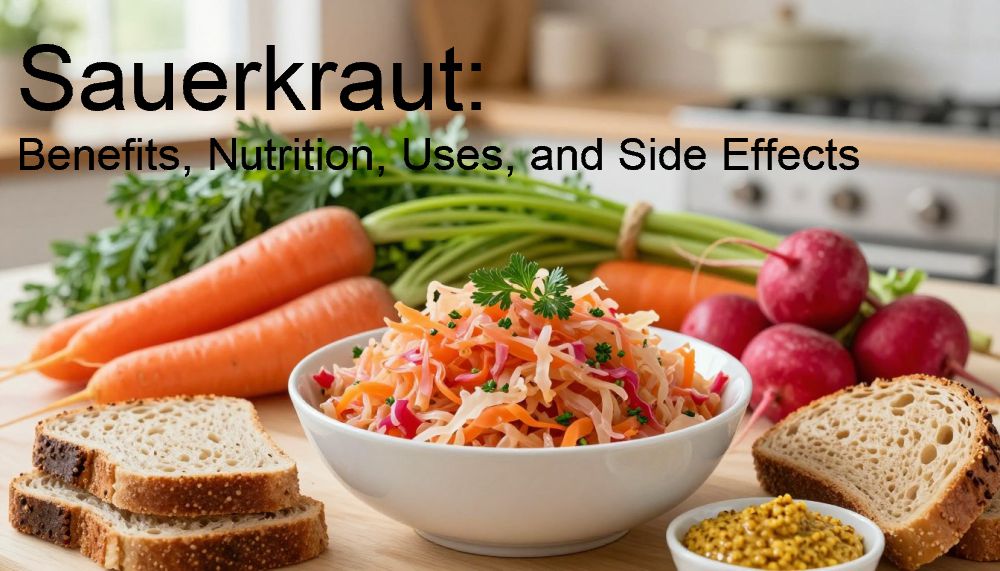
Have you ever wondered why fermented foods are taking the culinary world by storm? This traditional staple is much more than a simple condiment. By undergoing a natural fermentation process, this cabbage-based dish transforms into a nutrient-dense powerhouse that supports overall health.
Many people incorporate this tangy food into their meals to boost their gut health. The unique transformation creates probiotics that aid digestion and strengthen your immune system. Understanding the health benefits of sauerkraut allows you to make informed choices about your daily nutrition.
In this guide, we will explore the science behind these claims. You will discover how the benefits of sauerkraut can improve your well-being and why this ancient food remains a modern favorite. Adding this crunchy, flavorful item to your diet is a simple way to enjoy significant health benefits.
Key Takeaways
- Fermentation creates probiotics that are essential for maintaining a healthy digestive system.
- Regular consumption supports a stronger immune response against common illnesses.
- This food is packed with vital vitamins, including Vitamin C and Vitamin K.
- The natural process enhances nutrient absorption, making vitamins more bioavailable.
- Incorporating this dish into your diet is an easy way to improve your daily nutrition.
Understanding the Fermentation Process of Sauerkraut
Transforming simple cabbage into a tangy, probiotic-rich superfood is a fascinating journey of microbiology. At its core, sauerkraut is made through a natural process that relies on the interaction between the vegetable and its environment. By combining cabbage and salt, you create the perfect conditions for beneficial bacteria to thrive while keeping harmful microbes at bay.
How Cabbage Transforms into a Probiotic Powerhouse
When you shred cabbage and add salt, the salt draws out the natural juices, creating a brine. This brine submerges the cabbage, which is essential because sauerkraut is a fermented product that requires an anaerobic, or oxygen-free, environment. In this setting, naturally occurring lactic acid bacteria begin to multiply rapidly.
These bacteria are the reason sauerkraut is typically recognized as a health-boosting staple. As they consume the sugars in the cabbage, they produce lactic acid, which acts as a natural preservative. This transformation ensures that the final product is rich in probiotics, which are vital for maintaining a healthy internal balance.
- Preparation: Fresh cabbage is finely shredded and massaged with sea salt.
- Brining: The salt releases moisture, creating a liquid environment that prevents spoilage.
- Fermentation: Lactic acid bacteria convert sugars into acid, making the cabbage rich in probiotics.
The Role of Lacto-Fermentation in Preserving Nutrients
Lacto-fermentation does more than just create a sour flavor; it acts as a powerful tool for nutrient preservation. Because sauerkraut is fermented cabbage rich in beneficial compounds, the process actually enhances the bioavailability of certain vitamins. This means your body can absorb nutrients more efficiently than it would from raw cabbage alone.
Furthermore, sauerkraut contains probiotics that survive the harsh environment of the digestive tract. This fermented food serves as a bridge between traditional preservation methods and modern nutritional science. By choosing high-quality fermented cabbage, you are consuming a living food that supports your overall well-being through every bite.
Nutritional Profile and Key Compounds in Sauerkraut
When you look at the nutrition facts of sauerkraut, you quickly realize it is much more than just a simple side dish. This fermented staple offers a dense nutrient profile that supports various bodily functions. By incorporating it into your daily meals, you gain access to a wide array of health-promoting compounds.
Breaking Down the Calories and Fiber Content
A cup of sauerkraut is low in calories and high in fiber, which makes it an excellent choice for those focused on weight management. Because sauerkraut is low in calories, you can enjoy a generous portion without worrying about your daily energy intake.
The combination of being low in calories and high in dietary fiber helps keep you feeling full for longer periods. This unique balance of calories and high in fiber means that sauerkraut may help with weight control goals when consumed as part of a balanced diet.
Essential Vitamins and Minerals Found in Sauerkraut
Beyond its macro-nutrients, sauerkraut contains significant levels of essential vitamins. Most notably, it is a fantastic source of vitamin C, which is vital for immune function and skin health. One serving of sauerkraut provides a concentrated dose of these micronutrients that your body needs to thrive.
Sauerkraut also contains important minerals like iron, manganese, and potassium. Furthermore, sauerkraut may contain trace amounts of other beneficial plant compounds that act as antioxidants. The following table highlights the typical profile you can expect from this fermented vegetable:
| Nutrient | Amount per Cup | Benefit |
|---|---|---|
| Calories | 27 kcal | Weight Management |
| Fiber | 4 grams | Digestive Health |
| Vitamin C | 35% DV | Immune Support |
| Vitamin K | 23% DV | Bone Health |
By choosing high-quality, raw versions, you ensure that you receive the maximum nutrient density possible. Adding this fermented food to your plate is a simple way to boost your intake of essential vitamins and minerals every single day.
The Impact of Sauerkraut on Gut Health and Microbiome
Sauerkraut contains probiotics that can transform your digestive health from the inside out. By incorporating this fermented staple into your meals, you provide your body with the tools it needs to maintain a healthy gut. This simple addition is a powerful way to support your gut and foster better digestion every single day.
Probiotics and the Diversity of Gut Flora
The probiotics found in sauerkraut play a crucial role in increasing the variety of microorganisms living in your digestive tract. A diverse gut microbiome is essential for optimal wellness, as it helps keep your internal ecosystem balanced. When you consume these fermented foods, you introduce beneficial bacteria in your gut that work to crowd out unwanted invaders.
By consistently eating sauerkraut, you actively limit the growth of harmful pathogens that can cause discomfort. This process helps ensure that your gut flora remains robust and resilient. Consider these key benefits of maintaining a diverse microbiome:
- Enhanced nutrient absorption from your daily meals.
- Improved resistance to digestive imbalances.
- Better regulation of your body’s natural inflammatory response.
How Fermented Foods Support the Gut Lining
The combination of fiber and probiotics found in sauerkraut creates an ideal environment for your digestive system to thrive. These elements work together to support your gut lining, which acts as a protective barrier against toxins. When this barrier is strong, it prevents unwanted substances from entering your bloodstream.
Many people find that probiotics in sauerkraut may help soothe the digestive tract, making it easier to process food efficiently. Because sauerkraut improves the overall environment of your digestive system, it is a favorite among those seeking natural ways to boost their well-being. Remember that the probiotics found in sauerkraut may help you achieve good gut health by nourishing the cells that line your intestines.
Immune System Support and Regular Consumption
Did you know that a significant portion of your immune cells resides in your gut? Because of this, maintaining a healthy gut is one of the most effective ways to support your body’s natural defenses. When you eat sauerkraut, you provide your system with a powerful combination of probiotics and essential nutrients.
The Connection Between Gut Bacteria and Immunity
The relationship between your gut bacteria and your overall immune health is profound. Beneficial microbes help train your immune system to distinguish between harmless substances and potential threats. By fostering a diverse microbiome, you create a stronger barrier against pathogens.
Sauerkraut also serves as an excellent source of vitamin C, which is vital for immune function. This nutrient acts as an antioxidant, protecting your cells from oxidative stress. Furthermore, sauerkraut can help strengthen your body by providing the fuel necessary for immune cells to perform at their best.
Why Daily Intake Matters for Long-Term Wellness
Consistency is the secret to unlocking the full health benefits of sauerkraut. While occasional consumption is fine, the regular consumption of sauerkraut ensures that your gut remains populated with beneficial bacteria. This steady supply is essential for maintaining long-term wellness and resilience.
Making sauerkraut daily a part of your routine is easier than you might think. You can add a small spoonful to your morning eggs or use it as a crunchy topping for your lunch salad. Sauerkraut can also be incorporated into grain bowls or served alongside lean proteins to maximize its protective effects. By choosing to include this fermented vegetable in your meals, you are making a proactive investment in your future health.
Sauerkraut and Its Role in Heart and Bone Health
Sauerkraut is more than just a tangy condiment; it serves as a functional food for your heart and bones. While many people focus on its probiotic content, the health benefits extend deep into your body’s structural and circulatory systems. By adding this fermented staple to your meals, you provide your body with essential nutrients that support long-term vitality.
Vitamin K2 and Its Importance for Bone Density
One of the most impressive components found in fermented cabbage is vitamin K2. This specific nutrient plays a critical role in directing calcium to your bones rather than your arteries. Because vitamin K2 in sauerkraut is highly bioavailable, it helps maintain strong bone density as you age.
Regular consumption of this food ensures your body receives a steady supply of this vital nutrient. Bone health relies heavily on the synergy between calcium and K2, making this fermented vegetable a smart addition to your diet. Sauerkraut can help keep your skeletal system resilient and strong over time.
Potential Benefits for Cholesterol and Heart Disease Risk
Beyond skeletal support, sauerkraut may help improve your cardiovascular profile. The fiber and probiotic content in fermented cabbage work together to support healthy lipid levels. Specifically, sauerkraut may help lower cholesterol, which is a key factor in maintaining overall heart health.
By managing these levels, sauerkraut could play a role in reducing the risk of heart disease. The benefits of sauerkraut are truly multifaceted, touching on everything from digestion to blood vessel function. Sauerkraut also provides a simple, natural way to prioritize your bone and heart health through daily dietary choices.
Cognitive Function and the Gut-Brain Connection
The connection between your gut and your brain is one of the most exciting areas of modern nutritional science. Researchers now understand that these two systems communicate constantly through a complex network of nerves and chemical signals. By nurturing your digestive system, you may be doing more than just aiding digestion; you could be supporting your mental clarity.
Exploring the Link Between Microbiome and Brain Health
Your gut microbiome consists of trillions of bacteria that play a vital role in your overall well-being. These microorganisms produce neurotransmitters like serotonin, which is often called the “feel-good” hormone. When your internal ecosystem is balanced, it sends positive signals to the brain, which helps maintain emotional stability.
A diverse and healthy microbiome is essential for cognitive function. When the balance of bacteria is disrupted, it can lead to inflammation that affects how you think and feel. Incorporating fermented foods into your diet is a simple way to support this delicate environment.
Compounds in Sauerkraut That May Influence Mood
There are several reasons why sauerkraut is considered a functional food for the mind. The fermentation process creates unique bioactive substances that are not present in raw cabbage. These compounds in sauerkraut work to reduce oxidative stress, which is a known enemy of long-term brain health.
Here are a few ways that the benefits of sauerkraut may help your mental state:
- Probiotic support: Beneficial bacteria help regulate the gut-brain axis.
- Nutrient absorption: Improved digestion ensures your brain receives the vitamins it needs.
- Reduced inflammation: Lowering systemic inflammation can lead to better focus.
Because of these factors, sauerkraut could be a valuable addition to your daily routine. While more research is needed, the nutrients found in sauerkraut may help protect your cognitive longevity. By focusing on the connection between your gut and your brain, you take a proactive step toward better emotional health.
Practical Uses and Culinary Applications
Exploring the culinary versatility of sauerkraut opens up a world of tangy, probiotic-rich possibilities for your home cooking. While many people associate this fermented cabbage dish with traditional sausages, its potential extends far beyond the basics. By integrating this nutrient-dense food into your routine, you can easily increase your daily intake of fiber and beneficial bacteria.
Incorporating Sauerkraut as a Versatile Side Dish
The most common way to enjoy this food is to have it eaten as a side dish alongside your main course. A standard serving of sauerkraut provides a refreshing, acidic crunch that cuts through the richness of roasted meats or hearty stews. You will find that it pairs exceptionally well with pork, sausages, and even grilled fish.
If you like sauerkraut, you can also serve it alongside mashed potatoes or roasted root vegetables to balance the flavors. Because it is so easy to prepare, adding a small portion to your plate takes almost no time at all. Many people find that a simple cup of sauerkraut acts as a perfect palate cleanser during a heavy meal.
Creative Ways to Add Fermented Cabbage to Your Meals
Beyond the plate, adding sauerkraut to your favorite recipes can elevate the nutritional profile of your entire meal. Sauerkraut can also be used as a zesty topping for avocado toast or mixed into fresh garden salads for an extra layer of texture. You might even try blending it into a savory dip or using it as a tangy base for a homemade slaw.
When you decide to eat sauerkraut more frequently, consider these creative combinations to keep your meals exciting:
| Meal Type | Serving Suggestion | Flavor Profile |
|---|---|---|
| Breakfast | Topped on scrambled eggs | Savory and Tangy |
| Lunch | Layered in a turkey sandwich | Crunchy and Fresh |
| Dinner | Mixed into a grain bowl | Bold and Zesty |
| Snack | Served with crackers | Light and Probiotic |
Whether you choose to eat sauerkraut as a standalone snack or a hidden ingredient, the key is consistency. Experimenting with these different applications makes it much easier to maintain a healthy habit. You will soon discover that this simple cabbage staple is one of the most useful items in your pantry.
Selecting and Storing Quality Sauerkraut
Finding the perfect jar of fermented cabbage can feel like a treasure hunt in the grocery aisle. With so many kinds of sauerkraut available today, it is easy to feel overwhelmed by the options. Understanding what makes a high-quality product will help you make the best choice for your health and your palate.
Distinguishing Between Store-Bought and Homemade Varieties
When you browse the shelves, you will notice that store-bought sauerkraut often comes in two forms: shelf-stable and refrigerated. Shelf-stable versions are typically pasteurized, which kills the beneficial bacteria created during fermentation. While these are still low in calories and tasty, they lack the active probiotics found in raw, living foods.
If you prefer the most potent health benefits, you might decide to make sauerkraut at home. Homemade batches allow you to control the ingredients, ensuring that only fresh cabbage and high-quality sea salt are used. This simple process guarantees that your final product is packed with the enzymes and microbes your body craves.
“The secret to a perfect ferment lies in the simplicity of the ingredients and the patience of the process.”
Tips for Finding Authentic Lacto-Fermented Products
To find sauerkraut that truly supports your wellness, look for products kept in the refrigerated section of the store. Authentic, traditionally prepared items are usually labeled as “raw” or “unpasteurized.” Always check the ingredient list to ensure the product is made only with cabbage and salt, avoiding unnecessary additives like vinegar or preservatives.
Here are a few quick tips for your next shopping trip:
- Check the label for “live active cultures” to ensure the sauerkraut is fermented naturally.
- Avoid jars that contain vinegar, as this indicates a quick-pickled product rather than a true ferment.
- Store your jars in a cool, dark place or the refrigerator to maintain the integrity of the beneficial bacteria.
Potential Side Effects and Considerations
Before you make sauerkraut a daily staple, take a moment to review these important health considerations. While this fermented food is packed with nutrients, it is not necessarily the right choice for every person’s unique physiology. Understanding these factors helps you enjoy the benefits of your diet safely.
Managing Sodium Intake in Fermented Foods
One primary concern is that sauerkraut is often high in sodium due to the traditional salt-brine process. If you are monitoring your salt intake for blood pressure management, you should be mindful of portion sizes. Choosing low-sodium varieties or rinsing the cabbage before eating can help reduce your overall salt consumption.
Interactions with Monoamine Oxidase Inhibitors (MAOIs)
It is vital to know that compounds in sauerkraut may interact with certain medications. Specifically, monoamine oxidase inhibitors (MAOIs) used for depression can react with tyramine, a substance found in aged and fermented products. Because sauerkraut may interact with these drugs, those taking MAOIs should consult their healthcare provider before adding it to their regular diet.
Addressing Digestive Sensitivity and IBS Symptoms
The probiotics found in sauerkraut are generally excellent for gut health, but they can trigger discomfort for some. While lacto-fermented sauerkraut improves symptoms for many people, it may cause bloating or gas in those with specific sensitivities. Interestingly, sauerkraut improves symptoms in IBS for some patients, yet others find that probiotics may help only when introduced in very small amounts. Sauerkraut also contains fiber that can be difficult to digest if your system is not accustomed to it.
Scientific Perspectives on Fermented Cabbage
While many people enjoy the tangy crunch of fermented cabbage, the scientific community continues to explore its true impact on human health. It is important to distinguish between traditional wisdom and evidence-based medicine when evaluating these dietary choices.
Current Research and Limitations in Human Studies
Most existing data on sauerkraut comes from observational studies or small-scale trials. These studies often show a positive correlation between regular consumption and improved wellness markers. However, these findings do not always prove a direct cause-and-effect relationship.
Many studies on fermented food rely on self-reported dietary habits, which can lead to inaccuracies. Furthermore, the specific bacterial strains found in homemade batches can vary significantly from commercial products. This variability makes it difficult for scientists to standardize results across different populations.
Why More Clinical Trials Are Needed for Definitive Claims
To move beyond general observations, more rigorous research is needed to understand the therapeutic potential of these foods. Large-scale, randomized controlled trials are essential to determine optimal serving sizes and frequency. Without this data, it remains challenging to make specific medical recommendations for foods like sauerkraut.
Future investigations should focus on how specific gut microbiomes interact with the compounds found in products like sauerkraut. Establishing a clear link between daily intake and long-term health outcomes will require sustained funding and standardized testing protocols. Until then, we view these benefits as promising but still under investigation.
| Study Type | Primary Focus | Reliability Level |
|---|---|---|
| Observational | Dietary patterns | Moderate |
| Small Clinical | Short-term markers | High |
| Large Randomized | Definitive health outcomes | Very High |
Conclusion
Adding a small serving of fermented cabbage to your plate is a simple way to boost your daily nutrition. Sauerkraut serves as a potent probiotic source that works to balance your internal systems. This natural addition supports your gut health while providing a crisp texture to your favorite meals.
You can achieve better health by choosing raw, unpasteurized options from brands like Wildbrine or Cleveland Kitchen. These products retain the live cultures necessary for maximum impact. Consistent intake helps maintain the delicate environment within your digestive tract.
Focusing on heart health remains a vital part of a long-term wellness strategy. The nutrients found in these fermented vegetables contribute to your overall health in diverse ways. You might notice improvements in your energy levels and digestion after making this a regular habit.
Always listen to your body when introducing new foods into your routine. If you have specific medical conditions, speak with a healthcare provider to ensure these health benefits align with your personal needs. Small, mindful changes often lead to the most significant results for your well-being.
FAQ
What exactly is sauerkraut and what are its primary health benefits?
Sauerkraut is fermented cabbage rich in probiotics that supports overall health. Because sauerkraut is a fermented food, it offers a unique profile of fiber and probiotics that help improve your gut and bolster your immune health. The health benefits of sauerkraut are largely attributed to the fermentation process, which creates a nutrient-dense profile that is low in calories and high in vitamins.
How is sauerkraut made naturally?
Traditional sauerkraut is made through a process called lacto-fermentation. Fresh cabbage and salt are combined and left to sit, creating an anaerobic environment where gut bacteria can flourish. This transforms simple vegetables into a fermented cabbage dish that is rich in probiotics. While sauerkraut is typically made with just these two ingredients, the resulting fermented food is a powerhouse of nutrition.
Does sauerkraut contain enough vitamins to impact my nutrition facts?
Absolutely! Sauerkraut contains significant levels of vitamin C and vitamin K2. One serving of sauerkraut provides a robust nutrient profile while remaining low in calories. Furthermore, sauerkraut is low in calories and calories and high in fiber, making it an excellent addition to a balanced diet. You will find that a cup of sauerkraut can easily help you meet your daily goals for essential micronutrients.
How do the probiotics found in sauerkraut support my gut microbiome?
The probiotics found in sauerkraut help maintain a healthy gut by increasing the diversity of your gut flora. These beneficial bacteria in your gut work to support the gut lining and prevent the growth of harmful pathogens. By eating fermented foods like this, the probiotics in sauerkraut may significantly enhance your gut microbiome and overall digestive efficiency.
Can regular consumption of sauerkraut help my immune system?
Yes, there is a strong connection between your gut health and your immunity. Because sauerkraut also contains probiotics and high levels of vitamin C, sauerkraut may help strengthen your body’s natural defenses. Eating sauerkraut daily provides the consistent support needed for long-term immune health. By making it a habit to eat sauerkraut, you are essentially feeding the gut bacteria that regulate your immune responses.
Are there specific benefits for bone and heart health?
Sauerkraut can also be a great tool for bone and heart health. Specifically, the vitamin K2 in sauerkraut is essential for maintaining bone health and density. Regarding cardiovascular wellness, sauerkraut may help lower cholesterol, and these compounds in sauerkraut could potentially reduce the risk of heart disease over time. This makes it a multi-functional addition to any meal.
How does sauerkraut influence brain health and mood?
Current research explores the gut-brain connection, suggesting that sauerkraut could influence brain health and emotional stability. The microbiome communicates directly with the nervous system, and found in sauerkraut may help stabilize these signals. While more research is needed, many believe that foods like sauerkraut play a role in cognitive clarity and mood regulation.
What are the best ways to eat sauerkraut in daily meals?
Sauerkraut is a fermented vegetable that is incredibly versatile. It is traditionally eaten as a side dish, but adding sauerkraut to sandwiches, grain bowls, or salads is a fantastic way to enjoy it. Even if you only have a small serving of sauerkraut with your lunch, you are getting a concentrated dose of fiber and probiotics that help support your gut for better health.
How can I tell the difference between various kinds of sauerkraut?
To get the most health benefits, you must find sauerkraut that is “raw” or “unpasteurized.” Many store-bought sauerkraut varieties found on room-temperature shelves have been heat-treated, which kills the probiotics found in sauerkraut may provide. Look for fermented cabbage rich in probiotics in the refrigerated section to ensure the gut flora is still active and beneficial.
Are there any side effects or people who should avoid sauerkraut?
While lacto-fermented sauerkraut improves symptoms for many, it is high in sodium, which may be a concern for some. Additionally, compounds in sauerkraut may interact with monoamine oxidase inhibitors (MAOIs). These monoamine oxidase interactions mean those taking MAOIs should consult a physician. Furthermore, while sauerkraut improves symptoms in IBS for many, some may experience temporary digestive sensitivity when first adding sauerkraut to their diet.
Does science support the claim that sauerkraut may help with weight loss?
Sauerkraut may help with weight management because it is low in calories and high in fiber. The fiber and probiotics combination promotes a feeling of fullness. While sauerkraut can help as part of a calorie-controlled diet, it is the overall human health profile and metabolic support from the gut microbiome that makes it so effective for long-term wellness.