Angelica sinensis, commonly known as Dong Quai, is a revered herb in traditional Chinese medicine. For centuries, it has been used to address various health issues, particularly those related to women’s health, earning it the nickname “female ginseng.”
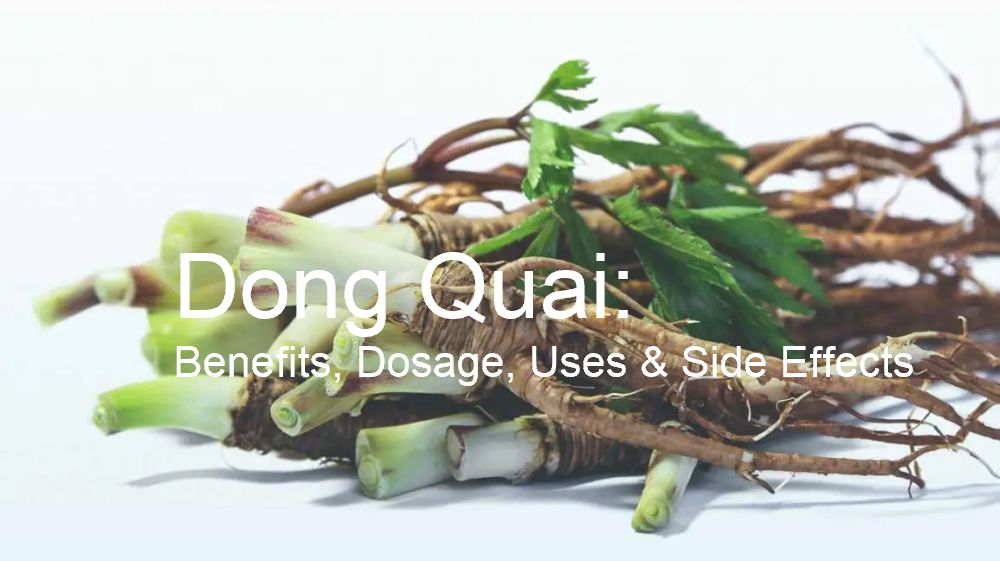
This herb is renowned for its numerous benefits, including its ability to regulate menstrual cycles and alleviate symptoms associated with menstrual disorders. Its significance in traditional practices has sparked interest in its potential health benefits.
The versatility of Dong Quai extends beyond women’s health, as it is also used to promote overall well-being. As we explore the uses and effects of this herb, it’s essential to understand its role in traditional medicine and its growing popularity in modern health practices.
Key Takeaways
- Dong Quai is a significant herb in traditional Chinese medicine.
- It is known for its benefits in addressing women’s health issues.
- The herb is used to regulate menstrual cycles and alleviate menstrual disorders.
- Dong Quai is also known as “female ginseng” due to its health benefits.
- Its uses extend beyond women’s health to promote overall well-being.
What Is Dong Quai?
Dong Quai, known scientifically as Angelica sinensis, is a herb deeply rooted in traditional Chinese medicine. It is often referred to as the “female ginseng” due to its numerous benefits for women’s health.
Origin and History
Dong Quai has its origins in China, where it has been used for centuries. Its history is intertwined with traditional Chinese medicine, where it is valued for its therapeutic properties.
The “Female Ginseng” of Chinese Medicine
Dong Quai earned the nickname “female ginseng” because of its use in treating various gynecological conditions. It is believed to have a positive effect on menstrual issues and is often used to regulate menstrual cycles.
Cultural Significance
In Chinese culture, Dong Quai is considered a vital herb for women’s health. It is used not only for its medicinal properties but also for its symbolic significance, representing vitality and femininity.
Chemical Composition
The chemical composition of Dong Quai includes various active compounds that contribute to its health benefits. Key components include ferulic acid and polysaccharides, which are known for their antioxidant properties.
Active Compounds
The active compounds in Dong Quai are responsible for its therapeutic effects. These compounds work synergistically to provide the herb’s health benefits.
Ferulic Acid and Polysaccharides
Ferulic acid in Dong Quai is known for its antioxidant properties, while polysaccharides contribute to its immune-modulating effects. Together, they enhance the herb’s overall efficacy.
| Component | Function |
|---|---|
| Ferulic Acid | Antioxidant properties |
| Polysaccharides | Immune-modulating effects |
| Active Compounds | Therapeutic effects |
The Traditional Uses of Dong Quai
In the practice of Traditional Chinese Medicine, Dong Quai is revered for its ability to tonify the blood and balance the body’s energy. This herb has been used for centuries to address various health concerns, particularly those related to women’s health.
Role in Traditional Chinese Medicine
Dong Quai, or Radix Angelica Sinensis, is a fundamental component of Traditional Chinese Medicine, where it is valued for its blood-tonifying properties. The concept of blood tonification is central to TCM, as it involves nourishing and harmonizing the body’s blood to promote overall health.
Blood Tonification Principles
In TCM, blood tonification is based on the principle that the quality and quantity of blood are crucial for maintaining health. Dong Quai is used to nourish the blood, improve circulation, and regulate menstrual disorders. Its active compounds are believed to enhance the production of red blood cells and improve blood flow.
Formulations with Other Herbs
Dong Quai is often used in combination with other herbs to enhance its therapeutic effects. Common formulations include Dong Quai with Rehmannia glutinosa to enhance blood tonification, and with Paeonia lactiflora to regulate menstrual pain.
| Herb | Combination Purpose | Effect |
|---|---|---|
| Dong Quai + Rehmannia | Enhance blood tonification | Nourishes blood, improves anemia |
| Dong Quai + Paeonia | Regulate menstrual pain | Relieves menstrual cramps, balances hormones |
Historical Applications
Historically, Dong Quai has been used to address a range of health issues, with a significant focus on women’s health. It has been employed to regulate menstrual cycles, alleviate menstrual pain, and manage symptoms associated with menopause.
Women’s Health Remedies
Dong Quai has been traditionally used to treat various gynecological disorders, including irregular menstruation, amenorrhea, and dysmenorrhea. Its ability to tonify the blood and regulate menstrual cycles makes it a valuable herb in TCM for women’s health.
General Health Applications
Beyond women’s health, Dong Quai has been used to improve overall vitality and well-being. It is believed to enhance cardiovascular health, reduce inflammation, and promote immune function.
Potential Health Benefits of Dong Quai
For centuries, Dong Quai has been utilized for its medicinal properties, especially in supporting women’s health. This traditional Chinese medicine has been celebrated for its ability to promote overall health, with a special focus on women’s health concerns.
Women’s Health Benefits
Dong Quai is particularly noted for its benefits in women’s health, addressing various issues related to menstrual health and menopause.
Menstrual Cycle Regulation
Dong Quai is believed to help regulate menstrual cycles, making it a potential natural remedy for women experiencing irregular periods. Its effects on the uterus are thought to help normalize menstrual flow and reduce associated discomfort.
PMS Symptom Relief
The herb is also used to alleviate symptoms of Premenstrual Syndrome (PMS), including cramps, bloating, and mood swings. By potentially reducing these symptoms, Dong Quai can improve the quality of life for many women.
Menopause Symptom Relief
Dong Quai is often used to help manage menopause symptoms, providing relief from hot flashes, night sweats, and mood stabilization.
Hot Flashes and Night Sweats
By potentially reducing the frequency and severity of hot flashes and night sweats, Dong Quai can help women navigate this significant life transition more comfortably.
Mood Stabilization
Mood swings are common during menopause, and Dong Quai is believed to help stabilize mood, reducing the emotional ups and downs associated with this phase.
Other Potential Benefits
Beyond women’s health, Dong Quai is thought to have other benefits, including enhancing blood circulation and supporting the immune system.
Blood Circulation Enhancement
Dong Quai is believed to improve blood circulation, which can have various health benefits, including potentially reducing inflammation and improving overall cardiovascular health.
Immune System Support
The herb is also thought to support the immune system, helping the body to defend against infections and diseases more effectively.
Scientific Evidence Behind Dong Quai
A comprehensive understanding of Dong Quai’s effects on human health requires an examination of the existing scientific literature. This involves analyzing data from various types of studies to assess the herb’s efficacy and safety.
Clinical Studies and Research
Clinical studies on Dong Quai have employed different methodologies to investigate its potential health benefits. These studies can be categorized into in vitro, animal, and human clinical trials.
In Vitro and Animal Studies
In vitro studies have demonstrated that Dong Quai extracts possess anti-inflammatory and antioxidant properties. Animal studies have further suggested that the herb may have beneficial effects on cardiovascular health and menstrual regulation.
Human Clinical Trials
Human clinical trials have investigated Dong Quai’s efficacy in alleviating menopausal symptoms and improving women’s health. While some studies have reported positive outcomes, others have found limited evidence to support its use.
Limitations in Research
Despite the growing body of research on Dong Quai, there are several limitations that need to be addressed. These include methodological issues and gaps in current knowledge.
Methodological Issues
Many studies on Dong Quai have been criticized for their methodological flaws, including small sample sizes and inadequate control groups. These limitations can affect the reliability and generalizability of the findings.
Gaps in Current Knowledge
There are still significant gaps in our understanding of Dong Quai’s effects on human health. Further research is needed to fully elucidate its mechanisms of action, optimal dosages, and potential interactions with other medications.
How Dong Quai Works in the Body
Understanding how Dong Quai works in the body is crucial for appreciating its potential health benefits and therapeutic applications. Dong Quai’s effects on the body are multifaceted, involving complex interactions with various physiological systems.
Interaction with Hormones
Dong Quai is known to interact with the hormonal system, which is central to its traditional use in treating various health conditions, particularly those related to women’s health.
Estrogenic Activity Debate
There has been ongoing debate regarding Dong Quai’s estrogenic activity. Some studies suggest that it may have mild estrogen-like effects, while others argue that its benefits are not directly related to estrogenic activity.
“The estrogenic activity of Dong Quai remains a topic of discussion among researchers, with some attributing its therapeutic effects to phytoestrogens.”
Hormonal Balancing Effects
Regardless of its estrogenic activity, Dong Quai is believed to have a balancing effect on hormones, which can help alleviate symptoms associated with menstrual irregularities and menopause.
Effects on Blood Circulation
In addition to its hormonal effects, Dong Quai is also known to influence blood circulation, which is vital for overall health and well-being.
Vasodilation Properties
Dong Quai is thought to have vasodilation properties, which can help improve blood flow and potentially lower blood pressure.
Anti-inflammatory Mechanisms
The herb is also believed to possess anti-inflammatory properties, which can contribute to its therapeutic effects by reducing inflammation in the body.
| Mechanism | Description | Potential Benefit |
|---|---|---|
| Interaction with Hormones | Influences hormonal balance | Relief from menstrual and menopausal symptoms |
| Vasodilation | Improves blood flow | Enhanced circulation, potentially lower blood pressure |
| Anti-inflammatory | Reduces inflammation | Relief from inflammatory conditions |
Proper Dosage and Administration
Understanding the proper dosage and administration of Dong Quai is crucial for maximizing its health benefits. Dong Quai can be consumed in various forms, each with its own recommended dosage.
Different Forms of Dong Quai
Dong Quai is available in multiple forms, catering to different preferences and needs.
Capsules and Tablets
Capsules and tablets offer a convenient way to consume Dong Quai. Typical dosages range from 500 mg to 1500 mg per day.
Tinctures and Extracts
Tinctures and extracts are concentrated forms of Dong Quai. The usual dosage is between 20-40 drops, taken three times a day.
Teas and Decoctions
Teas and decoctions are traditional methods of consuming Dong Quai. The recommended dosage is 1-2 cups per day.
Recommended Dosages
The ideal dosage of Dong Quai can vary based on individual health needs and goals.
Standard Guidelines
Standard guidelines suggest starting with a low dose and gradually increasing as needed.
Adjusting for Individual Needs
It’s essential to consult with a healthcare professional to adjust the dosage according to individual health requirements.
Duration of Use
The duration for which Dong Quai can be safely used varies.
Short-term vs. Long-term Use
Short-term use is generally considered safe, while long-term use should be monitored by a healthcare professional.
Cycling Recommendations
Cycling Dong Quai, such as taking it for 3 months followed by a 1-month break, can help maintain its efficacy.
As noted by a practitioner, “Dong Quai’s effectiveness is highly dependent on the correct dosage and administration method.”
“The key to benefiting from Dong Quai lies in understanding its various forms and adjusting the dosage accordingly.”
| Form | Typical Dosage | Frequency |
|---|---|---|
| Capsules/Tablets | 500-1500 mg | Daily |
| Tinctures/Extracts | 20-40 drops | Three times a day |
| Teas/Decoctions | 1-2 cups | Daily |
Side Effects and Safety Concerns
While Dong Quai is generally considered safe, it’s essential to be aware of its potential side effects. As with any herbal supplement, individual reactions can vary, and some people may experience adverse effects.
Common Side Effects
Dong Quai can cause several common side effects, including digestive issues and skin reactions. These side effects are typically mild but can be uncomfortable.
Digestive Issues
Some individuals may experience digestive issues such as bloating, gas, or stomach discomfort when taking Dong Quai. These symptoms are usually temporary and may subside as the body adjusts to the supplement.
Skin Reactions
Skin reactions, including rashes or itching, can occur in some people taking Dong Quai. If you experience any skin-related issues, it’s recommended to discontinue use and consult a healthcare professional.
Serious Adverse Reactions
While rare, serious adverse reactions can occur with Dong Quai use. It’s crucial to be aware of these potential risks to ensure safe consumption.
Bleeding Risks
Dong Quai may increase the risk of bleeding, particularly in individuals taking anticoagulant medications. If you’re on blood thinners or have a bleeding disorder, consult your doctor before using Dong Quai.
Photosensitivity
Some components in Dong Quai may cause photosensitivity, making your skin more sensitive to sunlight. To minimize this risk, use protective measures such as sunscreen and clothing when outdoors.
Safety During Pregnancy and Breastfeeding
The safety of Dong Quai during pregnancy and breastfeeding is a concern. It’s essential to understand the potential risks to make informed decisions.
Pregnancy Concerns
Dong Quai may stimulate the uterus, potentially causing contractions. Pregnant women should avoid using Dong Quai, especially during the first trimester, unless advised otherwise by a healthcare provider.
Lactation Considerations
There is limited research on the safety of Dong Quai during breastfeeding. As a precaution, nursing mothers should consult their healthcare provider before using Dong Quai.
| Side Effect | Severity | Precautions |
|---|---|---|
| Digestive Issues | Mild | Monitor symptoms, adjust dosage |
| Skin Reactions | Mild to Moderate | Discontinue use, consult healthcare provider |
| Bleeding Risks | Serious | Avoid if on anticoagulants, consult doctor |
| Photosensitivity | Moderate | Use sunscreen, protective clothing |
Drug Interactions and Contraindications
To use Dong Quai safely, it’s vital to comprehend its potential interactions with other medications and its contraindications. Dong Quai can affect how certain drugs work in the body, and similarly, certain medications can influence its efficacy and safety.
Medications That Interact with Dong Quai
Dong Quai is known to interact with various medications, potentially leading to adverse effects. Two significant categories of drugs that interact with Dong Quai are blood thinners/anticoagulants and hormone therapies.
Blood Thinners and Anticoagulants
Dong Quai may enhance the effects of blood thinners and anticoagulants, such as warfarin, aspirin, and heparin, potentially increasing the risk of bleeding. Users of these medications should consult their healthcare provider before using Dong Quai.
Hormone Therapies
Dong Quai can interact with hormone therapies, including birth control pills and hormone replacement therapy, due to its potential estrogenic effects. This interaction may lead to changes in menstrual cycles or affect the efficacy of these therapies.
Who Should Avoid Dong Quai
Certain individuals should avoid using Dong Quai due to potential health risks. This includes people with specific medical conditions and those preparing for surgery.
Medical Conditions
Individuals with bleeding disorders, hormone-sensitive cancers, or those who are pregnant or breastfeeding should avoid Dong Quai. The herb may exacerbate bleeding disorders and interact with conditions sensitive to estrogen.
Before Surgery
It is recommended to stop using Dong Quai at least 2 weeks before any surgical procedure due to its potential to increase the risk of bleeding.
| Medication/Condition | Potential Interaction/Risk | Precaution |
|---|---|---|
| Blood Thinners/Anticoagulants | Increased risk of bleeding | Consult healthcare provider |
| Hormone Therapies | Changes in menstrual cycles or efficacy | Monitor hormone levels and effects |
| Bleeding Disorders | Exacerbation of condition | Avoid using Dong Quai |
| Surgery | Increased risk of bleeding | Stop use at least 2 weeks prior |
Conclusion
Dong Quai, a traditional Chinese medicine herb, has been used for centuries to promote women’s health and alleviate various symptoms. The benefits of Dong Quai are multifaceted, ranging from relieving menstrual cramps and menopause symptoms to improving overall well-being.
When considering Dong Quai safety, it’s essential to be aware of potential interactions with medications and contraindications. Individuals should consult with a healthcare professional before adding Dong Quai to their regimen, especially if they have underlying medical conditions or are taking prescription medications.
The role of Dong Quai in traditional Chinese medicine is significant, as it is believed to harmonize the body’s energy and promote balance. As research continues to uncover the effects of Dong Quai on women’s health, its potential benefits are becoming increasingly recognized.
In summary, Dong Quai is a valuable herb with a rich history in traditional Chinese medicine. By understanding its benefits, safety profile, and potential interactions, individuals can make informed decisions about incorporating Dong Quai into their health and wellness routine.
FAQ
What is Dong Quai used for?
Dong Quai, also known as Angelica sinensis, is traditionally used to address various women’s health issues, including menstrual cramps, irregular menstrual cycles, and menopausal symptoms. It is also used to enhance blood circulation and support overall health.
How does Dong Quai help with menstrual cramps?
Dong Quai is believed to help alleviate menstrual cramps by relaxing the uterine muscles and improving blood flow. Its anti-inflammatory properties may also contribute to reducing pain and discomfort associated with menstrual cramps.
Can Dong Quai help with menopausal symptoms?
Yes, Dong Quai is often used to relieve menopausal symptoms such as hot flashes and night sweats. Its potential estrogenic activity may help stabilize hormonal fluctuations, providing relief from these symptoms.
What are the potential side effects of using Dong Quai?
Common side effects of Dong Quai include digestive issues and skin reactions. More serious adverse reactions can include bleeding risks due to its effect on blood clotting and photosensitivity. It is essential to consult a healthcare provider before using Dong Quai, especially if you have underlying medical conditions or are taking medications.
Can I take Dong Quai if I’m on blood thinners or hormone therapies?
If you are taking blood thinners or hormone therapies, it is crucial to consult your healthcare provider before using Dong Quai. Dong Quai may interact with these medications, potentially increasing the risk of bleeding or affecting hormone levels.
Is Dong Quai safe during pregnancy and breastfeeding?
The safety of Dong Quai during pregnancy and breastfeeding is a concern. It is generally advised to avoid using Dong Quai during the first three months of pregnancy due to its potential effects on the uterus and blood clotting. Breastfeeding women should also consult their healthcare provider before using Dong Quai.
How should I take Dong Quai?
Dong Quai is available in various forms, including capsules, tablets, tinctures, extracts, teas, and decoctions. The recommended dosage can vary depending on the form and individual needs. It is best to follow the recommended guidelines and consult a healthcare provider for personalized advice.
Can Dong Quai be used long-term?
The duration of Dong Quai use can vary. While some people use it short-term for specific health issues, others may use it long-term under the guidance of a healthcare provider. Cycling recommendations may apply to avoid potential side effects and maintain efficacy.