Ginger has been a staple in traditional medicine for centuries, valued for its numerous health benefits and versatility in culinary applications.
This remarkable root is not only a flavorful addition to various dishes but also offers a range of nutritional benefits, making it a popular ingredient in health supplements.
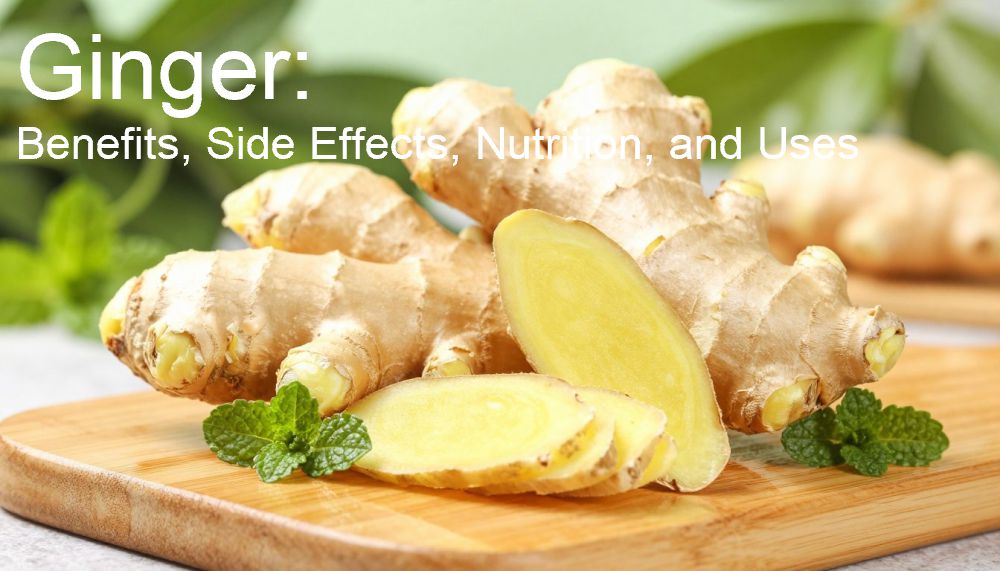
From alleviating nausea to reducing inflammation, the effects of ginger are multifaceted, contributing to its widespread use in different cultures.
As we explore the benefits, side effects, nutrition, and uses of ginger, it becomes clear why this root remains a significant component of holistic health practices.
Key Takeaways
- Discover the nutritional value of ginger and its impact on overall health.
- Learn about the various uses of ginger in cooking and health supplements.
- Understand the potential side effects of consuming ginger.
- Explore the benefits of ginger root in traditional medicine.
- Find out how ginger supplements can support your health regimen.
What is Ginger?
Ginger is a widely used spice with a rich history and numerous health benefits. It is derived from the root of the ginger plant, which is native to Southeast Asia. The ginger plant is a tropical perennial that belongs to the Zingiberaceae family.
Origin and History of Ginger
Ginger has been used for centuries in traditional medicine and cooking. Its origin dates back to ancient China and India, where it was valued for its medicinal and culinary properties. The history of ginger is rich and diverse, with records of its use in various cultures, including ancient Greece and Rome.
“Ginger has been used in traditional Chinese medicine for over 2,000 years, where it’s believed to have a warming effect on the body.”
The Ginger Plant and Its Characteristics
The ginger plant is characterized by its thick, tuberous root, which is the part commonly used. The plant grows up to 3 feet tall, with long, narrow leaves and white or yellow flowers. The root is harvested when it is mature and can be used fresh, dried, or in powdered form.
| Characteristics | Description |
|---|---|
| Root | Thick, tuberous, used for medicinal and culinary purposes |
| Leaves | Long, narrow, green |
| Flowers | White or yellow, less commonly seen |
Ginger’s unique characteristics make it a versatile ingredient in both cooking and traditional medicine. Its medicinal properties are attributed to compounds like gingerol and shogaol, which have anti-inflammatory effects.
Nutritional Profile of Ginger
Ginger is a nutrient-rich root that offers numerous health benefits due to its rich nutritional profile. It is an excellent source of essential nutrients and bioactive compounds that contribute to its medicinal properties.
Essential Nutrients in Ginger
Ginger is rich in vitamins and minerals, including vitamin C, magnesium, and potassium. These nutrients play a crucial role in maintaining overall health and well-being. Vitamin C in ginger helps boost the immune system, while magnesium and potassium support heart health.
Bioactive Compounds in Ginger
The bioactive compounds in ginger are responsible for its health benefits. These compounds include:
- Gingerols
- Shogaols
- Paradols
- Zingerone
Gingerols and Shogaols
Gingerols and shogaols are the most significant bioactive compounds in ginger. Gingerols are responsible for the root’s anti-inflammatory properties, while shogaols have antioxidant effects.
Other Active Components
Other active components in ginger include paradols and zingerone. These compounds have been shown to have anti-inflammatory and antioxidant properties, contributing to ginger’s health benefits.
Ginger’s nutritional profile makes it a valuable addition to a healthy diet. Its rich content of essential nutrients and bioactive compounds contributes to its numerous health benefits.
Health Benefits of Ginger
Ginger has been a cornerstone in traditional medicine for centuries, offering a multitude of health benefits that have been validated by modern science. Its versatility and nutritional profile make it a valuable addition to a healthy lifestyle.
Anti-Inflammatory Properties
Ginger contains compounds like gingerol, which have potent anti-inflammatory properties. These properties can help reduce pain and inflammation, making ginger a potential natural remedy for conditions like arthritis. Studies have shown that ginger can decrease inflammation by inhibiting the production of pro-inflammatory cytokines.
Antioxidant Effects
The antioxidant effects of ginger are another significant health benefit. Antioxidants help protect the body from oxidative stress, which can lead to chronic diseases like heart disease and cancer. Ginger’s antioxidant properties can also contribute to healthier skin and improved overall well-being.
“Ginger has been used for centuries in traditional medicine, and its benefits are now being recognized by modern science.”
Digestive Health Benefits
Ginger has long been used to aid digestion and alleviate nausea. Its digestive health benefits include reducing symptoms of nausea and vomiting, improving gut motility, and enhancing the absorption of nutrients. Ginger may help alleviate morning sickness in pregnant women and motion sickness in travelers.
Immune System Support
Ginger’s immune system support is attributed to its antimicrobial and antiviral properties. Regular consumption of ginger can help boost the immune system, protecting against infections and potentially reducing the severity of colds and flu. Ginger benefits the immune system by enhancing the body’s natural defense mechanisms.
Incorporating ginger into your diet can be a simple and effective way to enhance your overall health. Whether consumed fresh, dried, or as a supplement, ginger offers a range of health benefits that make it a valuable addition to a healthy lifestyle.
Ginger for Nausea and Vomiting
Ginger has been widely used for centuries to alleviate nausea and vomiting, making it a potential natural remedy for various conditions. Its effectiveness in addressing these symptoms has been observed in several contexts, including morning sickness, motion sickness, and nausea associated with post-surgery and chemotherapy.
Morning Sickness Relief
For pregnant women experiencing morning sickness, ginger may offer a safe and effective solution. Studies have shown that ginger can help reduce the severity of nausea and vomiting during pregnancy. It’s essential for pregnant women to consult their healthcare provider before using ginger as a remedy.
Motion Sickness Prevention
Ginger has also been found to be beneficial in preventing motion sickness. The active compounds in ginger may help stabilize the stomach and reduce the conflicting signals sent to the brain that can cause motion sickness. Consuming ginger before traveling may help alleviate these symptoms.
Post-Surgery and Chemotherapy Nausea
Patients undergoing surgery or chemotherapy often experience nausea and vomiting as a side effect. Ginger has been studied as a potential adjunct therapy to help manage these symptoms. While more research is needed, preliminary findings suggest that ginger may help reduce the incidence and severity of nausea and vomiting in these contexts.
In conclusion, ginger’s versatility and potential benefits make it a valuable natural remedy for nausea and vomiting across various scenarios. As with any supplement or remedy, it’s crucial to consult with a healthcare professional before using ginger, especially for individuals with underlying health conditions or those taking medications.
Ginger and Pain Management
The use of ginger for pain management has gained significant attention due to its anti-inflammatory properties. Ginger contains bioactive compounds like gingerol, which have been shown to reduce pain and inflammation.
Menstrual Pain Relief
Ginger has been found to be effective in relieving menstrual pain. Studies have shown that ginger can reduce the severity of menstrual cramps, likely due to its anti-inflammatory effects. Consuming ginger during menstruation can help alleviate discomfort and improve quality of life.
A study comparing the efficacy of ginger and mefenamic acid (a common pain reliever for menstrual cramps) found that ginger was equally effective in reducing pain.
Muscle Pain and Soreness
Ginger is also beneficial for muscle pain and soreness. Its anti-inflammatory properties help reduce muscle inflammation, thereby alleviating pain. Ginger can be consumed in various forms, including tea, capsules, or added to food, making it a versatile remedy.
| Pain Type | Ginger’s Benefits | Form of Ginger |
|---|---|---|
| Menstrual Pain | Reduces cramp severity | Tea, Capsules |
| Muscle Soreness | Reduces inflammation | Raw, Cooked, Supplements |
Ginger for Heart Health
Ginger, a spice with a long history of culinary and medicinal use, is now being studied for its heart health benefits. The potential of ginger to support cardiovascular well-being is gaining attention due to its nutritional and bioactive properties.
Cholesterol Management
Ginger has been found to have a positive impact on cholesterol levels, which is crucial for maintaining heart health. Studies suggest that ginger can help in reducing LDL (bad) cholesterol and triglycerides, while potentially increasing HDL (good) cholesterol. This balancing effect on cholesterol levels can contribute to a reduced risk of heart disease.
The active compounds in ginger, such as gingerols and shogaols, are believed to be responsible for its cholesterol-lowering effects. Regular consumption of ginger, either through diet or supplements, may be a useful addition to a heart-healthy lifestyle.
Blood Pressure Regulation
High blood pressure is a significant risk factor for cardiovascular disease, and ginger has been investigated for its potential to help regulate blood pressure. The anti-inflammatory properties of ginger may help in relaxing blood vessels and improving blood flow, which can contribute to lowering blood pressure.
Furthermore, ginger’s antioxidant properties can help protect against oxidative stress, which is linked to the development of hypertension. Incorporating ginger into one’s diet may be a beneficial strategy for maintaining healthy blood pressure levels.
Ginger and Diabetes Management
Research into the effects of ginger on diabetes has yielded promising results, indicating a possible complementary approach to traditional treatments. Ginger has been used for centuries in traditional medicine, and its potential benefits in managing diabetes are now being explored in modern research.
Blood Sugar Control
One of the key areas where ginger shows promise is in blood sugar control. Studies have indicated that ginger can help reduce fasting blood glucose levels and improve overall glycemic control. This is crucial for individuals with diabetes, as maintaining stable blood sugar levels can prevent complications associated with the disease.
- Ginger’s anti-inflammatory properties may contribute to its beneficial effects on blood sugar control.
- The active compounds in ginger, such as gingerol, may enhance insulin sensitivity and glucose uptake in cells.
Insulin Sensitivity
Ginger may also play a role in enhancing insulin sensitivity. Improved insulin sensitivity means that the body’s cells are better able to use insulin, reducing the risk of developing insulin resistance and type 2 diabetes. Some studies suggest that ginger extracts can increase insulin sensitivity, although more research is needed to fully understand the mechanisms involved.
- Ginger’s antioxidant properties may help reduce oxidative stress, which is associated with insulin resistance.
- Regular consumption of ginger may help improve pancreatic function and insulin secretion.
Ginger and Weight Management
The quest for effective weight loss strategies often leads to the exploration of natural ingredients, with ginger being a prime candidate. Ginger has been traditionally used for its medicinal properties, and recent studies have begun to uncover its potential benefits in weight management.
Metabolism Boosting Effects
Ginger is believed to have a thermogenic effect, which can help boost metabolism. A faster metabolism can aid in burning calories more efficiently, potentially leading to weight loss. Ginger’s active compounds, such as gingerol, play a crucial role in this process. Research suggests that ginger can enhance metabolic rate, contributing to its weight management benefits.
Appetite Regulation
Another way ginger may aid in weight management is by regulating appetite. Some studies indicate that ginger can help reduce hunger and increase feelings of fullness, making it easier to manage calorie intake.
“Ginger’s ability to influence appetite and satiety hormones could be a key factor in its weight loss effects.”
To illustrate the potential benefits of ginger for weight management, consider the following comparison:
| Aspect | Ginger Consumption | Control Group |
|---|---|---|
| Metabolic Rate | Increased | No Change |
| Appetite | Reduced | No Change |
Different Forms of Ginger
From fresh roots to powdered spice, ginger’s diverse forms make it accessible to everyone. This versatility allows individuals to choose the form that best suits their needs, whether for culinary, medicinal, or convenience purposes.
Fresh Ginger Root
Fresh ginger root is a popular choice for cooking and herbal remedies. It contains a high concentration of gingerol, which is responsible for its medicinal properties. Fresh ginger can be used in teas, soups, and stir-fries, or consumed raw for its health benefits.
Dried and Ground Ginger
Dried and ground ginger is a convenient alternative to fresh ginger, with a longer shelf life. The drying process concentrates the flavor and aroma, making it a potent spice for baking and cooking. Ground ginger is also used in supplements and teas.
Ginger Supplements and Extracts
Ginger supplements and extracts offer a concentrated dose of ginger’s active compounds. These are available in capsule, tablet, or liquid form, making it easy to incorporate ginger into a daily health routine. Supplements are particularly useful for those who find the taste of fresh ginger too strong.
Ginger Tea and Other Beverages
Ginger tea is a soothing and effective way to enjoy the benefits of ginger. It can be made from fresh ginger, dried ginger, or ginger tea bags. Other ginger beverages, such as ginger ale and ginger beer, are also popular, although they may contain less actual ginger than homemade preparations.
How to Use Ginger
Ginger is a versatile root that can be used in various ways to enhance health and culinary experiences. Its unique flavor and medicinal properties make it a valuable addition to a wide range of applications.
Culinary Uses
Ginger adds flavor and nutrition to various dishes, from savory meals to sweet baked goods. It can be used fresh, dried, or ground, making it a versatile ingredient in many cuisines.
Cooking with Fresh Ginger
Fresh ginger can be sliced, minced, or grated and added to stir-fries, soups, and sauces, enhancing both flavor and nutritional value.
Baking with Ground Ginger
Ground ginger is commonly used in baked goods, such as gingerbread, cookies, and cakes, providing a warm, spicy flavor.
Medicinal Preparations
Ginger can be consumed as a tea, supplement, or extract to leverage its health benefits, including anti-inflammatory and antioxidant effects.
Topical Applications
Ginger can be applied topically in the form of creams or oils to relieve pain and reduce inflammation.
| Form of Ginger | Common Uses |
|---|---|
| Fresh Ginger | Cooking, teas |
| Dried/Ground Ginger | Baking, spice blends |
| Ginger Supplements/Extracts | Health supplements, medicinal preparations |
| Ginger Creams/Oils | Topical pain relief |
Side Effects and Precautions of Ginger
Understanding the potential side effects and precautions of ginger is essential for safe consumption. While ginger is generally considered safe, there are certain considerations to be aware of when consuming it, especially in large quantities or over extended periods.
Common Side Effects
Ginger can cause some common side effects, including heartburn, diarrhea, and stomach discomfort. These side effects are typically mild and temporary, but they can be uncomfortable. To minimize these effects, it’s recommended to start with small amounts and gradually increase the dosage.
Drug Interactions
Ginger may interact with certain medications, including blood thinners, diabetes medications, and blood pressure medications. If you’re taking any prescription medications, it’s crucial to consult with your healthcare provider before consuming ginger regularly, as it may enhance or interfere with the effects of these medications.
Who Should Avoid Ginger
Certain individuals should avoid or limit ginger consumption, including those with bleeding disorders, as ginger may increase the risk of bleeding. Pregnant women, especially those close to term, should also consult their healthcare provider due to ginger’s potential effects on uterine contractions.
| Precaution | Description |
|---|---|
| Bleeding Disorders | Ginger may increase the risk of bleeding in individuals with bleeding disorders. |
| Pregnancy | Pregnant women, especially those close to term, should consult their healthcare provider. |
| Medication Interactions | Ginger may interact with blood thinners, diabetes medications, and blood pressure medications. |
Conclusion
Ginger has been a cornerstone in traditional medicine for centuries, and its benefits extend far beyond its culinary uses. As discussed, ginger offers a multitude of health benefits, from anti-inflammatory properties and antioxidant effects to digestive health benefits and immune system support.
Using ginger in various forms, such as fresh, dried, or as a supplement, can be an effective way to incorporate its benefits into daily life. Whether it’s for nausea relief, pain management, or supporting heart health, ginger has proven to be a versatile and natural remedy.
While ginger is generally considered safe, it’s essential to be aware of potential side effects and precautions. Certain individuals, such as those with specific health conditions or taking particular medications, should exercise caution when consuming ginger.
In conclusion, the health benefits of ginger are undeniable, and when used responsibly, it can be a valuable addition to a healthy lifestyle. By understanding the safety of ginger and incorporating it into daily routines, individuals can harness its numerous benefits and promote overall well-being.
FAQ
What are the health benefits of ginger?
Ginger has numerous health benefits, including anti-inflammatory properties, antioxidant effects, digestive health benefits, and immune system support. It may also help alleviate nausea and vomiting, manage pain, support heart health, and aid in diabetes management.
How much ginger should I consume daily?
The recommended daily dose of ginger varies, but typically ranges from 1-5 grams. Consuming high doses of ginger may cause side effects, so it’s essential to start with a small amount and adjust as needed.
Can ginger help with nausea and vomiting?
Yes, ginger has been shown to be effective in alleviating nausea and vomiting, particularly for morning sickness, motion sickness, and post-surgery and chemotherapy nausea.
Is ginger safe to consume during pregnancy?
While ginger is generally considered safe, pregnant women should consult their healthcare provider before consuming ginger, especially in large quantities or as a supplement.
Can ginger interact with medications?
Yes, ginger may interact with certain medications, such as blood thinners, diabetes medications, and blood pressure medications. It’s crucial to consult with a healthcare professional before consuming ginger, especially if you’re taking medications.
What are the different forms of ginger?
Ginger is available in various forms, including fresh ginger root, dried and ground ginger, ginger supplements and extracts, and ginger tea and other beverages.
How can I incorporate ginger into my diet?
You can add fresh ginger to your cooking, make ginger tea, or take ginger supplements. You can also use ground ginger in baking and cooking.
Are there any side effects of consuming ginger?
While ginger is generally considered safe, high doses may cause side effects such as heartburn, stomach upset, and diarrhea. It’s essential to be aware of these potential side effects and adjust your consumption accordingly.
Can ginger help with weight management?
Yes, ginger may aid in weight management by boosting metabolism and regulating appetite. However, more research is needed to confirm its effectiveness.
Is ginger a suitable replacement for medical treatment?
No, ginger should not be used as a replacement for medical treatment. While it may have various health benefits, it’s essential to consult with a healthcare professional before using ginger as a treatment for any medical condition.