Discover the vibrant world of red peppers, a staple ingredient in many cuisines, particularly known for their sweet flavor and crunchy texture. Not only do they add a burst of color to any dish, but they are also packed with vitamin C and antioxidants, making them a nutritious addition to a healthy diet.
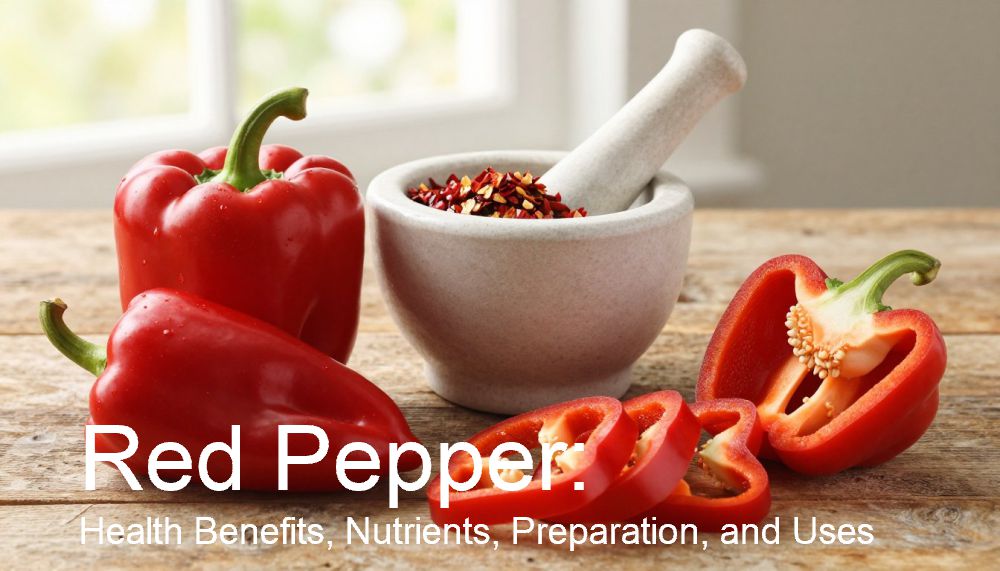
Bell peppers, as they are also known, are versatile and can be used in a variety of preparations, from raw in salads to cooked in stir-fries. Their health benefits are numerous, contributing to a balanced diet rich in nutrients. Whether you’re looking to enhance your meals or boost your nutrient intake, understanding the uses and preparation methods of red peppers is essential.
Key Takeaways
- Red peppers are rich in vitamin C and antioxidants.
- They are versatile and can be used in various dishes.
- Bell peppers contribute to a balanced diet.
- Understanding their uses and preparation is key to benefiting from them.
- Red peppers add nutritional value and flavor to meals.
What Are Red Peppers?
Red peppers, often referred to as bell peppers, are a type of sweet pepper that comes in a variety of shapes and sizes. They are technically a fruit, but are commonly used as a vegetable in cooking. Red peppers are known for their sweet, slightly tangy flavor and crunchy texture, making them a popular addition to salads, stir-fries, and other dishes.
The term “red peppers” can refer to both sweet and hot peppers, but in the context of this article, we will focus primarily on sweet red peppers, particularly red bell peppers. These peppers are characterized by their glossy exterior and tender interior. They are a rich source of essential nutrients, including vitamins and antioxidants.
Red Bell Peppers vs. Other Red Peppers
While all red bell peppers are red peppers, not all red peppers are bell peppers. Red peppers encompass a broad category that includes both sweet peppers, like bell peppers, and hot peppers, such as red chili peppers. Red bell peppers are distinguished by their sweet flavor and lack of heat, making them ideal for snacking, salads, and cooking. In contrast, other types of red peppers, like red jalapeño or red habanero, are known for their spicy heat.
- Red bell peppers are sweet and mild.
- Other red peppers can be sweet or hot.
- The heat level varies significantly among different types of red peppers.
Varieties of Red Bell Peppers
Red bell peppers come in various shapes and sizes, ranging from the compact, blocky types to the more elongated varieties. Some popular varieties include:
- California Wonder: Known for its large, blocky shape and sweet flavor.
- Red Beauty: A variety that is prized for its vibrant red color and tender flesh.
- Red King: A hybrid variety that is resistant to certain diseases and has a high yield.
These varieties offer different characteristics that can suit various culinary needs and preferences.
The Nutritional Profile of Red Peppers
The nutritional profile of red peppers reveals a wealth of vitamins, minerals, and antioxidants. Red peppers are an excellent addition to a healthy diet due to their rich nutrient content.
Vitamins and Minerals
Red peppers are particularly rich in various vitamins and minerals. They are an excellent source of vitamin C and also contain other essential nutrients.
Vitamin C Content
Red peppers are one of the highest vegetable sources of vitamin C, with a single cup providing over 100% of the recommended daily intake. Vitamin C is crucial for immune function and overall health.
Other Essential Nutrients
In addition to vitamin C, red peppers contain vitamin B6, vitamin A, and potassium. These nutrients contribute to various bodily functions, including energy metabolism and heart health.
Antioxidants and Phytonutrients
Red peppers are rich in antioxidants and phytonutrients, which help protect cells from damage and reduce inflammation.
Carotenoids in Red Peppers
Red peppers owe their vibrant color to carotenoids, particularly lycopene and beta-carotene. These compounds have been linked to reduced risk of certain cancers and heart disease.
Other Beneficial Compounds
Red peppers also contain other beneficial compounds, including flavonoids and capsicum annuum compounds, which may have anti-inflammatory properties.
Caloric Content and Macronutrients
Red peppers are low in calories and rich in fiber, making them a nutritious choice for those managing their weight. They contain minimal fat and protein but are rich in carbohydrates.
Red Pepper Health Benefits
Red peppers are packed with nutrients that provide several health benefits, from supporting the immune system to promoting heart health. Their high nutritional value makes them an excellent addition to a healthy diet.
Immune System Support
Red peppers are rich in vitamin C, which plays a crucial role in supporting the immune system. A robust immune system is essential for fighting off infections and diseases. The vitamin C in red peppers helps to stimulate the production of white blood cells, which are vital for immune function.
Eye Health and Vision
The high content of antioxidants, particularly lutein and zeaxanthin, in red peppers makes them beneficial for eye health. These antioxidants help protect the eyes from damage caused by free radicals, reducing the risk of age-related macular degeneration and cataracts.
Anti-Inflammatory Properties
Red peppers contain various phytonutrients that have anti-inflammatory properties. Reducing inflammation in the body can help alleviate symptoms of conditions such as arthritis and other inflammatory diseases.
Heart Health Benefits
The fiber, vitamins, and minerals in red peppers contribute to heart health by helping to lower cholesterol levels and improve overall cardiovascular function. Regular consumption of red peppers can be part of a heart-healthy diet.
By incorporating red peppers into your meals, you can enjoy these health benefits while adding flavor and color to your dishes.
How Red Peppers Help Prevent Disease
Incorporating red peppers into your diet can be a crucial step in maintaining overall health and preventing certain diseases. Red peppers are rich in antioxidants and nutrients that have been shown to provide numerous health benefits.
Cancer-Fighting Properties
Red peppers contain various compounds that have been found to have cancer-fighting properties. The antioxidants and phytonutrients in red peppers can help protect cells from damage, reducing the risk of certain types of cancer.
Reducing Risk of Chronic Diseases
The consumption of red peppers has been associated with a reduced risk of chronic diseases, including heart disease and diabetes. The vitamins and minerals in red peppers contribute to overall health and can help mitigate the risk factors associated with these conditions.
Macular Degeneration Prevention
The high content of lutein and zeaxanthin in red peppers makes them beneficial for eye health. These compounds can help prevent macular degeneration, a condition that can lead to vision loss in older adults.
By incorporating red peppers into your diet, you can take advantage of their nutritional benefits and potentially reduce the risk of various diseases. With their versatility in cooking and numerous health benefits, red peppers are a valuable addition to a healthy diet.
Selecting and Storing Red Peppers
The key to enjoying red peppers at their best lies in selecting fresh ones and storing them correctly. Fresh red peppers not only add flavor and color to dishes but also provide numerous health benefits.
How to Choose Fresh Red Peppers
When selecting red peppers, look for ones that are firm and have a glossy appearance. Avoid peppers with soft spots or those that are wrinkled, as they may be past their prime. The stem should be green and fresh-looking.
Proper Storage Methods
Once you’ve chosen your red peppers, storing them properly is the next step. The method you choose depends on how soon you plan to use them.
Refrigeration Tips
For short-term storage, refrigeration is a good option. Place the red peppers in a plastic bag and store them in the crisper drawer of your refrigerator. This can keep them fresh for up to two weeks.
Freezing Red Peppers
If you don’t plan to use your red peppers immediately, you can freeze them for later use. Simply chop or slice the peppers, spread them out on a baking sheet, and freeze. Once frozen, transfer them to an airtight container or freezer bag for storage.
Preparing Red Peppers for Cooking
To get the most out of red peppers in your recipes, proper preparation is key. Preparing red peppers involves a few crucial steps that can enhance their flavor and texture in your dishes.
Washing and Cleaning
The first step in preparing red peppers is washing them thoroughly. Rinse the peppers under cold running water to remove any dirt or pesticide residue. Gently scrub the surface with your hands or a soft brush to ensure cleanliness. After washing, gently pat the peppers dry with a clean towel or paper towels.
Cutting Techniques
Cutting red peppers requires some technique to achieve uniform pieces. Start by placing the pepper on its side and slicing off the top and bottom. Remove the seeds and membranes, then cut along the sides to flatten the pepper. You can then slice or dice the pepper according to your recipe’s requirements. Uniform cutting ensures even cooking.
Removing Seeds and Membranes
Removing the seeds and membranes is crucial for reducing the pepper’s bitterness and making it more palatable. After cutting off the top, you can pull out the seed core and membranes. For more thorough removal, you can rinse the pepper under cold water, allowing the water to flush out any remaining seeds. This step is essential for enhancing the overall flavor of your dish.
By following these steps, you can prepare red peppers that will add flavor, texture, and nutrition to your meals. Whether you’re roasting, sautéing, or grilling, properly prepared red peppers are sure to elevate your cooking.
Cooking Methods for Red Peppers
There are several ways to cook red peppers, each method unlocking different aspects of their flavor and nutritional value. Whether you’re looking to enhance their natural sweetness or add a smoky flavor, the right cooking technique can make all the difference.
Roasting Red Peppers
Roasting red peppers brings out their sweetness and depth of flavor. To roast, place the peppers on a baking sheet, drizzle with olive oil, and roast at 425°F (220°C) until the skin is charred. After roasting, peel off the skin, remove the seeds, and use the flesh in various dishes.
Benefits of Roasting:
- Enhances natural sweetness
- Adds smoky flavor
- Easy to peel after roasting
Sautéing and Stir-Frying
Sautéing and stir-frying are quick methods that preserve the crunch and color of red peppers. Simply slice the peppers, heat some oil in a pan, and cook until they reach your desired tenderness.
| Cooking Method | Benefits |
|---|---|
| Sautéing | Quick, preserves crunch |
| Stir-Frying | Fast, retains color and nutrients |
Grilling and Broiling
Grilling and broiling add a smoky flavor to red peppers. Brush the peppers with oil and grill or broil until the skin is charred. These methods are perfect for adding a grilled or smoky flavor to dishes.
“Grilling red peppers not only adds flavor but also enhances their texture, making them a great addition to salads, sandwiches, and more.”
By applying these cooking methods, you can enjoy red peppers in a variety of dishes, from savory meals to fresh salads. Experimenting with different techniques will help you discover your favorite ways to use red peppers in your cooking.
Culinary Uses of Red Peppers
The culinary uses of red peppers are diverse, ranging from adding color to dishes to enhancing flavor profiles. Red peppers are a versatile ingredient that can be used in a variety of culinary applications, from savory dishes to sweet treats.
Red Peppers in Various Cuisines
Red peppers are a staple in many cuisines around the world, including Mediterranean, Asian, and Latin American cooking. They add a depth of flavor and a pop of color to various traditional dishes. In Mediterranean cuisine, red peppers are often roasted and used in salads, while in Asian cuisine, they are commonly stir-fried with other vegetables and spices.
Popular Dishes Featuring Red Peppers
Red peppers are a key ingredient in many popular dishes. Some examples include:
- Stuffed Red Peppers: A classic dish where red peppers are filled with a mixture of rice, meat, and spices, then baked to perfection.
- Red Pepper Sauces and Dips: Red peppers can be blended into delicious sauces and dips, adding a sweet and smoky flavor to various snacks and appetizers.
Stuffed Red Peppers
Stuffed red peppers are a hearty and flavorful dish that can be customized with various fillings, making it a versatile option for different tastes and dietary preferences.
Red Pepper Sauces and Dips
Red pepper sauces and dips are perfect for adding a burst of flavor to snacks and appetizers. They can be used as a dip for vegetables, crackers, or chips, or as a sauce to accompany grilled meats or vegetables.
Red Peppers as Garnish and Color Enhancement
Red peppers are not only used as a main ingredient but also as a garnish to add color and freshness to dishes. Thinly sliced or diced red peppers can be sprinkled over salads, soups, and other dishes to enhance their visual appeal.
Red Pepper vs. Green, Yellow, and Orange Peppers
The rainbow of bell peppers – red, green, yellow, and orange – offers a range of flavors and nutritional benefits. While they may look different, they all belong to the same pepper family, with their color changes often indicating ripeness and varying levels of nutrients.
Nutritional Differences
The nutritional profile of bell peppers changes as they ripen. Green peppers are typically harvested before they ripen and tend to be less sweet and slightly bitter. As they ripen to yellow, orange, and finally red, the sweetness increases, along with a significant boost in antioxidants and vitamins, particularly vitamin C and beta-carotene. Red peppers, having been allowed to ripen fully, contain higher levels of these nutrients compared to their green counterparts.
According to a study, red bell peppers have significantly higher vitamin C content than green bell peppers, making them an excellent choice for those looking to boost their immune system. The difference in nutritional content is not just limited to vitamins; the ripening process also affects the peppers’ phytonutrient profile.
Flavor Profiles and Culinary Applications
The flavor profile of bell peppers also changes with ripening. Green peppers have a more bitter taste, while red peppers are sweeter and slightly smoky. Yellow and orange peppers fall somewhere in between, offering a milder flavor that is both sweet and tangy. This variety in flavor profiles makes them versatile for different culinary applications.
For instance, the sweetness of red peppers makes them ideal for roasting or grilling, enhancing their natural flavor. Green peppers, with their crunchier texture and less sweet taste, are great for salads or stir-fries where a bit of bitterness can balance out the dish. As celebrity chef Jamie Oliver once said, “The sweetness of red peppers is just incredible when they’re roasted; it’s like a different vegetable altogether.”
In conclusion, the choice between red, green, yellow, and orange peppers can depend on the desired nutritional benefits, flavor profile, and the specific culinary application. Understanding these differences can help in making informed choices in the kitchen.
Potential Side Effects and Allergies
Although red peppers are generally safe, they can trigger allergies and sensitivities in some individuals. Red peppers belong to the nightshade family, which can be a concern for people sensitive to this group of plants.
Nightshade Sensitivity
Some people may experience nightshade sensitivity, which can manifest as digestive issues or joint pain. If you’re sensitive to nightshades, consuming red peppers might exacerbate these symptoms. Key points to consider include:
- Digestive discomfort
- Joint pain or inflammation
- Skin rashes or other allergic reactions
Digestive Issues and Other Concerns
Red peppers can also cause digestive issues in some individuals, particularly when consumed in large quantities. The high fiber and capsaicin content can lead to heartburn, bloating, or stomach discomfort. To minimize potential side effects, it’s recommended to:
- Consume red peppers in moderation
- Start with small amounts to gauge tolerance
- Avoid eating red peppers if you have a known sensitivity
Being aware of these potential side effects can help you enjoy red peppers while minimizing risks.
The History and Origin of Red Peppers
Tracing back the history of red peppers leads us to the ancient lands of Central and South America. Red peppers have been a part of human cuisine for thousands of years, with evidence of their cultivation dating back to around 6,000 years ago in these regions.
Native Origins in Central and South America
The origin of red peppers is traced back to the tropical regions of Central and South America, where they were first domesticated from wild pepper species. The process of domestication and selective breeding led to the diverse range of pepper varieties we see today.
Global Spread and Cultivation
Following the Columbian Exchange, red peppers were introduced to Europe, Africa, and Asia, where they were incorporated into local cuisines. Today, red peppers are cultivated worldwide, with various countries contributing to their global spread and diverse culinary applications.
The history of red peppers is a testament to the global exchange of cultures and cuisines. From their native origins to their current global presence, red peppers continue to be a beloved ingredient in many dishes.
Conclusion
Red peppers are a delicious and nutritious addition to a variety of dishes, offering numerous health benefits and culinary uses. As discussed in this article, red peppers are rich in vitamins, minerals, and antioxidants, making them an excellent choice for those looking to improve their overall health.
The health benefits of red peppers include supporting the immune system, promoting eye health, and reducing inflammation. Additionally, red peppers have been shown to have anti-cancer properties and may help reduce the risk of chronic diseases.
In the kitchen, red peppers are a versatile ingredient that can be used in a range of dishes, from stir-fries and salads to sandwiches and sauces. Whether roasted, sautéed, or grilled, red peppers add flavor, texture, and color to any meal.
In summary, incorporating red peppers into your diet can have a significant impact on your overall health and culinary experience. With their rich nutritional profile and versatility in cooking, it’s no wonder red peppers are a staple ingredient in many cuisines around the world.
FAQ
What are the health benefits of consuming red bell peppers?
Red bell peppers are rich in vitamins, minerals, and antioxidants, which can help support immune function, promote eye health, reduce inflammation, and contribute to overall cardiovascular well-being.
Are red bell peppers a good source of vitamin C?
Yes, red bell peppers are an excellent source of vitamin C, containing even more vitamin C than some citrus fruits. Vitamin C is essential for a healthy immune system and can help protect against certain diseases.
Can I freeze red bell peppers?
Yes, you can freeze red bell peppers. Simply wash, chop, and remove the seeds and membranes before placing them in an airtight container or freezer bag. Frozen red bell peppers are perfect for adding to soups, stews, and stir-fries.
Are red bell peppers sweeter than green bell peppers?
Yes, red bell peppers are generally sweeter than green bell peppers because they are allowed to ripen on the plant, which increases their sugar content.
Can people with nightshade sensitivity eat red bell peppers?
No, individuals with nightshade sensitivity should avoid consuming red bell peppers, as they belong to the nightshade family. Nightshade sensitivity can cause digestive issues and other adverse effects in some people.
How do I choose fresh red bell peppers?
When selecting red bell peppers, look for firm, glossy peppers with no signs of mold or soft spots. The peppers should feel heavy for their size and have a vibrant red color.
Can I eat the seeds and membranes of red bell peppers?
While the seeds and membranes of red bell peppers are technically edible, they can be bitter and may cause digestive issues in some individuals. It’s generally recommended to remove them before consuming.
How can I incorporate red bell peppers into my diet?
Red bell peppers are versatile and can be used in a variety of dishes, such as stir-fries, salads, sandwiches, and as a topping for pizza. They can be roasted, grilled, sautéed, or eaten raw.