Many people love the rich, buttery flavor of this classic American tree nut. It is more than just a tasty snack for your holiday pies.
Adding it to your diet can significantly boost heart health by managing cholesterol levels. These snacks provide a satisfying crunch that fits perfectly into a balanced lifestyle.
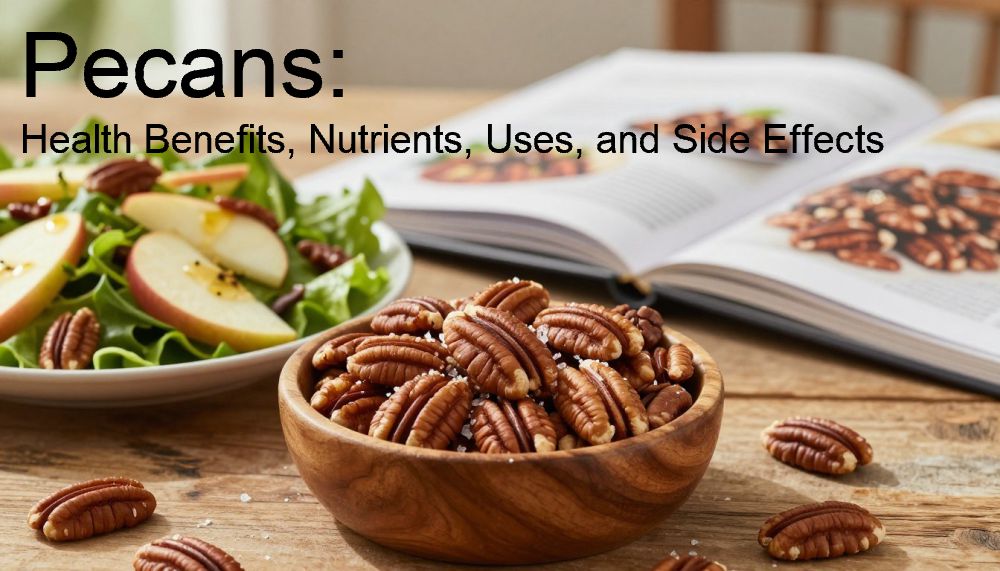
These snacks are a powerful nutrient source. They are packed with fiber to help you feel full and maintain steady blood sugar.
Every serving provides zinc for your immune system and supports sharp brain function. It is an easy way to fuel your body with clean energy throughout the day.
Choosing these snacks means you are getting a natural antioxidant boost. Explore the many health benefits of these crunchy treats in the following guide. You will see why pecans are a staple in healthy kitchens across the country.
Key Takeaways
- High fiber levels help with digestion and satiety.
- Monounsaturated fats support long-term heart health.
- Rich antioxidant profile protects cells from damage.
- Essential minerals like zinc boost immune response.
- Natural compounds assist in maintaining brain function.
The Rich History and Origin of Pecans
The pecan tree, native to North America, has been a valuable resource for centuries. As a significant part of the region’s ecosystem and culinary traditions, pecans have been harvested and enjoyed for thousands of years.
“Pecans are not only a delicious addition to various dishes, but they also carry a rich cultural heritage,” as noted by food historians. The history of pecans is deeply intertwined with the history of Native American communities and early settlers.
Native to North America
Pecan trees are indigenous to the southern United States and northern Mexico, thriving in the rich soils along rivers and streams. The pecan tree’s native habitat spans across various regions, providing a bountiful supply of nuts.
How Pecans are Harvested and Processed
Pecans are typically harvested between October and December. The process involves shaking the trees to release the nuts, which are then collected from the ground. After harvesting, pecans undergo a series of processing steps, including cleaning, drying, and cracking, to prepare them for consumption.
The processing of pecans is labor-intensive but crucial for bringing out their unique flavor and texture. As one industry expert puts it, “The care taken during the harvesting and processing stages directly impacts the quality of the final product.”
Understanding how pecans are harvested and processed highlights the journey from tree to table, showcasing the effort that goes into making these nuts available to consumers.
Understanding the Nutritional Profile of Pecans
The nutritional value of pecans is substantial, providing a rich source of essential vitamins, minerals, and healthy fats. Pecans are considered a nutrient-dense food, meaning they provide a significant amount of beneficial nutrients while being relatively low in calories.
Key Vitamins and Minerals Found in Pecans
Pecans are an excellent source of various vitamins and minerals. They are particularly rich in antioxidant vitamins such as vitamin E, which plays a crucial role in protecting cells from damage. Additionally, pecans contain a range of minerals including zinc, magnesium, and potassium, which are vital for maintaining healthy bodily functions.
Healthy Fats and Monounsaturated Content
Pecans are known for their high content of healthy fats, particularly monounsaturated fats. These fats are beneficial for heart health as they help in reducing the levels of bad cholesterol in the blood. The monounsaturated fat content in pecans also contributes to their ability to provide sustained energy and support overall cardiovascular well-being.
Fiber and Protein Content per Ounce
One ounce of pecans, which is approximately 19 halves, contains about 2.7 grams of protein and 2.7 grams of fiber. The fiber content in pecans supports healthy digestion and can help in maintaining a feeling of fullness, making them a satisfying snack. The protein content, while not extremely high, contributes to the overall nutritional value of pecans and supports muscle health.
Pecans and Heart Health
Incorporating pecans into one’s diet can be a delicious way to support heart health and reduce the risk of cardiovascular diseases. Pecans are rich in monounsaturated fats, antioxidants, and other nutrients that have been shown to have a positive impact on heart health.
Managing Cholesterol Levels and LDL
Pecans have been found to help manage cholesterol levels due to their high content of monounsaturated fats. These healthy fats can help lower LDL (bad cholesterol) when they replace saturated fats in the diet. A study published in a reputable nutrition journal highlighted that individuals who consumed pecans as part of a balanced diet experienced a significant reduction in LDL cholesterol levels.
The mechanism behind this effect involves the ability of monounsaturated fats to improve the lipid profile by reducing the levels of LDL cholesterol and possibly increasing HDL (good cholesterol). This balance is crucial for maintaining cardiovascular health.
Reducing the Risk of Heart Disease
The antioxidants and other nutrients present in pecans also play a crucial role in reducing the risk of heart disease. Antioxidants help in combating oxidative stress and inflammation, factors that are associated with the development of cardiovascular diseases.
Furthermore, the fiber content in pecans contributes to heart health by helping to regulate blood pressure and improve overall vascular function. A diet rich in fiber has been associated with a lower risk of heart disease.
- Pecans are a rich source of antioxidants.
- They help in managing cholesterol levels.
- Pecans support overall heart health through their nutrient-dense profile.
The Role of Pecans in Blood Sugar Management
Incorporating pecans into one’s diet can have a positive impact on blood sugar management, particularly for those with type 2 diabetes. Pecans offer a unique combination of nutrients that can help regulate blood sugar levels.
Impact on Type 2 Diabetes
Pecans have been studied for their potential benefits in managing type 2 diabetes. The monounsaturated fats in pecans can improve insulin sensitivity, which is crucial for glucose metabolism. A study published in a reputable journal found that consuming pecans as part of a balanced diet can lead to improvements in glycemic control.
“Diets rich in monounsaturated fats, such as those found in pecans, may improve insulin sensitivity and glucose metabolism.”
Why Pecans are a Low-Glycemic Snack
Pecans are considered a low-glycemic snack because they have a minimal impact on blood sugar levels. This is due to their low carbohydrate content and high levels of healthy fats and fiber.
| Snack Food | Glycemic Index | Carbohydrate Content (g) |
|---|---|---|
| Pecans | Low | 4 |
| Apple | Medium | 25 |
| White Bread | High | 30 |
Pecans can be a valuable addition to a diet focused on managing blood sugar levels. Their nutritional profile supports healthy glucose metabolism and can be part of a balanced dietary approach to managing type 2 diabetes.
Antioxidant Power and Brain Function
Rich in antioxidants, pecans offer a tasty way to boost your defense against oxidative stress and promote cognitive function. Antioxidants play a crucial role in protecting cells from damage caused by free radicals, which are unstable molecules that can harm cells and contribute to aging and diseases.
Pecans are particularly notable for their high content of vitamin E, a powerful antioxidant that helps protect cell membranes from oxidative damage. Vitamin E in pecans not only supports skin health but also contributes to the protection of cells throughout the body, including those in the brain.
Protecting Cells with Vitamin E
Vitamin E is a fat-soluble vitamin that acts as an antioxidant, neutralizing free radicals and preventing the propagation of oxidative stress. The vitamin E in pecans is primarily in the form of gamma-tocopherol, which has been shown to have potent antioxidant effects.
A study published in a reputable nutrition journal highlighted that the antioxidant capacity of pecans is among the highest of all nuts, largely due to their vitamin E content. This makes pecans an excellent choice for those looking to increase their antioxidant intake.
“The antioxidant properties of pecans, particularly their vitamin E content, make them an excellent nut for supporting overall health and cognitive function.”
Supporting Long-Term Brain Health
The antioxidants in pecans, including vitamin E, may also play a role in supporting long-term brain health. Oxidative stress is believed to contribute to the progression of neurodegenerative diseases, and consuming foods high in antioxidants can help mitigate this risk.
Incorporating pecans into your diet can be a delicious way to support brain health. Here are some key benefits:
- High antioxidant content to protect against cell damage
- Vitamin E to support overall health and cognitive function
- Potential to reduce the risk of neurodegenerative diseases
The nutritional profile of pecans makes them an ideal snack for those looking to support their brain health. A serving of pecans (about 1 ounce or 19 nuts) provides a significant amount of vitamin E and other antioxidants.
| Nutrient | Amount per 1 oz serving | % Daily Value |
|---|---|---|
| Vitamin E | 2.6 mg | 17% |
| Antioxidant Capacity (ORAC) | 17,840 µmol TE | N/A |
By incorporating pecans into your diet, you can enjoy the benefits of their antioxidant power and support your overall health and brain function.
Bone and Immune Health Benefits
With their rich content of essential minerals and vitamins, pecans play a crucial role in maintaining strong bones and a healthy immune system. The nutrients found in pecans contribute significantly to overall health, making them a valuable addition to a balanced diet.
Zinc as a Key Mineral Found in Pecans
Zinc is crucial for numerous aspects of health, including immune function and bone health. Pecans are a good source of zinc, an essential mineral that supports the body’s defense against pathogens and aids in the healing process. Adequate zinc intake is vital for the activation of cells important for immunity, such as T-cells.
“Zinc is an essential mineral that plays a significant role in immune function, wound healing, and protein synthesis.”
Supporting Overall Skeletal Strength
Pecans contain a variety of minerals, including manganese, copper, and zinc, which are vital for maintaining strong bones. These minerals support bone density and can help prevent conditions such as osteoporosis. A diet rich in these minerals can contribute to overall skeletal strength.
| Mineral | Amount per Ounce of Pecans | Benefit |
|---|---|---|
| Zinc | 1.3 mg | Supports immune function and bone health |
| Manganese | 1.5 mg | Essential for bone formation and metabolism |
| Copper | 0.4 mg | Important for connective tissue health and immune function |
Incorporating pecans into your diet can be a delicious way to support your bone and immune health. With their rich mineral content and numerous health benefits, pecans are a nutritious choice for overall wellness.
Culinary Uses for Pecans in Your Kitchen
Elevate your cooking and baking with pecans, a nut rich in flavor and nutritional benefits. Pecans are a versatile ingredient that can be used in a variety of dishes, from sweet treats to savory meals.
How to Properly Toast Pecans for Flavor
Toasting pecans is a simple process that enhances their flavor and texture. To toast pecans, preheat your oven to 350°F (175°C). Spread the pecans in a single layer on a baking sheet and bake for 5-7 minutes, or until fragrant and lightly browned. Keep an eye on them to prevent burning.
Tip: You can also toast pecans in a skillet on the stovetop over medium heat, stirring frequently, until fragrant and lightly browned.
Using Pecan Oil in Cooking and Baking
Pecan oil is a delicious and healthy alternative to other cooking oils. It has a rich, nutty flavor that pairs well with both sweet and savory dishes. Use pecan oil as a finishing oil for salads, or as a substitute for other oils in baking recipes.
“Pecan oil is rich in heart-healthy monounsaturated fats and has a high smoke point, making it ideal for sautéing and baking.”
Nutrition Insights
Incorporating Pecans into Savory Dishes
Pecans can add a delightful crunch and flavor to savory dishes. Try adding them to salads, stir-fries, or using them as a topping for roasted vegetables. Pecans also pair well with herbs like thyme and rosemary, making them a great addition to savory sauces and marinades.
| Use | Description | Benefits |
|---|---|---|
| Baking | Add pecans to cakes, pies, and cookies for added texture and flavor. | Enhances flavor and provides a crunchy texture. |
| Savory Dishes | Use pecans in salads, stir-fries, and as a topping for roasted vegetables. | Adds crunch and nutty flavor. |
| Pecan Oil | Use pecan oil as a finishing oil or in baking recipes. | Rich in heart-healthy fats and has a high smoke point. |
Delicious Pecan Recipes for Every Occasion
Pecan recipes offer a delicious way to enjoy the nutritional benefits of this nutritious nut in diverse culinary creations. Whether you’re looking to satisfy your sweet tooth or enhance your savory dishes, pecans are a versatile ingredient that can elevate any meal.
Classic Pecan Pie Variations
The classic pecan pie is a staple of Southern cuisine, known for its rich, gooey filling and crunchy pecan topping. To give this dessert a modern twist, consider adding unique flavors such as bourbon or maple syrup to the filling. Another variation involves using different types of sugar, like muscovado or coconut sugar, to alter the flavor profile.
For a chocolate pecan pie, simply add a layer of melted chocolate on top of the pecan filling before baking. This creates a delightful contrast between the gooey chocolate and the crunchy pecans. You can also experiment with adding spices like cinnamon or nutmeg to give the pie an extra depth of flavor.
Healthy Roasted Pecans as a Snack
Roasting pecans is a simple way to bring out their natural flavor and make them a satisfying snack. To roast pecans, simply spread them on a baking sheet and bake in the oven at 350°F (175°C) for about 10 minutes, or until fragrant and lightly browned. You can enhance the flavor by tossing the pecans with a little olive oil and your choice of spices before roasting.
Some popular spice options include cinnamon, cayenne pepper, and garlic powder. For a sweet and salty flavor, try mixing the pecans with a little honey and sea salt before roasting. Roasted pecans make a great snack on their own or can be used as a topping for salads or yogurt.
Adding Pecans to Salads and Morning Oats
Pecans can add a delightful crunch and flavor to salads. Try tossing them with mixed greens, dried cranberries, and a tangy vinaigrette for a refreshing and healthy salad. You can also use pecans as a topping for fruit salads or as a crunchy element in grain salads.
In the morning, pecans can be added to oatmeal or yogurt for a nutritious and filling breakfast. Simply sprinkle chopped pecans on top of your oatmeal or yogurt, along with a drizzle of honey or maple syrup for added sweetness. You can also mix pecans into your favorite granola recipe for a crunchy and nutritious breakfast topping.
By incorporating pecans into your recipes, you can enjoy their rich flavor and nutritional benefits in a variety of delicious ways.
Selecting and Storing Quality Pecans
Selecting and storing quality pecans is essential for maintaining their flavor and nutritional value. Whether you’re a seasoned chef or a health-conscious individual, understanding how to choose and store pecans can make a significant difference in your culinary endeavors and overall well-being.
Identifying Fresh Pecans
Fresh pecans are crucial for both taste and nutrition. To identify fresh pecans, look for nuts that are plump, have a rich brown color, and are free from cracks or blemishes. The nuts should also have a pleasant, nutty aroma. Avoid pecans that appear shriveled, discolored, or have an off smell, as these are signs of age or poor storage.
Key characteristics of fresh pecans include:
- A rich, brown color
- A plump appearance
- Absence of cracks or blemishes
- A pleasant, nutty aroma
Best Practices for Long-Term Storage
Proper storage is vital to maintaining the quality of pecans. To store pecans long-term, it’s recommended to keep them in an airtight container. This container should be placed in a cool, dry environment, such as a pantry or cupboard. For extended storage, consider refrigerating or freezing the pecans to preserve their freshness and nutritional content.
Tips for long-term storage:
- Store pecans in an airtight container to prevent moisture and air exposure.
- Keep the container in a cool, dry place, such as a pantry.
- For longer storage, consider refrigerating or freezing the pecans.
By following these guidelines, you can enjoy your pecans for a longer period while maintaining their quality and nutritional benefits.
Recommended Daily Serving of Pecans
To reap the health benefits of pecans, it’s essential to understand what constitutes a standard serving size and how it fits into your daily diet. Pecans are rich in nutrients, including healthy fats, protein, and fiber, making them a valuable addition to a balanced diet.
The serving size of pecans is typically measured in ounces or the number of nuts. A standard serving size is about 1 ounce, which is equivalent to approximately 19 pecan halves. This serving size provides a good balance of nutrients without excessive calories.
Optimal Daily Intake for Health Benefits
Research suggests that consuming about 1 ounce (28 grams) or a handful of pecans per day can provide significant health benefits. This daily serving can help in managing cholesterol levels, supporting heart health, and even aiding in weight management due to the satiety provided by the nut’s nutrient-dense profile.
Incorporating pecans into your daily routine can be straightforward. You can enjoy them as a snack on their own, add them to salads, or use them as a topping for yogurt or oatmeal. The key is to be mindful of portion sizes to avoid overconsumption of calories.
Balancing Calories and Nutrient Density
While pecans are nutrient-dense and offer numerous health benefits, they are also high in calories. A 1-ounce serving of pecans contains approximately 196 calories. Therefore, it’s crucial to balance the calorie intake from pecans with the overall daily calorie needs.
To maximize the benefits of pecans while managing calorie intake, consider pairing them with other nutrient-dense foods. For example, adding pecans to a salad with leafy greens, fruits, and a light vinaigrette can enhance the nutritional value of the meal without significantly increasing the calorie count.
Understanding the nutrient density of pecans and how they fit into your overall diet is key to enjoying their health benefits. By being mindful of serving sizes and incorporating pecans into a balanced diet, you can reap their nutritional rewards without compromising your dietary goals.
Varieties of Pecans and Their Unique Characteristics
The diverse world of pecans encompasses numerous varieties, offering a range of flavors and textures. This diversity is a result of years of cultivation and selective breeding, leading to a wide array of pecan types.
Popular Cultivars Grown in the United States
The United States is home to many popular pecan cultivars, each with its own strengths and characteristics. Some of the most well-known include:
- Pawnee: Known for its early maturity and high yield.
- Desirable: A popular choice for its rich flavor and large size.
- Caddo: Recognized for its resistance to disease and pests.
These cultivars have been developed to thrive in different regions and conditions, contributing to the rich diversity of pecans available in the market.
Flavor Profiles and Texture Differences
The flavor profiles and textures of pecans can vary significantly among different varieties. For instance:
| Cultivar | Flavor Profile | Texture |
|---|---|---|
| Pawnee | Mild, slightly sweet | Crisp |
| Desirable | Rich, nutty | Buttery, smooth |
| Caddo | Robust, earthy | Crunchy |
Understanding these differences can help consumers and chefs choose the right variety for their needs, whether it’s for snacking, baking, or cooking.
Conclusion
Pecans are a nutrient-rich food that offers numerous health benefits when consumed as part of a balanced diet. With their rich history, nutritional profile, and versatility in cooking, pecans are an excellent addition to a healthy lifestyle.
The health benefits of pecans are backed by their impressive nutrition facts, which include high levels of antioxidants, healthy fats, and essential minerals. Incorporating pecans into your daily routine can support overall health, from heart health and blood sugar management to bone and immune function.
Whether you’re looking to enhance your culinary creations or simply seeking a nutritious snack, pecans are an excellent choice. With their rich flavor and numerous health benefits, it’s clear why pecans are a popular ingredient in many cuisines.
By understanding the value of pecans and incorporating them into your diet, you can take a significant step towards supporting your overall health and wellbeing.
FAQ
What are the primary health benefits of pecans?
Pecans provide a wide range of impressive health benefits, specifically for cardiovascular health and digestive health. They are a good source of fiber and healthy fats, which work together to keep you feeling full and your system running smoothly. Because pecans are also packed with antioxidant compounds, they help protect your body from oxidative stress.
How do pecans help with heart health?
Pecans can help manage cholesterol levels by lowering LDL (the “bad” cholesterol) while maintaining “good” cholesterol. These nut delights are high in monounsaturated fats, which are known to support heart health. Research suggests that regularly eating nuts like pecans may significantly reduce the risk of heart disease.
Can people with type 2 diabetes eat pecans?
Yes! Pecans are a great source of nutrition for those managing type 2 diabetes. They are a low-glycemic tree nut, meaning they won’t cause a sharp spike in blood sugar. The healthy fiber and protein found in pecans help slow down the absorption of sugars, making them a smart pecan nutrition choice for steady energy levels.
What vitamins and minerals are found in pecans?
Pecans are loaded with essential vitamins and minerals. They are notably high in vitamin e, which is vital for brain health and cell protection. Additionally, zinc is a key mineral found in pecans that is essential for immune health and bone health. Pecans also contain magnesium, potassium, and B vitamins that support overall health.
How many pecans should I eat each day for optimal health?
A standard serving of pecans is one ounce of pecans, which is roughly 15 to 19 pecan halves. Consuming pecans in this amount—about a handful of pecans—provides the perfect balance of nutrient density and calories. Many health experts suggest having this amount of pecans daily to reap the maximum health benefits of pecans.
Are pecans a good choice for brain function?
Definitely! Pecans are known to support long-term brain function. The antioxidant properties and healthy fats help reduce inflammation in the brain. Incorporating pecans into your diet can provide the nutrients necessary to maintain cognitive clarity as you age.
How can I include pecans in my daily meals?
There are so many ways to add pecans to your routine! You can include pecans in your morning oats, toss chopped pecans into a fresh green salad, or enjoy raw pecans as a quick pecans as a snack. For a richer flavor, many people like to toast pecans in the oven or use pecan oil as a base for salad dressings. Of course, you can always find them in classic pecan recipes like the famous pecan pie.
How should I store my fresh pecans to keep them from spoiling?
Because pecans contain a high amount of oils, they can go rancid if left in a warm environment. To keep your quality pecans fresh, store them in an airtight container in the refrigerator for up to six months. For long-term storage, fresh pecans can be kept in the freezer for up to two years without losing their flavor or nutrition facts.
Where are most pecans grown?
The pecan tree is native to North America, and the United States is the world’s leading producer. Major brands like Sunnyland Farms and Fisher Nuts source high-quality nuts from states like Georgia, Texas, and New Mexico. Pecans are harvested in the fall, ensuring that fresh pecans are widely available for holiday baking.
Are roasted pecans as healthy as raw pecans?
Both raw pecans and roasted pecans offer similar health benefits. While some vitamins and minerals may be slightly reduced during the roasting process, roasted pecans still provide plenty of fiber and monounsaturated fats. Just be mindful of added salts or sugars in commercial varieties of pecans to keep your snack as healthy as possible.
How do pecans compare to a walnut?
While both are tree nuts, they have different profiles. A walnut is higher in omega-3 fatty acids, whereas pecans are an excellent source of monounsaturated fats and have a higher fiber content. Pecans are naturally sweeter and have a more buttery texture, making them a favorite for both snacking and baking.
What are some interesting facts about pecans?
There are over 1,000 varieties of pecans, each with a unique flavor. Pecans help with weight management because their protein and fiber content promote satiety. Also, pecans also provide more antioxidants than any other nut, ranking them among the top 20 antioxidant-rich foods according to the USDA!