Peppermint is a popular herb known for its refreshing flavor and numerous health benefits. The leaves of the peppermint plant contain peppermint oil, which is used in various products, from teas to topical creams.
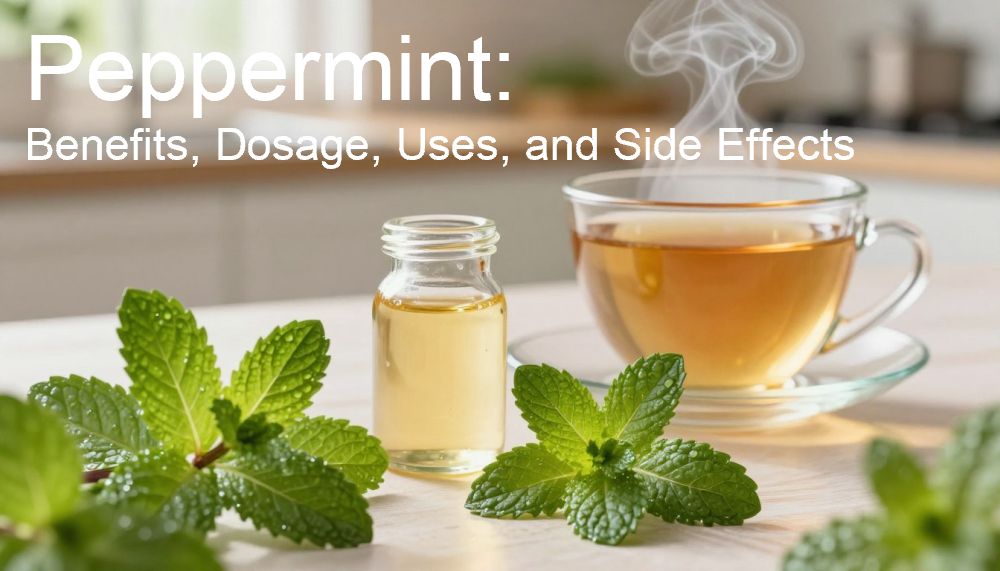
Consuming peppermint tea or using peppermint extract can aid digestion and relieve nausea. Additionally, the health benefits of peppermint include reducing stress and improving mental focus.
Understanding the appropriate dosage is crucial to harnessing its benefits while minimizing potential side effects.
Key Takeaways
- Peppermint is known for its refreshing flavor and health benefits.
- Peppermint oil is used in various products, including teas and topical creams.
- Consuming peppermint tea or using peppermint extract can aid digestion.
- The health benefits of peppermint include reducing stress and improving mental focus.
- Understanding the appropriate dosage is crucial to minimizing potential side effects.
Understanding Peppermint
Peppermint, a perennial herb belonging to the Mentha genus, is celebrated for its cooling sensation and therapeutic benefits. This hybrid mint, known scientifically as Mentha piperita, has been utilized for centuries in various cultures for its medicinal and culinary properties.
Origin and Botanical Background
Peppermint is believed to have originated in Europe and the Middle East, where it has been cultivated for its unique flavor and aroma. As a hybrid of watermint and spearmint, peppermint is characterized by its dark green leaves and purple flowers. It thrives in moist environments and is widely cultivated for commercial use.
Active Compounds and Menthol
The primary active compound in peppermint is menthol, which is responsible for its distinctive cooling effect. Menthol is known for its analgesic and anti-inflammatory properties, making peppermint a popular remedy for digestive issues and pain relief. Other active compounds include menthone, menthyl acetate, and various flavonoids, which contribute to peppermint’s therapeutic benefits.
The combination of these compounds gives peppermint its versatility in applications ranging from herbal teas to topical treatments.
Peppermint: A Versatile Herb
With its refreshing flavor and aroma, peppermint has become a staple in many traditional and modern practices. Its versatility is rooted in its wide range of applications, from culinary delights to medicinal remedies.
Traditional and Modern Uses
Peppermint has been used for centuries in various cultures for its medicinal properties. Traditionally, it has been used to relieve digestive issues, such as indigestion and bloating. In modern times, peppermint is used in a variety of products, including:
- Teas and infusions
- Essential oils
- Capsules and supplements
- Culinary dishes and desserts
The efficacy of peppermint oil in relieving digestive discomfort has made it a popular choice for those seeking natural remedies. Its modern uses extend to aromatherapy and skincare products, leveraging its refreshing and anti-inflammatory properties.
How Peppermint Works in the Body
Peppermint works in the body primarily through its active compound, menthol. When consumed or applied topically, menthol helps to relax the muscles and improve blood flow. This can lead to relief from digestive issues, headaches, and muscle pain.
The medicinal uses of peppermint are backed by its ability to ease symptoms of irritable bowel syndrome (IBS) and other gastrointestinal disorders. Its anti-inflammatory properties also make it beneficial for topical applications, providing cooling relief for muscle pain and skin irritations.
Different Forms of Peppermint
From teas and infusions to capsules and extracts, peppermint comes in a multitude of forms to suit different needs. This versatility makes it easy for individuals to incorporate peppermint into their daily routines, whether for digestive health, mental clarity, or other benefits.
Essential Oil Extraction and Properties
Peppermint essential oil is extracted through a process of steam distillation, which captures its active compounds, primarily menthol and menthone. This oil is known for its refreshing aroma and cooling sensation, making it a popular choice for aromatherapy and topical applications. The properties of peppermint essential oil include its ability to relieve muscle tension, improve mental focus, and ease digestive discomfort.
Tea and Infusions
Peppermint tea is a soothing and caffeine-free beverage made by infusing peppermint leaves in hot water. It’s a simple way to enjoy the benefits of peppermint, including relief from indigestion and nausea. Peppermint tea can be enjoyed hot or cold, making it a versatile drink for any time of the year.
Leaf, Extract, and Tinctures
Peppermint leaves can be used fresh or dried to make teas, infusions, or added to foods. Peppermint extract and tinctures are concentrated forms that can be used in cooking or as dietary supplements. These forms offer a convenient way to add peppermint to your diet, providing potential health benefits such as improved digestion and mental clarity.
Enteric-Coated Capsules
Enteric-coated peppermint oil capsules are designed to release peppermint oil in the intestines, where it can help soothe irritable bowel syndrome (IBS) symptoms and other digestive issues. This form is particularly beneficial for those seeking targeted relief from digestive discomfort. The enteric coating ensures that the peppermint oil is released in the correct location, maximizing its effectiveness.
Digestive Health Benefits
Peppermint’s impact on digestive health is multifaceted, offering relief for several common ailments. Its natural properties make it an attractive option for those seeking to alleviate digestive discomfort without resorting to pharmaceuticals.
Soothing Irritable Bowel Syndrome
Peppermint oil, particularly in enteric-coated capsules, has been shown to be effective in soothing Irritable Bowel Syndrome (IBS). IBS is a common disorder that affects the large intestine, causing symptoms such as abdominal pain, bloating, gas, diarrhea, and constipation. The menthol in peppermint oil helps relax the muscles in the stomach and intestines, reducing the severity of these symptoms. Studies have demonstrated that peppermint oil capsules can significantly reduce IBS symptoms, improving the quality of life for those affected.
Effects on Gastric Emptying
Peppermint can also influence gastric emptying, the process by which the stomach empties its contents into the small intestine. Research suggests that peppermint oil may help accelerate gastric emptying, potentially alleviating symptoms of indigestion and discomfort. By relaxing the muscles between the stomach and the small intestine, peppermint facilitates the movement of food through the digestive system, potentially reducing symptoms of nausea and discomfort.
Relief for Indigestion and Bloating
Peppermint is well-known for its ability to provide relief from indigestion and bloating. The menthol in peppermint helps to ease the digestive process, reducing discomfort and gas. A table summarizing the benefits of peppermint for digestive issues is provided below:
| Digestive Issue | Peppermint Benefit |
|---|---|
| Irritable Bowel Syndrome (IBS) | Relaxes intestinal muscles, reduces symptoms |
| Gastric Emptying | Accelerates the process, alleviates discomfort |
| Indigestion and Bloating | Eases digestion, reduces gas and discomfort |
By incorporating peppermint into one’s diet, individuals can potentially mitigate these common digestive issues, improving their overall digestive health.
Beyond Digestion: Other Health Benefits
Peppermint’s benefits extend far beyond digestive health, offering a range of advantages for overall well-being. Its versatility makes it a valuable herb for various health concerns.
Respiratory Relief and Decongestant Properties
Peppermint oil’s respiratory relief and decongestant properties make it an effective remedy for colds and coughs. The menthol in peppermint helps to thin mucus, making it easier to expel, thus providing relief from congestion.
Headache and Pain Management
Peppermint is also known for its role in headache and pain management. Applying peppermint oil topically to the temples may help alleviate tension headaches due to its cooling effect.
Antibacterial and Antioxidant Effects
Peppermint has antibacterial and antioxidant effects that can help protect against infections and reduce oxidative stress. The table below summarizes some of the key benefits:
| Benefit | Description |
|---|---|
| Respiratory Relief | Eases congestion and coughs |
| Pain Management | Relieves headaches and muscle pain |
| Antibacterial Effects | Protects against bacterial infections |
These benefits highlight the multifaceted uses of peppermint, making it a valuable addition to one’s health regimen.
Peppermint Aromatherapy Applications
Incorporating peppermint into your aromatherapy routine can have a significant impact on your overall health, from reducing stress to alleviating nausea. Peppermint aromatherapy is a versatile and natural approach to enhancing both physical and mental well-being.
Stress Reduction and Mental Clarity
Peppermint oil is known for its invigorating scent, which can help reduce stress and improve mental clarity. The aroma of peppermint can be particularly beneficial during periods of high concentration or when feeling mentally fatigued. As one study noted, “The aroma of peppermint enhanced cognitive performance and alertness.”
Nausea Relief Including Postoperative Nausea
Peppermint aromatherapy has also been found effective in providing nausea relief, including postoperative nausea. The menthol in peppermint oil helps ease digestive discomfort and can be a valuable tool for patients recovering from surgery. According to a clinical trial, “Peppermint oil aromatherapy significantly reduced nausea in postoperative patients.”
Methods of Inhalation and Diffusion
There are several methods to incorporate peppermint aromatherapy into your daily routine. You can use a diffuser to spread the aroma throughout your home or office, or inhale directly from a cloth or handkerchief with a few drops of peppermint oil. For a more direct approach, you can also add peppermint oil to your bath water or inhale the steam from a bowl of hot water with peppermint oil.
By understanding the different applications and methods of peppermint aromatherapy, you can make informed decisions about how to best incorporate this natural remedy into your health regimen.
Topical Uses for Skin and Muscles
Peppermint oil is renowned for its topical applications, providing relief for muscle pain and various skin conditions. Its cooling effect is attributed to menthol, which helps in reducing pain and inflammation when applied topically.
Cooling Relief for Muscle Pain
The analgesic properties of peppermint oil make it an effective remedy for muscle pain. When applied topically, it provides a cooling sensation that helps alleviate tension and discomfort in the muscles.
A study published in the Journal of Pharmacy and Pharmacology found that topical application of peppermint oil significantly reduced muscle pain in patients with myalgia. The oil’s active compounds, particularly menthol, contribute to its pain-relieving effects.
Skin Conditions and Itching
Peppermint oil can also be beneficial for various skin conditions, including itching and irritation. Its anti-inflammatory and antimicrobial properties help soothe the skin and reduce inflammation.
“The anti-inflammatory properties of peppermint oil can help reduce redness and swelling associated with skin irritations.”
A table summarizing the benefits of peppermint oil for skin conditions is provided below:
| Skin Condition | Benefit |
|---|---|
| Itching | Soothes itching sensation |
| Irritation | Reduces inflammation |
| Redness | Decreases redness |
Proper Dilution and Application Methods
To use peppermint oil topically, it’s essential to dilute it with a carrier oil to avoid skin irritation. A general dilution ratio is 1-2% peppermint oil to carrier oil.
Application methods include:
- Massage: Mix with a carrier oil for a relaxing massage.
- Compress: Add to warm or cold water for a compress to relieve muscle pain.
- Topical application: Dilute with a carrier oil and apply directly to the affected area.
By understanding the proper dilution and application methods, individuals can safely utilize peppermint oil for its topical benefits, enjoying relief from muscle pain and skin irritations.
Finding Your Ideal Peppermint Dosage
Understanding the appropriate peppermint dosage is essential for maximizing its benefits. Peppermint is available in various forms, including essential oils, teas, capsules, and topical applications, each with its own recommended dosage guidelines.
Guidelines for Different Forms
The ideal dosage of peppermint can vary significantly depending on the form being used. For instance, when using peppermint essential oil, it’s generally recommended to start with a few drops diluted in a carrier oil for topical application. For peppermint tea, one to two cups per day is a common dosage. Enteric-coated peppermint capsules typically contain between 0.2 to 0.4 mL of peppermint oil, with a usual dose being one capsule, taken three times a day.
Adjusting Based on Individual Factors
Individual factors such as age, health status, and sensitivity to peppermint can influence the ideal dosage. For example, children and elderly individuals may require lower doses, while those with certain health conditions may need to adjust their dosage accordingly. It’s also important to consider any potential interactions with medications when determining your peppermint dosage.
To ensure safe and effective use, it’s advisable to consult with a healthcare professional, especially when introducing peppermint into your regimen for the first time or when adjusting your dosage based on individual factors.
Special Considerations for Specific Groups
When considering the use of peppermint, certain groups require special attention due to potential health implications. While peppermint is generally safe for most people, its effects can vary significantly across different demographic groups.
Peppermint for Pregnant and Breastfeeding Women
Pregnant and breastfeeding women should use peppermint with caution. High doses of peppermint oil may cause adverse effects, and it’s recommended to consult a healthcare provider before using peppermint products, especially during the first trimester. Peppermint tea is generally considered safe in moderation, but excessive consumption should be avoided.
Children and Peppermint Safety
For children, peppermint can be a useful remedy for digestive issues, but it should be used under adult supervision. Peppermint oil should be diluted before applying to children’s skin to avoid irritation. The American Academy of Pediatrics suggests that children under 6 years old should not be given peppermint oil internally without consulting a healthcare professional.
Considerations for Elderly Users
Elderly individuals may experience more pronounced effects from peppermint due to decreased metabolism and potential health conditions. It’s advisable for older adults to start with small doses and monitor their body’s response. Consulting a healthcare provider is recommended, especially for those with chronic health issues or taking medications.
| Group | Precautions | Recommendations |
|---|---|---|
| Pregnant/Breastfeeding Women | Avoid high doses of peppermint oil | Consult healthcare provider before use |
| Children | Dilute peppermint oil for topical use | Use under adult supervision |
| Elderly Users | Start with small doses | Monitor body’s response, consult healthcare provider |
Potential Side Effects and Precautions
While peppermint is generally considered safe, it’s crucial to be aware of its potential side effects. Peppermint can be consumed in various forms, including tea, oil, and capsules, and its effects can vary based on the method of consumption and individual sensitivity.
Common Adverse Reactions
Some individuals may experience adverse reactions to peppermint, including heartburn, allergic reactions, and digestive issues. Heartburn is one of the most commonly reported side effects, particularly when peppermint is consumed in large quantities or in its oil form. Allergic reactions, though rare, can manifest as rashes or hives. It’s essential to monitor your body’s response when introducing peppermint into your regimen.
Medication Interactions
Peppermint can interact with certain medications, affecting their efficacy or increasing the risk of side effects. For instance, peppermint oil may reduce the absorption of certain drugs when taken together. It’s advisable to consult with a healthcare provider if you’re taking medications for conditions like diabetes, hypertension, or gastrointestinal disorders.
When to Avoid Peppermint
There are specific situations where peppermint should be avoided or used with caution. Pregnant or breastfeeding women should consult their healthcare provider before using peppermint oil or supplements. Additionally, individuals with gastroesophageal reflux disease (GERD) should be cautious, as peppermint can exacerbate symptoms. It’s also recommended to avoid peppermint if you have a known allergy to menthol or any other mint family members.
Conclusion
Peppermint has been explored in depth throughout this article, revealing its numerous benefits and versatile uses. From digestive health to aromatherapy applications, peppermint has proven to be a valuable natural resource.
A summary of the key points highlights peppermint’s ability to soothe irritable bowel syndrome, relieve indigestion and bloating, and provide respiratory relief. Its antibacterial and antioxidant effects further contribute to its potential health benefits.
In conclusion, incorporating peppermint into one’s health regimen can have a significant impact on overall wellbeing. Whether through tea, essential oil, or topical applications, peppermint offers a range of uses that can be tailored to individual needs.
By understanding the different forms and uses of peppermint, individuals can harness its benefits to improve their health and quality of life. Peppermint benefits and peppermint uses are diverse, making it a valuable addition to any natural health approach.
FAQ
What are the benefits of using peppermint oil for irritable bowel syndrome?
Peppermint oil has been shown to help alleviate symptoms of irritable bowel syndrome, including bloating, abdominal pain, and changes in bowel movements, due to its ability to relax the muscles in the digestive tract.
How do I use peppermint essential oil for aromatherapy?
To use peppermint essential oil for aromatherapy, you can add a few drops to a diffuser or inhale it directly from a cloth or handkerchief. You can also mix it with a carrier oil for topical application, but be sure to dilute it properly.
Can peppermint oil be used to relieve headache and pain?
Yes, peppermint oil can be used to relieve headache and pain due to its analgesic and anti-inflammatory properties. It can be applied topically to the temples or neck, or inhaled through aromatherapy.
What is the recommended dosage of peppermint oil for digestive issues?
The recommended dosage of peppermint oil for digestive issues varies, but typically, enteric-coated capsules containing 0.2-0.4 mL of peppermint oil are taken three times a day. Always consult with a healthcare professional before starting any supplement.
Are there any potential side effects of using peppermint oil?
While generally considered safe, peppermint oil can cause side effects such as heartburn, allergic reactions, and interactions with certain medications. It can also be irritating to the skin if not properly diluted.
Can I use peppermint oil during pregnancy or breastfeeding?
Pregnant or breastfeeding women should consult with their healthcare provider before using peppermint oil, as it may interact with certain medications or have unforeseen effects on the fetus or baby.
How do I choose a high-quality peppermint oil?
To choose a high-quality peppermint oil, look for products that are labeled as “pure” or “therapeutic grade,” and check for third-party certifications. Also, consider the reputation of the manufacturer and read reviews from other customers.
Can peppermint oil be used on children?
Peppermint oil can be used on children, but it’s essential to dilute it properly and use it in moderation. Consult with a pediatrician or healthcare professional before using peppermint oil on children, especially if they have any underlying health conditions.
What are the differences between peppermint oil and spearmint oil?
Peppermint oil and spearmint oil have different compositions and uses. Peppermint oil contains menthol, which gives it a cooling effect, while spearmint oil contains carvone, which has a more sweet and herbaceous scent. Peppermint oil is often used for digestive issues, while spearmint oil is used for its antispasmodic and anti-inflammatory properties.
Can peppermint oil interact with other medications?
Yes, peppermint oil can interact with certain medications, such as antacids, acid reducers, and medications for diabetes and high blood pressure. Consult with a healthcare professional before using peppermint oil, especially if you’re taking any prescription medications.