Many Americans look for a healthy snack that tastes great and boosts daily energy levels. These tiny kernels represent a nutrient-dense choice for almost any modern diet. They act as a powerful superfood that supports your overall wellness goals every single day.
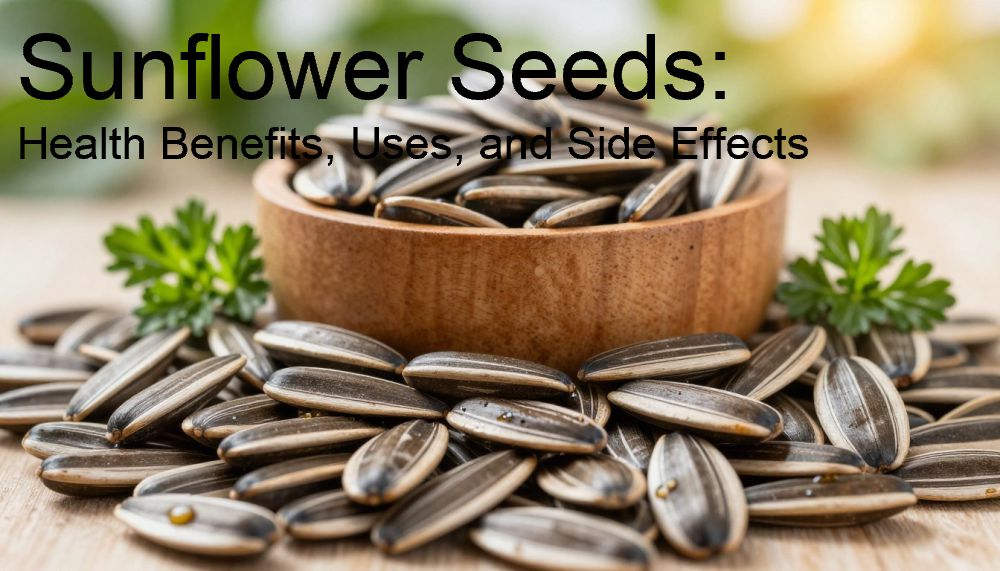
This vital nutrient source provides plenty of vitamin e for your body to function well. This specific antioxidant helps protect your cells from oxidative damage very effectively. You will enjoy many health benefits by incorporating them into your favorite dishes or eating them plain.
Are you curious about how to use these snacks safely in your kitchen? We will explore their top nutritional perks and some potential risks you should know. Let’s dive into why these crunchy items remain so popular across the United States today.
Key Takeaways
- Contains high levels of essential minerals and antioxidants.
- Supports heart health and strengthens the immune system.
- Provides an excellent source of plant-based protein.
- Works as a versatile ingredient for salads and baking.
- Advised to monitor sodium levels in roasted varieties.
- Delivers healthy fats for sustained physical energy.
The Nutritional Profile of Sunflower Seeds
Understanding the nutritional composition of sunflower seeds is essential to appreciating their value in a healthy diet. Sunflower seeds are a nutrient-dense food, providing a rich mix of macronutrients and micronutrients that contribute to their numerous health benefits.
Macronutrients: Protein, Healthy Fats, and Fiber
Sunflower seeds are an excellent source of macronutrients that are vital for energy production, growth, and overall health. They contain a significant amount of protein, making them a great option for those looking to increase their protein intake, especially for vegetarians and vegans. The healthy fats in sunflower seeds, primarily in the form of unsaturated fats, support heart health by helping to lower bad cholesterol levels. Additionally, sunflower seeds are a good source of dietary fiber, which is crucial for digestive health and satiety.
A 1/4 cup serving of sunflower seeds provides approximately:
- 6 grams of protein
- 14 grams of fat, mostly unsaturated
- 4 grams of fiber
Essential Vitamins and Minerals in Sunflower Seeds
Sunflower seeds are also rich in essential vitamins and minerals. They are particularly high in vitamin E, a powerful antioxidant that protects cells from damage and supports skin health. Sunflower seeds are also a good source of selenium, a mineral that plays a critical role in immune function and thyroid health. Other notable minerals found in sunflower seeds include magnesium, copper, and zinc, which are important for various bodily functions, including energy production, nerve function, and immune response.
The vitamin and mineral content in sunflower seeds contributes to their potential health benefits, making them a nutritious addition to a balanced diet.
Key Health Benefits of Sunflower Seeds
Rich in essential nutrients, sunflower seeds provide numerous health advantages that can significantly impact one’s quality of life. Consuming sunflower seeds can be a simple yet effective way to enhance overall health.
Boosting Immune System Function
Sunflower seeds are an excellent source of vitamin E, a powerful antioxidant that plays a crucial role in immune system function. Vitamin E helps protect cells from damage, supporting the body’s natural defense mechanisms. Additionally, sunflower seeds contain selenium, another essential nutrient that contributes to immune system health.
Promoting Skin Health and Radiance
The high levels of vitamin E in sunflower seeds also make them beneficial for skin health. Vitamin E’s antioxidant properties help protect the skin from damage caused by free radicals, promoting healthier and more radiant skin. Furthermore, the fatty acids present in sunflower seeds support skin health by maintaining its integrity and hydration.
Supporting Metabolic Processes
Sunflower seeds are rich in magnesium, a mineral that is crucial for various metabolic processes, including energy production and nerve function. Magnesium also helps regulate blood sugar levels and supports bone health, making sunflower seeds a nutritious snack for overall metabolic well-being.
| Nutrient | Health Benefit |
|---|---|
| Vitamin E | Boosts immune system function and promotes skin health |
| Selenium | Supports immune system health |
| Magnesium | Essential for metabolic processes, energy production, and bone health |
| Fatty Acids | Maintains skin integrity and hydration |
Supporting Cardiovascular and Heart Health
Incorporating sunflower seeds into your diet can contribute to a healthier heart. Sunflower seeds are rich in nutrients that support cardiovascular well-being, making them a valuable addition to a heart-healthy diet.
Managing Cholesterol Levels with Healthy Fats
Sunflower seeds are an excellent source of healthy fats, including monounsaturated and polyunsaturated fats. These fats help in managing cholesterol levels by reducing the bad (LDL) cholesterol and increasing the good (HDL) cholesterol. As stated by the American Heart Association, “a diet rich in unsaturated fats can help lower total and LDL cholesterol levels.”
“A diet rich in unsaturated fats can help lower total and LDL cholesterol levels.”
American Heart Association
This balance is crucial for maintaining healthy cardiovascular function and reducing the risk of heart disease.
The Role of Magnesium in Blood Pressure Regulation
Magnesium, a mineral found in sunflower seeds, plays a critical role in blood pressure regulation. It helps to relax the blood vessels, improving blood flow and reducing pressure on the heart. Adequate magnesium intake is associated with a lower risk of hypertension and cardiovascular disease.
- Magnesium helps relax blood vessels.
- It improves blood flow and reduces blood pressure.
- Adequate intake is linked to lower cardiovascular risk.
Reducing Inflammation for Better Heart Function
Sunflower seeds contain various antioxidants and anti-inflammatory compounds that help reduce inflammation in the body. Chronic inflammation is a known risk factor for heart disease, as it can damage blood vessels and lead to plaque buildup. By consuming sunflower seeds, individuals can benefit from their anti-inflammatory properties, supporting better heart function and overall cardiovascular health.
“The anti-inflammatory effects of sunflower seeds can contribute to a reduced risk of heart disease.” This is particularly important for maintaining long-term heart health.
The Role of Vitamin E and Antioxidants
Sunflower seeds stand out as a rich source of vitamin E, a vital antioxidant that combats oxidative stress. This nutrient plays a significant role in protecting cells from damage and supporting overall health.
Combating Oxidative Stress
Oxidative stress occurs when there’s an imbalance between free radicals and antioxidants in the body. Vitamin E in sunflower seeds helps neutralize free radicals, thus reducing oxidative stress. This process is crucial for preventing chronic diseases such as heart disease and cancer.
Cellular Protection and Longevity
The antioxidants in sunflower seeds, particularly vitamin E, contribute to cellular protection by safeguarding cell membranes and DNA from damage. This protection supports longevity by reducing the risk of age-related diseases.
Why Sunflower Seeds Are an Excellent Source of Vitamin E
Sunflower seeds are considered an excellent source of vitamin E due to their high content of this essential nutrient. Incorporating sunflower seeds into your diet can significantly boost your vitamin E intake, supporting overall health and well-being.
Impact on Thyroid and Reproductive Health
With their rich content of essential nutrients, sunflower seeds play a crucial role in maintaining thyroid and reproductive well-being. The thyroid gland, responsible for regulating metabolism, growth, and development, benefits significantly from the selenium content in sunflower seeds.
Selenium Content and Thyroid Function
Sunflower seeds are an excellent source of selenium, a trace mineral that is vital for thyroid function. Selenium helps convert thyroid hormone T4 into its active form T3, which is essential for various bodily functions. A deficiency in selenium can lead to thyroid dysfunction, including conditions like hypothyroidism.
Selenium’s role in thyroid health is multifaceted. It not only aids in the conversion of T4 to T3 but also acts as an antioxidant, protecting the thyroid gland from oxidative damage. This dual function makes selenium-rich foods like sunflower seeds crucial for maintaining thyroid health.
Nutrients Supporting Male Reproductive Health
Sunflower seeds are also beneficial for male reproductive health due to their nutrient-rich profile. They contain zinc, a mineral that is essential for sperm health and testosterone production. Zinc deficiency has been linked to reduced fertility and lower testosterone levels.
| Nutrient | Benefit to Male Reproductive Health |
|---|---|
| Zinc | Essential for sperm health and testosterone production |
| Selenium | Acts as an antioxidant, protecting sperm from damage |
| Vitamin E | Protects cell membranes and supports overall reproductive health |
Incorporating sunflower seeds into one’s diet can thus support male reproductive health by providing these essential nutrients. The antioxidant properties of selenium and vitamin E in sunflower seeds help protect sperm from oxidative stress, potentially improving fertility.
Culinary Uses and How to Incorporate Sunflower Seeds
Whether you’re looking to add some crunch or boost the nutritional value of your meals, sunflower seeds are an excellent choice. They can be easily incorporated into a variety of dishes, from salads and snacks to baked goods and main courses.
Adding Raw and Roasted Sunflower Seeds to Meals
Sunflower seeds can be enjoyed both raw and roasted, each offering a unique flavor and texture. Raw sunflower seeds have a softer texture and a more subtle taste, while roasted sunflower seeds are crunchier and have a richer, nuttier flavor.
Here are some ways to add them to your meals:
- Sprinkle raw or roasted sunflower seeds on salads for added crunch and nutrition.
- Use them as a topping for yogurt or oatmeal.
- Add sunflower seeds to your favorite trail mix recipe.
- Incorporate them into homemade granola for a nutritious breakfast.
Using Sunflower Seed Butter as a Nut-Free Alternative
Sunflower seed butter is a great alternative to peanut butter for those with nut allergies. It’s made by grinding sunflower seeds into a smooth paste.
This butter can be used in various ways:
- Spread it on toast or crackers.
- Use it in baking recipes that call for nut butters.
- Add it to smoothies for a creamy texture and nutty flavor.
Creative Ways to Use Shelled Sunflower Seeds in Baking
Shelled sunflower seeds can add texture and flavor to baked goods. Here are some ideas:
- Add them to muffin or bread recipes for extra nutrition.
- Use them as a topping for cakes or cookies before baking.
- Incorporate them into energy bars or granola bars.
“The discovery of a new dish does more for human happiness than the discovery of a new star.” – Jean Anthelme Brillat-Savarin
By incorporating sunflower seeds into your diet, you not only enhance the flavor and texture of your meals but also boost their nutritional value.
| Culinary Use | Description | Benefits |
|---|---|---|
| Raw/Roasted Sunflower Seeds | Add to salads, yogurt, oatmeal, or trail mix. | Crunchy texture, nutty flavor, high in protein and healthy fats. |
| Sunflower Seed Butter | Spread on toast, use in baking, or add to smoothies. | Nut-free alternative, rich in vitamins and minerals. |
| Shelled Sunflower Seeds in Baking | Add to muffins, bread, cakes, or energy bars. | Enhances texture and flavor, adds nutritional value. |
Understanding Potential Side Effects and Allergies
Sunflower seeds are generally safe, but they can cause problems for people with specific allergies or sensitivities. While they offer numerous health benefits, it’s essential to be aware of the potential side effects and take necessary precautions.
Recognizing Symptoms of a Sunflower Seed Allergy
An allergy to sunflower seeds is relatively rare but can cause significant discomfort. Symptoms may include:
- Hives or itchy skin
- Swelling of the face, lips, tongue, or throat
- Stomach cramps
- Diarrhea or nausea
- In severe cases, anaphylaxis, a life-threatening allergic reaction
If you experience any of these symptoms after consuming sunflower seeds, it’s crucial to seek medical attention.
Managing Sodium Intake from Salted Sunflower Seeds
Many sunflower seeds are seasoned with salt, which can be a concern for those monitoring their sodium intake. High sodium consumption is linked to increased risk of hypertension and cardiovascular disease. To manage sodium intake:
- Opt for unsalted or low-sodium sunflower seeds
- Use sunflower seeds as a topping in moderation
- Balance your diet with low-sodium foods
Being mindful of sodium intake can help mitigate potential risks associated with salted sunflower seeds.
Risks Associated with Eating Too Many Sunflower Seeds
While sunflower seeds are nutritious, overconsumption can lead to issues such as:
- Weight gain due to high calorie content
- Digestive problems, including bloating or gas
- Potential for excessive intake of certain nutrients or additives
To avoid these risks, enjoy sunflower seeds in moderation as part of a balanced diet.
Choosing and Storing Quality Sunflower Seeds
To get the most out of sunflower seeds, it’s essential to understand the differences between various types and how to store them properly. Sunflower seeds can be a nutritious and delicious addition to a variety of dishes, from salads to baked goods.
Raw vs. Roasted: Which Should You Choose?
Sunflower seeds come in both raw and roasted forms, each with its own set of benefits. Raw sunflower seeds retain more of their natural nutrients, including vitamin E and healthy fats, because they haven’t been subjected to high temperatures. On the other hand, roasted sunflower seeds have a richer flavor and crunchier texture, making them a popular choice for snacking.
Raw Sunflower Seeds: Higher in antioxidants and nutrients like vitamin E.
Roasted Sunflower Seeds: Enhanced flavor and texture, but may have slightly lower nutrient content due to the roasting process.
| Type | Nutrient Retention | Flavor and Texture |
|---|---|---|
| Raw | Higher | Milder |
| Roasted | Lower | Enhanced |
Proper Storage to Maintain Freshness and Nutrient Content
Proper storage is crucial to maintaining the freshness and nutritional value of sunflower seeds. Exposure to air, moisture, and heat can cause the seeds to become rancid or lose their flavor.
- Store sunflower seeds in an airtight container to prevent moisture and air from affecting their quality.
- Keep them in a cool, dry place, such as a pantry or cupboard.
- For longer storage, consider refrigerating or freezing the seeds to preserve their freshness and nutrient content.
Identifying High-Quality Sources
When purchasing sunflower seeds, look for sources that prioritize quality and sustainability. High-quality sunflower seeds are more likely to be free from contaminants and have better nutritional profiles.
Tips for Finding High-Quality Sunflower Seeds:
- Choose seeds from reputable suppliers or brands known for their quality control.
- Opt for organic or non-GMO options when possible.
- Check the packaging for clear labeling regarding the seed’s origin, processing, and storage instructions.
Conclusion
Sunflower seeds are a nutritious addition to a balanced diet, providing numerous overall health benefits. They are a good source of essential vitamins, minerals, and healthy fats that support overall health and well-being.
Incorporating sunflower seeds into your daily meals can have a significant impact on your overall health. They offer a rich mix of nutrients that can boost your immune system, promote healthy skin, and support metabolic processes.
With their high nutritional value and versatility in cooking, sunflower seeds are an excellent choice for those looking to enhance their diet. Whether you enjoy them raw, roasted, or as a butter, sunflower seeds can be a delicious and healthy addition to your daily routine.
By making sunflower seeds a part of your balanced diet, you can reap their rewards and support your overall health and well-being.
FAQ
What are the primary health benefits of sunflower seeds for daily wellness?
The health benefits of sunflower seeds are extensive because sunflower seeds are a rich source of essential nutrients. Consuming sunflower seeds regularly can support heart health, improve skin health, and boost your immune system. Because sunflower seeds are an excellent source of vitamin E, they help protect your cells from oxidative stress. Additionally, sunflower seeds also provide fiber and protein, which are vital for overall health and maintaining energy levels throughout the day.
How do the nutrients in sunflower seeds support cardiovascular health?
Sunflower seeds can help your heart in several ways. Sunflower seeds contain phytosterols, which help manage cholesterol levels, and sunflower seeds are high in healthy fats in sunflower seeds, specifically linoleic acid. Furthermore, seeds contain magnesium, which plays a critical role in blood pressure regulation. By including sunflower seeds in your diet—such as those from trusted brands like David Sunflower Seeds—you are providing your body with the nutrients in sunflower seeds necessary to support heart health and improve cardiovascular health.
Is the vitamin E in sunflower seeds beneficial for my skin?
Absolutely! Sunflower seeds are one of the best natural ways to consume sunflower-derived antioxidants. The vitamin e in sunflower seeds acts as a powerful fat-soluble antioxidant that protects skin health by combating free radicals. Sunflower seeds contain vitamin e in high amounts, which helps maintain the integrity of cell membranes. Many people like sunflower seeds because they provide these nutritional benefits from within, making them a great addition to a beauty-focused diet.
Can sunflower seeds also impact thyroid and reproductive health?
Yes, they can! Sunflower seeds supportthyroid health due to their high selenium content, a mineral that is essential for proper thyroid function. Additionally, sunflower seeds provide nutrients that are beneficial for reproductive health. Specifically, the zinc and antioxidants found in sunflower seeds are known to support male reproductive health by promoting healthy sperm production. Seeds can also play a role in hormonal balance for everyone when seeds as part of a balanced diet are consumed.
How can I best incorporate sunflower seeds into my diet?
It is very easy to add sunflower seeds to your meals! You can enjoy sunflower seeds by sprinkling roasted sunflower seeds or shelled sunflower seeds over salads, oatmeal, or yogurt. If you prefer a spread, sunflower seed butter (like the popular SunButter) is a delicious nut-free alternative. You can also incorporate sunflower seeds into your baking, using sunflower seed kernels in muffins or bread. Whether you choose raw sunflower seeds or roasted sunflower, these seeds make a crunchy and nutritious addition to any dish.
What should I know about potential side effects or a sunflower seed allergy?
While seeds are generally safe, some individuals may be allergic to sunflower seeds. Symptoms of a sunflower seed allergy can include skin rashes or digestive upset. Also, eating too many sunflower seeds—especially salted sunflower seeds—can lead to an excessive intake of sodium and calories. To get the benefits without the extra salt, it is better to choose unsalted sunflower seeds. Be mindful of the amounts of sunflower seeds you eat; a standard serving of sunflower seeds is typically about a quarter cup of sunflower seeds.
How should I choose and store high-quality sunflower seeds?
When shopping, look for high-quality sources such as Terrasoul Superfoods or Now Real Food to ensure the seeds are harvested correctly. You can choose between raw sunflower seeds, which retain more natural enzymes, or roasted sunflower seeds for a deeper flavor. To maintain the sunflower seed nutrition and prevent the healthy fats in sunflower seeds from going rancid, store them in a cool, dry place or the refrigerator. Proper storage ensures the vitamins in sunflower seeds remain potent and the seeds are a rich source of flavor for longer.
How many sunflower seeds per day is considered a healthy amount?
Regular consumption of sunflower seeds is most beneficial in moderation. Most nutritionists suggest a serving of sunflower seeds is roughly 30 grams, or about 1/4 cup. This amount of sunflower seeds ensures you receive the nutritional benefits, including the protein in sunflower seeds and magnesium, without the potential side effects of excessive caloric intake. Sunflower seeds are a good way to stay full between meals while boosting your intake of essential minerals in sunflower seeds.