This traditional fermented food has captured the attention of kitchens across the globe. Known for its bold, spicy flavor, it serves as a staple in many diets. People everywhere are discovering how this dish transforms simple meals into nutrient-dense experiences.
Many individuals choose to eat kimchi because of its impressive profile. The health benefits of kimchi are rooted in its unique preparation process. By supporting gut health, this vibrant side dish helps maintain a balanced internal environment.
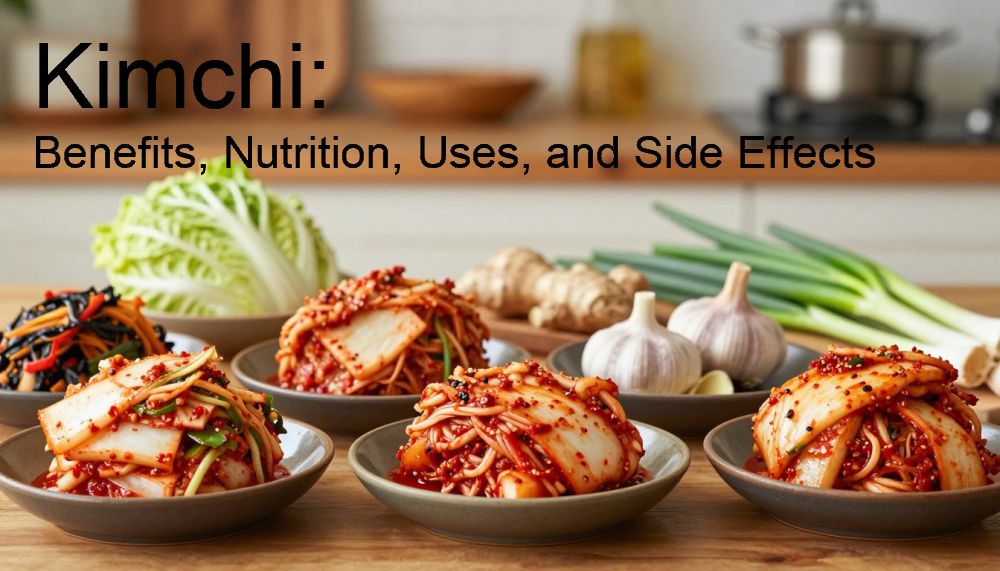
Understanding the effects of kimchi allows you to make informed choices about your daily nutrition. Whether you are new to this food or a long-time fan, exploring its properties reveals why it remains a wellness powerhouse. Let’s dive into the science and tradition behind this iconic dish.
Key Takeaways
- This dish is a nutrient-rich fermented staple.
- Regular consumption supports a healthy digestive system.
- It provides essential vitamins and beneficial probiotics.
- The unique preparation enhances overall wellness.
- Understanding its properties helps you integrate it into a balanced diet.
Understanding the Origins and Cultural Significance of Kimchi
The story of kimchi is a fascinating journey through time, reflecting the ingenuity of Korean ancestors in food preservation. What began centuries ago as simple salted vegetables has evolved into a complex, spicy, and masterfully fermented culinary treasure. Today, this dish stands as a cornerstone of Korean cuisine, representing a deep cultural heritage that values both seasonal eating and long-term storage.
At its core, kimchi is a traditional korean staple that defines the identity of a nation. It is much more than just a side dish; it is a symbol of community and family history. Many households have passed down unique recipes through generations, ensuring that the specific flavor profiles remain a point of pride.
The transformation of raw produce into a fermented vegetable masterpiece is what makes this food so special. Because kimchi is a fermented product, it relies on natural bacteria to develop its signature tangy taste and crisp texture. This process was originally designed to help families survive the harsh, cold winters when fresh produce was unavailable.
Understanding why kimchi is a fermented food helps us appreciate the science behind the flavor. The korean fermented tradition emphasizes patience and balance, allowing ingredients like garlic, ginger, and chili to meld perfectly over time. Consider these key aspects of its cultural importance:
- Preservation: It allowed for year-round access to essential nutrients.
- Community: The tradition of Kimjang, or communal kimchi-making, strengthens social bonds.
- Identity: It serves as a global ambassador for korean fermented food culture.
- Versatility: As a fermented vegetable, it adapts to various regional ingredients and local climates.
By looking at these roots, we gain essential context for the depth of flavor found in every jar. Kimchi is a traditional korean dish that continues to bridge the gap between ancient survival techniques and modern health-conscious dining.
The Nutritional Profile of Kimchi
When you look at the content of kimchi, you quickly realize it is much more than just a flavorful side dish. This traditional Korean staple packs a dense punch of nutrients that can support your overall well-being. By integrating this fermented vegetable dish into your meals, you gain access to a variety of health-promoting compounds.
Key Vitamins and Minerals
Kimchi is a good source of essential micronutrients that your body needs to function at its best. It is particularly rich in Vitamin C, which supports immune health, and Vitamin K, which is vital for bone density and blood clotting. Furthermore, the fermentation process helps preserve these vitamins, ensuring you get the most out of every bite.
Beyond these, you will find a range of B vitamins, including riboflavin and folate, which are crucial for energy production. Because kimchi nutrition is so diverse, it acts as a natural supplement for those looking to improve their daily intake of minerals like iron and calcium. Many experts agree that the complexity of these ingredients makes it a standout choice for a balanced diet.
“Fermented foods like kimchi provide a unique synergy of nutrients that are often missing from the modern, highly processed diet.”
Low-Calorie and High-Fiber Benefits
One of the most appealing aspects of this dish is that kimchi is low in calories, making it a perfect addition to any weight-conscious meal plan. You can enjoy a generous serving without worrying about excessive caloric intake. This makes it an excellent alternative to heavier, calorie-dense side dishes.
Additionally, the high fiber content in the cabbage and radish base promotes healthy digestion and helps you feel full for longer. Maintaining a diet that is high in fiber is a good source of long-term health benefits, including better blood sugar regulation. The following table outlines why the content of kimchi is so beneficial for your daily goals.
| Nutrient Category | Primary Benefit | Impact on Health |
|---|---|---|
| Vitamin C | Immune Support | High |
| Dietary Fiber | Digestive Health | High |
| Vitamin K | Bone Strength | Moderate |
| B Vitamins | Energy Levels | Moderate |
Ultimately, understanding kimchi nutrition allows you to make informed choices about your food. Since kimchi is low in calories and packed with essential vitamins, it remains a smart, delicious way to nourish your body every single day.
Probiotics and the Gut Microbiome
Understanding the microscopic world inside your digestive tract reveals why traditional fermented dishes are so highly regarded today. When you consume fermented food, you introduce a variety of beneficial microorganisms to your internal system. This process is essential for maintaining a balanced environment where your body can thrive.
How Fermentation Creates Good Bacteria
The magic happens during the natural fermentation process, which turns raw vegetables into a nutrient-dense staple. As the vegetables sit in a brine, lactic acid bacteria begin to multiply rapidly. These good bacteria are the primary reason why kimchi is considered such a healthy addition to your meals.
This transformation does more than just preserve the vegetables; it creates a living culture. Because of this, probiotics in kimchi are highly active and ready to support your system. Many people find that kimchi good for their daily routine because it provides a consistent source of these vital microorganisms.
Impact on Digestive Health
A healthy gut microbiome is the foundation of your overall well-being. By regularly eating probiotic-rich foods like kimchi, you help maintain the delicate balance of flora in your intestines. This balance is crucial for efficient digestion and effective nutrient absorption.
Furthermore, foods like kimchi may offer superior benefits compared to other fermented options due to the diversity of ingredients used. When you prioritize your gut health, you are also supporting your immune system. Incorporating foods like kimchi may be one of the simplest ways to ensure your digestive tract functions at its best every single day.
Kimchi and Heart Health Benefits
Beyond its bold flavor, kimchi has numerous health benefits that extend to your cardiovascular system. Many potential health benefits are associated with regular consumption of this spicy dish, making it a smart addition to a balanced diet. Research suggests that kimchi may help maintain a healthy heart through various biological mechanisms.
Lowering Cholesterol Levels
One of the most significant advantages of this fermented vegetable is its ability to promote health by lowering cholesterol. A specific compound in kimchi works to regulate lipid profiles, which is essential for long-term wellness. By incorporating this food into your meals, you may find it easier to manage your cholesterol levels naturally.
Anti-Inflammatory Effects on the Cardiovascular System
Chronic inflammation is often a precursor to heart issues, but the anti-inflammatory effects of this dish provide a protective barrier. These potential health benefits of kimchi help reduce systemic stress on your arteries and veins. Because of this, many experts agree that kimchi may support heart health effectively.
When you consider the variety of health benefits available, it is clear why this traditional food remains a staple. Whether you are looking for heart health benefits or general wellness, this fermented classic is a powerful ally. Ultimately, kimchi may be one of the most delicious ways to care for your cardiovascular system.
Exploring Different Varieties of Kimchi
Exploring the many varieties of kimchi reveals a fascinating landscape of flavors and textures. While many people associate this dish solely with cabbage, the reality is that almost any vegetable can be transformed into a delicious fermented vegetable delight.
Traditional Napa Cabbage Kimchi
The most iconic version is undoubtedly the Napa cabbage style. This fermented kimchi relies on a base of salted cabbage leaves coated in a spicy paste made from chili powder, garlic, ginger, and fish sauce.
It offers a perfect balance of crunch and tang. Many households consider this the gold standard for any Korean fermented meal.
Radish and Cucumber Variations
If you prefer a different mouthfeel, radish and cucumber types of kimchi are excellent choices. Radish versions, known as kkakdugi, provide a satisfying, firm crunch that holds up well during the fermentation process.
Cucumber kimchi, or oisobagi, is prized for its refreshing and light profile. It is often enjoyed during warmer months because of its crisp, hydrating nature.
“The beauty of kimchi lies in its infinite adaptability; it is a living history of the land and the seasons.”
Traditional Korean Culinary Proverb
Regional Differences in Korean Fermented Vegetables
Regional geography plays a massive role in how these dishes are prepared. In the northern parts of Korea, the climate is cooler, leading to milder, less salty fermented kimchi recipes.
Conversely, southern regions often use more salt and spicy chili to preserve their vegetables in the warmer weather. These types of kimchi reflect the local availability of ingredients like seafood, which is frequently added in coastal areas.
| Kimchi Variety | Main Ingredient | Texture | Flavor Profile |
|---|---|---|---|
| Baechu | Napa Cabbage | Crunchy/Soft | Spicy/Umami |
| Kkakdugi | Daikon Radish | Very Firm | Sharp/Tangy |
| Oisobagi | Cucumber | Crisp | Light/Refreshing |
Understanding these varieties of kimchi allows you to appreciate the depth of this Korean fermented tradition. Whether you enjoy the classic cabbage or a crisp radish, there is a fermented vegetable style for every palate.
How to Make Kimchi at Home
Creating your own fermented vegetables at home is a surprisingly simple and rewarding culinary adventure. When you make kimchi at home, you gain full control over the spice levels and ingredient quality, ensuring a final product that perfectly suits your palate.
Essential Ingredients and Equipment
To begin your journey, you will need a few staples. The foundation of any great kimchi recipe includes Napa cabbage, coarse sea salt, garlic, ginger, and Korean red chili flakes, known as gochugaru.
For equipment, gather a large mixing bowl, a sharp knife, and a clean glass jar for fermentation. Using a glass jar with a tight-fitting lid or a specialized fermentation crock helps keep the vegetables submerged in their own brine. Weights are essential to ensure the cabbage stays below the liquid line, which prevents spoilage and promotes healthy bacterial growth.
Step-by-Step Fermentation Process
Learning to make your own kimchi is a straightforward process that anyone can master. Follow these steps to create delicious homemade kimchi in your own kitchen:
- Prepare the cabbage: Cut the Napa cabbage into bite-sized pieces and toss them thoroughly with sea salt. Let the cabbage sit for about two hours until it softens and releases water.
- Create the seasoning paste: Mix your garlic, ginger, chili flakes, and a touch of sugar or fish sauce to form a thick, flavorful paste.
- Combine and pack: Rinse the salt from the cabbage, drain it well, and massage the seasoning paste into every leaf. Pack the mixture tightly into your jar, leaving a little space at the top.
- Ferment: Seal the jar and store it in a cool, dark place for three to five days. Taste your kimchi periodically to see if it has reached your preferred level of tanginess.
Once the fermentation reaches your desired flavor profile, move the jar to the refrigerator to slow down the process. This kimchi recipe will continue to develop complex flavors over time, making your homemade kimchi even better after a few weeks of cold storage.
Culinary Uses and Serving Suggestions
You might be surprised by how easily you can transform your daily meals with a simple scoop of this tangy staple. While many people recognize kimchi as a classic fermented vegetable, its bold flavor profile makes it an incredibly versatile ingredient for any home cook.
Kimchi as a Traditional Side Dish
In its most authentic form, kimchi as a side dish is served alongside steamed white rice and various proteins. This pairing provides a refreshing, acidic contrast to rich or savory main courses. Many households enjoy it straight from the jar, allowing the complex, spicy notes to cleanse the palate between bites.
Because it is packed with flavor, even a small portion can elevate a simple bowl of rice into a satisfying meal. It serves as the perfect accompaniment to grilled meats, providing a crunchy texture that balances the tenderness of the protein.
Incorporating Kimchi into Modern Recipes
If you want to experiment, you can add kimchi to a variety of contemporary dishes to boost their depth. It works beautifully in hearty soups and stews, where the fermentation process adds a savory umami punch to the broth. You can also include kimchi in stir-fries, tossing it in at the last minute to maintain its signature crispness.
Kimchi can also be used as a creative topping for burgers or tucked into fusion tacos for a spicy, tangy kick. Because kimchi can also act as a bold condiment, it replaces traditional pickles or relishes in many recipes. Whether you are looking to add kimchi to a breakfast scramble or a dinner bowl, this ingredient brings a unique flair to your table.
Potential Side Effects and Risks
While many people enjoy the tangy crunch of fermented vegetables, it is important to understand the possible benefits and risks of kimchi. Although this traditional dish is generally safe to eat, being aware of how it interacts with your body helps you maintain a balanced diet.
Sodium Content Considerations
One primary factor to consider is the salt used during the preservation process. Because salt is essential for creating the environment where healthy bacteria thrive, kimchi often contains high levels of sodium.
For individuals managing high blood pressure or those on strictly low-sodium diets, kimchi isn’t always the most suitable choice. You can manage your intake by rinsing the vegetables before serving or by incorporating smaller portions into your meals to keep your sodium levels within a healthy range.
Digestive Sensitivity and Fermentation
The intense fermentation process that gives this food its unique flavor can sometimes lead to digestive discomfort. If you are not used to eating fermented foods, you might experience bloating or gas after your first few servings.
These risks of kimchi are usually temporary as your gut microbiome adjusts to the influx of probiotics. To stay safe to eat, start with small amounts and gradually increase your portion size as your system becomes accustomed to the beneficial bacteria. Understanding the benefits and risks of kimchi allows you to enjoy this vibrant dish while listening to your body’s specific needs.
Selecting and Storing Store-Bought Kimchi
Navigating the refrigerated aisles for high-quality fermented vegetables requires a bit of know-how. When you shop at health food stores, you want to ensure you are getting a product that supports your wellness goals rather than just a shelf-stable imitation.
What to Look for in Health Food Stores
The most important factor when buying store-bought kimchi is the fermentation method. Always check the label to confirm the product is naturally fermented rather than made with vinegar. Vinegar-based versions lack the beneficial live cultures that make this dish a nutritional powerhouse.
Look for jars that indicate the presence of live active cultures. If the label mentions “raw” or “unpasteurized,” you are likely holding a high-quality fermented kimchi. Avoid products that have been heat-treated, as this process kills the healthy bacteria you are looking for.
Proper Storage Techniques for Longevity
Once you bring your store kimchi home, proper handling is essential to maintain its quality. Always keep the jar tightly sealed to prevent unwanted air exposure, which can alter the flavor profile. Refrigeration is mandatory to slow down the fermentation process and keep the vegetables crisp.
Try to keep your kimchi in the coldest part of your refrigerator, usually toward the back. If you notice the lid bulging slightly, do not worry; this is often a sign of active, healthy fermentation. By following these simple steps, you can enjoy your store-bought kimchi for several weeks while keeping the flavor and texture at their peak.
The Science Behind Kimchi Consumption
The secret to the health benefits of this spicy staple lies deep within its microscopic fermentation process. Scientists have spent years analyzing how traditional preparation methods transform simple vegetables into a functional food powerhouse. By examining the effects of kimchi on human physiology, researchers are uncovering why this dish remains a cornerstone of wellness.
Research on Lactobacillus Plantarum
A significant portion of current research focuses on specific bacterial strains that thrive during fermentation. One notable discovery involves plantarum 200655 isolated from kimchi, which has shown remarkable potential in clinical trials. This specific strain is often isolated from kimchi to study its unique ability to modulate metabolic markers.
Studies have found that kimchi containing these active cultures can influence how the body processes nutrients. When these bacteria are introduced into the digestive system, they interact with the gut microbiome to support metabolic balance. This interaction is a primary reason why kimchi consumption is linked to improved physiological markers.
Association Between Kimchi and Overall Health
The association between kimchi consumption and long-term wellness is supported by a growing body of clinical evidence. Regular intake of this fermented vegetable dish may contribute to better overall health by strengthening the body’s internal defenses. Researchers continue to explore the potential health benefits that arise from these consistent dietary habits.
Beyond digestion, the effects of kimchi extend to systemic wellness, including positive impacts on heart health. The association between kimchi and reduced inflammation suggests that consuming kimchi is more than just a culinary choice; it is a proactive step toward vitality. Ultimately, the impact of kimchi on human health highlights the importance of traditional foods in modern nutrition.
Integrating Kimchi into Your Daily Diet
Many people wonder how to start eating fermented foods like kimchi without upsetting their stomach. While the health benefits are vast, your body needs time to adjust to the active cultures found in this traditional dish. By introducing it slowly, you can enjoy the tangy flavor while supporting your digestive system.
Recommended Daily Amounts
When you decide to eat kimchi, you do not need to consume large quantities to see results. Most experts suggest that a small serving of kimchi, roughly one-quarter to one-half cup, is sufficient for most adults. This amount provides a concentrated dose of probiotics without overwhelming your system with excess sodium.
If you want to make kimchi daily, consistency is far more important than the total volume. You might find that your kimchi intake feels most comfortable when spread across two meals rather than eaten all at once. Listen to your body and adjust these amounts of kimchi based on how you feel after each meal.
The secret to long-term health is not found in a single superfood, but in the consistent inclusion of diverse, fermented ingredients that nourish the gut microbiome every single day.
— Nutritionist Perspective
Tips for Beginners Eating Fermented Foods
Starting your journey with fermented foods like kimchi can be an exciting culinary experience. If the flavor is too intense at first, try mixing a small amount into cooked rice, soups, or stir-fries. This method helps mellow the acidity while still allowing you to benefit from consuming fermented foods like kimchi.
For those who want to eat kimchi every day, keep a jar in your refrigerator to ensure it is always accessible. Using fermented foods like this as a condiment rather than a main dish is a great way to build a sustainable habit. Refer to the table below for simple ways to incorporate this superfood into your routine.
| Meal Type | Serving Suggestion | Frequency |
|---|---|---|
| Breakfast | Mixed into scrambled eggs | Occasional |
| Lunch | Side dish with grain bowls | Daily |
| Dinner | Topping for grilled meats | Daily |
| Snack | Paired with crackers | Occasional |
Conclusion
Adding fermented vegetables to your daily routine creates a simple path toward better wellness. This traditional Korean staple brings a unique balance of flavor and nutrition to any meal. You now possess the tools to select high-quality jars from brands like Mother-in-Law’s or Wildbrine to support your health goals.
Experimenting with different recipes allows you to discover how this spicy dish fits your personal palate. Start with small portions to let your body adjust to the active cultures. Consistent habits lead to lasting improvements in your digestive comfort and overall vitality.
Share your favorite ways to serve this vibrant food with friends and family. Your journey into the world of probiotics starts with a single bite. Enjoy the process of exploring new tastes while nourishing your body with every serving.
FAQ
What are the primary health benefits of kimchi?
Kimchi has numerous health benefits, largely due to its status as a fermented vegetable. It is a good source of vitamins A, B, and C, but its most significant impact is on gut health. Because kimchi is a fermented product, it is packed with probiotics in kimchi that support a healthy gut microbiome. Additionally, kimchi may help improve overall health by providing anti-inflammatory effects and supporting the immune system.
How does kimchi support heart health?
Research into the potential health benefits of kimchi suggests it can support heart health by improving cholesterol levels. A specific compound in kimchi has been shown to boost health by lowering cholesterol and reducing systemic inflammation. Regular kimchi consumption is often linked to better cardiovascular outcomes, making the heart health benefits of this Korean fermented staple a great reason to include kimchi in your weekly meal prep.
Is it easy to make kimchi at home?
Absolutely! You can make kimchi at home with just a few basic tools and fresh ingredients. To make your own kimchi, you’ll typically need Napa cabbage, salt, garlic, ginger, and Korean chili flakes (Gochugaru). Following a traditional kimchi recipe involves a salt-brining phase followed by a fermentation period. Creating homemade kimchi is a rewarding way to control the spice level and ensure you are eating fermented foods that are free from unnecessary preservatives.
What are the most common varieties of kimchi?
While many people first think of the traditional Korean Napa cabbage version (Baechu-kimchi), there are actually hundreds of types of kimchi. Popular varieties of kimchi include Kkakdugi (cubed radish), Oi Sobagi (cucumber), and Pa-kimchi (green onion). Each of these fermented kimchi styles offers different textures and flavors, ranging from crunchy and refreshing to pungent and spicy, allowing you to enjoy a variety of health benefits across different vegetable bases.
Are there any risks of kimchi or side effects I should know about?
While it is generally safe to eat, there are some risks of kimchi to consider. The content of kimchi can be quite high in sodium, so kimchi isn’t always ideal for those on a strict low-salt diet. Additionally, because kimchi is a traditional Korean dish that is heavily fermented, some people may experience bloating or gas when they first eat kimchi every day. It is important to weigh the possible benefits and risks based on your own digestive sensitivity.
How should I store kimchi to keep it fresh?
To maintain the quality of both homemade kimchi and store-bought kimchi, you must keep it refrigerated. When you store kimchi, ensure the vegetables are completely submerged in their brine to prevent spoilage. Keeping the jar tightly sealed helps preserve the good bacteria and prevents the aroma from taking over your fridge. Proper storage ensures that your serving of kimchi stays crisp and remains a potent source of probiotics in kimchi for weeks or even months.
Can I find high-quality kimchi at the grocery store?
Yes, most health food stores and major retailers like Whole Foods Market or Trader Joe’s carry excellent options. When looking for store-bought kimchi, check the label to ensure it is “raw” or “naturally fermented.” Brands like Wildbrine or Cleveland Kitchen offer authentic fermented foods like kimchi that haven’t been heat-pasteurized, which preserves the live probiotics in kimchi that are so essential for gut health.
What does science say about the effects of kimchi on human health?
Modern science has found that kimchi has a profound impact on metabolic markers. Specifically, the strain Lactobacillus plantarum 200655 isolated from kimchi has been studied for its ability to regulate the immune system and improve digestion. The association between kimchi consumption and improved wellness is well-documented, with many studies highlighting the effects of kimchi on human subjects regarding weight management and reduced inflammation.
How can I add kimchi to my daily diet if I’m a beginner?
If you are new to eating fermented foods, start by using kimchi as a side dish with a simple bowl of rice. You can also add kimchi to familiar favorites—for example, kimchi can also be folded into grilled cheese sandwiches, topped on burgers, or mixed into scrambled eggs. Start with small amounts of kimchi to let your system adjust to the good bacteria, gradually increasing your kimchi intake as you become more accustomed to the bold flavor profile.
Why is kimchi considered superior to other fermented foods?
While fermented foods like sauerkraut or yogurt are great, foods like kimchi may offer a wider range of nutrients because of the diverse ingredients used, such as ginger, garlic, and onions. Kimchi nutrition is unique because it combines the benefits of fiber-rich vegetables with the functional power of fermentation. Consuming fermented foods like kimchi provides a complex array of probiotic-rich foods like kimchi strains that are specifically adapted to survive the digestive process and thrive in your gut microbiome.