Aloe vera has been a staple in natural health and beauty routines for centuries. This succulent plant is renowned for its soothing and healing properties, making it a popular ingredient in a variety of products, from skincare creams to dietary supplements.
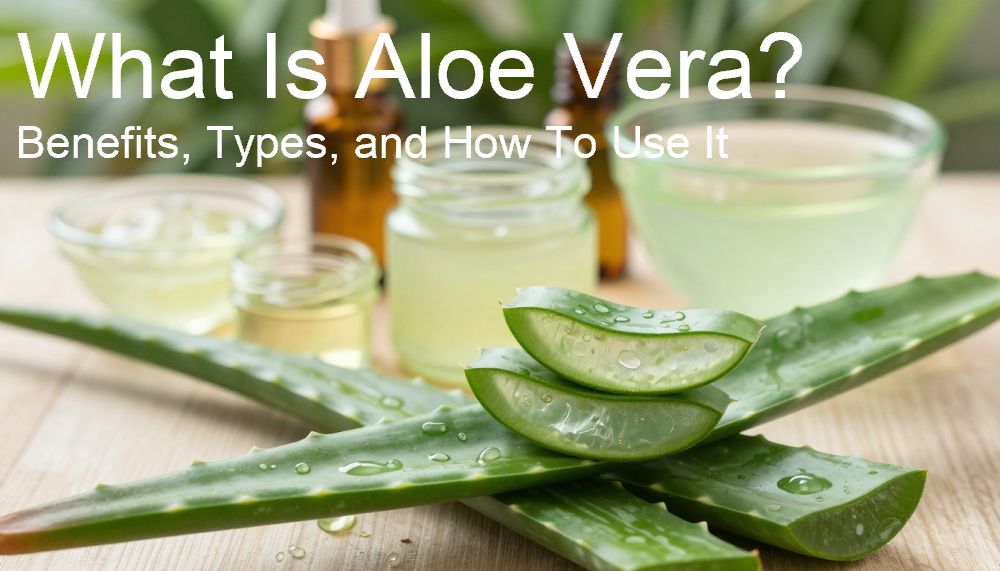
The gel inside the aloe vera leaf is rich in vitamins, minerals, and antioxidants, which can help to calm skin irritations and support overall health. With numerous types of aloe vera available, each with its unique characteristics, understanding the different varieties and their uses is essential for maximizing their benefits.
Key Takeaways
- Discover the various benefits of using aloe vera for health and beauty.
- Learn about the different types of aloe vera and their unique uses.
- Understand how to effectively use aloe vera gel and juice.
- Explore the nutritional value of aloe vera and its antioxidant properties.
- Find out how aloe vera can be incorporated into your daily routine.
The Ancient History of Aloe Vera
With a rich history that spans across continents, Aloe Vera has been a significant component in the traditional practices of many ancient cultures. Its use dates back thousands of years, with evidence of its application found in various civilizations.
Historical Uses Across Civilizations
Aloe Vera was highly valued by ancient Egyptians, Greeks, and Romans for its medicinal properties. It was used for treating wounds, skin conditions, and as a cosmetic ingredient. The plant’s versatility made it a staple in their medical practices.
Aloe Vera in Traditional Medicine
In traditional medicine, Aloe Vera was used to treat a variety of ailments, from digestive issues to skin conditions. Its anti-inflammatory properties made it particularly useful.
| Civilization | Use of Aloe Vera |
|---|---|
| Egyptian | Used for cosmetic and medicinal purposes |
| Greek | Applied for wound healing and skin conditions |
| Roman | Utilized for its laxative properties and skin treatments |
The historical significance of Aloe Vera is a testament to its enduring benefits, which continue to be recognized today.
What Is Aloe Vera? Botanical Characteristics and Properties
Aloe vera, a succulent plant species, has been utilized for centuries due to its remarkable botanical characteristics. This plant is not only known for its healing properties but also for its unique physical features and adaptability to various environments.
Botanical Classification and Physical Features
Aloe vera belongs to the Asphodelaceae family and is classified under the genus Aloe. It is a succulent plant with thick, fleshy leaves that are green and sometimes have white spots. The leaves are characterized by their juicy pulp and serrated margins.
Native Habitats and Global Distribution
Originally native to Africa, specifically the regions around Sudan and the Arabian Peninsula, aloe vera has now been cultivated in many parts of the world. It thrives in dry, tropical climates and is commonly found in regions with warm temperatures.
Some of the key areas where aloe vera is cultivated include:
- Parts of Africa
- India
- South America
- The Caribbean
The Aloe Barbadensis Miller Species
The Aloe Barbadensis Miller is one of the most commonly used species of aloe vera. It is renowned for its high concentration of bioactive compounds and is often used in cosmetic and pharmaceutical products. As noted by experts, “Aloe Barbadensis Miller is considered the most potent variety due to its rich nutritional profile.”
“Aloe vera has been used for centuries for its healing properties, and Aloe Barbadensis Miller stands out for its exceptional quality.”
This species is particularly valued for its gel-filled leaves, which are rich in vitamins, minerals, and amino acids, making it a popular ingredient in health and beauty products.
Different Types of Aloe Vera Products
The versatility of aloe vera is evident in the diverse range of products derived from it. Aloe vera’s popularity has led to its incorporation into various health and wellness products, catering to different needs and applications.
Aloe Vera Gel: Extraction and Uses
Aloe vera gel is one of the most widely used aloe vera products, extracted from the inner leaf of the plant. It is renowned for its soothing and moisturizing properties, making it a staple in skincare routines. The gel is used to treat burns, sunburns, and minor wounds, promoting skin health.
Aloe Vera Juice: Benefits and Consumption
Aloe vera juice is another popular product, consumed for its potential health benefits, including digestive aid and immune system support. The juice is made by extracting the liquid from the aloe vera leaves. It is essential to choose a high-quality, pure aloe vera juice to maximize its benefits.
Aloe Latex: Properties and Cautions
Aloe latex, derived from the yellow sap beneath the plant’s skin, contains anthraquinones, which have laxative properties. While it can be used to treat constipation, it should be consumed with caution due to potential side effects. It’s crucial to follow recommended dosages and consult a healthcare provider before use.
Commercial Aloe Products on the Market
The market offers a wide range of commercial aloe vera products, from skincare creams and lotions to dietary supplements. When selecting a product, it’s vital to read labels carefully, looking for purity, concentration, and additional ingredients. Consumers should also be aware of the differences between organic and conventional aloe products.
The Nutritional Composition of Aloe Vera
The nutritional composition of aloe vera is a complex mix of vitamins, minerals, and bioactive compounds that contribute to its health benefits. Aloe vera is not just a simple plant; it’s a nutrient-rich resource that has been utilized for centuries in various cultures for its medicinal and nutritional properties.
Essential Vitamins and Minerals
Aloe vera is a rich source of essential vitamins, including vitamins A, C, and E, which are known for their antioxidant properties. It also contains a range of B vitamins, except for vitamin B12. In terms of minerals, aloe vera contains calcium, magnesium, potassium, and zinc, among others. These nutrients play a crucial role in maintaining healthy skin, supporting immune function, and promoting overall well-being.
Bioactive Compounds and Anthraquinones
Aloe vera contains a variety of bioactive compounds, including anthraquinones, which are known for their laxative properties. Other bioactive compounds present in aloe vera include aloin, aloe-emodin, and anthranol. These compounds contribute to the plant’s medicinal properties, including its anti-inflammatory and antimicrobial effects.
As Dr. Joshua Zeichner, a dermatologist at Mount Sinai Hospital, notes, “Aloe vera has been shown to have anti-inflammatory properties, making it a potential treatment for various skin conditions.” This highlights the significance of aloe vera’s bioactive compounds in health and wellness.
Antioxidant and Anti-inflammatory Properties
Aloe vera is rich in antioxidants, which help protect the body from free radicals and oxidative stress. The anti-inflammatory properties of aloe vera make it beneficial for soothing and calming irritated skin, reducing redness, and promoting wound healing. These properties are attributed to the presence of vitamins, minerals, and bioactive compounds in aloe vera.
In conclusion, the nutritional composition of aloe vera makes it a valuable resource for health and wellness. Its rich mix of vitamins, minerals, and bioactive compounds contributes to its antioxidant, anti-inflammatory, and antimicrobial properties, supporting its use in a variety of applications, from skincare to dietary supplements.
Skin Benefits of Aloe Vera
Aloe Vera’s therapeutic properties make it an effective natural remedy for various skin problems, including burns, acne, and eczema. Its rich nutritional profile and anti-inflammatory compounds provide numerous benefits for skin health.
Treating Burns, Sunburn, and Wounds
Aloe Vera is renowned for its ability to soothe burns, sunburn, and minor wounds. Its cooling effect helps reduce pain and inflammation, while its antimicrobial properties prevent infection. Applying Aloe Vera gel to affected areas can accelerate the healing process.
Moisturizing and Anti-Aging Effects
Aloe Vera is also valued for its moisturizing properties, helping to hydrate the skin without leaving a greasy residue. Its antioxidant content can reduce the appearance of fine lines and wrinkles, promoting a more youthful complexion. Regular use can improve skin elasticity and texture.
Acne, Psoriasis, and Eczema Management
Aloe Vera’s anti-inflammatory and antimicrobial properties make it beneficial for managing acne, psoriasis, and eczema. It can help reduce redness and inflammation associated with these conditions.
Application Methods for Skin Conditions
For optimal results, Aloe Vera can be applied directly to the affected skin area. It can be used as a gel, cream, or lotion. Some people also use it as a face mask or add it to their bath water for overall skin health.
| Skin Condition | Aloe Vera Benefit | Application Method |
|---|---|---|
| Burns and Sunburn | Soothes and cools | Apply gel directly |
| Acne | Reduces inflammation | Use as a spot treatment |
| Eczema and Psoriasis | Moisturizes and soothes | Apply liberally to affected areas |
As noted by skincare experts, “Aloe Vera’s versatility and effectiveness make it a staple in many skincare routines.” Its natural benefits and gentle action on the skin make it suitable for a wide range of skin types.
“Aloe Vera is a miracle worker for soothing sunburn and reducing inflammation. It’s a must-have in my skincare routine.”
— Skincare Enthusiast
Digestive Health Benefits of Aloe Vera
The digestive benefits of aloe vera are backed by both traditional use and modern research. Aloe vera has been used for centuries to soothe digestive issues, and its effectiveness is now being validated by scientific studies.
Aloe Vera for IBS and Digestive Disorders
Aloe vera juice is particularly beneficial for individuals suffering from Irritable Bowel Syndrome (IBS) and other digestive disorders. Its anti-inflammatory properties help reduce inflammation in the gut, alleviating symptoms such as bloating and abdominal pain.
Detoxification Properties
Aloe vera is known for its detoxification properties, helping to cleanse the digestive system of toxins. This can lead to improved overall health and a stronger immune system.
Scientific Research on Digestive Applications
Numerous studies have investigated the effects of aloe vera on digestive health. Research has shown that aloe vera can help manage symptoms of IBS, reduce inflammation, and promote healing in the digestive tract.
By incorporating aloe vera into your diet, you can potentially improve your digestive health and alleviate symptoms associated with various digestive disorders.
Aloe Vera for Hair and Scalp Health
Aloe vera is a versatile plant that offers numerous benefits for hair and scalp health. Its natural properties make it an excellent ingredient for promoting hair growth, treating scalp conditions, and enhancing overall hair quality.
Promoting Hair Growth and Strength
Aloe vera contains proteolytic enzymes that help repair dead skin cells on the scalp, promoting healthy hair growth. It also nourishes the hair follicles, making hair stronger and more resilient.
Treating Dandruff and Scalp Conditions
The antifungal and antibacterial properties of aloe vera make it effective in treating dandruff and other scalp conditions. It soothes the scalp, reducing irritation and inflammation.
DIY Aloe Vera Hair Treatments
Using aloe vera gel as a hair mask can deeply condition the hair, leaving it soft and manageable. You can also mix it with other natural ingredients like coconut oil and honey for added benefits.
| Benefits | Description |
|---|---|
| Hair Growth | Aloe vera promotes healthy hair growth by nourishing the scalp. |
| Dandruff Treatment | Aloe vera’s antifungal properties help treat dandruff and soothe the scalp. |
| Hair Strength | Aloe vera gel conditions the hair, making it stronger and more resilient. |
Medicinal Applications and Health Benefits of Aloe Vera
The medicinal applications of aloe vera are vast, encompassing anti-inflammatory, antimicrobial, and immune-boosting effects. Aloe vera has been used for centuries in traditional medicine, and its health benefits continue to be supported by modern research.
Anti-inflammatory and Antimicrobial Effects
Aloe vera is known for its anti-inflammatory properties, which can help reduce redness and swelling associated with various skin conditions. Its antimicrobial effects also make it effective against certain bacteria and fungi, promoting wound healing and preventing infection.
- Reduces inflammation and promotes healing
- Fights against bacteria and fungi
- Enhances wound healing
Diabetes Management and Blood Sugar Control
Some studies suggest that aloe vera may help in managing diabetes by reducing blood sugar levels. The bioactive compounds in aloe vera may improve insulin sensitivity, although more research is needed to confirm its efficacy.
Oral Health and Aloe Vera Mouthwash
Aloe vera mouthwash has been shown to reduce plaque, gingivitis, and mouth ulcers. Its antimicrobial properties help maintain oral hygiene and prevent infections.
Using aloe vera as a mouthwash can be a natural alternative to traditional oral care products, offering a gentle yet effective way to maintain oral health.
Immune System Support
Aloe vera contains various bioactive compounds that can help boost the immune system. Its antioxidant properties protect cells from damage, supporting overall health and well-being.
- Boosts immune function
- Protects cells from oxidative stress
- Supports overall health
In conclusion, aloe vera’s medicinal applications extend to various aspects of health, from anti-inflammatory and antimicrobial effects to potential benefits in diabetes management, oral health, and immune system support.
How To Grow Your Own Aloe Vera Plant
With the right conditions, growing aloe vera can be a simple and fulfilling process. To start, it’s essential to understand the optimal growing conditions for aloe vera.
Optimal Growing Conditions and Care
Aloe vera thrives in well-draining soil and full sun to partial shade. It’s crucial to water sparingly, allowing the soil to dry completely between waterings. Overwatering is the most common cause of death in aloe vera plants, so caution is advised.
Harvesting and Processing Aloe Leaves
To harvest, simply cut off a mature leaf at the base of the plant. The leaf can then be processed to extract the gel. Ensure cleanliness to avoid contamination.
Troubleshooting Common Growing Problems
- Pests: Check for mealybugs and spider mites.
- Root Rot: Caused by overwatering; ensure good drainage.
- Leaf Tip Browning: Often due to too much direct sunlight.
DIY Aloe Vera Remedies and Recipes
Unlock the full potential of aloe vera by learning how to create your own DIY remedies and recipes at home. Aloe vera is a versatile plant that offers numerous benefits, from soothing skin irritations to enhancing your overall wellness.
Homemade Aloe Vera Gel Extraction
Extracting aloe vera gel at home is a simple process that requires just a few steps. Start by cutting a fresh aloe leaf, then carefully scoop out the gel using a spoon. Ensure you avoid the latex layer, as it can cause skin irritation. Once you have the gel, you can store it in an airtight container in the refrigerator for up to a week.
Aloe Vera Face Masks and Skin Treatments
Aloe vera makes an excellent face mask due to its moisturizing and anti-inflammatory properties. To create a simple face mask, mix aloe vera gel with honey and yogurt. Apply the mixture to your face and leave it on for 15-20 minutes before rinsing off with warm water. This treatment can help soothe acne and hydrate your skin.
Aloe Vera Drinks, Smoothies, and Juices
Aloe vera can also be consumed as a refreshing drink. To make an aloe vera juice, blend the extracted gel with your favorite fruits and a bit of water. You can also add it to your smoothies for an extra nutritional boost. Ensure you start with small amounts to test your tolerance.
Storage and Preservation Tips
To maintain the freshness of your homemade aloe vera products, store them in airtight containers in the refrigerator. You can also freeze the gel in ice cube trays for later use. Labeling your containers can help you keep track of how long they’ve been stored.
Choosing Quality Aloe Vera Products
Aloe vera’s health benefits have led to a surge in product availability, but not all products are created equal. With so many options on the market, it’s essential to know how to select a high-quality aloe vera product that meets your needs.
Reading Labels and Identifying Pure Products
When shopping for aloe vera products, reading the label is crucial. Look for products that are labeled as “100% aloe vera” or “pure aloe vera.” Be wary of products with added fillers or preservatives. Check the ingredient list for any potential allergens or irritants. Certifications like “Non-GMO” or “Vegan” can also be indicators of a product’s quality.
Organic vs. Conventional Aloe Products
The debate between organic and conventional aloe vera products centers on the cultivation methods. Organic aloe vera is grown without synthetic pesticides or fertilizers, potentially making it a better choice for those seeking a more natural product. However, conventional aloe vera products can still be of high quality if they adhere to strict manufacturing standards.
Price Considerations and Value Assessment
Price is often an indicator of quality, but not always. Very cheap aloe vera products may lack potency or contain fillers. On the other hand, expensive doesn’t always mean better. Compare products based on their concentration of aloe vera, additional ingredients, and brand reputation. The following table can help you assess the value of different products:
| Product | Aloe Vera Concentration | Price | Value Assessment |
|---|---|---|---|
| Product A | 95% | $15 | High |
| Product B | 80% | $10 | Medium |
| Product C | 99% | $25 | High |
By considering these factors, you can make an informed decision when choosing a quality aloe vera product that suits your needs and budget.
Potential Side Effects and Precautions
While Aloe Vera is generally considered safe, it’s crucial to be aware of its potential side effects. Aloe Vera can be used both topically and internally, but each method comes with its own set of precautions.
Allergic Reactions to Aloe Vera
Some individuals may be allergic to Aloe Vera, which can cause skin irritation, including redness, itching, and burning sensations. It’s recommended to perform a patch test before using Aloe Vera products extensively.
Drug Interactions and Contraindications
Aloe Vera can interact with certain medications, such as blood thinners and diabetes medications. It’s crucial to consult with a healthcare provider before consuming Aloe Vera juice or supplements, especially if you’re on medication.
Safe Dosage Guidelines for Internal Use
The safe dosage of Aloe Vera for internal consumption varies. Typically, starting with a small amount and monitoring the body’s response is advised. The recommended dose can range from 50mg to 200mg per day.
When to Consult a Healthcare Provider
If you experience any adverse effects or have concerns about using Aloe Vera, especially if you’re pregnant, breastfeeding, or have a chronic condition, consulting a healthcare provider is advisable.
To summarize the key precautions:
- Perform a patch test before topical use.
- Consult a healthcare provider before internal consumption, especially if on medication.
- Start with a small dosage for internal use.
- Monitor your body’s response to Aloe Vera.
Conclusion: Incorporating Aloe Vera Into Your Wellness Routine
Incorporating aloe vera into your daily wellness routine can have a significant impact on your overall health and wellbeing. With its rich nutritional profile and diverse applications, aloe vera offers a natural solution for various health concerns.
From soothing skin irritations to supporting digestive health, the health benefits of aloe vera are vast. By understanding how to effectively use aloe vera products, you can harness its potential to enhance your wellness routine.
Whether you’re looking to moisturize your skin, promote hair growth, or simply boost your immune system, aloe vera is a versatile and effective addition to your health regimen. As you explore the many uses of aloe vera, you’ll discover how easily it can be integrated into your daily life, promoting a healthier and more balanced lifestyle.
By making informed choices about aloe vera products and incorporating them into your wellness routine, you can experience the numerous health benefits this natural remedy has to offer.
FAQ
What are the benefits of using aloe vera for skin conditions?
Aloe vera is known for its moisturizing and anti-aging effects, and can be used to treat burns, sunburn, acne, psoriasis, and eczema.
Can aloe vera be used for digestive issues?
Yes, aloe vera has been used to support digestive health, including relieving symptoms of IBS and other digestive disorders.
How do I choose a high-quality aloe vera product?
When selecting an aloe vera product, read labels carefully to identify pure products, consider the differences between organic and conventional products, and assess the value based on price.
Are there any potential side effects of using aloe vera?
Yes, potential side effects include allergic reactions, and there are also considerations for drug interactions and contraindications, especially when taken internally.
Can I grow my own aloe vera plant?
Yes, aloe vera is relatively easy to grow, requiring optimal growing conditions and proper care, and can be harvested for its gel and other uses.
What are the benefits of aloe vera for hair and scalp health?
Aloe vera can promote hair growth and strength, treat dandruff and scalp conditions, and is often used in DIY hair treatments.
Is aloe vera effective for wound healing?
Aloe vera has been used to treat burns, sunburn, and wounds due to its anti-inflammatory and antimicrobial properties.
Can aloe vera be used internally?
Yes, aloe vera juice and supplements can be taken internally, but it’s essential to follow safe dosage guidelines and consult with a healthcare provider.
How do I make aloe vera gel at home?
To make aloe vera gel at home, extract the gel from the leaves, and then it can be used immediately or stored for later use in various skin and hair treatments.
Are aloe vera products regulated?
Aloe vera products are subject to varying levels of regulation depending on the country and type of product, so it’s crucial to choose products from reputable manufacturers.