If you want to boost your daily nutrition and health, look no further than the humble legume. These tiny, protein-packed powerhouses have been a staple in kitchens for centuries, offering incredible versatility and flavor.
Understanding lentil nutrition is the first step toward creating a more balanced diet. Whether you are a seasoned chef or a beginner in the kitchen, these legumes provide an easy way to add fiber and essential minerals to your favorite meals.
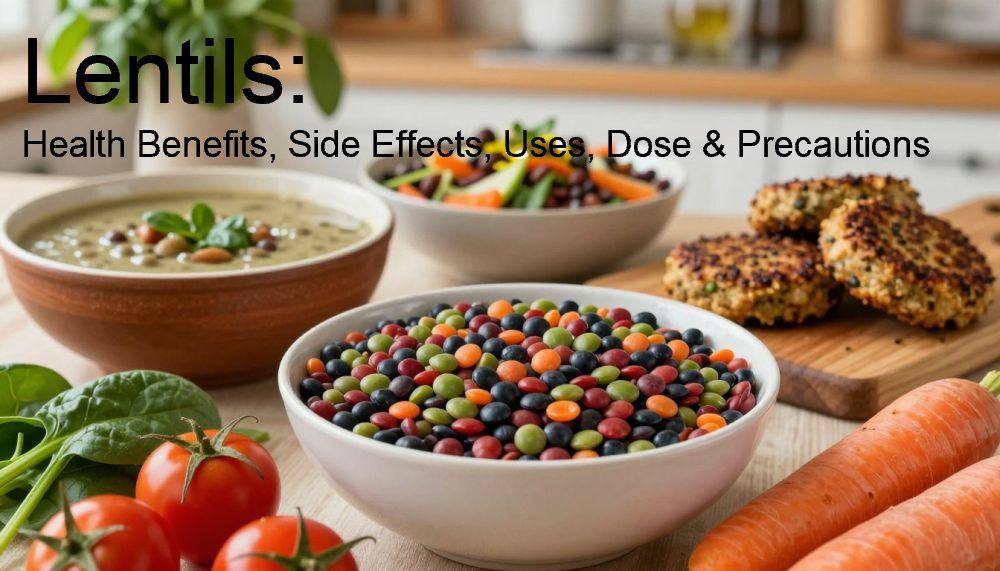
Many people are surprised by the wide range of health benefits of lentils available in every serving. From supporting heart health to stabilizing energy levels, these seeds are truly a superfood. In this guide, we will explore how to safely incorporate lentils into your routine while keeping potential side effects and proper dosage in mind.
Key Takeaways
- These legumes are an excellent source of plant-based protein and dietary fiber.
- Regular consumption supports heart health and helps maintain stable blood sugar levels.
- Proper preparation, such as soaking, can improve digestion and nutrient absorption.
- They are highly versatile and work well in soups, salads, and hearty stews.
- Consult a healthcare provider if you have specific concerns regarding digestive sensitivities.
Understanding the Nutritional Profile of Lentils
Lentils are a nutritional powerhouse, offering a rich mix of protein, fiber, and essential nutrients. They have been a staple in many cuisines for centuries, not just for their nutritional value but also for their versatility and affordability.
Macronutrient Breakdown: Protein and Fiber
Lentils are an excellent source of plant-based protein and dietary fiber. One cup of cooked lentils contains approximately 18g of protein and 16g of fiber. This high protein and fiber content makes lentils an ideal food for vegetarians and vegans, as well as for those looking to manage their weight or improve their digestive health.
The protein in lentils is particularly valuable because it provides essential amino acids necessary for muscle repair and growth. Meanwhile, the fiber content helps in maintaining healthy blood sugar levels and promoting satiety.
| Nutrient | Amount per 1 cup cooked | % Daily Value |
|---|---|---|
| Protein | 18g | 36% |
| Fiber | 16g | 64% |
| Iron | 6.6mg | 37% |
Essential Vitamins and Minerals
Lentils are also rich in essential vitamins and minerals, including iron, potassium, and folate. Iron is crucial for healthy red blood cells, potassium helps in maintaining healthy blood pressure, and folate is essential for cell division and growth.
Key vitamins and minerals in lentils include:
- Folate: crucial for preventing birth defects of the baby’s brain or spine
- Iron: vital for healthy red blood cells
- Potassium: helps lower blood pressure
- Manganese: plays a role in bone health and metabolism
The Role of Polyphenols in Lentils
Lentils contain a significant amount of polyphenols, which are antioxidants that help protect against chronic diseases such as heart disease, diabetes, and certain cancers. Polyphenols in lentils have been shown to have anti-inflammatory properties and may help in managing blood sugar levels.
The antioxidant activity of polyphenols can also contribute to the overall health benefits of lentils, making them a valuable component of a healthy diet.
Exploring the Different Types of Lentils
The world of lentils is surprisingly varied, with different types suited to different cooking needs and recipes. This diversity allows lentils to be a staple ingredient in many cuisines around the world.
Brown and Green Lentils: The Versatile Staples
Brown and green lentils are among the most commonly consumed varieties. They hold their shape well after cooking, making them ideal for salads, stews, and curries. Brown lentils have a mild flavor, while green lentils have a slightly peppery taste. Both are rich in fiber and protein, contributing to their popularity in health-conscious diets.
“Lentils are a powerhouse of nutrition,” as noted by many nutritionists, and brown and green lentils are no exception, providing a good source of essential nutrients.
Red and Orange Lentils: Quick-Cooking Varieties
Red and orange lentils are known for their quick cooking time and soft texture when cooked. They break down easily, making them perfect for soups, purees, and dals. Their mild flavor absorbs the spices and seasonings they are cooked with, making them a versatile ingredient in many recipes.
Black Beluga Lentils: The Gourmet Choice
Black beluga lentils are small, shiny, and resemble caviar, hence their name. They have a rich, earthy flavor and retain their shape after cooking. These lentils are often used in gourmet dishes and salads where their unique appearance and texture can be showcased.
French Lentils: Maintaining Texture and Shape
French lentils, also known as Puy lentils, are known for their ability to maintain their texture and shape after cooking. They have a distinctive flavor that is often described as more robust than other lentil varieties. French lentils are ideal for salads and side dishes where texture is important.
Health Benefits of Lentils for Heart and Blood Sugar
Incorporating lentils into one’s diet can have significant health benefits, especially in terms of cardiovascular health and glucose management. Lentils are rich in nutrients and fiber, making them an excellent addition to a heart-healthy diet.
Improving Cholesterol Levels and Heart Health
Lentils are known to help improve cholesterol levels, thereby contributing to better heart health. The soluble fiber in lentils helps bind to bile acids and remove them from the body, which in turn reduces the amount of cholesterol produced in the liver. This can lead to lower overall cholesterol levels and a reduced risk of heart disease.
A study published in the Journal of Nutrition found that consuming lentils regularly can significantly reduce LDL (bad) cholesterol levels.
“The soluble fiber in lentils can help lower cholesterol levels by binding to bile acids and enhancing their excretion, thereby reducing the cholesterol produced in the liver.”
| Nutrient | Effect on Heart Health |
|---|---|
| Soluble Fiber | Reduces LDL cholesterol |
| Potassium | Helps lower blood pressure |
| Folate | Reduces homocysteine levels |
Managing Blood Sugar Levels Effectively
Lentils are also beneficial for managing blood sugar levels due to their low glycemic index and high fiber content. The fiber in lentils slows down the digestion and absorption of carbohydrates, preventing a rapid spike in blood sugar levels. This makes lentils an excellent food choice for individuals with diabetes or those trying to manage their blood sugar levels.
Reducing the Risk of Chronic Diseases
The consumption of lentils has been associated with a reduced risk of chronic diseases, including heart disease, type 2 diabetes, and certain types of cancer. The antioxidants and polyphenols present in lentils contribute to their protective effects against these diseases.
A diet rich in lentils and other legumes can help mitigate the risk factors associated with chronic diseases. As noted by a health expert,
“A diet that includes a variety of legumes, such as lentils, can provide significant health benefits, including reducing the risk of chronic diseases.”
Lentils for Digestive Health and Weight Management
Lentils are not only a nutrient-rich food but also a valuable ally in supporting gut health and managing weight effectively. Their high fiber content and nutrient-dense profile make them an excellent addition to a diet focused on improving digestive health and achieving a healthy weight.
Fiber Content and Gut Microbiome Support
Lentils are rich in dietary fiber, which plays a crucial role in supporting the gut microbiome. The fiber in lentils acts as a prebiotic, feeding the good bacteria in the gut, thereby promoting a healthy gut environment. This can lead to improved digestion and a stronger immune system.
A healthy gut microbiome is essential for overall well-being, and lentils can contribute significantly to maintaining this balance. The prebiotic fiber in lentils helps in the production of short-chain fatty acids, which provide energy to the cells lining the colon and support the integrity of the gut lining.
Why Lentils Are Good for Weight Loss
Lentils are an excellent food for those looking to lose weight. Their high fiber and protein content make them very filling, reducing the likelihood of overeating. Additionally, lentils have a low glycemic index, which means they are digested slowly, preventing a sudden spike in blood sugar levels.
This slow digestion keeps you feeling fuller for longer, making lentils a great addition to a weight loss diet. Moreover, lentils are low in fat and calories, making them a nutritious and filling choice for meals.
Satiety and Appetite Control
The combination of protein, fiber, and complex carbohydrates in lentils makes them very effective at controlling appetite and enhancing satiety. Eating lentils can help reduce hunger and increase feelings of fullness, making it easier to manage weight.
Furthermore, the complex carbohydrates in lentils are digested slowly, providing a sustained release of energy and further contributing to feelings of satiety. This makes lentils an ideal component of a weight management diet.
How to Properly Prepare and Cook Lentils
To unlock the full potential of lentils, it’s essential to prepare them correctly. Proper preparation and cooking techniques can make a significant difference in the taste, texture, and nutritional value of lentil dishes.
Lentils are a versatile ingredient that can be used in a variety of dishes, from soups and stews to salads and curries. However, to get the most out of lentils, it’s crucial to know how to prepare and cook them properly.
Rinsing Your Lentils Before Cooking
Rinsing lentils before cooking is a simple yet important step. It helps remove any debris, dust, or impurities that may be present on the surface of the lentils. To rinse lentils, place them in a fine-mesh strainer and rinse under cold running water for about 30 seconds. This step can help improve the overall texture and cleanliness of the lentils.
The Debate on Soaking Lentils
There’s ongoing debate about whether lentils should be soaked before cooking. Soaking can help reduce cooking time and make lentils easier to digest. However, it’s not always necessary, especially for split lentils. If you choose to soak lentils, do so for about 30 minutes to an hour before cooking. Red and split lentils typically don’t require soaking due to their smaller size and quicker cooking time.
Cooking Times for Various Varieties
Different types of lentils have varying cooking times. Here’s a general guide:
- Green and Brown Lentils: 20-30 minutes
- Red and Yellow Lentils: 15-20 minutes
- Beluga and French Lentils: 25-40 minutes
It’s essential to check the lentils periodically during cooking to avoid overcooking, which can make them mushy.
Tips to Make Lentils More Flavorful
To make lentils more flavorful, consider the following tips:
- Use Aromatics: Saute onions, garlic, and ginger before adding lentils for added depth of flavor.
- Spice It Up: Add spices and herbs like cumin, coriander, or thyme to give lentils a boost of flavor.
- Broth Instead of Water: Cooking lentils in broth instead of water can significantly enhance their flavor.
- Acidity: Adding a splash of vinegar or lemon juice towards the end of cooking can help brighten the flavors.
By following these steps and tips, you can create delicious and nutritious lentil dishes that are sure to please.
Adding Lentils to Your Diet: Creative Uses
Lentils are a versatile ingredient that can elevate a variety of dishes, from soups to salads. They can be used in a multitude of recipes, making them an excellent addition to any meal. Whether you’re looking to add protein, fiber, or simply some variety to your diet, lentils are a great choice.
Incorporating Lentils into Soups and Stews
Lentils are a staple in many soups and stews due to their ability to absorb flavors and add texture. They can be used in traditional recipes like lentil soup or as an addition to other soups and stews for an extra nutritional boost.
Tips for using lentils in soups and stews:
- Add lentils towards the end of cooking time to prevent them from becoming too mushy.
- Use vegetable or chicken broth for added flavor.
- Experiment with spices like cumin, coriander, and paprika for a unique taste.
Using Lentils as a Plant-Based Protein Substitute
Lentils are an excellent source of plant-based protein, making them a great substitute for meat in many dishes. They can be used in place of ground meat in recipes like tacos, pasta sauces, and veggie burgers.
Benefits of using lentils as a protein substitute:
- High in protein and fiber.
- Lower in calories and fat compared to meat.
- Rich in essential vitamins and minerals.
Cold Lentil Salads and Sprouted Lentils
Cold lentil salads are a refreshing and healthy option for lunch or dinner. Simply cook lentils, let them cool, and mix with your favorite vegetables and dressing. Sprouted lentils can also be used in salads or as a topping for sandwiches and wraps.
Nutritional benefits of sprouted lentils:
| Nutrient | Benefits |
|---|---|
| Protein | Supports muscle growth and repair. |
| Fiber | Aids in digestion and satiety. |
| Vitamins and Minerals | Boosts overall health and immunity. |
By incorporating lentils into your diet in these creative ways, you can enjoy their nutritional benefits while exploring new flavors and textures.
Recommended Serving Sizes and Daily Intake
The nutritional benefits of lentils can be fully realized by paying attention to serving sizes and daily intake recommendations. Lentils are rich in nutrients, including proteins, fibers, and various essential minerals, making them a valuable addition to a balanced diet.
To effectively incorporate lentils into your meal plan, it’s crucial to understand the standard serving size. A serving size of lentils is typically considered to be about 1/2 cup when cooked. This measurement is used as a guideline for nutritional recommendations and can vary based on individual needs and dietary goals.
What Constitutes One Cup of Cooked Lentils
One cup of cooked lentils is equivalent to approximately 180 grams or 6.3 ounces. This serving size is a good reference point for understanding the nutritional intake. For instance, one cup of cooked lentils provides about 18g of protein, 40g of carbohydrates, and 16g of fiber, along with various vitamins and minerals.
Balancing Lentils with Other Food Groups
To maintain a balanced diet, it’s essential to combine lentils with other food groups. Lentils are an excellent source of protein and fiber but should be complemented with whole grains, vegetables, and healthy fats. For example, pairing lentils with brown rice and steamed vegetables creates a well-rounded meal.
| Food Group | Examples | Benefits When Combined with Lentils |
|---|---|---|
| Whole Grains | Brown rice, quinoa, whole wheat bread | Provides complex carbohydrates and additional fiber |
| Vegetables | Leafy greens, carrots, bell peppers | Adds vitamins, minerals, and antioxidants |
| Healthy Fats | Olive oil, nuts, avocados | Enhances flavor and provides essential fatty acids |
Frequency of Consumption for Optimal Health
The frequency of lentil consumption can vary based on individual health goals and dietary needs. In general, incorporating lentils into your diet 2-3 times a week can be beneficial for heart health and digestive well-being. For those looking to increase their protein intake or manage blood sugar levels, more frequent consumption may be advisable.
It’s also worth noting that varying the type of lentils consumed can provide a broader range of nutrients. Whether you prefer green, red, or black lentils, each type offers unique nutritional benefits and culinary uses.
Potential Side Effects and Precautions
Lentils, despite their numerous health benefits, can lead to some unwanted side effects if not consumed properly. While they are a great source of protein, fiber, and various essential nutrients, certain individuals may experience adverse reactions.
Managing Digestive Discomfort and Gas
One of the common side effects of lentil consumption is digestive discomfort, which can manifest as bloating, gas, or stomach cramps. This is largely due to the high fiber and raffinose content in lentils. Raffinose is a complex sugar that can be difficult for some people to digest.
To manage these symptoms, it’s recommended to start with small portions and gradually increase the serving size, allowing your gut microbiome to adjust. Additionally, soaking and rinsing lentils before cooking can help reduce their raffinose content.
“Soaking lentils can help reduce phytic acid and lectins, making their nutrients more bioavailable and potentially reducing digestive discomfort.”
Antinutrients: Lectins and Phytic Acid
Lentils contain antinutrients like lectins and phytic acid, which can interfere with nutrient absorption. Lectins are proteins that can cause inflammation and damage to the gut lining in some individuals, while phytic acid can bind to minerals like zinc, iron, and calcium, reducing their absorption.
| Antinutrient | Effect | Mitigation Method |
|---|---|---|
| Lectins | Can cause gut inflammation and damage | Soaking, boiling, or pressure cooking |
| Phytic Acid | Reduces mineral absorption | Soaking, sprouting, or fermenting |
Why You Should Not Eat Lentils Raw
Eating lentils raw is not recommended due to the presence of lectins and other antinutrients. Raw lentils can cause nausea, vomiting, and diarrhea in some individuals. Cooking lentils thoroughly can significantly reduce the levels of these antinutrients, making them safer to consume.
To enjoy the nutritional benefits of lentils while minimizing potential side effects, it’s crucial to prepare them correctly. This includes rinsing, soaking (when necessary), and cooking them thoroughly.
Storage and Preservation Tips
Proper storage is key to maintaining the quality and freshness of lentils. Whether you have dry lentils or have cooked a large batch, understanding how to store them correctly can make a significant difference in their longevity and nutritional value.
Storing Dry Lentils for Long-Term Use
Dry lentils are relatively easy to store due to their low moisture content. To keep them fresh for a long time, it’s essential to store them in a cool, dry place. Use airtight containers to protect them from moisture and pests. Glass jars or containers with tight-fitting lids are ideal for this purpose. Keep them away from direct sunlight and heat sources to preserve their nutritional quality.
How to Freeze Cooked Lentils
Cooked lentils can be frozen for later use, making meal prep a breeze. First, allow the cooked lentils to cool completely to prevent the formation of condensation, which can lead to freezer burn. Then, transfer them to airtight containers or freezer bags, making sure to press out as much air as possible before sealing. Label the containers with the date and contents so you can easily keep track of how long they’ve been stored. Frozen cooked lentils can be stored for up to 3 months.
Maintaining Quality and Freshness
To maintain the quality and freshness of lentils, whether dry or cooked, it’s crucial to check on them periodically. For dry lentils, look for signs of moisture or pest infestation. For cooked lentils, ensure they are stored at 0°F (-18°C) or below to prevent bacterial growth. When you’re ready to use frozen cooked lentils, simply thaw them overnight in the refrigerator or reheat them directly from the frozen state in soups and stews.
By following these storage and preservation tips, you can enjoy lentils throughout the year while maintaining their nutritional value and flavor.
Lentils in Modern Plant-Based Nutrition
In the realm of plant-based diets, lentils stand out for their versatility and nutritional benefits. They are a powerhouse of nutrients, offering a rich source of protein, fiber, and essential minerals. Lentils are particularly valued for their ability to enhance the nutritional quality of meals without compromising on taste or texture.
Iron and Folate: Essential Nutrients from Lentils
Lentils are an essential source of iron and folate, two nutrients that are crucial for maintaining healthy red blood cells. Iron deficiency is a common issue, particularly among women of childbearing age, and lentils can play a significant role in preventing this condition. Folate, on the other hand, is vital for cell division and growth, making it especially important during pregnancy.
- Lentils are rich in iron, an essential mineral for healthy red blood cells.
- Folate in lentils supports cell division and growth.
- Including lentils in the diet can help prevent iron deficiency anemia.
Comparing Lentils to Other Legumes
When comparing lentils to other legumes, it becomes clear that each type has its unique nutritional profile and culinary uses. For instance, lentils have a higher iron and folate content compared to some other legumes. However, they may vary in terms of fiber and protein content.
| Legume Type | Iron Content | Folate Content | Fiber Content |
|---|---|---|---|
| Lentils | 6.5 mg per 100g | 358 mcg per 100g | 7.9g per 100g |
| Chickpeas | 2.9 mg per 100g | 172 mcg per 100g | 8.6g per 100g |
| Black Beans | 3.6 mg per 100g | 256 mcg per 100g | 8.7g per 100g |
This comparison highlights the nutritional strengths of lentils, particularly their high iron and folate content, making them a valuable component of a balanced plant-based diet.
Conclusion
Lentils are a nutrient-rich food that offers numerous health benefits when incorporated into a balanced diet. With their high protein and fiber content, lentils support heart health, digestive health, and weight management. The various types of lentils provide a range of culinary options, from soups and stews to salads and main courses.
The benefits of lentils extend beyond their nutritional value. They are also versatile and can be prepared in a variety of ways to suit different tastes and dietary needs. By understanding lentil nutrition and incorporating lentils into your diet, you can reap the rewards of improved overall health and well-being.
Embracing lentils as a staple in your diet can have a significant impact on your health benefits, from managing blood sugar levels to supporting a healthy gut microbiome. With their ease of preparation and numerous health benefits, lentils are an excellent addition to a healthy and balanced lifestyle.
FAQ
What are the main benefits of lentils for my daily diet?
Lentils are a rich source of nutrition that can improve your overall health in several ways. Because lentils are high in both protein and fiber, they help with muscle repair and digestive health. Additionally, lentils contain essential micronutrients like iron and folate, making lentils an excellent source of energy for those on a plant-based diet.
How many different types of lentils can I use in my cooking?
There is a wonderful variety of lentils available to suit any recipe. Brown lentils and green lentils are versatile staples that hold their shape well. If you are in a hurry, red lentils and orange lentils are perfect because red lentils cook quickly and tend to soften, making them ideal for a thick lentil soup. You might also enjoy gourmet black lentils, often called beluga lentils because they look like caviar, or French lentils which are prized for their peppery flavor.
Are lentils good for weight loss and managing hunger?
Yes, lentils are good for weight loss! Because the fiber in lentils promotes satiety, consuming lentils can help you feel full for longer periods. One cup of cooked lentils provides a significant amount of nutrients with relatively low calories, meaning lentils can make a satisfying meal that prevents overeating throughout the day.
How do lentils impact heart health and blood sugar levels?
Lentils may play a major role in protecting your heart. Studies suggest that lentils may improve cholesterol levels and reduce the risk of heart disease. Furthermore, lentils help stabilize blood sugar levels due to their low glycemic index, which is why adding lentils to your diet is often recommended for metabolic health.
Should I soak my lentils before cooking them?
While you don’t strictly have to soak your lentils like you do with larger beans, soaking and cooking lentils can help reduce antinutrients and make them easier to digest. At the very least, rinsing your lentils under cold water is a must to remove any dust or debris. Depending on the type of lentil, lentils take anywhere from 15 to 40 minutes to become tender.
Can I eat lentils raw, or do they need to be fully cooked?
You should never eat lentils raw. Raw pulses like lentils contain lectins and phytic acid, which can cause digestive distress. However, sprouted lentils are a popular way to eat lentils with minimal cooking, provided they are handled safely. For most dishes, ensure you cook lentils thoroughly to enjoy the full health benefits of lentils safely.
What is the best way to store lentils for long-term use?
Dry lentils have an excellent shelf life when stored in an airtight container in a cool, dry place. If you have leftovers, you can also freeze cooked lentils for up to three months. Having canned lentils in your pantry is another convenient way to use lentils quickly in salads or stews when you are short on time.
Why are lentils considered a “superfood” in plant-based nutrition?
Lentils are one of the most nutrient-dense foods on the planet. Lentils provide high-quality protein and fiber, and they are also rich in polyphenols. These polyphenols in lentils have strong antioxidant and anti-inflammatory effects. Because lentils are highly nutritious and lentils are essential for iron intake, they are a cornerstone of modern nutrition and health.
How much is a standard serving of cooked lentils?
A typical serving of cooked lentils is about one cup of lentils. This cup of cooked lentils is packed with about 18 grams of protein. Whether you prefer split lentils or whole lentils, including at least one cup of cooked lentils in your weekly meal plan is a great way to boost your intake of legumes.
Are lentils easy to incorporate into common American dishes?
Absolutely! Lentils are easy to add to your favorite meals. You can swap out ground meat for brown lentils in taco fillings, or use split red lentils to thicken up pasta sauces. Because lentils don’t have a very strong flavor on their own, they absorb the spices and seasonings of whatever dish you are making, making them a great addition to almost any savory recipe.