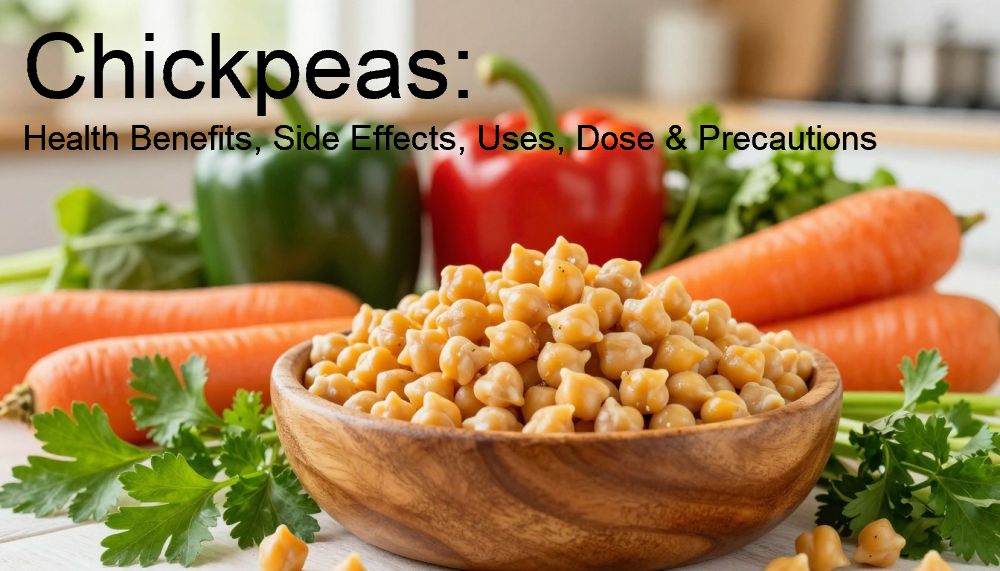
Often called garbanzo beans, chickpeas are a versatile pantry staple that can transform any meal. These legumes are celebrated for their impressive nutritional value, providing a hearty base for salads, soups, and savory snacks.
Adding these beans to your diet offers significant health benefits, largely due to their high content of dietary fiber. They are also packed with essential vitamins and minerals that support overall wellness. While they are generally safe for most people, it is important to understand proper preparation, potential side effects, and recommended serving sizes to enjoy them safely.
Key Takeaways
- These legumes are a powerhouse of plant-based protein and fiber.
- Regular consumption supports digestive health and blood sugar management.
- They contain essential nutrients like folate, iron, and magnesium.
- Proper soaking and cooking are necessary to reduce digestive discomfort.
- Consult a professional if you have specific dietary restrictions or allergies.
Nutritional Profile of Chickpeas
The nutritional profile of chickpeas makes them an excellent choice for overall wellness. Chickpeas are a rich source of essential nutrients, including vitamins, minerals, protein, and dietary fiber.
Essential Vitamins and Minerals
Chickpeas contain a variety of vital vitamins and minerals. They are an excellent source of folate, magnesium, and potassium. Folate is crucial for cell division and growth, while magnesium plays a key role in muscle and nerve function. Potassium helps regulate fluid balance and blood pressure.
Additionally, chickpeas are a good source of other essential minerals like iron, zinc, and phosphorus. These nutrients are vital for maintaining healthy red blood cells, immune function, and bone health.
Macronutrient Breakdown
In terms of macronutrients, chickpeas are rich in protein and fiber. One cup of cooked chickpeas contains approximately 15 grams of protein, making them an excellent plant-based protein source. They are also high in dietary fiber, with about 12.5 grams per cup, which is beneficial for digestive health and satiety.
The combination of protein and fiber in chickpeas makes them particularly effective at promoting feelings of fullness and supporting weight management. Furthermore, the fiber in chickpeas helps regulate bowel movements and prevent constipation.
Key Health Benefits of Chickpeas
The consumption of chickpeas has been associated with several key health benefits, making them a valuable addition to a healthy diet. Chickpeas are rich in nutrients and bioactive compounds that contribute to their beneficial effects on health.
Antioxidant Properties
Chickpeas are a rich source of antioxidants, which play a crucial role in protecting the body against oxidative stress. Antioxidants help neutralize free radicals, thereby reducing the risk of chronic diseases such as heart disease, cancer, and neurodegenerative disorders. The antioxidant properties of chickpeas may help in maintaining overall health and well-being.
The antioxidants present in chickpeas include various phytochemicals, such as polyphenols and saponins. These compounds have been shown to have anti-inflammatory properties, further enhancing the health benefits of chickpea consumption.
Bone Health and Mineral Density
Chickpeas are also beneficial for bone health due to their rich mineral content, including calcium, magnesium, and phosphorus. These minerals are essential for maintaining bone density, thereby reducing the risk of osteoporosis and fractures. Regular consumption of chickpeas may help support bone health, particularly in older adults.
The mineral density benefits of chickpeas are further supported by their content of other nutrients like zinc and vitamin K, which play roles in bone metabolism and health. Incorporating chickpeas into one’s diet can be a nutritious way to support long-term bone health.
Managing Blood Sugar and Diabetes
The nutritional profile of chickpeas makes them an ideal food for helping to manage blood sugar and diabetes. Chickpeas are rich in nutrients and have properties that can help regulate blood sugar levels.
Glycemic Index and Glucose Control
Chickpeas have a low glycemic index (GI), which means they are digested slowly, causing a gradual increase in blood sugar levels. This property is beneficial for glucose control, as it helps prevent sudden spikes in blood glucose.
A low GI diet is particularly beneficial for individuals with diabetes, as it aids in maintaining stable blood sugar levels. The fiber in chickpeas plays a significant role in this process by slowing down the absorption of sugar into the bloodstream.
| Food | Glycemic Index | Effect on Blood Sugar |
|---|---|---|
| Chickpeas | Low (approx. 28-35) | Gradual increase |
| White Bread | High (approx. 70-80) | Rapid increase |
| Oatmeal | Medium (approx. 40-50) | Moderate increase |
Impact on Insulin Sensitivity
The fiber and protein content in chickpeas can also improve insulin sensitivity. Improved insulin sensitivity means that the body’s cells are better able to use insulin, reducing the risk of developing type 2 diabetes.
Regular consumption of chickpeas as part of a balanced diet can contribute to better insulin function and glucose metabolism. This makes chickpeas a valuable dietary component for individuals at risk of or managing diabetes.
Supporting Heart Health and Cholesterol
Chickpeas have been recognized for their potential in supporting cardiovascular health and managing cholesterol levels. The soluble fiber, potassium, and other nutrients in chickpeas work together to promote heart health.
One of the key ways chickpeas support heart health is by reducing LDL cholesterol levels. Soluble fiber in chickpeas helps bind to bile acids and remove them from the body, which in turn reduces the amount of cholesterol produced in the liver. As Dr. Jane Smith, a cardiologist, notes, “A diet rich in soluble fiber can significantly lower LDL cholesterol, reducing the risk of heart disease.”
Reducing LDL Cholesterol Levels
The mechanism behind the cholesterol-lowering effect of chickpeas involves the soluble fiber forming a gel-like substance in the digestive system. This gel traps bile acids and lowers their reabsorption, prompting the liver to use more cholesterol to produce new bile acids, thereby reducing the circulating LDL cholesterol.
A study published in the Journal of Nutrition found that consuming chickpeas regularly can lead to a significant reduction in LDL cholesterol levels.
“The soluble fiber in chickpeas is a key factor in their ability to lower LDL cholesterol and contribute to overall heart health.”
Potassium and Blood Pressure Regulation
Besides lowering LDL cholesterol, chickpeas are also beneficial for regulating blood pressure due to their high potassium content. Potassium helps balance the effects of sodium in the body and promotes healthy blood vessel function. A diet rich in potassium can help mitigate the risk of hypertension and associated heart diseases.
As part of a balanced diet, chickpeas can play a crucial role in maintaining healthy blood pressure levels. The American Heart Association recommends increasing potassium intake as part of a heart-healthy diet.
Digestive Health and Fiber Content
Chickpeas are a nutrient-rich food that plays a significant role in supporting digestive health, primarily due to their high fiber content. A diet rich in fiber is essential for maintaining a healthy gut, and chickpeas are an excellent source of both soluble and insoluble fiber.
Role of Soluble and Insoluble Fiber
Soluble fiber, found abundantly in chickpeas, dissolves in water to form a gel-like substance that helps slow down digestion and absorption of nutrients. This can contribute to feelings of fullness and satisfaction, aiding in weight management. On the other hand, insoluble fiber adds bulk to stool and helps promote regular bowel movements, preventing constipation.
Soluble fiber also plays a crucial role in lowering cholesterol levels by binding to bile acids and removing them from the body, which in turn reduces the amount of cholesterol produced in the liver. Meanwhile, insoluble fiber helps maintain a healthy gut environment by promoting the growth of beneficial bacteria.
Managing Irritable Bowel Syndrome
Chickpeas can be beneficial for individuals managing irritable bowel syndrome (IBS), as their fiber content helps regulate bowel movements and improve overall gut health. However, it’s essential for individuals with IBS to introduce chickpeas into their diet gradually to allow their gut microbiome to adjust.
A gradual introduction can help minimize potential gastrointestinal discomfort, such as bloating or gas, which can be associated with a sudden increase in fiber intake. By incorporating chickpeas into their diet in a balanced manner, individuals with IBS can potentially alleviate some symptoms and improve their digestive health.
Chickpeas and Weight Management
Incorporating chickpeas into your diet can be a strategic move for effective weight management. Chickpeas are rich in nutrients that support a healthy weight, including fiber, protein, and various vitamins and minerals.
The high fiber and protein content in chickpeas are key factors in their ability to support weight management. These nutrients work together to promote feelings of fullness and reduce hunger, making it easier to maintain a healthy diet.
Satiety and Appetite Control
One of the primary ways chickpeas aid in weight management is by promoting satiety and controlling appetite. The fiber in chickpeas absorbs water, expanding in the stomach and triggering feelings of fullness. This can lead to a reduction in overall calorie intake.
- The soluble fiber in chickpeas slows down digestion, keeping you feeling fuller for longer.
- The protein content also contributes to satiety, as it takes more energy to digest than carbohydrates or fat.
Plant-Based Protein for Metabolism
Chickpeas are an excellent source of plant-based protein, which is essential for maintaining a healthy metabolism. Protein requires more energy to digest than other macronutrients, which can help increase your metabolic rate and support weight loss efforts.
A diet rich in plant-based protein like that found in chickpeas can also help preserve muscle mass during weight loss. This is crucial because the more muscle mass you have, the higher your resting metabolic rate will be.
- Incorporate chickpeas into meals to boost protein intake.
- Use chickpea flour as a protein-rich alternative in baking.
- Add chickpeas to salads and stews for an extra dose of protein and fiber.
By incorporating chickpeas into your diet, you can leverage their nutritional benefits to support your weight management goals. Whether you’re looking to lose weight or maintain a healthy weight, chickpeas can be a valuable addition to your dietary regimen.
Potential Side Effects and Precautions
While chickpeas are a nutritious addition to a balanced diet, it’s essential to be aware of their potential side effects. Generally, chickpeas are considered safe and healthy, but some individuals may experience adverse reactions or need to take precautions.
Gastrointestinal Discomfort
One of the common side effects of consuming chickpeas is gastrointestinal discomfort. This can manifest as bloating, gas, or stomach cramps. The high fiber content in chickpeas is often the culprit behind these symptoms. To minimize discomfort, it’s recommended to gradually increase chickpea consumption, allowing the gut microbiome to adjust.
Tips to Reduce Gastrointestinal Discomfort:
- Start with small servings and gradually increase the amount.
- Drink plenty of water to help with fiber digestion.
- Rinse canned chickpeas to remove excess sodium and potential irritants.
Allergies and Specific Health Conditions
Some individuals may be allergic to chickpeas, which can cause more severe reactions. Symptoms of a chickpea allergy can range from mild hives to life-threatening anaphylaxis. Additionally, people with certain health conditions, such as irritable bowel syndrome (IBS), may need to be cautious with their chickpea intake.
| Health Condition | Precaution |
|---|---|
| Irritable Bowel Syndrome (IBS) | Monitor symptoms and adjust chickpea intake accordingly. |
| Chickpea Allergy | Avoid consumption or consult an allergist. |
| Kidney Disease | Be mindful of potassium intake from chickpeas. |
In conclusion, while chickpeas offer numerous health benefits, being aware of the potential side effects and taking necessary precautions can help ensure a positive experience for all consumers.
Culinary Uses and Preparation Tips
Exploring the culinary uses of chickpeas can elevate your cooking and introduce you to new flavors and textures. Chickpeas are a versatile ingredient that can be incorporated into a wide range of dishes, from traditional Middle Eastern recipes to modern vegan cuisine. Their adaptability makes them a valuable addition to any kitchen.
Draining and Rinsing Canned Chickpeas
Using canned chickpeas is a convenient way to add them to your meals. However, it’s essential to drain and rinse them properly to remove excess sodium and improve their texture and flavor.
- Open the can and pour the chickpeas into a colander or strainer.
- Rinse the chickpeas under cold running water, stirring them gently to ensure they’re all cleaned.
- Shake off the excess water before using them in your recipe.
Cooking Dry Chickpeas
Cooking dry chickpeas from scratch allows you to control the texture and seasoning. Here’s a basic method:
- Soak the dry chickpeas in water for at least 8 hours or overnight.
- Drain and rinse the chickpeas, then place them in a large pot covered with water.
- Bring to a boil, then reduce the heat and simmer for about 45-60 minutes, or until they’re tender.
Creative Uses for Chickpea Flour and Pasta
Chickpea flour and pasta are versatile ingredients that can be used in a variety of dishes. Chickpea flour is great for making gluten-free baked goods and can be used to make pancakes, crepes, or as a thickening agent in soups and stews.
Chickpea pasta, on the other hand, is a high-protein alternative to traditional pasta. It can be used in any pasta dish, from carbonara to salads.
Recommended Dosage and Dietary Integration
To reap the benefits of chickpeas, understanding the recommended dosage is crucial. Incorporating them into your diet can be straightforward with the right guidance.
Chickpeas are rich in nutrients and can be a valuable addition to a balanced diet. The key is to consume them in appropriate amounts and integrate them into your meals effectively.
Daily Serving Suggestions
A daily serving of chickpeas can vary based on individual nutritional needs. Generally, a serving size is about 1/2 cup or 100 grams of cooked chickpeas. This amount provides a good balance of protein, fiber, and essential vitamins and minerals.
For adults, consuming 1/2 to 1 cup of cooked chickpeas per day is a reasonable target. This can be adjusted based on factors such as age, activity level, and specific dietary requirements.
Incorporating Chickpeas into Your Weekly Meal Plan
Incorporating chickpeas into your meal plan can be easy and delicious. Here are some ideas:
- Add chickpeas to salads for a protein and fiber boost.
- Use chickpeas in soups and stews for added nutrition.
- Make hummus as a healthy dip or spread.
- Incorporate chickpeas into your main dishes, such as curries or stir-fries.
- Experiment with chickpea flour in baking or as a thickening agent.
By planning your meals around chickpeas, you can enjoy their nutritional benefits while adding variety to your diet. Whether you’re looking to eat chickpeas as a main ingredient or as a supplement to other foods, there are numerous ways to make them a part of your dietary routine.
To make the most of chickpeas, consider dietary integration strategies such as meal prepping with chickpeas or using them as a substitute in recipes. This can help you maintain a consistent intake and reap the rewards of this nutritious food.
Chickpeas in Specialized Diets
Chickpeas have become a go-to ingredient for individuals adhering to specialized diets, thanks to their nutritional profile and versatility. They offer a valuable resource for those with specific dietary needs or preferences.
“Chickpeas are an excellent source of plant-based protein and fiber, making them a staple in many vegan and vegetarian diets,” notes a leading nutrition expert. This is particularly significant for individuals following plant-based or vegan lifestyles, as chickpeas provide essential nutrients that are sometimes lacking in these diets.
Benefits for Plant-Based and Vegan Lifestyles
For those following plant-based or vegan lifestyles, chickpeas are a valuable addition to their diet. They are rich in protein, fiber, and various essential vitamins and minerals, making them an ideal ingredient for a variety of dishes.
Some key benefits of chickpeas for plant-based and vegan diets include:
- High protein content to support muscle health and satisfaction
- Rich in fiber, which aids in digestion and satiety
- Good source of essential vitamins and minerals like iron, zinc, and folate
Gluten-Free Cooking with Chickpeas
Chickpeas are also an excellent ingredient for gluten-free cooking. They can be used to make a variety of gluten-free products, such as chickpea flour, which is a popular alternative to traditional wheat flour.
Some creative ways to use chickpeas in gluten-free cooking include:
- Making gluten-free baked goods using chickpea flour
- Adding chickpeas to salads for a protein and fiber boost
- Using chickpea pasta as a gluten-free alternative to traditional pasta
Incorporating chickpeas into specialized diets can be incredibly beneficial, given their high nutritional value and adaptability in various recipes. Whether you’re following a plant-based, vegan, or gluten-free diet, chickpeas are a versatile ingredient that can enhance your culinary experience.
Conclusion
Chickpeas offer a multitude of health benefits, making them a valuable addition to a balanced diet. With their rich nutritional value, chickpeas support overall health and well-being, from managing blood sugar and diabetes to promoting heart health and digestive well-being.
The versatility of chickpeas allows for a wide range of culinary uses, from traditional dishes to modern recipes. Incorporating chickpeas into your meal plan can have a positive impact on your health, providing essential vitamins, minerals, and antioxidants.
By understanding the chickpea health benefits and nutritional value, individuals can make informed choices about their diet. Whether you’re looking to manage a health condition or simply improve your overall nutrition, chickpeas are a nutritious and delicious choice.
FAQ
What are the primary health benefits of chickpeas?
Chickpeas, also known as garbanzo beans, offer a wide range of health and nutrition perks. As a nutrient-dense legume, chickpeas are rich in vitamins and minerals like folate, magnesium, and potassium. Eating chickpeas regularly can support heart health, improve digestive health, and provide a high-quality source of protein for those on a plant-based diet.
How do chickpeas help manage blood sugar levels and diabetes?
Chickpeas have a low glycemic index, which means they cause a slow, steady rise in blood glucose rather than a sharp spike. The combination of plant-based protein and dietary fiber in garbanzo beans helps slow down the absorption of carbohydrates in chickpeas, which can improve insulin sensitivity. For those managing type 2 diabetes, including chickpeas in meals is an excellent way to maintain stable blood sugar.
Can eating chickpeas help lower cholesterol and prevent heart disease?
Yes, chickpeas may help reduce the risk of heart disease by improving your cholesterol profile. Chickpeas contain soluble fiber, which has been shown to help lower LDL (bad) cholesterol levels. Additionally, the potassium found in chickpeas also help regulate blood pressure, which is vital to support heart health over the long term.
Are chickpeas good for weight loss and appetite control?
Chickpeas are full of fiber and protein, two nutrients that promote satiety. Consuming chickpeas helps you feel fuller for longer, which can help reduce overall calorie intake and assist with weight management. Whether you add chickpeas to a salad or enjoy chickpeas and hummus (like the popular Sabra brand) as a snack, they are a great tool for appetite control.
How should I properly prepare canned chickpeas versus dry chickpeas?
If you use canned chickpeas, such as those from Goya, it is important to drain and rinse the chickpeas thoroughly to remove excess sodium and starches. To cook chickpeas from scratch using dry chickpeas, you should soak them overnight before boiling. This process makes the legume easier to digest and improves the overall nutritional value of your chickpea recipes.
Are there any digestive concerns, such as irritable bowel syndrome, when eating chickpeas?
While the fiber in chickpeas is generally great for the bowel and gut health, some individuals may experience gastrointestinal discomfort or gas. For those with irritable bowel syndrome (IBS), it is often recommended to use canned versions and drain and rinse them well, as this reduces the fermentable carbohydrates that can trigger symptoms. Chickpeas also contain raffinose, a type of soluble fiber that can be tough on sensitive systems if consumed in large quantities initially.
Can chickpeas be used in a gluten-free diet?
Chickpeas are naturally gluten-free, making them a staple for anyone avoiding wheat. Chickpea flour (like the variety from Bob’s Red Mill) is a fantastic nutrient-rich alternative for baking, while chickpea pasta (such as Banza) allows you to enjoy classic dishes with more dietary fiber and protein than traditional grain-based versions.
Do chickpeas provide benefits for brain and bone health?
Chickpeas offer significant benefits for the brain and nervous system because they are a good source of choline and folate, which help with mood and memory. For bone health, chickpeas provide essential minerals like calcium, phosphorus, and magnesium, which are necessary for maintaining bone mineral density and strength.
How can I easily add chickpeas to my diet?
There are countless ways to eat chickpeas! You can rinse the chickpeas and toss them into soups, stews, or salads. You can also roast them for a crunchy snack or blend them into a creamy hummus. Chickpeas make a versatile addition to any meal plan, and including chickpeas as your primary plant-based protein a few times a week can significantly boost your intake of vital vitamins and minerals.