Most kitchens in America house these pungent bulbs to create savory bases for numerous dishes. They add a unique depth of flavor and aromatic warmth to every meal you cook. Looking closely at the nutrition facts reveals why these vegetables remain essential staples in a balanced diet.
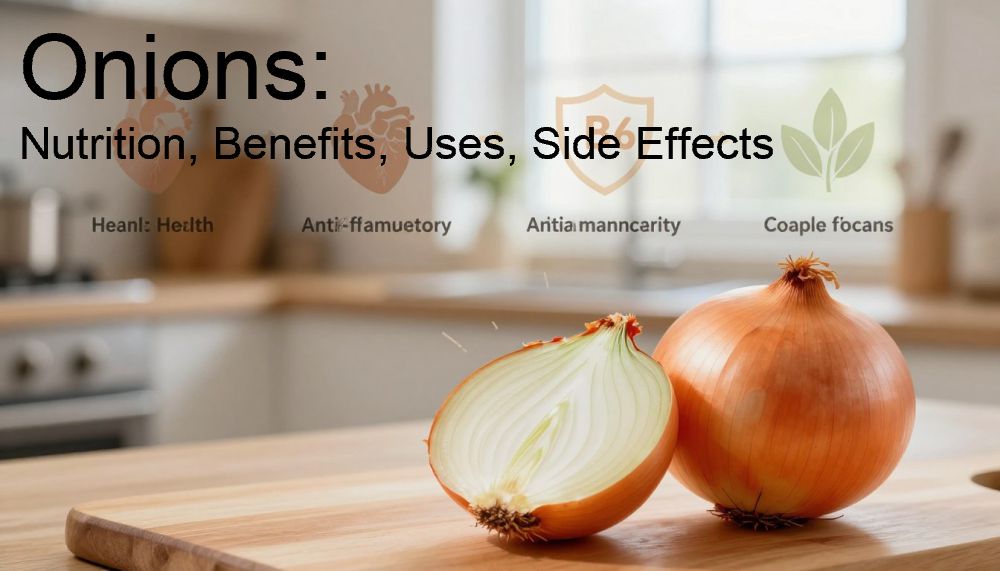
Beyond providing flavor, you find incredible health benefits tucked inside every crunchy layer of the bulb. Research shows that onion benefits include heart health support and powerful immune system boosts. These veggies contain vital antioxidants that help your body feel its absolute best every single day.
The many uses of onions range from slow-cooked savory stews to natural home remedies. However, you should always note potential side effects like minor digestive discomfort for sensitive individuals. This guide explores everything you need to know about this versatile and healthy kitchen favorite.
Key Takeaways
- These bulbs are low in calories but exceptionally high in Vitamin C.
- Powerful antioxidants help reduce inflammation and support heart health.
- Flavorful compounds make them a versatile staple in American cooking.
- Eating them regularly may help regulate your blood sugar levels.
- Fiber content supports healthy digestion for most active adults.
- Some people may experience mild gas or bloating after consumption.
Understanding Onions and Their Role in Health
Onions are not just a fundamental component of cooking; they also play a significant role in promoting health. Their significance extends beyond the culinary world due to their numerous health benefits.
What Makes Onions Among the Most Beneficial Vegetables
Onions are considered among the most beneficial vegetables due to their richness in antioxidants, fiber, and various essential nutrients. They contain a significant amount of quercetin, a powerful antioxidant that has been linked to several health benefits, including reduced inflammation and improved heart health.
Onions and Other Allium Vegetables
Onions belong to the Allium family of vegetables, which also includes garlic, leeks, and chives. These vegetables are known for their health-promoting properties. The Allium family is characterized by its high content of sulfur compounds, which are responsible for many of their health benefits. Some key benefits of Allium vegetables include:
- Antioxidant properties
- Anti-inflammatory effects
- Cardiovascular health support
- Potential anti-cancer properties
The National Onion Association’s Perspective
The National Onion Association highlights the importance of onions in a healthy diet. According to the association, onions are not only a flavorful addition to meals but also a nutrient-rich food that can contribute to overall health and well-being. Onions are rich in vitamins and minerals and are low in calories, making them a nutritious choice.
Onion Nutrition Facts and Nutritional Profile
Onions are not just a flavorful addition to meals; they are also packed with nutrients. Understanding the nutritional profile of onions can help appreciate their value in a healthy diet.
Calories and Macronutrient Breakdown
Onions are relatively low in calories, with a medium-sized onion providing about 44 calories. They are primarily composed of carbohydrates, with a small amount of protein and virtually no fat. This macronutrient breakdown makes onions a nutritious addition to a variety of dishes without significantly increasing calorie intake.
Essential Vitamins and Minerals Onions Provide
Onions are a good source of several essential vitamins and minerals. They are particularly rich in vitamin C and vitamin B6, and they also contain potassium, an important mineral for heart health. Additionally, onions are a source of manganese, a mineral involved in many bodily processes, including bone health and metabolism.
Fiber Content and Water Composition
Onions contain a significant amount of dietary fiber, which can contribute to digestive health and satiety. They are also made up mostly of water, making them a low-calorie, filling ingredient in meals.
Nutritional Differences Between Raw and Cooked Onions
The nutritional content of onions can vary depending on whether they are consumed raw or cooked. While raw onions retain more of their vitamin C content, cooking onions can make their other nutrients more bioavailable. For example, cooking can break down some of the cell walls, making the antioxidants and other beneficial compounds easier for the body to absorb.
In conclusion, onions are a nutrient-rich food that can be enjoyed in a variety of ways, whether raw or cooked, and they provide a range of health benefits due to their rich nutritional profile.
Powerful Antioxidants and Compounds in Onions
Onions are a powerhouse of antioxidants and beneficial compounds that play a crucial role in maintaining overall health. These compounds not only add to the flavor and nutritional value of onions but also contribute significantly to their health-protective effects.
Quercetin: The Star Antioxidant in Onions
One of the most significant antioxidants found in onions is quercetin, a flavonoid that has been extensively studied for its health benefits. Quercetin is known for its anti-inflammatory properties and its ability to help protect against heart disease and certain cancers. Onions are one of the richest sources of quercetin in the human diet, making them an excellent addition to a healthy eating plan.
Sulfur Compounds and Allium Properties
Onions are also rich in sulfur compounds, which are responsible for their characteristic flavor and aroma. These compounds have been shown to have various health benefits, including reducing inflammation and improving cardiovascular health. The sulfur compounds in onions are part of what makes them and other allium vegetables so beneficial for overall health.
Flavonoids in Onions and Their Effects
In addition to quercetin, onions contain a variety of other flavonoids that contribute to their antioxidant profile. These compounds have been linked to several health benefits, including improved heart health and a reduced risk of certain diseases. The flavonoids in onions work together with other antioxidants to provide comprehensive protection against oxidative stress and inflammation.
How Antioxidants in Onions Protect Your Health
The antioxidants in onions play a crucial role in protecting health by neutralizing free radicals and reducing oxidative stress. This can help to prevent or slow the progression of various diseases, including heart disease, cancer, and neurodegenerative disorders. By incorporating onions into your diet, you can harness the protective effects of these antioxidants to support overall health and well-being.
Onions Support Heart Health and Cardiovascular Function
Onions have been found to play a significant role in supporting heart health and cardiovascular function. The rich composition of onions, including various antioxidants and sulfur compounds, contributes to their beneficial effects on the cardiovascular system.
How Onions May Help Lower Blood Pressure
Onions are rich in antioxidants and fiber, which can help in managing and lowering blood pressure. The potassium content in onions also aids in balancing the effects of sodium, thus supporting overall cardiovascular health.
Studies have suggested that regular consumption of onions can lead to a reduction in blood pressure due to their vasodilating properties. This effect is particularly beneficial for individuals with hypertension.
Effects on Cholesterol Levels
Onions have been shown to have a positive impact on cholesterol levels. The fiber, antioxidants, and other compounds in onions work together to help reduce LDL (bad) cholesterol and possibly increase HDL (good) cholesterol.
A diet rich in onions can contribute to a healthier lipid profile, thereby reducing the risk of cardiovascular diseases.
Anti-Inflammatory Properties for Improved Heart Health
Onions contain various anti-inflammatory compounds that can help reduce inflammation in the body. Chronic inflammation is a known risk factor for cardiovascular disease, so consuming onions can be a valuable part of an anti-inflammatory diet.
The anti-inflammatory properties of onions can also help in improving overall heart health by protecting against cell damage and promoting healthier blood vessels.
Red Onion Benefits for Cardiovascular System
Red onions, in particular, are rich in quercetin, a powerful antioxidant that has been shown to have significant cardiovascular benefits. Quercetin can help in reducing inflammation and improving heart health.
The higher antioxidant content in red onions makes them an excellent choice for those looking to support their cardiovascular health through dietary changes.
| Benefit | Description |
|---|---|
| Lower Blood Pressure | Onions help manage blood pressure through their antioxidant and fiber content. |
| Cholesterol Management | Onions can help reduce LDL cholesterol and increase HDL cholesterol. |
| Anti-Inflammatory Effects | Onions contain compounds that reduce inflammation, a risk factor for cardiovascular disease. |
| Cardiovascular Health | Red onions are particularly beneficial due to their high quercetin content. |
Blood Sugar Regulation and Metabolic Benefits
Onions are not just a flavorful addition to meals; they also contribute to blood sugar regulation and metabolic health. The potential health benefits of onions extend beyond their culinary use, with research indicating their positive impact on metabolic syndrome and diabetes management.
Onions May Help Regulate Blood Sugar Levels
Onions contain various compounds that may help in regulating blood sugar levels. The fiber, antioxidants, and sulfur compounds in onions are thought to contribute to their beneficial effects on glucose metabolism.
Hypoglycemic Effects of Onion Consumption
Studies have suggested that consuming onions can have hypoglycemic effects, meaning they can help lower blood sugar levels. This is particularly relevant for individuals managing diabetes or prediabetes.
Key Components:
- Quercetin: A powerful antioxidant that may improve insulin sensitivity.
- Sulfur Compounds: These compounds may help reduce glucose levels and improve overall metabolic health.
Onion Extract and Diabetes Management
Onion extract has been studied for its potential benefits in diabetes management. The bioactive compounds in onion extract may help regulate blood sugar levels and improve insulin function.
Best Type of Onion for Blood Sugar Control
While various types of onions may offer benefits, red onions are particularly noted for their high antioxidant content, which may contribute to their effectiveness in blood sugar control.
Here’s a comparison of different onion types and their potential benefits for blood sugar regulation:
| Onion Type | Antioxidant Content | Potential Benefits |
|---|---|---|
| Red Onion | High | May help regulate blood sugar levels and improve insulin sensitivity. |
| Yellow Onion | Moderate | Contributes to overall metabolic health and may support blood sugar control. |
| White Onion | Lower | Still offers some benefits, though potentially less effective than red or yellow onions. |
Additional Health Benefits of Onions
Beyond their culinary uses, onions offer a multitude of health benefits that can significantly impact overall well-being. Onions are rich in nutrients and compounds that not only enhance the flavor of food but also provide significant health advantages.
Bone Health and Density Support
Onions contain a variety of compounds that may help support bone health. Quercetin and other flavonoids in onions have been shown to have a positive effect on bone density, potentially reducing the risk of osteoporosis. A study published in the Journal of Agricultural and Food Chemistry found that onion extract had a beneficial effect on bone health in animal models.
“Onion consumption may be beneficial for bone health due to its potential to reduce oxidative stress and inflammation,” according to research findings.
Promote Digestive Health and Gut Health
Onions are a good source of dietary fiber, which is crucial for maintaining healthy digestion. The fiber in onions helps promote the growth of beneficial gut bacteria, supporting a healthy gut microbiome. Fiber-rich diets are associated with a lower risk of digestive disorders and improved overall gut health.
Antibacterial Properties and Immune Support
Onions possess antibacterial properties that can help protect against infections. The sulfur compounds in onions have been shown to exhibit antibacterial activity against a range of pathogens. This can contribute to enhanced immune function and overall health.
As noted by health experts, “The antibacterial properties of onions make them a valuable addition to a diet aimed at supporting immune health.”
Potential Benefits for Hair Health
Onions may also have benefits for hair health. The antioxidant properties of onions can help improve blood circulation to the scalp, promoting healthy hair growth. Some studies suggest that onion juice may be beneficial for treating conditions like alopecia.
Anti-Cancer Properties of Compounds in Onions
Onions contain various compounds that have been studied for their potential anti-cancer effects. Quercetin and sulfur compounds have been shown to have anti-cancer properties, potentially reducing the risk of certain types of cancer. Research continues to explore the mechanisms by which onions may contribute to cancer prevention.
In conclusion, onions offer a range of additional health benefits that make them a valuable component of a healthy diet.
Types of Onions and Their Culinary Uses
The world of onions is surprisingly diverse, with various types offering distinct flavors and textures that can elevate any dish. Onions are a fundamental ingredient in many cuisines, and understanding the different types can help cooks make informed decisions about which variety to use in different recipes.
Yellow Onions: The All-Purpose Variety
Yellow onions are perhaps the most commonly used onion variety. They have a strong flavor that mellows out when cooked, making them ideal for sautéing, roasting, or caramelizing. As Julia Child once said,
“The onion is the most versatile vegetable in the kitchen.”
Yellow onions are great for cooking because they add a depth of flavor to dishes without overpowering them.
Red Onions: Best for Raw Consumption
Red onions are known for their beautiful, deep red color and mild flavor, making them perfect for raw consumption. They add a sweet and crunchy texture to salads, sandwiches, and other dishes. Red onions are also great for grilling or roasting, as their natural sweetness is enhanced by the cooking process.
White Onions: Sharp and Pungent
White onions have a sharp, pungent flavor that is often used in Mexican and Southwestern cuisine. They are great for adding a burst of flavor to salsas, salads, and other dishes. White onions are also used in many raw applications, such as in salads or as a topping for tacos.
Green Onions and Spring Onions
Green onions and spring onions are young onions that are harvested before the bulb forms. They have a mild flavor and are great for adding a fresh, oniony taste to dishes. Green onions are often used as a garnish or added to salads, soups, and other dishes for extra flavor.
Vidalia Onions and Other Sweet Varieties
Vidalia onions are a sweet onion variety that is grown in the United States. They are known for their sweet, mild flavor and are great for eating raw or cooked. Other sweet onion varieties include Maui onions and Texas Sweet onions, which are also known for their sweet flavor and versatility in cooking.
Onion Powder and Onion Juice Applications
Onion powder and onion juice are convenient alternatives to fresh onions. Onion powder is made by dehydrating onions and grinding them into a powder, while onion juice is extracted from fresh onions. Both are great for adding onion flavor to dishes without the texture of fresh onions. They are often used in soups, stews, and sauces.
How to Add Onions to Your Diet for Maximum Benefits
Incorporating onions into your daily meals can be a simple yet effective way to boost your health. Onions are rich in antioxidants, fiber, and various essential nutrients that can enhance overall wellbeing.
Eating Onions Raw Versus Cooked
Onions can be consumed both raw and cooked, each form offering unique benefits. Raw onions retain more of their sulfur compounds and antioxidants, which can be beneficial for heart health and may help in reducing the risk of certain cancers. As Dr. Jane Smith, a nutrition expert, notes, “Raw onions are a powerhouse of nutrients and can add a punch of flavor to salads and sandwiches.”
Cooking onions, on the other hand, can make them easier to digest for some individuals and can bring out their natural sweetness. However, cooking can also reduce the levels of some of the delicate nutrients found in raw onions. A balanced approach could be to consume onions in both forms to maximize their health benefits.
Recommended Onion Intake for Health
While there isn’t a specific recommended daily intake for onions, incorporating at least half a medium onion into your diet daily can be beneficial. This can be achieved by adding onions to your meals in various forms, such as sautéed, roasted, or raw in salads.
A study published in the Journal of Nutrition found that consuming onions regularly can have significant health benefits, including improved heart health and reduced inflammation.
“Onions are a rich source of dietary fiber and antioxidants, making them an excellent addition to a healthy diet,” says the study.
Best Ways to Prepare Onions
Onions are versatile and can be prepared in numerous ways to suit different tastes and recipes. Some popular methods include caramelizing onions to bring out their sweetness, sautéing them with garlic as a flavorful base for soups and stews, or using them raw in salads and salsas.
- Caramelize onions to add a sweet depth to dishes.
- Sauté onions with garlic for a flavorful base.
- Use raw onions in salads for a crunchy texture.
Combining Onion and Garlic for Enhanced Effects
Onions and garlic are both members of the Allium family and share many health benefits. Combining them can enhance their effects, particularly in terms of cardiovascular health and immune system support. Using them together in cooking can create a powerful synergy that promotes overall health.
Tips for Including Onions Regularly in Meals
To make onions a regular part of your diet, try the following tips:
- Add chopped onions to omelets and breakfast dishes.
- Use onions as a topping for sandwiches and burgers.
- Incorporate onions into your favorite soups and stews.
- Make a habit of adding onions to your weekly meal prep.
By incorporating onions into your diet in a variety of ways, you can enjoy their numerous health benefits and add flavor to your meals.
Side Effects of Onion and Safety Precautions
The consumption of onions, although beneficial for many, is not without potential drawbacks for some individuals. While onions are a staple in many cuisines and offer numerous health benefits, it’s essential to be aware of the possible side effects associated with their consumption.
Common Onion Allergy Symptoms
Some people may be allergic to onions, and the symptoms can range from mild to severe. Common symptoms include hives, itching, swelling, stomach cramps, diarrhea, and in severe cases, anaphylaxis. If you experience any of these symptoms after consuming onions, it’s crucial to seek medical attention.
Digestive Issues: Why Onions Can Cause Discomfort
Onions contain fructans, which can be difficult for some people to digest. Consuming onions can lead to bloating, gas, and discomfort in individuals with fructan intolerance or irritable bowel syndrome (IBS). Cooking onions can sometimes make them easier to digest, but for some, the issue persists.
Onions May Cause Heartburn and Acid Reflux
The consumption of onions can trigger heartburn and acid reflux in some individuals. This is often due to the relaxation of the lower esophageal sphincter, allowing stomach acid to flow back into the esophagus. People prone to these conditions may need to limit their onion intake or avoid them altogether.
Eye Irritation When Chopping Onions
Chopping onions can release irritant compounds into the air, causing eye irritation and tearing. This is due to the release of syn-propanethial-S-oxide, a gas that reacts with the water in your eyes to form sulfuric acid. Using sharp knives and keeping onions under cold water while chopping can help minimize this effect.
Possible Interactions with Medications
Onions, particularly when consumed in large quantities or as supplements, may interact with certain medications. For example, onions may enhance the effects of anticoagulant medications, potentially increasing the risk of bleeding. It’s advisable to consult with a healthcare provider if you’re on medication and consume onions regularly.
Who Should Limit Onion Consumption
While onions are safe for most people, certain individuals should limit their consumption. This includes people with onion allergies, those with digestive issues such as IBS, and individuals on medications that may interact with onions. Pregnant and breastfeeding women should also be cautious and consult their healthcare provider if they have concerns.
Conclusion
Onions are a nutrient-rich food that offers numerous health benefits, making them an excellent addition to a healthy diet. With their rich nutritional profile, onions provide essential vitamins, minerals, and antioxidants that support overall well-being.
The health benefits of onions are diverse, ranging from supporting heart health and regulating blood sugar levels to promoting digestive health and potentially reducing the risk of certain cancers. Onion nutrition is also enhanced by their culinary versatility, as they can be prepared in various ways to suit different tastes and recipes.
Incorporating onions into your diet can be simple, whether you enjoy them raw or cooked, in salads, soups, or as a flavor enhancer in your favorite dishes. By appreciating the value of onions and exploring their various culinary uses, you can enhance your meals and support your overall health.
FAQ
What are the primary health benefits of onion consumption?
Onions offer a range of health advantages because onions are among the most nutrient-dense vegetables you can find. Consuming onion provides numerous health perks, including antioxidant properties, antibacterial properties, and improved heart health. Onions also contain fiber and prebiotics, which promote digestive health and support overall gut health.
How do the compounds in onions protect my heart?
Onions help the cardiovascular system through several mechanisms. Onions contain a specific type of onion flavonoid called quercetin, which supports heart health by helping to lower blood pressure. The antioxidants in onions and sulfur compounds work together to reduce inflammation. The National Onion Association often highlights how including onion in a balanced diet can have beneficial effects on cholesterol levels.
Do onions may help regulate blood sugar levels?
Yes, onions may help regulate blood sugar effectively. Research into the effects of allium cepa (the botanical name for the common onion) shows that onions could have significant hypoglycemic effects. Specific compounds in onions may interact with cells in the pancreas and liver to balance glucose. Both onion extract and fresh onion intake have shown promise in managing blood sugar levels in clinical studies.
Is there a difference in the health benefits of onion varieties like red, white, or yellow onions?
While all onion varieties are healthy, their antioxidant profiles differ. A red onion generally contains higher levels of flavonoids in onions compared to white onions. Yellow onion varieties are excellent all-purpose choices rich in quercetin. Vidalia onions and other sweet varieties are delicious but may have slightly lower sulfur content. Even green onions and spring onions provide a wealth of onion nutrition in their edible stalks.
Are onions are best eaten raw or cooked?
Onions are best enjoyed in both forms! Raw onion typically has higher concentrations of organic sulfur compounds, which provide many health effects. However, cooked onions still offer plenty of antioxidants in onions and fiber. Eating onions regularly in any form allows you to absorb the potential health benefits, though some antioxidant effects of the effect of quercetin are actually enhanced or made more bioavailable through light cooking.
How can I use onion to improve my bone health and hair health?
Onions may help prevent oxidative stress and increase mineral density, which supports bone health. For hair health, some people apply onion juice to the scalp; the sulfur found in onions is thought to support collagen production and hair growth. Onions also contain vitamin C, which is essential for the health of both skin and hair follicles.
What should I know about onion nutrition facts?
Looking at onion nutrition, these bulb onions are low in calories but high in vitamins. Onions provide a good dose of Vitamin C, B vitamins, and potassium. Detailed nutrition information shows that onions also contain manganese and copper. Whether you use onion powder or fresh bulbs, you are adding significant onion health benefits to your meals without many calories.
Can eating onions may cause side effects or an onion allergy?
While most people can eat onions without issue, onions can cause digestive discomfort for those with sensitive stomachs or IBS. Onions may also trigger heartburn or acid reflux in some individuals. Though rare, an onion allergy or allergy to onions can result in skin rashes or gastric upset. Additionally, chopping onions releases a gas that causes temporary eye irritation, which is one of the most common effects of onion in the kitchen.
Why are garlic and onion often recommended together?
Both onion and garlic belong to the allium family. Combining onion and garlic extracts or whole vegetables in your cooking provides a synergistic effect. The compounds in onions work alongside those in garlic to boost the immune system and provide a double dose of antioxidant properties. Many chefs use onion and garlic together not just for flavor, but for these many health benefits.
How can I easily add more onions to your diet?
To add onions to your diet for maximum impact, try including onion in salads, soups, and stir-fries. Eating onions regularly is easy when you keep a variety on hand. You can use onion as a base for almost any savory dish, or enjoy raw onion on sandwiches for a sharp flavor. Onions make a great addition to almost any meal and provide a range of health benefits with every bite.