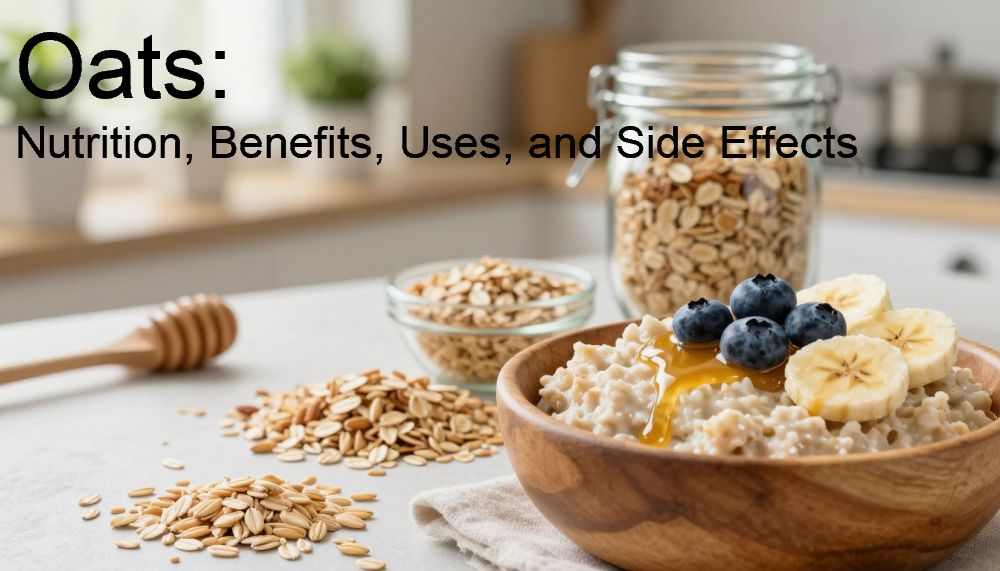
Starting your morning with a warm bowl of a classic breakfast staple is a great way to fuel your day. This hearty whole grain provides nutrition for people looking to maintain their daily energy levels. Many families in the United States rely on this food for its versatility and mild flavor.
Exploring the nutritional value of this superfood reveals why it remains a top choice for healthy eaters. Beyond just being a filling meal, the health benefits of oats include better heart health and steady digestion.
However, you should understand how to prepare it correctly to avoid side effects like bloating. Whether you enjoy them overnight or baked into cookies, these grains are a kitchen essential. This guide provides a comprehensive look at this popular cereal.
Key Takeaways
- High fiber content supports better heart health and regular digestion.
- These grains are packed with essential vitamins and minerals for daily wellness.
- They help maintain stable blood sugar levels throughout the morning.
- You can use them in many sweet and savory recipes beyond basic porridge.
- Eating too much at once might cause minor gas or temporary bloating.
The Nutritional Profile of Oats
Oats are a nutrient-rich food that provides a multitude of health benefits due to their impressive nutritional profile. They are an excellent source of essential nutrients, making them a valuable addition to a healthy diet.
Macronutrient Breakdown
Oats are primarily composed of carbohydrates, with a significant portion being fiber, particularly a type known as beta-glucan, a soluble fiber that has been shown to have numerous health benefits. They also contain a moderate amount of protein and a small amount of fat.
The macronutrient breakdown of oats can be seen in the following table:
| Nutrient | Amount per 1 cup cooked |
|---|---|
| Carbohydrates | 27 grams |
| Protein | 6 grams |
| Fat | 4 grams |
| Fiber | 4 grams |
Essential Vitamins and Minerals
Oats are a good source of various vitamins and minerals, including manganese, phosphorus, magnesium, and zinc. They also contain smaller amounts of other essential nutrients like iron and thiamin.
These nutrients play crucial roles in various bodily functions, from energy production to immune function.
The Power of Soluble Fiber
Oats contain a significant amount of soluble fiber, particularly beta-glucan, which has been shown to help lower cholesterol levels and improve heart health. Soluble fiber also aids in digestion and can help regulate blood sugar levels.
Understanding the Different Types of Oats
Oats are not just a single entity; they come in multiple forms, each processed differently to bring out distinct textures and flavors. This diversity allows consumers to choose the type that best suits their culinary needs and preferences.
Steel-Cut Oats: Texture and Processing
Steel-cut oats are made by cutting whole oat groats into smaller pieces rather than rolling them. This minimal processing retains much of the oat’s natural texture and nutrients, giving steel-cut oats a chewy consistency and a nutty flavor. They require a longer cooking time compared to other types of oats, typically around 20-30 minutes on the stovetop.
Rolled Oats and Old-Fashioned Varieties
Rolled oats, also known as old-fashioned oats, are steamed and then rolled into flakes to make them cook more quickly. This process makes them softer and more porridge-like compared to steel-cut oats. Rolled oats are versatile and can be used in a variety of dishes, from oatmeal to baking.
Instant Oats and Oatmeal Packets
Instant oats and oatmeal packets are designed for convenience, with some being pre-cooked and others simply rolled thinner. They cook very quickly, often in just a few minutes, but may contain added sugars or flavorings. While convenient, it’s essential to check the ingredient list to ensure they meet your dietary preferences.
Oat Bran and Its Unique Properties
Oat bran is the outer layer of the oat groat, which is high in fiber and nutrients. It is often used to boost the fiber content of foods and can be cooked as a hot cereal or added to baked goods. Oat bran has a distinct texture and can help support digestive health due to its high soluble fiber content.
Key Health Benefits of Oats
With their rich nutritional profile, oats provide several key health benefits that can enhance overall well-being. The unique composition of oats makes them an excellent choice for those looking to improve their health through dietary adjustments.
Antioxidant Properties and Avenanthramides
Oats are rich in antioxidants, which play a crucial role in protecting the body against free radicals. Avenanthramides, a type of antioxidant found almost exclusively in oats, have been shown to have anti-inflammatory properties. These compounds not only help in reducing inflammation but also contribute to the overall antioxidant capacity of oats.
The presence of avenanthramides in oats has been linked to several health benefits, including improved cardiovascular health and enhanced immune function. By incorporating oats into your diet, you can tap into these antioxidant properties and potentially reduce the risk of chronic diseases.
Supporting Overall Immune Function
Oats contain a type of fiber known as beta-glucan, which has been shown to have a positive impact on immune function. Beta-glucan stimulates the immune system, helping it to fight off infections more effectively. This makes oats a valuable addition to a diet aimed at supporting overall health and resilience.
Furthermore, the antioxidants and other nutrients in oats work synergistically to support immune health. By consuming oats regularly, individuals can help maintain a robust immune system capable of responding to pathogens and other health threats.
Skin Health and the Use of Colloidal Oatmeal
Colloidal oatmeal, which is made by grinding oats into a fine powder, has been used for centuries to soothe and protect the skin. It is commonly used in skincare products due to its anti-inflammatory and soothing properties. Colloidal oatmeal can help relieve itching and irritation associated with various skin conditions, making it a popular ingredient in bath products and creams.
The benefits of colloidal oatmeal extend to its ability to moisturize and protect the skin barrier. By incorporating products containing colloidal oatmeal into your skincare routine, you can help maintain healthy, resilient skin that is better equipped to handle environmental stressors.
Oats and Heart Health
The relationship between oat consumption and heart health has been a subject of extensive research, revealing numerous benefits. Oats are rich in nutrients and soluble fiber, which play a crucial role in maintaining a healthy heart.
Reducing Cholesterol Levels
One of the primary ways oats contribute to heart health is by reducing cholesterol levels. The soluble fiber in oats, known as beta-glucan, forms a gel-like substance in the stomach that binds to bile acids and removes them from the body, thereby reducing the amount of cholesterol produced in the liver.
Oats have been shown to lower LDL (bad) cholesterol without affecting HDL (good) cholesterol. A study published in the American Journal of Lifestyle Medicine highlighted that consuming oats regularly can lead to significant reductions in total and LDL cholesterol levels.
Lowering the Risk of Heart Disease
Regular consumption of oats has been associated with a lower risk of heart disease. The antioxidants and anti-inflammatory compounds present in oats help in preventing the formation of plaque in arteries, thus reducing the risk of heart attacks and strokes.
A comprehensive review of various studies on oat consumption and heart health revealed that individuals who consumed oats regularly had a lower risk of cardiovascular disease compared to those who did not.
Cardiovascular Benefits of Regular Consumption
The cardiovascular benefits of oats are multifaceted. Apart from lowering cholesterol and reducing the risk of heart disease, oats also help in maintaining healthy blood pressure levels and improving overall vascular health.
| Benefit | Description |
|---|---|
| Cholesterol Reduction | Oats help in lowering LDL cholesterol levels. |
| Heart Disease Prevention | Regular oat consumption is associated with a lower risk of heart disease. |
| Antioxidant Properties | Oats contain antioxidants that help in protecting against cardiovascular diseases. |
Managing Blood Sugar and Diabetes with Oats
Incorporating oats into one’s diet can be a beneficial strategy for individuals looking to manage their blood sugar levels. Oats are rich in nutrients and fiber, making them a valuable food for those with diabetes or those at risk of developing the condition.
Glycemic Index and Blood Sugar Response
The glycemic index (GI) is a measure of how quickly foods raise blood sugar levels. Oats have a low GI, which means they are digested slowly, causing a gradual increase in blood sugar. This property makes oats an excellent choice for managing blood sugar levels.
Oats contain a type of fiber known as beta-glucan, which is responsible for their low GI. Beta-glucan slows down the digestion and absorption of carbohydrates, thereby reducing the peak blood glucose levels after a meal.
Oats and Type 2 Diabetes Management
Research has shown that oats can play a significant role in type 2 diabetes management. The soluble fiber in oats not only helps in lowering blood sugar levels but also improves insulin sensitivity. This can be particularly beneficial for individuals with type 2 diabetes who are looking to manage their condition through dietary changes.
A study published in a reputable journal found that consuming oats regularly can lead to improved glycemic control and reduced risk of complications associated with type 2 diabetes.
Tips for Maintaining Stable Glucose Levels
To maximize the benefits of oats in managing blood sugar, consider the following tips:
- Choose steel-cut or rolled oats over instant oats, as they have a lower GI and more fiber.
- Incorporate oats into your breakfast routine, such as having oatmeal with fruits and nuts.
- Be mindful of portion sizes to avoid excessive carbohydrate intake.
- Combine oats with other fiber-rich foods to enhance their blood sugar-lowering effects.
By incorporating oats into a balanced diet and following these tips, individuals can better manage their blood sugar levels and reduce the risk of diabetes-related complications.
The Role of Oats in Weight Management
The versatility of oats makes them an ideal component of a weight management plan, offering a range of health benefits. Oats are rich in nutrients and fiber, making them a valuable addition to a diet focused on weight loss or maintenance. By understanding how oats contribute to satiety, appetite control, and overall dietary balance, individuals can harness their potential to support their weight management goals.
Satiety and Appetite Control
Oats are known for their ability to promote feelings of fullness and reduce hunger. This is largely due to their high fiber content, particularly a type of fiber known as beta-glucan. Beta-glucan forms a gel-like substance in the stomach, slowing down digestion and keeping you feeling fuller for longer. By incorporating oats into meals, individuals can potentially reduce the likelihood of overeating and support their weight management efforts.
Fiber Content and Caloric Density
The fiber in oats not only aids in satiety but also plays a crucial role in determining the caloric density of oat-based meals. Oats are relatively low in calories but high in volume, making them a nutritious and filling choice. A serving of oats can provide a feeling of fullness without contributing a significant number of calories, which is beneficial for those managing their weight. The caloric density of oats, combined with their nutrient-rich profile, makes them an excellent choice for those seeking to lose weight or maintain a healthy weight.
Incorporating Oats into a Balanced Diet
To effectively use oats for weight management, it’s essential to incorporate them into a balanced diet. This can be achieved by adding oats to breakfast cereals, using them as a base for homemade granola, or incorporating oat flour into baked goods. Variety is key to maintaining a balanced diet, and oats can be a versatile ingredient in many recipes. By combining oats with other nutrient-dense foods, individuals can create meals that are not only satisfying but also supportive of their overall health and weight management goals.
Digestive Health and Gut Microbiome
The digestive health benefits of oats are multifaceted, influencing both regularity and the gut microbiome. Oats are rich in dietary fiber, which plays a crucial role in maintaining a healthy digestive system. A diet rich in oats can help promote a balanced gut environment, supporting overall well-being.
Prebiotic Effects of Oat Fiber
Oat fiber is known for its prebiotic effects, meaning it feeds the good bacteria in the gut, promoting a healthy gut microbiome. Prebiotics are non-digestible parts of food that help stimulate the growth of beneficial microorganisms. The prebiotic properties of oat fiber can help enhance the population of beneficial bacteria, such as Bifidobacterium and Lactobacillus, which are crucial for a robust immune system and overall health.
A study published in the Journal of Agricultural and Food Chemistry found that oat fiber significantly increased the production of short-chain fatty acids, which are produced by the gut microbiota.
“The consumption of oat fiber resulted in a significant increase in the abundance of beneficial bacteria and enhanced the production of short-chain fatty acids, indicating a positive modulation of the gut microbiota.”
Promoting Regularity and Gastrointestinal Health
Oats are also known to promote regularity and support gastrointestinal health. The soluble fiber in oats helps soften stool and improve bowel movements, reducing the risk of constipation. A regular bowel movement is essential for removing toxins from the body and maintaining a healthy digestive system. Furthermore, the fiber content in oats can help alleviate symptoms of irritable bowel syndrome (IBS) by reducing inflammation and improving gut motility.
| Benefit | Description |
|---|---|
| Prebiotic Effects | Feeds good bacteria, promoting a healthy gut microbiome |
| Promotes Regularity | Soluble fiber softens stool and improves bowel movements |
| Gastrointestinal Health | Reduces inflammation and improves gut motility |
How Oats Support a Healthy Gut Environment
Oats support a healthy gut environment by providing a source of nutrition for beneficial bacteria and promoting the production of short-chain fatty acids. These fatty acids serve as energy sources for the cells lining the colon and help maintain the integrity of the gut barrier. A healthy gut environment is crucial for immune function, nutrient absorption, and overall health. By incorporating oats into your diet, you can help foster a balanced gut microbiome and support digestive health.
In conclusion, the benefits of oats on digestive health are multifaceted, ranging from prebiotic effects to promoting regularity and supporting a healthy gut environment. By understanding the role of oats in maintaining digestive health, individuals can make informed dietary choices to support their overall well-being.
Culinary Uses and Creative Ways to Eat Oats
From comforting breakfast bowls to innovative savory recipes, oats prove to be a highly adaptable ingredient in modern cuisine. Their versatility allows them to be incorporated into a wide range of dishes, catering to various tastes and dietary needs.
Preparing Overnight Oats for Busy Mornings
Overnight oats are a convenient and healthy breakfast option. To prepare them, mix rolled oats with milk or a dairy-free alternative, add your choice of fruits, nuts, or seeds, and refrigerate overnight. In the morning, you’ll have a ready-to-eat, nutritious breakfast.
Tips for Customizing Overnight Oats:
- Add different fruits such as berries, bananas, or mangoes to change the flavor.
- Use various types of milk or yogurt to alter the consistency and taste.
- Incorporate nuts or seeds for added crunch and nutrition.
Cooking Oats in Water or Milk
Cooking oats is a straightforward process that can be tailored to your preference. You can cook oats in water or milk on the stovetop or in the microwave. Cooking oats in milk adds a creamy texture, while using water keeps it light.
Basic Stovetop Oatmeal Recipe: Combine 1 cup of oats with 2 cups of water or milk in a pot. Bring to a boil, then reduce heat and simmer until the oats have absorbed most of the liquid and have a creamy consistency.
Using Ground Oats in Baking and Cooking
Ground oats can be used as a substitute for flour in many recipes, adding fiber and nutrition. They can be incorporated into baked goods like cookies, cakes, and muffins, or used as a coating for chicken or fish.
| Recipe | Usage of Ground Oats | Benefits |
|---|---|---|
| Oatmeal Cookies | Substitute 25% of flour with ground oats | Adds texture and fiber |
| Oat Crusted Chicken | Use ground oats as a coating | Provides a crunchy exterior and extra fiber |
Savory Oatmeal Recipes
Oatmeal doesn’t have to be sweet; it can also be prepared as a savory dish. Adding ingredients like vegetables, herbs, and spices can transform oatmeal into a satisfying meal.
Savory Oatmeal Recipe: Cook oats with vegetable broth instead of water or milk. Add sautéed vegetables like mushrooms, spinach, or bell peppers, and season with salt, pepper, and your choice of herbs.
Addressing Gluten Sensitivity and Celiac Disease
The relationship between oats and gluten-related disorders is complex and warrants a closer look. Individuals with gluten sensitivity or celiac disease often face challenges when deciding whether to include oats in their diet.
Oats have been a topic of debate due to concerns about their gluten content and the potential for cross-contamination during processing. However, oats themselves are naturally gluten-free, making them a valuable source of nutrition for those who can tolerate them.
Naturally Gluten-Free Status of Oats
Oats are inherently free from gluten, a protein found in wheat, barley, and rye. The controversy surrounding oats and gluten primarily stems from the potential for contamination during cultivation, storage, and processing.
Research has shown that pure, uncontaminated oats are safe for most people with celiac disease to consume. However, it’s crucial to choose oats that have been certified as gluten-free to minimize the risk of exposure to gluten.
Certified Gluten-Free Oats
Certification is a critical step in ensuring that oats are safe for those with gluten intolerance or celiac disease. Certified gluten-free oats are processed in facilities that adhere to strict guidelines to prevent cross-contamination with gluten-containing grains.
When shopping for oats, look for the “certified gluten-free” label to ensure that the product meets these rigorous standards. This certification provides assurance that the oats have been tested for gluten and contain less than 20 parts per million (ppm), the threshold considered safe for individuals with celiac disease.
Avoiding Cross-Contamination
Avoiding cross-contamination is vital in the production of gluten-free oats. This involves using dedicated facilities and equipment for gluten-free oat processing to prevent the introduction of gluten from other grains.
Some manufacturers also implement additional measures, such as regular testing for gluten, to ensure the purity of their oat products. By choosing oats from reputable sources that follow these practices, individuals with gluten sensitivity or celiac disease can enjoy the nutritional benefits of oats while minimizing their exposure to gluten.
Potential Side Effects and Precautions
While oats are generally considered a healthy addition to most diets, there are some potential side effects to be aware of. Consuming oats can have its drawbacks, particularly for individuals with certain sensitivities or health conditions.
Gastrointestinal Discomfort and Bloating
One of the most common side effects of oat consumption is gastrointestinal discomfort, which can manifest as bloating, gas, or abdominal pain. This is often due to the high fiber content in oats, particularly soluble fiber, which can be difficult for some people to digest. As noted by a study published in a reputable health journal, “a sudden increase in fiber intake can lead to temporary gastrointestinal discomfort.”
“A gradual introduction of high-fiber foods like oats into the diet can help mitigate these effects,” the study suggests.
To minimize the risk of gastrointestinal discomfort, it’s recommended to start with small portions and gradually increase the amount of oats consumed over time. This allows the gut microbiome to adjust to the increased fiber load.
Moderation in Daily Consumption
As with any food, moderation is key when it comes to oat consumption. While oats are nutritious, overconsumption can lead to an imbalance of certain nutrients in the diet. It’s essential to maintain a balanced diet that includes a variety of foods to ensure overall nutritional well-being. Eating oats in moderation, as part of a diverse diet, can help maximize their health benefits while minimizing potential drawbacks.
Interactions with Medications
Oats can also interact with certain medications, particularly those related to heart health and diabetes. For instance, the soluble fiber in oats can affect the absorption of certain drugs, potentially altering their efficacy. It’s crucial for individuals on medication to consult with their healthcare provider before making significant changes to their diet, including increasing oat consumption. As a healthcare professional advises, “Patients should be aware of the potential interactions between their medications and foods like oats to ensure safe and effective treatment.”
By being aware of these potential side effects and taking steps to mitigate them, individuals can safely incorporate oats into their diet and enjoy their numerous health benefits.
Conclusion
Oats offer a wealth of nutritional value and numerous health benefits, making them an excellent addition to a balanced diet. With their rich content of soluble fiber, antioxidants, and essential vitamins and minerals, oats support heart health, help manage blood sugar levels, and promote digestive well-being.
The various types of oats, from steel-cut to rolled oats, provide versatility in cooking and consumption. Incorporating oats into daily meals can be simple and delicious, whether through oatmeal, baking, or using oat bran.
By embracing oats as a staple in your diet, you can harness their potential to improve overall health and well-being. Explore the many ways to enjoy oats and experience the benefits they have to offer.
FAQ
What is the main difference between steel-cut oats, rolled oats, and instant oats?
The primary difference lies in how these types of oats are processed. Steel-cut oats (sometimes called Irish oats) are the whole oat groat cut into pieces, resulting in a chewy texture and longer cooking time. Rolled oats, like Quaker Old Fashioned Oats, are steamed and flattened, making them cook faster. Instant oats or instant oatmeal packets are pre-cooked and dried, often containing added flavors, which makes them convenient but sometimes higher in sugar.
How do the health benefits of oats support heart health?
Oats are rich in a specific type of soluble fiber called beta-glucan. Regular consumption of oats has been shown to lower cholesterol levels, specifically LDL (the “bad” cholesterol). By reducing cholesterol, the fiber in oats helps lower the risk of heart disease and supports overall cardiovascular health.
Are oats naturally gluten-free for people with celiac disease?
Yes, oats are naturally gluten-free. However, they are often processed in facilities that handle wheat, barley, or rye. For those with celiac disease or severe sensitivity, it is crucial to purchase certified gluten-free oats from brands like Bob’s Red Mill to ensure they are pure oats free from cross-contamination.
Can eating oats help with weight management?
Definitely! Oatmeal can help you feel full for longer because the whole grain oats are loaded with fiber. This promotes satiety and helps with appetite control, making it easier to manage your caloric intake throughout the day. Incorporating a bowl of oatmeal into your morning routine is a great strategy for weight management.
How do oats affect blood sugar levels for those with type 2 diabetes?
Oats have been shown to have a beneficial effect on blood sugar regulation. Because oats contain significant amounts of fiber, they have a lower glycemic index compared to many other breakfast cereals. This means oats may prevent sharp spikes in glucose, making them an excellent nutritional choice for managing type 2 diabetes.
What are the benefits of eating oat bran specifically?
Eating oat bran is highly beneficial because it is the outer layer of the grain, where much of the soluble fiber is concentrated. While whole grain oats are healthy, oat bran provides a more concentrated dose of fiber and protein, which is excellent for digestive health and lowering cholesterol.
Are there any potential health side effects from eating too many oats?
While there are many health benefits, some people may experience gastrointestinal health issues like bloating or gas when they suddenly increase their fiber intake. It is best to introduce dry oats or cooked oats into your diet gradually and drink plenty of water to help your system adjust to the increased fiber in oats.
Can I use oats for skin care?
Yes, colloidal oatmeal is a finely ground form of oats used in many skincare products, such as those from Aveeno. Taking an oatmeal bath can help soothe inflammatory skin conditions, such as eczema or poison ivy, due to the anti-inflammatory properties of oats.
What is the best way to make oatmeal to preserve its nutritional value?
To get the most health benefits of eating oats, try boiling oats in water or a low-fat milk. Overnight oats are another fantastic option; by soaking raw oats in liquid overnight, you preserve the nutritional value without using high heat. You can also use ground oats as a healthy flour substitute when baking.
Do oats offer any benefits for gut health?
Yes, the fiber found in a bowl of oats acts as a prebiotic, feeding the good bacteria in your microbiome. This supports a healthy gut health environment, improves digestive health, and promotes regular bowel movements.